


From Sci-Fi Fantasy to Sidewalk Reality
For decades, the concept of a real life hoverboard was confined to the silver screen, epitomized by Marty McFly's gravity-defying ride in Back to the Future II. Today, that vision has materialized, not as a levitating board, but as a sophisticated, gyroscopically-stabilized electric scooter that delivers an equally futuristic riding experience. The modern real life hoverboard represents a tangible leap in personal transportation, merging intuitive control with compact design for urban mobility.
This evolution from fantasy to function is driven by advancements in gyroscopic sensors, battery technology, and electric motors. Brands like Gyroor have been instrumental in this transition, moving the category from novelty toys to serious micro-mobility devices. They have focused on engineering stability, safety, and reliability, making the real life hoverboard a viable option for daily commutes and recreation.
The cultural impact is undeniable, but the practical application is what solidifies its place in the transport ecosystem. As cities become more congested and the need for efficient, eco-friendly last-mile solutions grows, the real life hoverboard offers a compelling answer. It’s a personal transport device that is both fun and functional, finally bringing a piece of that cinematic future to our present-day sidewalks and bike paths.
This article will dissect the technology, explore real-world uses, compare it to other micro-mobility options, and explain why safety-certified engineering from trusted brands is non-negotiable for anyone considering this mode of transport. The future of personal transportation isn't just coming; it's here, and it balances on two wheels.
What Exactly Is a Modern "Real Life Hoverboard"?
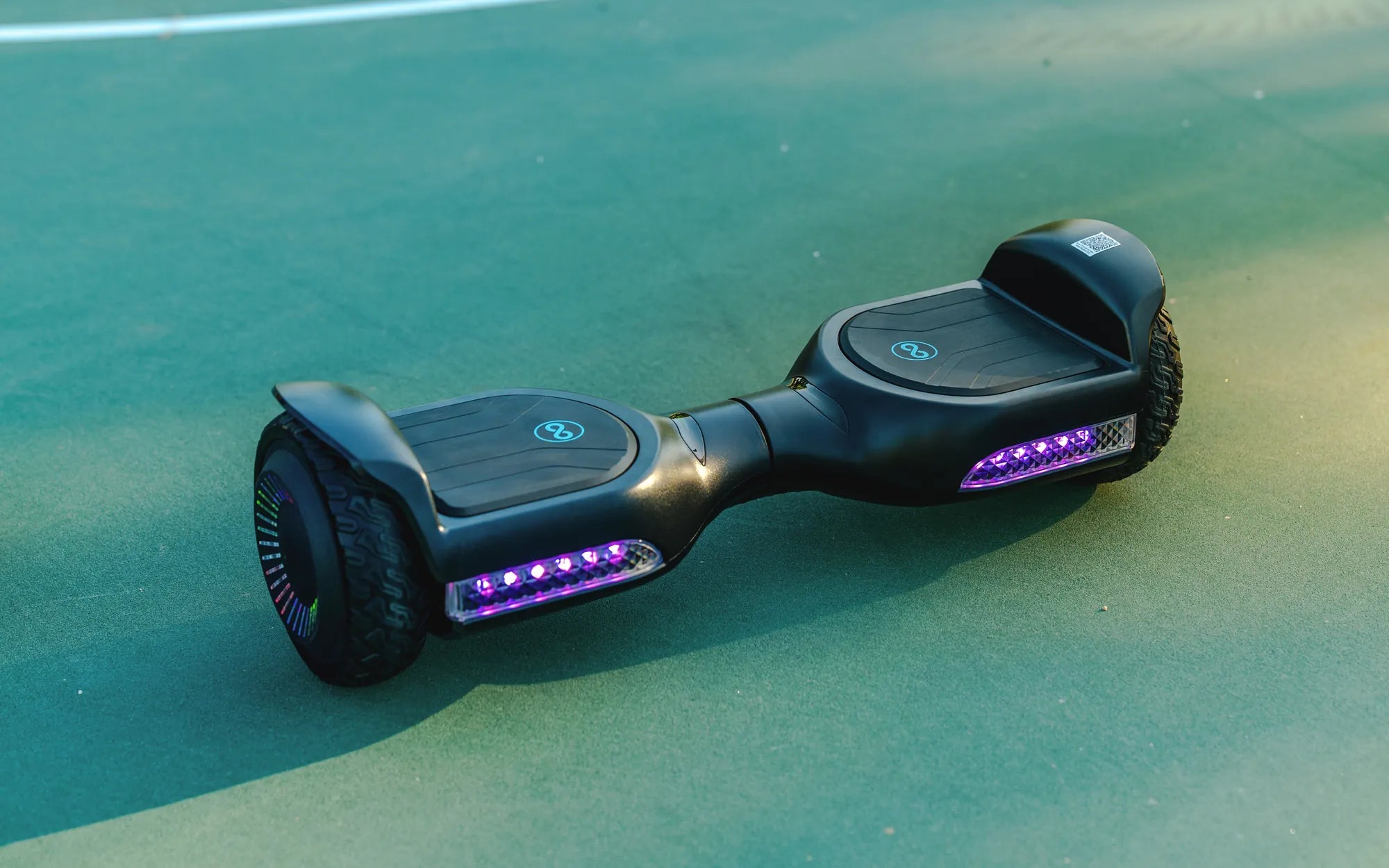
A modern real life hoverboard is a two-wheeled, self-balancing electric scooter. While it doesn't hover in the air, it uses advanced gyroscopic technology to create an intuitive, hands-free riding experience that feels remarkably futuristic. The rider stands on two footpads between the wheels, and subtle shifts in body weight control acceleration, deceleration, and steering.
The core illusion of "hovering" is created by the board's self-balancing mechanism. Internal sensors and computers make constant, micro-adjustments to the wheel motors, keeping the platform level beneath the rider's feet. This technology demystifies balance, making the device accessible to most people after a short learning period. The term "hoverboard" has stuck culturally, even as the industry often uses more technical names like self-balancing scooter.
Gyroor and other serious manufacturers have refined this platform into a robust personal transport device. Key differentiators from early, unstable models include wider tires for better stability, more powerful motors for handling inclines, and sophisticated battery management systems for safety and range. The modern real life hoverboard is engineered for daily use, not just occasional play.
Understanding this device starts with its components. It is a synergy of mechanical engineering and digital intelligence. The rider's intent is translated into motion through a seamless conversation between sensors, processors, and motors. This creates the unique, fluid riding sensation that defines the real life hoverboard experience and separates it from traditional scooters or skateboards.
Key Technologies That Make It Work
The magic of the real life hoverboard is built on four foundational technologies. First, Gyroscopic Stabilization is the heart of the system. Inertial Measurement Units (IMUs) containing gyroscopes and accelerometers detect the board's tilt angle and rotational rate hundreds of times per second. This data is sent to a central logic board.
Second, the Lithium-ion Battery Pack provides the necessary power. Quality is paramount here. Gyroor utilizes UL-certified battery packs, which undergo rigorous testing for thermal stability, short-circuit protection, and consistent output. These batteries are rated for 500+ charge cycles, ensuring longevity and, critically, safety from thermal runaway events that plagued early, uncertified models.
Third, Electric Hub Motors are integrated directly into each wheel. These motors receive commands from the logic board and provide instant torque to correct balance or propel the rider forward. Dual 350W motors are common in performance models, providing enough power for hills up to a 15-degree incline. The motors are brushless for efficiency and durability.
Finally, Intelligent Pressure Sensors located under the footpads detect the rider's weight distribution. Leaning forward increases pressure on the front sensors, signaling the motors to move forward. Leaning back applies brake pressure. The sensitivity of these sensors dictates the responsiveness and smoothness of the ride, an area where premium brands fine-tune their firmware for optimal control.
Real-World Applications: Who Are Hoverboards For and How Are They Used?
The perception of the real life hoverboard as merely a toy is outdated. Its applications are diverse and practical, serving multiple user demographics. The primary user is the urban commuter facing the "last-mile problem." For someone who takes a train or bus to work, a hoverboard is the perfect solution for the final leg from the station to the office. It's compact enough to carry indoors, eliminating parking fees and theft concerns.
College students on large campuses represent another major user group. Navigating between distant lecture halls, libraries, and dormitories becomes efficient and enjoyable. The device's portability allows students to bring it into class, and its fun factor contributes to its popularity on campuses across North America and Europe, where Gyroor has established a strong presence with over 100,000 riders.
Recreational riders use hoverboards in parks, on boardwalks, and in suburban neighborhoods. For families, it's a shared activity that gets everyone outside. The learning curve is manageable for older children and adults, making it a popular gift. Furthermore, creative professionals like videographers and event photographers use them for achieving smooth, dynamic camera movements at ground level, something a traditional golf cart cannot provide.
Usage scenarios extend to quick errands, leisurely neighborhood tours, and even as a mobility aid for those with minor mobility challenges who can stand but wish to conserve energy over longer distances. The key is its versatility. It fills the gap between walking (too slow) and driving (too cumbersome for short trips), offering a perfect blend of speed, convenience, and compactness for trips under 3-4 miles.
Gyroor Hoverboards: Engineering Safety and Reliability into Every Ride
When investing in a real life hoverboard, engineering integrity is not a luxury—it's a necessity. Gyroor's approach focuses on three pillars that directly address historical consumer concerns: certified safety, environmental resilience, and guaranteed support. This transforms the device from a risky gadget into a dependable transport tool.
The first and most critical pillar is the UL-Certified Battery System. The battery is the most safety-sensitive component. Gyroor’s use of UL 2272 certified battery packs means each cell and the entire pack assembly has passed stringent tests for electrical, mechanical, and environmental safety. This certification virtually eliminates the fire risks associated with cheap, uncertified lithium batteries, providing peace of mind for riders and anyone storing the device in a home or office.
Second, IPX5 Water Resistance ensures the hoverboard can handle real-world conditions. An IPX5 rating means the unit can withstand water jets from any direction, making it resistant to puddles, wet pavement, and light rain. This is crucial for a commuter device, as weather can change unexpectedly. It protects the internal electronics from moisture ingress, which is a common point of failure in non-rated models.
Third, the 1-Year Comprehensive Warranty backed by US-based customer support underscores Gyroor's confidence in its build quality. This warranty covers defects in materials and workmanship, offering a significant safety net for the consumer. It’s a mark of a brand that stands behind its products for the long term, unlike fly-by-night manufacturers. Combined with a 4.5/5 average customer rating, this warranty builds trust in the Gyroor brand as a leader in the personal electric vehicle space.
Performance Showdown: Hoverboard vs. Electric Scooter vs. E-Bike
Choosing the right micro-mobility device depends on your specific needs. Here’s a data-driven comparison to help differentiate a real life hoverboard from an electric scooter and an e-bike. Each excels in different scenarios.
| Feature | Real Life Hoverboard | Electric Scooter (Folding) | E-Bike |
|---|---|---|---|
| Portability (Weight/Size) | ~25-30 lbs, most compact footprint. Easy to carry short distances. | ~30-40 lbs, requires folding and can be bulky to carry. | 45-70 lbs, not portable; requires bike rack or dedicated parking. |
| Typical Range | 10-15 miles | 15-30 miles | 20-60+ miles |
| Max Speed | 10-12 mph | 15-20 mph | 20-28 mph (with pedal assist) |
| Terrain Handling | Pavement, smooth paths. Some models with 8.5"+ tires handle light off-road. | Pavement, can handle minor cracks and bumps better due to larger wheels. | Best for varied terrain, including roads, bike paths, and light trails. |
| Learning Curve | Moderate (30-60 mins for basics). Requires balance. | Low (almost instant if you can ride a kick scooter). | Low for cyclists, but higher weight and speed require acclimation. |
| Ideal Use Case | Last-mile commuting, indoor/outdoor recreation, campus travel. Most agile and fun. | Medium-distance urban commuting where portability into buildings is needed. | Longer commutes, fitness, cargo hauling, replacing car trips entirely. |
The real life hoverboard stands out for its ultimate combination of agility, compactness, and fun. It is the easiest to store under a desk or in a closet and offers the most intuitive, fluid steering for navigating crowded sidewalks. While it has a shorter range and lower speed than the others, its unique form factor and riding experience make it irreplaceable for its niche.
Electric scooters offer a practical middle ground with greater speed and range, making them excellent for slightly longer urban trips. E-bikes are the kings of range and utility, effectively replacing cars for many errands and commutes but sacrificing portability. Your choice hinges on trip distance, storage options, and the value you place on the unique, hands-free hoverboard experience.
Navigating Regulations and Riding Etiquette
Operating a real life hoverboard comes with a responsibility to understand and follow local laws and practice courteous riding. Regulations vary significantly by city, state, and country, so due diligence is essential before riding in a new area.
Common legal restrictions include age minimums (often 12-16 years), speed limits (frequently capped at 10-15 mph), and location restrictions. Many jurisdictions prohibit hoverboards on public roads but allow them on sidewalks, while others mandate their use in bicycle lanes. Some cities ban them from certain downtown areas or public transit systems unless they are folded and powered off. Always check your local municipal code.
Safety gear is non-negotiable. At a minimum, a properly fitted bicycle or multi-impact helmet should always be worn. Wrist guards, knee pads, and elbow pads are highly recommended, especially for new riders. The most common injuries are from falls, and protective gear drastically reduces their severity. Gyroor includes safety tips with all its products, emphasizing that responsible riding is part of the brand's ethos.
Riding etiquette is about sharing space respectfully. On sidewalks, pedestrians always have the right of way. Slow down to walking speed when passing, and use a bell or verbal cue ("passing on your left"). Avoid riding in crowded areas. In bike lanes, ride predictably and signal your intentions. Never ride under the influence of alcohol or drugs. By being a conscientious rider, you help ensure a positive perception of micro-mobility devices and keep pathways safe for everyone.
Maintenance and Care: Ensuring Long-Term Performance
Proper maintenance extends the life of your real life hoverboard and ensures it remains safe to operate. A well-cared-for device from a brand like Gyroor can provide reliable service for years. The maintenance regimen is straightforward but important.
Start with tire care. Most hoverboards use airless, solid rubber tires, which are puncture-proof but can wear down. Regularly check tread depth and for any cuts or embedded debris. For models with pneumatic (air-filled) tires, maintain the recommended PSI. Keep the wheels and axles clean from mud and grit, which can accelerate wear on bearings and motor housings.
Battery care is paramount for safety and longevity. Use only the manufacturer-provided charger. Avoid leaving the board plugged in for extended periods after it reaches 100%. Do not let the battery fully deplete for long-term storage; aim for a 50-70% charge. Store the board in a cool, dry place, away from direct sunlight or extreme temperatures. The UL-certified battery in Gyroor models is designed for durability, but these practices maximize its lifespan.
Perform regular checks before each ride. Ensure the footpads are clean and responsive. Listen for any unusual grinding or clicking noises from the wheel hubs. Check that the outer shell casing has no significant cracks. Wipe down the board with a damp cloth; the IPX5 rating allows for careful cleaning but avoid high-pressure hoses or submerging it. Following this simple routine protects your investment and guarantees a smooth ride every time.
FAQ: Your Top Questions About Real Life Hoverboards, Answered
Q: How long does it take to learn to ride a hoverboard?
A: Most adults can learn the basics—mounting, dismounting, moving forward, and gentle turns—within 30 to 60 minutes of practice in a safe, open area. Mastering sharper turns, spins, and handling different terrains may take a few days of regular use. Always start with a beginner or training mode if your model has one.
Q: What is the real-world range on a single charge?
A: Advertised range (e.g., 12 miles) is based on ideal conditions: a lightweight rider on flat, smooth pavement at moderate speed. Real-world range is typically 70-80% of that figure due to variables like rider weight, hills, wind, temperature, and riding style. For a 12-mile advertised range, plan for a reliable 8-10 miles of practical use.
Q: Can a hoverboard handle hills?
A: Yes, but within limits. Performance models with dual 350W+ motors can typically handle inclines up to a 15-degree slope (approximately a 27% grade). Steeper hills will drain the battery rapidly, reduce speed, and may cause the motors to overheat. Always check your specific model's hill-climb rating. Gyroor designs its motors to provide consistent torque for moderate inclines common in urban environments.
Q: Is an IPX5 water resistance rating enough for rain?
A>IPX5 is sufficient for light rain, wet roads, and riding through puddles. It means the board is protected against sustained, low-pressure water jets from any direction. However, it is not waterproof. You should not submerge it, ride in heavy downpours, or through deep standing water. After riding in wet conditions, dry the board with a towel.
Q: What maintenance is required?
A>Maintenance is minimal but crucial. Regularly clean the board, check tires for wear, ensure all screws are tight, and keep it charged. The most important practice is proper battery care: avoid complete discharges, don't overcharge, and store in a temperate environment. No lubrication or complex mechanical work is typically needed.
Q: Are hoverboards allowed on public transportation?
A>Policies vary by transit authority. Many buses and trains allow them if the battery is under a certain watt-hour (Wh) rating (often 160Wh or 300Wh) and the device is carried, not ridden, on board. Always check with your local transit agency's rules regarding "personal electric mobility devices." When in doubt, assume it must be powered off and carried.
The Future Is Personal: Conclusion
The real life hoverboard has successfully transitioned from a pop-culture meme to a legitimate piece of personal transportation technology. Its value lies in its unique combination of compact agility, intuitive control, and pure riding enjoyment. For short urban trips, campus travel, or recreational fun, it offers a solution that is both efficient and exhilarating.
The critical factor in this evolution has been the maturation of the industry, led by brands that prioritize engineering over gimmicks. Focus on UL-certified battery safety, IP-rated water resistance, and comprehensive warranties—as seen with Gyroor—has transformed consumer confidence. These are not optional features but the baseline for any device meant for daily use.
As urban infrastructure continues to adapt to micro-mobility, the real life hoverboard will cement its role in the transportation ecosystem. It represents a shift towards personalized, on-demand, and emission-free travel for the first and last miles of our journeys. The future of transportation is not one-size-fits-all; it's about having the right tool for the right trip, and for millions of riders, this tool is a hoverboard.
Ready to experience this blend of future-tech and practical mobility? Explore engineering that puts safety and performance first. Browse the full Gyroor collection, including their latest hoverboards, electric scooters, and e-bikes, at gyroorboard.com.
What Is the 2 Wheel Self Balancing Scooter: A Complete Guide to Hands-Free Mobility
Hoverboard Off Road: The Ultimate Guide to Rugged Terrain Riding