


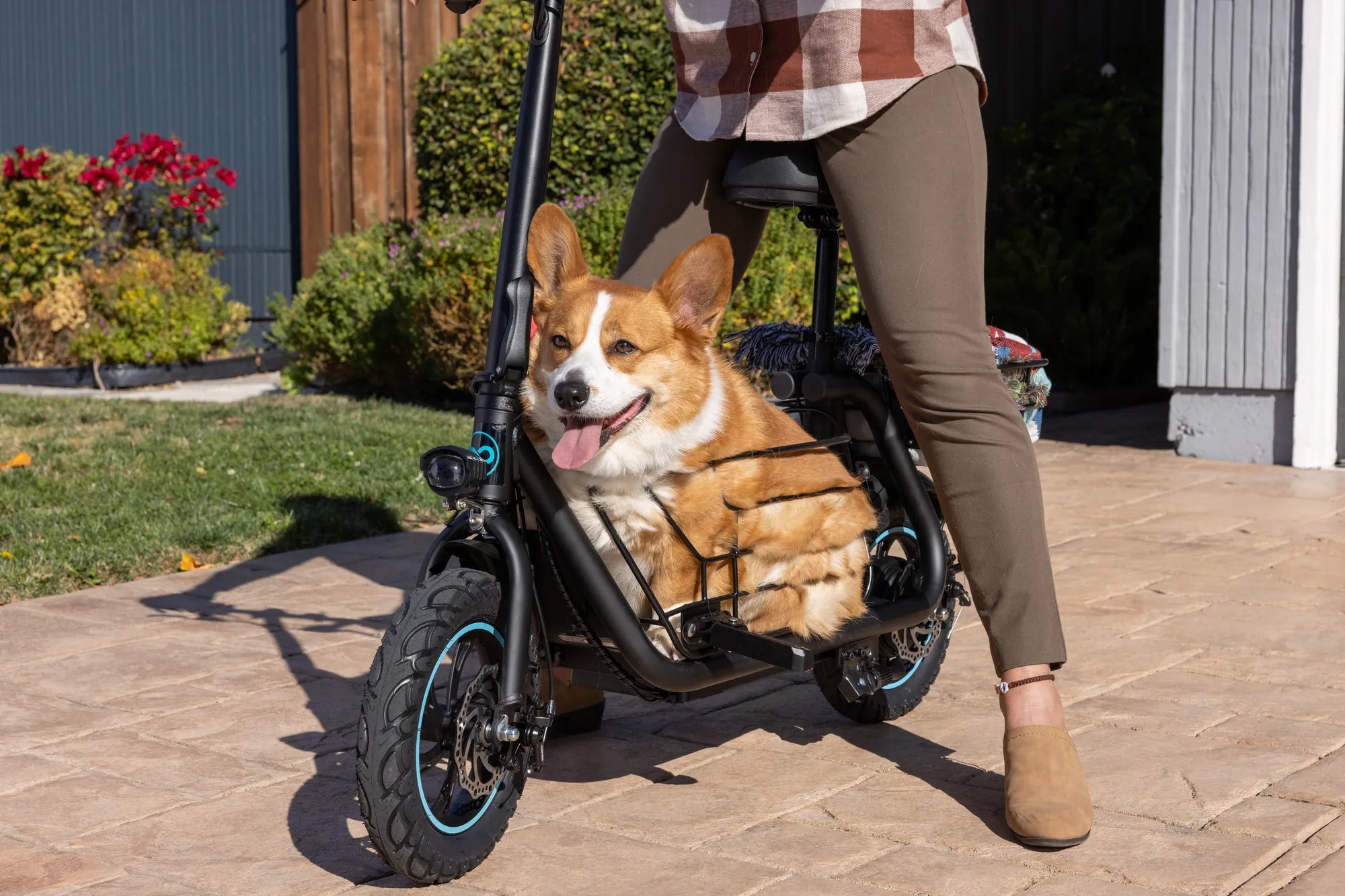
Introduction to Scooter Time: More Than Just a Ride
The concept of scooter time transcends mere minutes spent on a deck with wheels. It represents the holistic experience of electric scooter ownership, encompassing tangible time savings during commutes, the joy of recreational exploration, and the practical advantages of modern personal electric mobility. For over 100,000 riders across North America and Europe, scooter time has become a valuable commodity, reclaiming hours from traffic and transforming daily travel.
This article will dissect every facet of scooter time, from calculating true commute savings to understanding the features that protect your investment. We will explore how leading brands like Gyroor engineer their vehicles—with UL-certified batteries, IPX5 water resistance, and comprehensive warranties—specifically to enhance the quality, safety, and reliability of your scooter time. By the end, you'll know how to plan, optimize, and fully enjoy every minute on your electric scooter.
Maximizing Your Daily Commute: Calculating True Scooter Time Savings
Traditional commute calculations often focus only on moving time. True scooter time analysis must account for the entire door-to-door journey. For a car commute, this includes time spent searching for parking, walking from a distant parking spot, and sitting in traffic congestion. Public transport adds wait times, transfers, and the walk to and from stations.
An electric scooter eliminates most of these inefficiencies. A direct point-to-point journey on a scooter like the Gyroor H30, with a top speed of 19 mph, often proves faster for distances under 5 miles in urban environments. The time saved isn't marginal; it compounds daily. Consider a 3-mile commute that takes 25 minutes by car with parking, or 35 minutes by bus with walking. The same trip on an electric scooter takes approximately 12 minutes door-to-door.
This daily saving of 13-23 minutes translates to over an hour saved per week. Over a month, that's 4-5 hours of reclaimed scooter time that can be redirected toward work, family, or leisure. The financial savings on fuel, parking fees, and public transit fares further enhance the value proposition, making the scooter not just a toy, but a serious tool for personal logistics.
The Last-Mile Advantage: Where Scooters Shine
The 'last-mile problem' describes the inefficient final leg of a journey from a transit hub to the final destination. This is where scooter time delivers its most dramatic efficiency gains. A commuter can take a train or bus for the long haul, then unfold or unlock their electric scooter for a swift, 5-minute ride to their office, avoiding a 15-minute walk or an expensive rideshare.
This hybrid model maximizes the strengths of each transport mode. The scooter becomes a personal, always-available connector. Models designed for this purpose, such as those with quick-folding mechanisms and lightweight frames, are engineered to make this transition seamless, ensuring your total scooter time is effective and stress-free. This practical application is a core reason for the rapid adoption of personal e-scooters in metropolitan areas worldwide.
Leisure and Exploration: The Recreational Value of Scooter Time
Scooter time is not solely utilitarian. A significant portion of its value lies in recreation and mental well-being. Unlike a cramped car or a crowded bus, an electric scooter ride can be an activity in itself—a way to explore new neighborhoods, cruise along riverfront paths, or enjoy a park with friends. This leisure scooter time contributes to physical activity and outdoor exposure.
The quiet, zero-emission operation of a quality electric scooter allows riders to connect with their environment without the noise and pollution of internal combustion engines. This makes it perfect for exploring scenic trails, beach boardwalks, and large urban parks where cars are restricted. The sense of freedom and effortless glide enhances the enjoyment, turning travel into an experience rather than a chore.
Furthermore, scooter time can foster social connections. Group rides are becoming popular in many cities, combining exploration with community. The accessibility of scooters—requiring less skill than bikes or skateboards—makes them ideal for friends and families with varying fitness levels to enjoy outdoor time together, adding a valuable social dimension to the activity.
Key Features That Enhance and Protect Your Scooter Time
The quality of your scooter time is directly determined by the engineering and build quality of your vehicle. Features are not just specifications on a box; they are promises of performance, safety, and durability that protect your time and investment. A breakdown or safety concern doesn't just cost money—it wastes valuable scooter time and erodes trust in the mode of transport.
Leading brands differentiate themselves by focusing on these core aspects. For instance, Gyroor's lineup is built around certified safety and robust design to ensure riders can rely on their scooters day after day. When evaluating an electric scooter, it is critical to look beyond top speed and range to the underlying features that guarantee those performance metrics remain consistent over hundreds of charge cycles and miles of use.
Safety First: How UL-Certification Extends Your Peace of Mind
The battery is the heart of an electric scooter and its most critical safety component. Gyroor's use of UL-certified lithium-ion battery packs is a non-negotiable feature for protected scooter time. UL certification involves rigorous independent testing for overcharge protection, short-circuit prevention, temperature control, and mechanical integrity.
This certification means the battery pack has been proven to meet stringent safety standards, drastically reducing the risk of fire or failure. A reliable battery ensures consistent range (a key component of planned scooter time) and a long lifespan—often 500+ charge cycles before significant capacity loss. This translates to years of dependable use, safeguarding both your time and your personal safety every time you ride.
Ride Through the Elements: The IPX5 Water-Resistance Advantage
Weather is a major disruptor of planned scooter time. An IPX5 water-resistance rating, a standard across Gyroor scooters, provides a significant practical advantage. This rating certifies the scooter can withstand water jets from any direction, making it resistant to light rain, wet roads, and puddle splashes.
This feature means a sudden drizzle doesn't force you to abandon your scooter and seek alternate transport. It protects the scooter's electrical components from moisture-related damage, which is a common cause of premature failure in non-rated models. With IPX5 protection, your scooter time becomes more reliable and all-weather capable, greatly increasing its utility as a primary transport option.
Warranty and Support: Safeguarding Your Investment in Scooter Time
Even the best-engineered products may require service. Gyroor's 1-year comprehensive warranty and accessible U.S.-based customer support are essential features that protect your long-term scooter time. This warranty covers defects in materials and workmanship, ensuring that any manufacturing issue is resolved without cost to you.
Prompt and helpful support minimizes downtime. If a component needs replacement, the process is straightforward, getting you back on the road quickly. This support structure transforms the scooter from a disposable gadget into a reliable appliance for daily life. It guarantees that your investment continues to yield valuable scooter time for the long haul, providing peace of mind that cheaper, uncertified alternatives cannot match.
Planning Your Perfect Scooter Time: A Practical Guide
To consistently maximize your scooter time, a small amount of planning is invaluable. Start by using mapping apps in bicycle mode to plan safe, efficient routes that avoid major highways and prioritize bike lanes or quieter streets. Apps can also help you locate your destination's optimal parking or dismount area.
Essential gear is non-negotiable. A certified helmet is the most important item. Consider high-visibility clothing or accessories for low-light conditions, and always use the scooter's lights. For errands, a backpack or a scooter with a rear rack (like some Gyroor models) is essential. A basic pre-ride check—tire pressure, brake function, and light operation—should become a routine part of your scooter time ritual to prevent mid-ride issues.
Battery care is paramount for maintaining your scooter's range. Avoid consistently draining the battery to 0%. Where possible, store and charge the scooter in a cool, dry place. Following the manufacturer's charging guidelines preserves battery health, ensuring your planned scooter time isn't cut short by unexpected range anxiety. Integrating these steps ensures every ride is safe, efficient, and enjoyable.
Electric Scooter Comparison: Matching Features to Your Scooter Time Needs
Choosing the right scooter is key to optimizing your scooter time. The table below compares common scooter types based on key performance and feature metrics relevant to different use cases.
| Scooter Type / Use Case | Typical Range | Max Speed | Key Features for Scooter Time | Best For |
|---|---|---|---|---|
| Ultra-Portable / Last-Mile | 10-15 miles | 15-18 mph | Lightweight (<30 lbs), fast folding, compact | Combining with public transit, easy carrying |
| Commuter / Daily Urban | 20-30 miles | 19-25 mph | UL battery, IPX5 rating, suspension, brighter lights | Full door-to-door commutes, variable road conditions |
| Performance / Long-Range | 30-45+ miles | 25+ mph | Dual motors, large battery, hydraulic brakes, robust suspension | Long leisure rides, hilly terrain, maximum speed |
As shown, a commuter-focused model like those in Gyroor's core lineup, offering a balance of range (20-30 miles), speed (~19 mph), and critical features like IPX5 and UL certification, is often the ideal choice for maximizing reliable, everyday scooter time. It provides enough range for multiple days of typical commuting on a single charge, with the safety features necessary for consistent urban use.
Frequently Asked Questions About Scooter Time
Q: How much scooter time (range) can I expect on a single charge?
A: Advertised range is based on ideal conditions: a lightweight rider on flat ground at a steady, moderate speed. Real-world scooter time range is affected by rider weight, hills, wind, temperature, and riding style (frequent acceleration reduces range). For accurate planning, assume a practical range of 70-80% of the advertised figure. A scooter rated for 25 miles will reliably provide 17-20 miles of scooter time for most urban commuters.
Q: Is scooter time practical for running errands or carrying groceries?
A: Absolutely. Many electric scooters, including several Gyroor models, are designed with utility in mind. Features like a rear rack or a sturdy deck provide space to bungee a bag or small crate. A quality backpack can also suffice for lighter loads. The agility of a scooter makes it perfect for quick trips to the store, often faster than finding parking for a car. This utility greatly expands the valuable scooter time in your week.
Q: How do I maintain my scooter to ensure reliable scooter time for years?
A: Regular maintenance is simple but crucial. Keep tires properly inflated to improve range and prevent punctures. Periodically check and tighten bolts, especially on the folding mechanism and handlebars. Clean the scooter with a damp cloth, avoiding direct water spray on non-IPX5 components. Lubricate the brake pivots if they become squeaky. Most importantly, follow battery care guidelines: avoid extreme temperatures and don't leave the battery fully drained for extended periods.
Q: What should I do if my scooter time is reduced (battery issues)?
A: A noticeable reduction in range is often the first sign of battery aging. First, ensure your riding conditions (e.g., colder weather, more hills) haven't changed. If the issue persists, check your charging habits. If the battery is under warranty, contact the manufacturer's support. For brands like Gyroor, this process is straightforward. For out-of-warranty batteries, replacement packs from the original manufacturer are the safest option to restore your full scooter time and maintain safety standards.
Q: How does weather impact my planned scooter time?
A: Cold temperatures (below 50°F/10°C) can temporarily reduce lithium-ion battery performance, shortening range by 10-20%. Wet conditions require caution; even with an IPX5 rating, avoid deep puddles and reduce speed on wet surfaces for braking safety. Extreme heat can also stress the battery. Planning for a slightly reduced range in adverse conditions and allowing extra scooter time for a slower, safer ride will ensure you arrive comfortably and on schedule.
Conclusion: Reclaim Your Time with Confidence
Scooter time represents a powerful shift in how we perceive and utilize personal transportation. It delivers measurable time savings, enriches leisure hours, and offers a sustainable alternative to car-centric travel. The key to unlocking this value consistently lies in choosing a vehicle engineered for reliability and safety.
By prioritizing certified components like UL-listed batteries, weather-resistant construction, and backed by strong customer support, you invest in uninterrupted, high-quality scooter time. This approach transforms the electric scooter from a novelty into a dependable tool for modern living. The hours you save and the experiences you gain compound, making a profound impact on your daily routine and overall quality of life.
Ready to start optimizing your own scooter time? Explore engineering-focused designs built for real-world use. Browse the full Gyroor collection, featuring UL-certified, IPX5 water-resistant scooters backed by a 1-year warranty, at gyroorboard.com.
Scooter E3 Error: Complete Diagnosis & Fix Guide for Gyroor Riders
Best Scooter for Two Year Old: The Ultimate Safety & Development Guide