


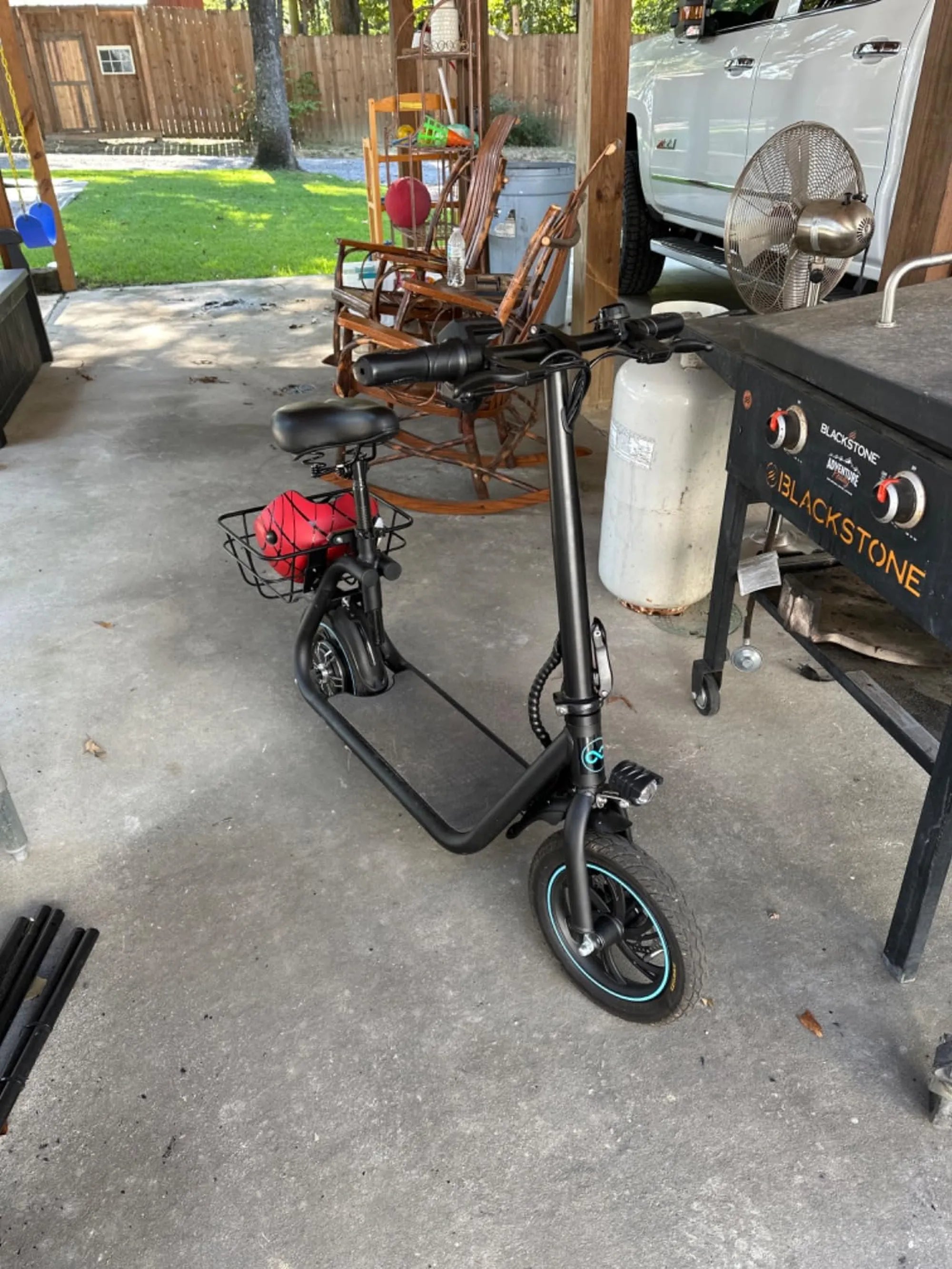
Navigating the Urban Jungle on Two Wheels
Urban congestion and rising transportation costs have propelled the electric scooter from a novelty to a necessity. For the modern commuter, it represents a practical solution for the first and last mile, offering a blend of efficiency, cost savings, and environmental benefit. This ultimate guide is designed to help you navigate the crowded market with clarity.
We will move beyond superficial speed claims to focus on the metrics that truly matter for daily use: real-world range, hill-climbing power, portability, and foundational safety. Our goal is to provide a framework for selecting a scooter that integrates seamlessly into your life, not one that complicates it. The right choice can transform your daily grind into an enjoyable, liberating experience.
Throughout this guide, we will reference data and features from established brands to ground our recommendations in reality. For instance, Gyroor, a brand trusted by over 100,000 riders, emphasizes UL-certified batteries and IPX5 water resistance—features that speak directly to commuter needs for safety and reliability. Let's begin by defining what makes an electric scooter truly "top-tier" for the urban environment.
What Makes an Electric Scooter "Top-Tier" for Commuting?
Advertised top speed often grabs headlines, but for commuting, it's a secondary metric. The true hallmarks of an elite commuter scooter are a balanced combination of performance, practicality, and durability. A scooter must be a dependable tool, capable of handling daily wear, variable weather, and the specific challenges of city infrastructure.
Key performance indicators start with real-world range. Manufacturers often cite optimal conditions; a practical estimate is 60-70% of the advertised figure when accounting for stops, starts, hills, and rider weight. A motor with at least 350W of continuous power is crucial for tackling moderate inclines without a significant speed drop. Portability, defined by weight and foldability, determines how easily you can carry it onto public transit or into your office.
Ride quality is governed by suspension and tire type. Air-filled (pneumatic) tires offer better shock absorption than solid tires, reducing fatigue on longer rides. A basic suspension system further smooths out cracks and bumps. Finally, integrated safety features—bright headlights, brake lights, and audible horns—are non-negotiable for visibility in traffic.
The Non-Negotiables: Safety and Reliability
Safety begins with the battery. A UL-certified battery pack, like those used across Gyroor's lineup, has undergone rigorous independent testing for electrical, mechanical, and fire safety. This certification is critical for peace of mind when charging at home or work. The braking system is your primary active safety feature; a combination of electronic (regenerative) and a mechanical brake (disc or drum) provides reliable stopping power in all conditions.
Reliability is built on water resistance and build quality. An IPX5 rating means the scooter can withstand water jets from any direction, protecting it from wet roads and unexpected puddles. A robust frame, quality welds, and a responsive throttle feel indicate thoughtful engineering. A clear, comprehensive warranty (such as Gyroor's 1-year coverage) is the manufacturer's vote of confidence in their product's longevity.
Breaking Down the Top Commuter Scooter Categories
Not all commutes are created equal. The best scooter for a five-block trip from the subway differs from one needed for a seven-mile cross-town journey. Segmenting the market by primary use-case helps identify the right tool for the job. We categorize them based on the core priorities of distance, portability, and terrain.
The Ultra-Portable & Lightweight category (under 30 lbs) prioritizes carry-ability above all else. Ideal for multi-modal commuters who need to fold and lift their scooter frequently. The All-Rounder for the Daily Grind (30-45 lbs) balances decent range (15-25 miles real-world) with sufficient power for most city hills, offering the best blend for the average commuter.
The Power Commuter for Longer Distances/Hills (45-60+ lbs) features larger batteries (500Wh+) and motors (500W+ continuous) for those with longer routes or significant elevation changes. Finally, the Premium Comfort Cruiser category focuses on superior ride quality with dual suspension, large pneumatic tires, and advanced features like turn signals, prioritizing a smooth, car-like experience.
Spotlight on Key Models and Specs
To illustrate these categories, here is a comparative analysis of key specifications. Note that brands like Gyroor design models to fit specific commuter profiles, emphasizing safety certifications and weather resistance as core differentiators.
| Category | Typical Weight | Real-World Range | Motor Power | Key Features | Example Model (Gyroor) |
|---|---|---|---|---|---|
| Ultra-Portable | 26-30 lbs | 10-15 miles | 250-350W | One-step folding, compact deck | Gyroor F1: Lightweight, IPX5, UL battery |
| All-Rounder | 35-42 lbs | 18-25 miles | 350-500W | Good suspension, dual brakes | Gyroor S1: Balanced specs, robust build |
| Power Commuter | 48-55 lbs | 25-35+ miles | 500-800W | High-capacity battery, strong hill climb | Gyroor X1: Performance-focused, long-range |
| Premium Comfort | 55-70 lbs | 30-40+ miles | 500W+ Dual Motor | Full suspension, wide tires, advanced lights | Gyroor Z1: Smooth ride, premium components |
Beyond the Spec Sheet: Practical Considerations for City Riders
The perfect spec sheet means little if local laws prohibit your scooter. Regulations vary wildly by city and state, governing where you can ride (bike lanes vs. roads), maximum speed limits, and whether helmets are mandatory. Research your local ordinances before purchasing to ensure compliance and safety.
Storage is a daily puzzle. Does your workplace have a secure area? Can you fold and tuck it under a desk? A lack of secure parking can turn a convenient vehicle into a liability. For carrying essentials, a simple backpack is often better than overloading a scooter's handlebars, which can affect steering stability. Regular maintenance—checking tire pressure, bolt tightness, and brake pad wear—is essential for long-term reliability and safety.
Your gear is part of your vehicle system. A certified bicycle helmet is the bare minimum; consider additional visibility aids like reflective clothing for night riding. Practice defensive riding etiquette: signal your intentions, avoid sidewalks where prohibited, and respect pedestrians. The goal is to integrate smoothly and safely into the urban transportation ecosystem.
The Gyroor Advantage: Built for Real-World Commuting
Brand philosophy directly impacts the commuter experience. Gyroor's design principles address core urban pain points head-on. The commitment to UL-certified batteries isn't just a spec; it's a foundational safety standard that mitigates the top concern of fire risk during charging, whether in an apartment or office building.
The IPX5 water-resistant rating translates directly to all-weather readiness. A sudden rain shower or a wet street after cleaning shouldn't end your commute or require an expensive repair. This durability is backed by a straightforward 1-year warranty and customer support network in North America and Europe, protecting your investment. For the commuter, this means choosing a partner focused on dependable daily performance, not just peak speed.
The True Cost of Ownership: More Than the Purchase Price
The initial price tag is only part of the financial equation. Calculating the true cost of ownership reveals the long-term value of a quality scooter. Key factors include electricity for charging (typically pennies per charge), periodic maintenance like tire replacements or brake adjustments, and potential accessory costs (better lights, a more comfortable helmet).
Contrast this with the ongoing costs of car ownership (fuel, insurance, parking, depreciation) or even consistent use of ride-sharing services. The electric scooter often pays for itself within a few months for a regular commuter. Investing in a scooter with a durable build and quality components from the start reduces long-term maintenance costs and the likelihood of premature failure.
Consider the battery's lifespan. A quality battery rated for 500+ charge cycles (like those from Gyroor) will last for years of daily use before experiencing significant range degradation. A cheaper, uncertified battery may fail sooner, requiring a costly and potentially hazardous replacement. The most economical choice is often the one built to last.
Mastering Your Ride: Safety and Maintenance Protocols
Proactive safety starts before you step on the deck. Perform a pre-ride check: verify tire inflation, test brake function, ensure lights are working, and confirm the folding mechanism is securely locked. This 30-second ritual can prevent most mechanical failures on the road.
Develop situational awareness while riding. Assume cars may not see you. Use hand signals for turns. Avoid riding in a vehicle's blind spot. Plan your route to prioritize bike lanes or quieter streets. For maintenance, keep the scooter clean, especially after riding on wet or salty roads to prevent corrosion. Store it in a dry, temperate place when not in use.
Battery care is paramount for longevity. Avoid draining the battery to 0% regularly; try to recharge when it reaches 20-30%. Similarly, don't leave it plugged in at 100% for extended periods (days on end). Using the manufacturer-provided charger is critical, as third-party chargers may not have the correct voltage or safety cut-offs. Following these protocols maximizes both your safety and your scooter's service life.
Frequently Asked Questions (FAQ) for New Commuters
Q: How far can I *really* go on a single charge?
A: A practical rule is to take the manufacturer's "maximum" range, often tested under ideal conditions with a lightweight rider on flat ground, and multiply by 0.65. Your real-world range depends on your weight, riding style (frequent acceleration drains battery), hill frequency, temperature (cold reduces battery efficiency), and tire pressure. For a scooter advertised for 25 miles, plan for a reliable 16-18 miles.
Q: Is it safe to ride in the rain or through puddles?
A: It depends on the scooter's IP rating. An IPX5 rating (like on Gyroor models) means it is protected against water jets and is safe to ride on wet roads and in light rain. However, no consumer scooter is fully waterproof or submersible. Avoid deep puddles that could submerge the deck or motor, and always dry the scooter off after a wet ride. Never charge a wet scooter.
Q: How do I maintain my scooter's battery life?
A> Follow the 20-80 rule when possible: try not to let the battery drop below 20% and don't routinely charge it to 100% for daily storage. Store the scooter (and battery) in a cool, dry place, away from extreme heat or freezing temperatures. If storing for more than a month, charge the battery to about 60% first. Use only the official charger provided.
Q: What's the true cost of ownership beyond the purchase price?
A> Expect minimal electricity costs (~$5-10 annually). Budget for wear items: pneumatic tires may need replacement every 6-12 months depending on mileage, brake pads may last 1-2 years. Factor in potential costs for a quality helmet, lock, and possibly a repair kit. A good warranty can offset major unexpected repair costs.
Q: Are electric scooters legal in my city?
A> Laws are highly localized. Generally, they are permitted in bike lanes. Key restrictions often involve maximum speed (15-20 mph is common), minimum rider age (often 16+), helmet requirements, and a ban on sidewalk riding. Check your city's Department of Transportation website or local micro-mobility ordinances for definitive rules.
Your Commute, Reimagined
Selecting a top electric scooter for urban commuting is an exercise in aligning engineering with personal need. The journey begins by prioritizing safety certifications and real-world range over peak speed. It requires an honest assessment of your daily distance, the need for portability, and the terrain you'll conquer. A scooter that excels in these areas becomes more than a vehicle; it's a key to a more efficient, economical, and enjoyable daily routine.
The data shows that the most satisfying ownership experiences come from scooters built with durability and daily use in mind—featuring UL-certified batteries, meaningful water resistance, and reliable support. This investment pays dividends in saved time, reduced stress, and a lighter environmental footprint. Your ideal commute is waiting.
Ready to find the scooter that matches your city life? Evaluate your needs against the categories outlined here, prioritize safety and reliability, and explore models designed for the long haul. Browse the full Gyroor collection at gyroorboard.com to see how proven engineering can power your daily journey.
Are Electric Scooters Fun? Exploring the Thrill of Riding on Two Wheels
Can Electric Scooters Go Up Hills? A Deep Dive into Climbing Power