



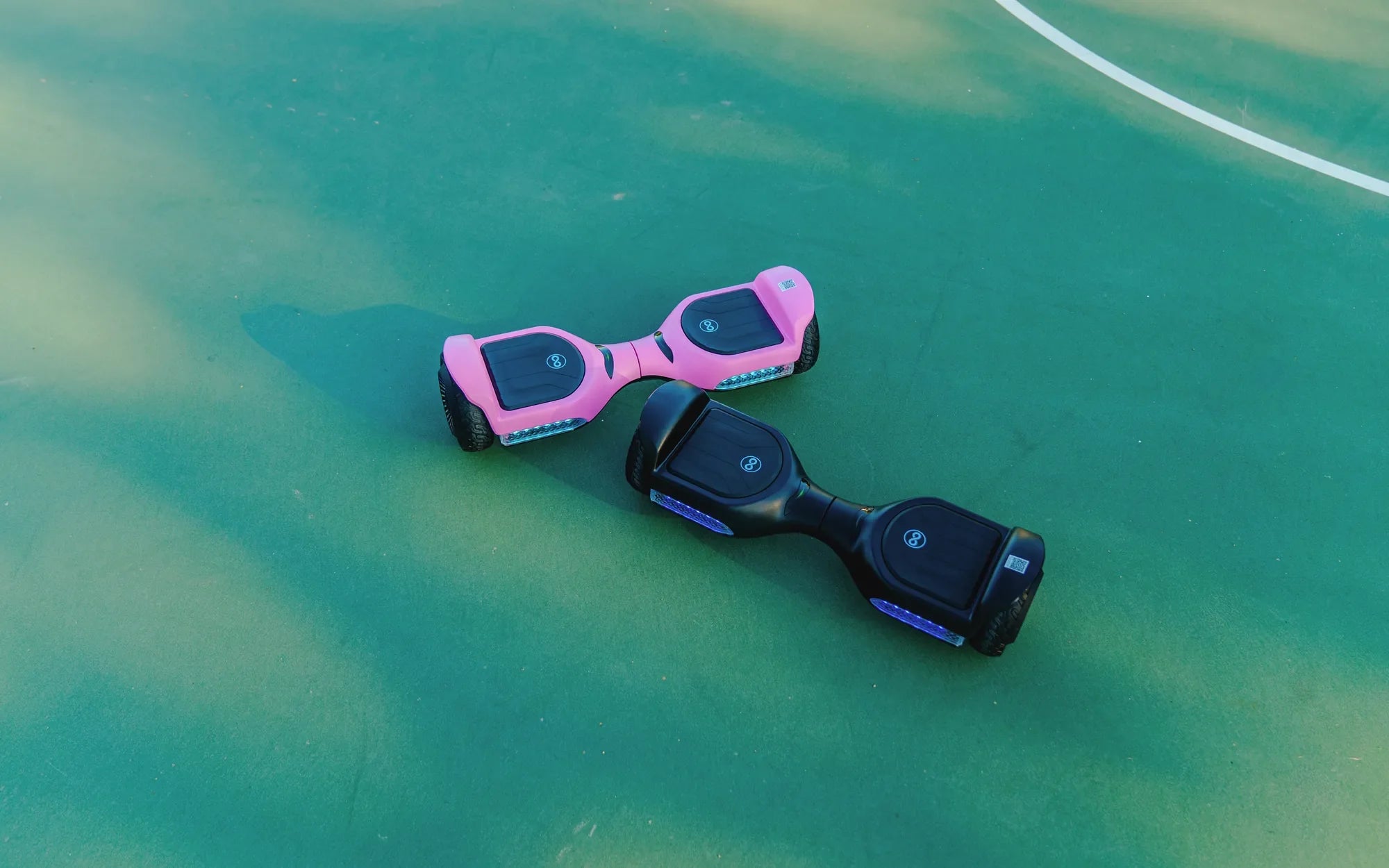
Hoverboards have taken the world by storm, offering a sleek and futuristic way to glide around. But have you ever stopped to think about what makes these self-balancing scooters tick? Beneath the sleek exterior lies a complex system of components working in harmony to deliver a smooth and responsive ride. Let’s peel back the layers and explore what’s inside a hoverboard.
The Core Components of a Hoverboard
At its heart, a hoverboard is a marvel of modern engineering. Here are the key components that make it work:
- Battery Pack: The power source, usually a lithium-ion battery, provides the energy needed to run the motors and electronics.
- Electric Motors: Two motors, one for each wheel, drive the hoverboard forward, backward, and enable turning.
- Gyroscopes and Sensors: These detect the rider’s movements and adjust the motors accordingly to maintain balance.
- Control Board: The brain of the hoverboard, it processes data from the sensors and sends commands to the motors.
- Wheels and Tires: Designed for stability and traction, they come in various sizes and materials.
- Frame and Shell: The outer casing protects the internal components while providing a stylish design.
How the Battery Powers the Hoverboard
The battery is the lifeblood of the hoverboard. Most models use lithium-ion batteries due to their high energy density and rechargeability. These batteries store enough power to keep the hoverboard running for several miles on a single charge. However, the quality of the battery is crucial—cheap or faulty batteries can overheat or even pose safety risks.
The Role of Gyroscopes and Sensors
Gyroscopes and tilt sensors are what make a hoverboard feel intuitive. They detect the rider’s weight shifts and translate them into movements. For example, leaning forward signals the motors to accelerate, while leaning back slows the hoverboard down. The sensors work in real-time, ensuring a seamless and responsive ride.
The Control Board: The Hoverboard’s Brain
Think of the control board as the hoverboard’s central nervous system. It receives data from the gyroscopes and sensors, processes it, and sends precise instructions to the motors. A well-designed control board ensures smooth acceleration, deceleration, and turning, making the ride feel natural.
Electric Motors and Wheels
Each wheel is powered by its own electric motor, allowing for independent control. This setup enables the hoverboard to turn by varying the speed of each wheel. The wheels themselves are often made of durable rubber or polyurethane, with some models featuring off-road treads for rough terrain.
Safety Features and Additional Components
Modern hoverboards include several safety features, such as:
- Overcharge Protection: Prevents the battery from overheating during charging.
- LED Lights: Improve visibility during night rides.
- Non-Slip Foot Pads: Ensure the rider maintains a firm grip.
Why Understanding the Inside Matters
Knowing what’s inside a hoverboard isn’t just for tech enthusiasts—it’s essential for making informed purchasing decisions. A well-built hoverboard with high-quality components will last longer, perform better, and be safer to use. On the other hand, cutting corners on internal parts can lead to malfunctions or even accidents.
From the battery to the gyroscopes, every component plays a vital role in creating the hoverboard experience. Next time you step onto one, you’ll appreciate the intricate technology working beneath your feet. Whether you’re a rider or just curious, understanding what’s inside a hoverboard adds a whole new layer of fascination to this modern marvel.
Hoverboard Price in Philippines: What You Need to Know Before Buying
What to Do When Your Hoverboard Won't Charge: A Complete Troubleshooting Guide