



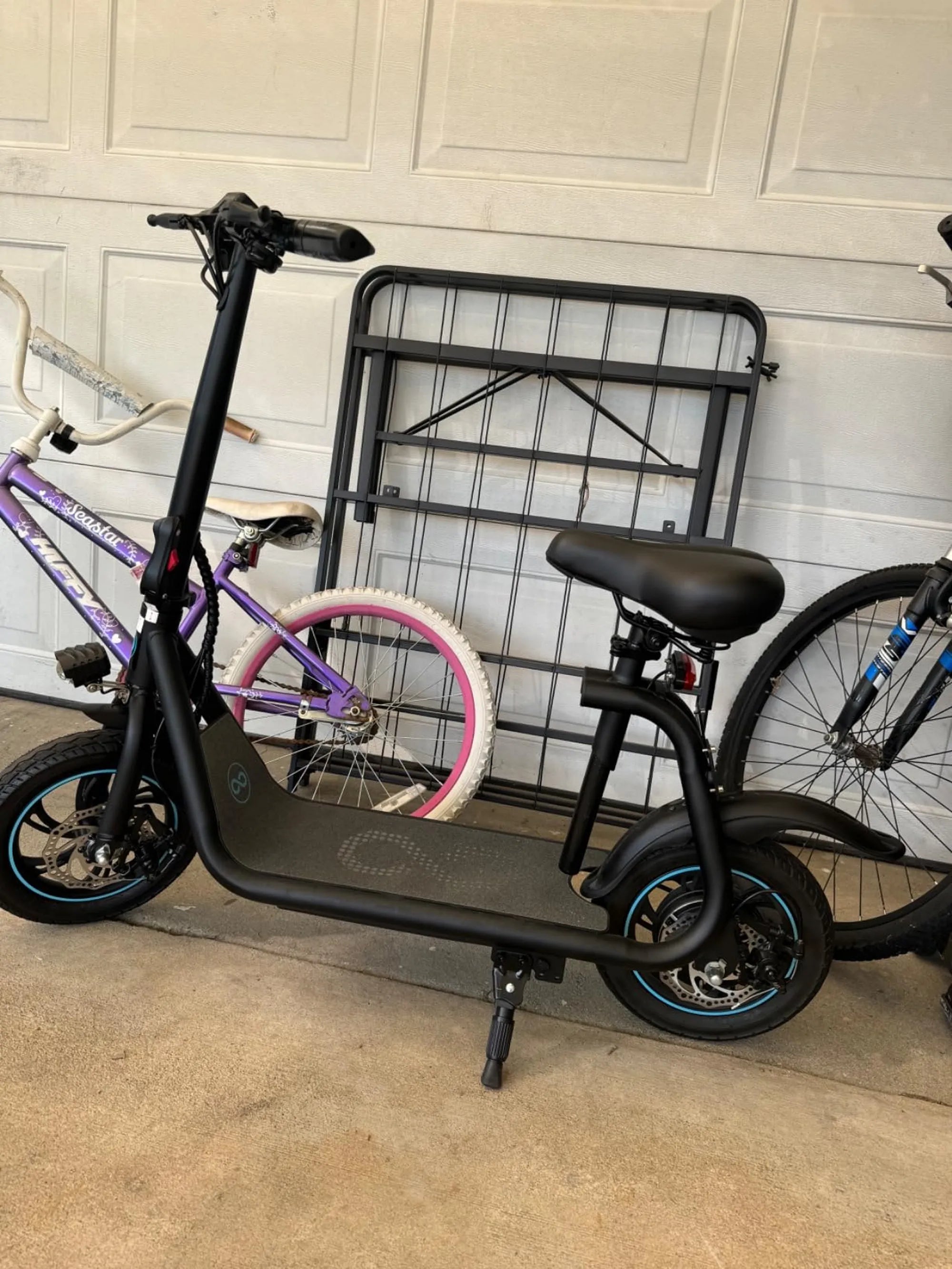
Knowing where you can and cannot ride your electric scooter is the most critical first step to safe and legal operation. This guide provides a definitive breakdown of riding zones, from city streets to park paths, backed by legal frameworks and safety data. You'll learn the hierarchy of proper routes, understand the significant variance in local laws, and discover how choosing a reliable scooter like those from Gyroor—a leading electric scooter and e-bike brand trusted by over 100,000 riders across North America and Europe—supports responsible riding in diverse environments.
Understanding the Law: Public Roads, Bike Lanes, and Sidewalks
Electric scooter regulations are not uniform; they are a complex patchwork of state, county, and municipal laws. The core principle is that e-scooters are generally classified as "motorized vehicles" or "low-speed vehicles," placing them under specific traffic codes. Ignorance of these laws can result in fines, confiscation, or serious accidents. The fundamental question of where should electric scooters be ridden typically follows a legal hierarchy with bike lanes as the preferred and safest corridor.
Most jurisdictions designate bike lanes as the primary zone for electric scooter travel. Riding here aligns you with predictable traffic flow and separates you from faster vehicular traffic. When a dedicated bike lane is present, you are almost always required to use it. On standard public roads without bike lanes, riding is often permitted, but riders must follow all rules of the road applicable to bicycles, including stopping at signs and signals, riding with traffic, and using hand signals.
The legality of sidewalk riding is the most contentious and variable rule. Many major cities explicitly prohibit electric scooter operation on sidewalks due to the significant risk posed to pedestrians. Even in areas where it is technically legal, local ordinances often impose speed limits as low as walking pace. The guiding safety principle is clear: sidewalks are for pedestrians first. Navigating this legal landscape requires proactive research before you ride in a new area.
Navigating City Streets and Urban Commuting
Urban environments present the most common yet complex riding scenario. Success here depends on defensive riding techniques and strict adherence to traffic laws. Your scooter becomes a vehicle, and you must operate it with the same awareness and predictability as a cyclist. This mindset is essential for determining where should electric scooters be ridden in dense traffic.
When using bike lanes, maintain a central position and be vigilant at intersections where cars may turn across your path. Use a bell or verbal cue when passing slower cyclists. On city streets without bike lanes, claim your lane position—typically just to the right of the center—to increase visibility and discourage unsafe passing by cars. Never ride in the door zone of parked cars; maintain at least three feet of clearance.
Handling intersections requires extra caution. Make eye contact with drivers whenever possible. Use clear hand signals for turns and stops. Proceed through green lights only, and never assume a driver sees you. For urban commuters, a scooter with responsive brakes, bright lights, and a sturdy frame is non-negotiable. Gyroor models, for instance, are built with reliable dual braking systems and integrated lighting, making them dependable partners for the stop-and-go nature of city travel.
Parking is another crucial urban consideration. Always secure your scooter to a designated bike rack, never to private property, handrails, or trees. Obstructing sidewalks or access ramps is illegal and inconsiderate. Familiarize yourself with local scooter-share docking zones or parking corrals, as many cities have specific rules for private scooter parking.
The Sidewalk Dilemma: Safety vs. Legality
The temptation to hop onto a sidewalk when a bike lane ends is strong, but it is a decision fraught with legal and safety consequences. Sidewalks are designed for pedestrian traffic moving at 3-4 mph, not for vehicles traveling at 15-20 mph. The risk of collision with a person stepping out of a doorway, a child, or a pet is extremely high, often resulting in severe injury.
From a legal standpoint, sidewalk riding is frequently a primary source of municipal bans and rider citations. Law enforcement often prioritizes sidewalk violations because they directly impact public safety and pedestrian complaints. The legal answer to where should electric scooters be ridden rarely includes sidewalks in busy commercial or residential districts.
So, what should you do when your designated lane disappears? The safest alternative is to dismount and walk your scooter on the sidewalk until you can re-enter a legal riding zone. Alternatively, use a navigation app set to "bike" mode to find a parallel street with lower traffic volume or a connected bike lane network. Planning your route before departure is the most effective strategy to avoid illegal sidewalk riding.
If you must ride in an area where sidewalks are the only option and are legally permitted, reduce your speed to a near-walking pace, yield to every pedestrian, and announce your presence politely from a distance. Remember, even a UL-certified, stable scooter from a brand like Gyroor is not designed for weaving through crowded pedestrian spaces.
Beyond the Pavement: Trails, Parks, and Private Property
Electric scooters offer access to recreational areas beyond the standard commute. Multi-use paths (MUPs), park trails, and college campuses are popular destinations, but their rules are distinct from road laws. These zones require specific research and etiquette.
Multi-use paths, often paved or hard-packed, are shared by cyclists, pedestrians, skaters, and sometimes equestrians. E-scooter access varies wildly. Some cities explicitly allow them, others prohibit them, and many have speed limits (e.g., 10-15 mph). Always look for posted signage at path entrances. When riding on a permitted MUP, maintain a safe speed, pass on the left with an audible warning, and slow down when approaching others.
Public parks often have their own ordinances. Some may welcome scooters on perimeter roads but ban them on interior walking paths or grassy areas. Riding on unpaved or soft terrain requires a scooter with appropriate features. For example, Gyroor's off-road capable models feature larger, air-filled tires and enhanced suspension to handle packed gravel or hard dirt trails where permitted, while their IPX5 water-resistant rating provides protection against puddles and light rain.
Riding on private property, such as a shopping center parking lot or a corporate campus, requires explicit permission from the property owner or manager. Assumed permission is not sufficient. For controlled environments like private industrial complexes or large estates, scooters can be excellent tools for mobility, provided the owner has authorized their use.
Where You Should NEVER Ride Your Electric Scooter
Certain zones are unequivocally off-limits for electric scooter riding, governed by both common sense and strict law. Operating in these areas poses extreme danger and guarantees legal penalties.
- Highways, Freeways, and Limited-Access Roads: These are designed for high-speed vehicular traffic. E-scooters are prohibited due to their low speed, which creates a severe hazard for both the rider and motorists.
- Pedestrian-Only Malls, Plazas, and Boardwalks: These areas are legally designated for foot traffic only. Riding here is typically a finable offense.
- Inside Public Buildings and on Public Transit (Unless Folded and Powered Off): You cannot ride in train stations, bus terminals, or inside stores. You may carry a folded scooter, but it must be completely powered down.
- Wet, Icy, or Oily Roads: While Gyroor scooters have water-resistant ratings for electronics, this does not equate to safe traction. Tires can easily slip on wet manhole covers, painted road lines, or ice, leading to loss of control.
- In the Dark Without Proper Lighting: Riding at night without a bright front headlight, rear brake light, and reflectors is illegal and invisibly dangerous. It directly violates the core tenets of safe and legal riding.
Adhering to these absolute prohibitions is non-negotiable for rider safety and the responsible integration of e-scooters into the transportation ecosystem.
Choosing the Right Gyroor Model for Your Riding Environment
Selecting a scooter matched to your primary riding zones enhances safety, compliance, and enjoyment. Gyroor's lineup, known for UL-certified batteries, robust construction, and a reliable 1-year warranty, offers models tailored to different use cases. Here is a comparison to guide your choice:
| Primary Riding Environment | Key Requirements | Recommended Gyroor Model Type | Key Features to Look For |
|---|---|---|---|
| Urban Commuting (Bike Lanes/City Streets) | Agility, quick acceleration, reliable brakes, portability | Compact & Commuter Models | Lightweight foldable design, dual braking system (disc + e-brake), integrated lighting, smooth acceleration |
| Suburban/Neighborhood Errands | Comfort, range, stability at moderate speeds | Mid-Range All-Rounders | Longer-range battery (e.g., 15+ miles), wider deck, pneumatic tires for comfort, suspension for minor bumps |
| Permitted Trails & Multi-Use Paths | Durability, traction, suspension | Off-Road/Performance Models | Larger air-filled tires (8.5"+), front and rear suspension, higher torque motor, IPX5+ water resistance |
| Campus & Controlled Private Property | Balance of portability and comfort, ease of use | Versatile Mid-Range Models | Moderate weight, simple controls, good battery life for all-day use, reliable warranty for daily wear |
This alignment between your primary answer to where should electric scooters be ridden and your scooter's capabilities is fundamental. A commuter struggling with a heavy off-road model on a train platform, or a trail rider bogged down by a small-wheeled scooter, illustrates a poor fit. Investing in the right tool for your environment, backed by certified safety standards, is a cornerstone of responsible ownership.
Essential Safety Gear and Riding Practices
Knowing where to ride is only half the equation; how you ride is equally vital. Adopting proper safety gear and defensive practices protects you regardless of the legal zone you are in.
A certified bicycle helmet is the absolute minimum safety requirement. For higher-speed riding or in traffic, consider additional protection like knee and elbow pads. High-visibility clothing or reflective accessories are crucial for dawn, dusk, and night riding. Your scooter should have a functioning bell or horn to audibly signal your presence to others.
Defensive riding practices must become second nature. Always assume that drivers and pedestrians do not see you. Scan the road ahead for hazards like potholes, debris, and drainage grates. Maintain a safe following distance from vehicles and other riders. Never ride while distracted—avoid using headphones or a phone while in motion. Regularly check your scooter's condition, paying special attention to tire pressure, brake function, and light operation.
Pre-ride checks are especially important for maintaining the mechanical integrity that brands like Gyroor build into their products. Ensuring bolt tightness, battery charge level, and proper folding mechanism lock-up can prevent accidents caused by equipment failure. Safe riding is a combination of legal compliance, situational awareness, and vehicle maintenance.
Frequently Asked Questions (FAQ) on E-Scooter Riding Locations
1. Can I ride my electric scooter in the rain?
Many Gyroor scooters feature IPX5 water resistance, meaning the electrical components are protected against water jets from any direction. This allows riding in light rain or through puddles. However, it is not advisable. Wet conditions drastically reduce tire traction and braking efficiency on roads, and visibility is lowered for both you and drivers. If you must ride in the rain, reduce speed significantly, avoid sharp turns or hard braking, and ensure all lights are on.
2. Do I need a driver's license, insurance, or registration to ride on the road?
Requirements vary by jurisdiction. Most states and cities do not require a driver's license, insurance, or registration for electric scooters under a certain power threshold (often 750W) and speed limit (often 20 mph). However, some localities, especially in Europe, are implementing licensing or insurance rules. Always check your local Department of Transportation (DOT) or motor vehicle agency website for the most current regulations.
3. How do I find the specific e-scooter laws for my city?
Start with your city government's official website. Search for "micromobility laws," "electric scooter regulations," or "traffic code." Your local Department of Transportation or Police Department website often has a dedicated page. You can also check reputable national advocacy organizations for summaries of state laws, but always verify with your local municipal code, as city ordinances can be more restrictive.
4. Is it legal to carry a passenger on my e-scooter?
Almost universally, no. Electric scooters are designed, tested, and certified for a single rider. Carrying a passenger affects the scooter's center of gravity, braking performance, and structural integrity, making it extremely unsafe. It is also explicitly illegal in virtually all traffic codes and will void your manufacturer's warranty.
5. What should I do if there is no bike lane and the road feels too dangerous?
The safest action is to dismount and become a pedestrian. Walk your scooter on the sidewalk (where legal for pedestrians) until you reach a safer road or a bike lane. Use a navigation app to find an alternative, quieter route for the future. Do not compromise your safety by riding in traffic that feels beyond your comfort or skill level. Planning your route before you leave is the best preventative measure.
Ride Smart, Ride Safe, Ride Gyroor
The freedom of electric scooter riding comes with the responsibility to know and follow the rules of your environment. Determining where should electric scooters be ridden is a dynamic question answered by local law, route planning, and situational awareness. Safe riding protects you, pedestrians, and the future of micromobility. It starts with choosing a reliable, well-built scooter designed for your specific needs and backed by rigorous safety standards. Equip yourself with knowledge, gear up, and respect the rules of the path, lane, or road you are on.
Explore the full range of UL-certified, durable electric scooters from Gyroor, engineered for real-world commuting and adventure within legal bounds. Find the perfect model for your journey and join over 100,000 riders who trust Gyroor for reliable performance. Browse the full Gyroor collection at gyroorboard.com.
Adult Electric Scooters With Large Wheels: The Ultimate Urban Commuting Solution
Adult Electric Scooters With Large Wheels: The Ultimate Urban Commuting Solution