

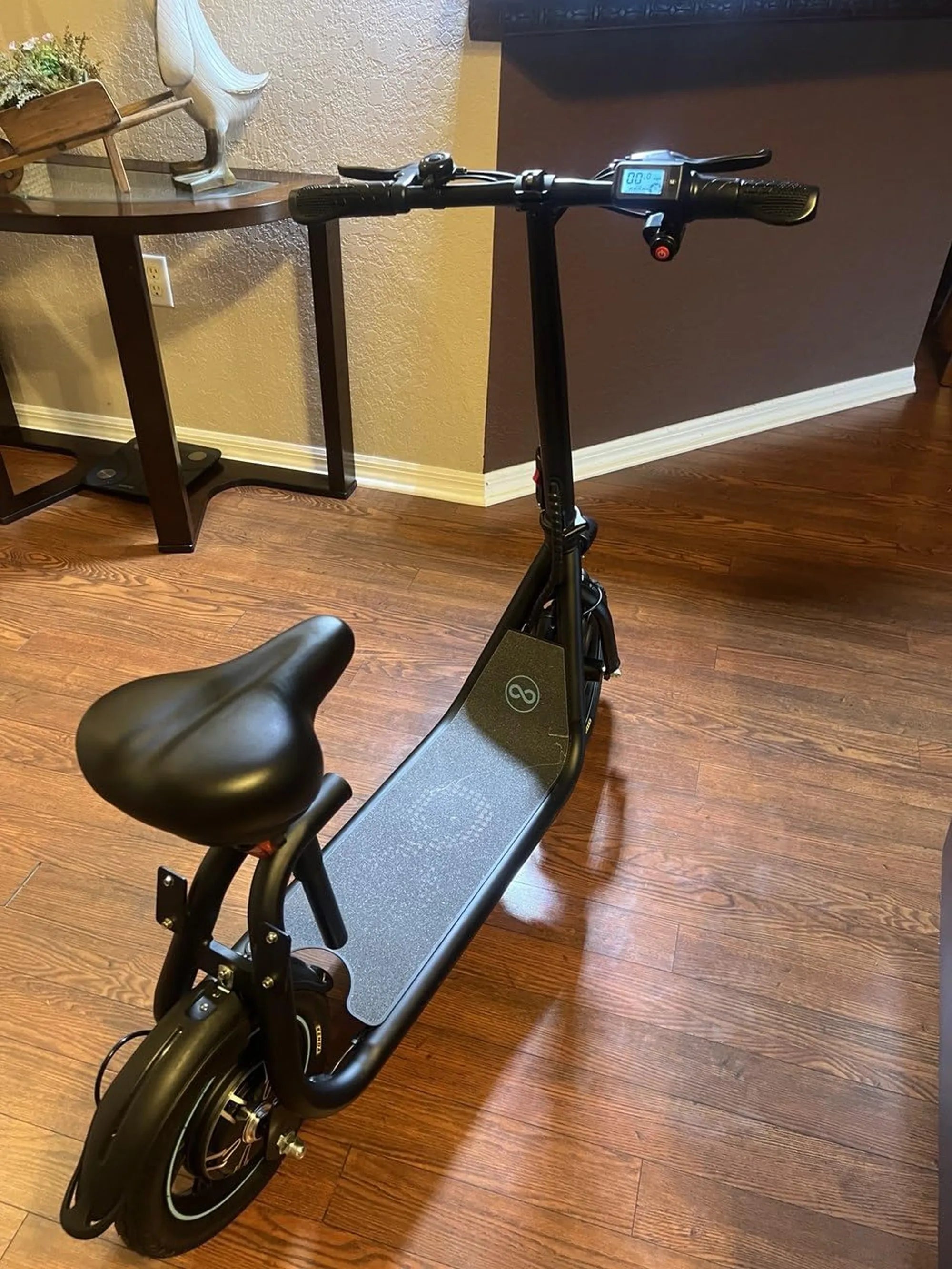
Searching for a 100 dollar e bike leads to a landscape of too-good-to-be-true ads and questionable promises. This article cuts through the noise. You will learn the harsh reality of ultra-low-cost electric bikes, identify the critical safety features you cannot compromise on, and discover practical, safer pathways to affordable electric mobility. The core truth is that a functional, safe new e-bike has a fundamental cost floor far above $100, primarily due to the essential battery and motor systems.
The Reality of the $100 E-Bike Market
The advertised 100 dollar e bike is almost always a marketing illusion. These listings typically fall into three categories: misleading clickbait ads that lead to higher-priced items, used or 'refurbished' units with significant wear, or new imports of dangerously substandard quality. The production cost of a safe, reliable lithium-ion battery pack alone exceeds this price point, making any new bike at this cost a major red flag.
Understanding this market requires recognizing the bait-and-switch tactics. You may see an ad for a $100 e bike, but upon clicking, discover the price is for a deposit, a non-electric version, or a completely different product. This strategy preys on budget-conscious shoppers seeking a seemingly impossible deal. The goal is to capture attention, not to sell a viable product.
For the few genuinely new e-bikes offered near this price, extreme and dangerous corner-cutting is inevitable. Manufacturers achieve this cost by using the cheapest possible materials, uncertified and hazardous electronic components, and skipping essential safety testing. The result is a product that may function briefly but poses significant risks to the rider and property.
This initial price tag is a mirage. The true expense—financial, physical, and practical—reveals itself quickly after purchase. Riders must shift their perspective from finding the cheapest possible option to finding the best value that prioritizes essential safety and durability, a principle that guides reputable brands like Gyroor in their engineering.
What You're Actually Getting for $100: The Compromises
A new e-bike sold for around $100 necessitates severe compromises in every critical component. The motor will be extremely low-powered, often below 250 watts, struggling with slight inclines and offering minimal pedal assistance. The build quality involves thin-gauge steel frames with poor welding, leading to a heavy, unstable, and potentially fragile ride.
The most alarming compromise is in the battery and electrical system. To hit this price, manufacturers often use outdated lead-acid or uncertified lithium-ion cells. Lead-acid batteries are exceptionally heavy, have a very short lifespan (around 200 cycles), and offer poor range. Uncertified lithium packs are a fire hazard, lacking the protective circuitry that prevents overheating, overcharging, and thermal runaway.
Braking and safety systems are equally inadequate. You will typically find basic caliper or coaster brakes, which are insufficient for stopping the added weight and speed of an e-bike, especially in wet conditions. Lighting, reflectors, and wiring are afterthoughts, often failing quickly. There is no meaningful waterproofing (IP rating), leaving electronics vulnerable to the slightest rain.
Finally, support is non-existent. A 100 dollar e bike comes with no legitimate warranty or accessible customer service. If it arrives damaged or fails immediately, you are likely left with a useless heap of metal and electronics. This contrasts starkly with the standard one-year comprehensive warranty and support network offered by established brands.
The True Cost of Ownership: Hidden Expenses and Risks
The low initial purchase price of a $100 e bike is quickly overshadowed by hidden costs. The first is immediate replacement. Critical parts like the battery, charger, or controller may fail within weeks or even days, requiring out-of-pocket replacements that cost more than the bike itself. Finding compatible, safe parts for a no-name bike is a significant challenge.
Ongoing maintenance costs are high. The poor-quality components wear out rapidly. Tires, tubes, brakes, and chains made from substandard materials need frequent replacement. Without a local bike shop willing to work on an unsafe, uncertified product, you become your own mechanic, investing time and money in tools and trial-and-error repairs.
The most severe cost is risk. An uncertified battery is a potential fire hazard when charging or in use. Poorly insulated wiring can short-circuit. Inadequate brakes can lead to collisions. A failing frame or fork can cause a catastrophic accident. The financial and personal costs of injury or property damage far outweigh any initial savings.
Consider the total cost of ownership over one year. A $100 bike that needs a $150 battery in month two, $80 in brake repairs, and then fails completely represents a net loss. Investing in a reliable e-bike from a brand with UL-certified batteries and a solid warranty, like Gyroor, eliminates these unpredictable costs and provides peace of mind.
Key Features That Define a Reliable E-Bike (And Their Real Cost)
A safe, functional e-bike is built around several non-negotiable components, each contributing to a base manufacturing cost. The heart of the system is the battery and motor. A quality, UL-certified lithium-ion battery pack with reputable cells and a Battery Management System (BMS) is essential for safety and performance. This component alone represents a significant portion of an e-bike's cost.
The motor must provide adequate power for your terrain. A reliable 350W-500W hub motor, paired with a properly tuned controller, ensures you can handle hills and maintain speed without overheating. The frame must be a durable aluminum alloy with robust welding and proper geometry for stable handling. These foundational elements cannot be sourced safely for a 100 dollar e bike total budget.
Safety systems are critical. Front and rear disc brakes provide consistent, powerful stopping power in all weather conditions. Integrated lighting (headlight and brake light) is vital for visibility. A degree of water resistance (at least IPX5) protects the electronics from rain and splashes. These are standard on reputable models but absent on ultra-cheap ones.
The value of warranty and support is immense. A one-year warranty on the frame, motor, and battery signals manufacturer confidence. Accessible customer service and a network of service centers or detailed troubleshooting guides are part of the product's value. This ecosystem of support ensures your investment is protected, a stark contrast to the dead-end purchase of a no-name bike.
Smart and Safe Alternatives to the $100 E-Bike
For budget-conscious riders, safer and smarter alternatives exist that don't compromise core safety. The first is purchasing a refurbished or used e-bike from a reputable brand. Look for sellers who can verify battery health (cycle count), provide the original proof of purchase, and confirm the transferability of any remaining warranty. This can offer a 30-50% discount on a proven, safe model.
E-bike conversion kits present another option. These kits allow you to electrify an existing quality bicycle. However, a reliable hub motor kit with a UL-certified battery and controller typically starts between $300 and $600. While exceeding the $100 e bike fantasy, it leverages your existing frame and can be a cost-effective path to a customized ride, though it requires technical skill.
If your budget is strict, prioritize key features in a new purchase. Never compromise on a certified battery. It's better to buy a lower-powered motor from a reputable brand with a UL-certified battery than a more powerful bike with a hazardous one. Look for entry-level models from trusted companies that focus on these core safety components.
Finally, explore financing options. Many reputable e-bike brands, including Gyroor, offer payment plans that break the cost into manageable monthly installments. This makes a safe, durable e-bike with a UL-certified battery and a one-year warranty accessible without the need for a large upfront payment, representing a far wiser financial decision than a risky cash purchase of a disposable bike.
Comparison: Ultra-Budget vs. Entry-Level Quality
The table below illustrates the stark differences between a typical ultra-low-cost offering and the baseline for a safe, entry-level e-bike from a reputable manufacturer.
| Feature | Typical "$100" E-Bike | Reputable Entry-Level E-Bike (e.g., Gyroor) |
|---|---|---|
| Battery | Uncertified Li-ion or Lead-Acid; High fire risk; 80-150 cycles | UL-Certified Lithium-ion; Built-in BMS; 500+ charge cycles |
| Motor | <250W; Unbranded; Prone to overheating | 350W+; Reliable brand; Efficient heat dissipation |
| Frame | Heavy steel; Poor weld quality | Lightweight aluminum alloy; Robust welding |
| Brakes | Basic caliper or coaster brakes | Front and rear disc brakes |
| Water Resistance | None specified; Open wiring | IPX5 rating for electronics |
| Warranty & Support | None or 30 days limited; No service network | 1-year comprehensive; Customer service & guides |
| Total Cost of 1st Year | $100 + $200+ in repairs/replacements = $300+ | $600-$800; Minimal unexpected costs |
FAQ: Navigating the Budget E-Bike Market
Are Walmart or Amazon $100 e-bikes safe?
Extreme caution is advised. While major retailers may carry some low-cost models, safety is not guaranteed by the platform. You must investigate the specific brand and model. Check for UL 2849 certification (the e-bike system standard) or at least UL 2271 for the battery. Most e-bikes at this price point lack these critical certifications, posing fire and operational risks. Always prioritize the product's certifications over the seller's name.
Can I just replace the battery on a cheap e-bike later?
This is often impractical and uneconomical. Cheap e-bikes use proprietary connectors and controllers. Sourcing a compatible, high-quality UL-certified replacement battery is difficult and expensive—often costing $150-$300. That investment into a poor-quality frame and motor is unwise. The cost of a safe battery frequently exceeds the original price of a 100 dollar e bike, highlighting the false economy.
What is the absolute minimum for a new, safe e-bike?
For a new e-bike from a reputable brand that includes a UL-certified battery, a reliable motor, disc brakes, and a basic warranty, the realistic entry point is between $500 and $800. This price reflects the true cost of safe components and responsible manufacturing. Brands operating in this range have built a reputation by selling to over 100,000 riders who value safety and reliability.
Are e-bike conversion kits a cheaper safe option?
They can be cost-effective but are rarely cheap. A quality conversion kit with a UL-certified battery, a reliable motor, and a good controller starts around $300-$400. You must also have a solid, well-maintained bicycle to convert. The total investment ($400 + value of your bike) is higher than a $100 e bike but results in a safer, more customizable vehicle. It requires mechanical and electrical aptitude for installation.
How can I verify an e-bike's safety certifications?
Look for explicit certification marks and numbers in the product description or on the manufacturer's website. For the battery, look for "UL 2271" or "UL 2849." Do not accept vague claims like "UL-certified components"—demand the specific standard for the drive train system. Reputable brands like Gyroor prominently display these certifications as a core feature of their products, ensuring transparency and trust.
Investing in Your Ride and Safety
The pursuit of a 100 dollar e bike is a pursuit of significant risk. The compromises required to meet that price directly undermine safety, durability, and performance. Electric bicycles are complex machines that combine electrical systems with mechanical stress, and their core components have a real, non-negotiable cost. Viewing an e-bike as a long-term investment in personal transportation, rather than a disposable gadget, is crucial for both your wallet and well-being.
True value lies in reliability and peace of mind. A slightly higher initial investment in a bike from a trusted brand with certified safety features saves money on repairs, avoids hazard, and provides a consistently enjoyable riding experience. The thousands of riders who choose brands known for rigorous standards do so to ensure their commute or recreation is not marred by preventable failures or dangers.
Your safety on the road is paramount. It depends on brakes that stop consistently, a frame that won't fail, and a battery that won't catch fire. These are not premium features; they are the baseline for a responsible manufacturer. Choosing a product that meets this baseline is the most important financial and personal decision you can make as a new e-bike rider.
Ready to explore reliable electric mobility built with certified safety? Browse the full Gyroor collection of UL-certified e-bikes and scooters, trusted by over 100,000 riders, at gyroorboard.com. Discover models designed for real-world use, backed by a one-year warranty and engineered for the journey ahead.
Moped Scooter Brands: Your Guide to Safety, Performance, and Value
What Type of Helmet for E-Bike? The Complete Safety Guide