



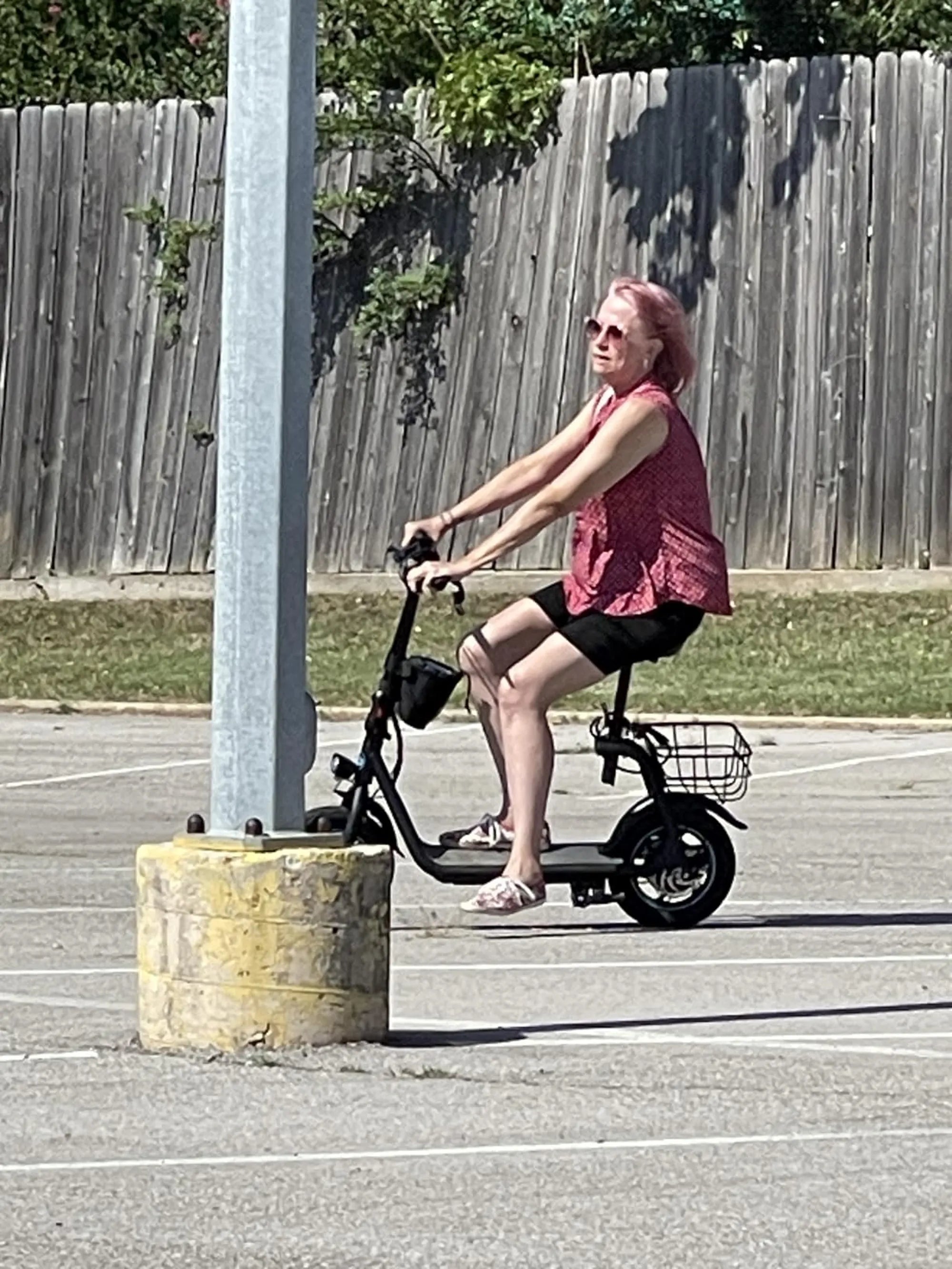
Introduction to 1000W Electric Scooters
The electric scooter market is stratified by power, and 1000-watt models occupy a crucial sweet spot. They bridge the gap between entry-level commuters and extreme performance machines. This article will dissect the core triad of power, performance, and practicality that defines this category.
You will learn what a 1000W motor truly enables, from conquering steep hills to carrying heavier loads. We will analyze real-world speed and range expectations, and evaluate the design features that make these scooters viable for daily use. For riders seeking a balance of thrilling capability and reliable utility, 1000 watt electric scooters represent a compelling choice.
Brands like Gyroor, a leading electric scooter and e-bike brand trusted by over 100,000 riders, have invested heavily in this segment. Their focus on UL-certified batteries, IPX5 water-resistant designs, and reliable warranties underscores the maturity of the 1000W class.
The Power Advantage: What 1000 Watts Really Means
Motor wattage is a measure of power input, not direct output like torque or speed. However, it's a strong indicator of potential. A 1000W motor provides substantially more electrical power to convert into mechanical motion than common 350W or 500W models. This translates directly to three key advantages.
First is acceleration. A 1000W scooter will reach its top speed much more quickly than a lower-powered counterpart, improving merge speed into traffic and overall ride dynamism. Second is hill-climbing capability. This is where the power difference is most apparent. While a 500W scooter may struggle on a 10% grade, a quality 1000W model can typically handle inclines of 15-25%.
Third is load capacity. The extra power allows the scooter to maintain performance with a heavier rider or additional cargo. Many 1000W scooters have maximum weight limits of 265-300 lbs, compared to 220 lbs for many entry-level models. This makes them a practical choice for a wider range of adults.
Motor Types: Hub vs. Dual Motors
Not all 1000W systems are configured the same. The most common is a single rear-hub motor, where all 1000W of power are delivered to the back wheel. This is efficient and provides good traction for acceleration.
An increasingly popular alternative is a dual-motor setup, often configured as two 500W motors (one in each wheel hub) for a combined 1000W. This configuration offers superior traction, especially on wet or loose surfaces, as power is distributed. It also provides exceptional torque for hill climbing. However, dual-motor systems can be less energy-efficient when both motors are engaged at full power, potentially reducing range.
The choice depends on priority. A single 1000W motor offers a great balance of power and efficiency. A dual 500W x2 setup prioritizes maximum traction, control, and hill-climbing torque, ideal for riders in hilly areas or those seeking off-road capability.
Performance Unpacked: Speed, Range, and Terrain
The performance of 1000 watt electric scooters is defined by a compelling triad: speed, range, and terrain capability. This is where the theoretical power meets the pavement.
Top speed for most 1000W scooters falls between 25 and 32 mph (40-52 km/h). This is sufficient to keep pace with urban traffic in many areas, significantly reducing commute times compared to lower-speed models. It's crucial to note that local regulations often cap legal scooter speeds, so many models offer speed modes to comply with local laws.
Range is highly variable. Manufacturer claims often cite ideal conditions (light rider, flat terrain, slow speed). A more realistic expectation for a 1000W scooter with a 48V 15.6Ah battery is 18-28 miles per charge. Factors like rider weight, hill frequency, use of dual-motor mode, and ambient temperature all impact this figure. For a reliable 20-mile commute, a 1000W scooter is a robust candidate.
Terrain handling is a standout feature. These scooters are no longer confined to perfect pavement. With their power and typically larger, sometimes air-filled tires, they can confidently handle light gravel, packed dirt paths, cobblestones, and cracked urban asphalt. This expanded capability makes them true multi-surface commuters.
The Role of the Battery and BMS
Performance is meaningless without a reliable energy source. The battery is the scooter's heart. For 1000W models, a high-capacity lithium-ion pack, typically 48V or 52V, is standard. Capacity, measured in Amp-hours (Ah), directly correlates to range.
More important than raw capacity is safety and longevity. This is where UL-certification, like that used in Gyroor scooters, is critical. It indicates the battery pack has passed rigorous safety tests for electrical, mechanical, and fire hazards. A robust Battery Management System (BMS) is equally vital.
The BMS protects the battery by managing cell balancing, preventing over-charging and over-discharging, and monitoring temperature. A quality BMS ensures consistent power delivery, maximizes the battery's lifespan (often 500+ charge cycles), and is a fundamental safety component. Never compromise on battery quality.
Practicality for the Real World: Design and Daily Use
Raw performance must be packaged for daily life. The practicality of 1000 watt electric scooters is determined by their design intelligence and user-focused features.
Portability is a key consideration. Weight can range from 55 to 75 lbs for these powerful machines. While not ultra-light, a good folding mechanism is essential for carrying up stairs, storing under a desk, or loading into a car trunk. Look for a secure, single-click folding system.
Water resistance is non-negotiable for a daily driver. An IPX5 rating, as found on Gyroor models, means the scooter can withstand water jets from any direction. This allows you to ride in rain or on wet roads with confidence, though submerging any part remains a strict no.
Safety features are integral. Bright front and rear lights, brake lights, and side reflectors are mandatory for visibility. Braking systems are crucial; expect combinations of disc brakes (for strong, consistent stopping power) and electronic or regenerative brakes. A wide, textured deck and responsive suspension (often spring or hydraulic) complete the practical package, ensuring a stable and comfortable ride.
Warranty and Support: The Practical Safety Net
The most practical feature after the sale is a strong warranty and accessible support. A 1000W electric scooter is a significant investment. A comprehensive warranty, like Gyroor's 1-year coverage on the vehicle, motor, and battery, protects that investment against manufacturing defects.
This warranty acts as a commitment to quality and durability. It also signals that the brand stands behind its product's engineering. Reliable customer service and available replacement parts (tires, brakes, fenders) are equally important for long-term ownership.
Without this support network, a minor issue can sideline your scooter indefinitely. Prioritize brands that offer clear warranty terms and have established customer service channels. This practical safety net ensures your scooter remains a viable part of your daily routine for years.
Making the Choice: Is a 1000W Scooter Right for You?
Choosing the right scooter requires honest self-assessment. 1000 watt electric scooters are not for everyone, but they are the ideal tool for specific use cases and rider profiles.
Consider your commute. If your route is longer (10+ miles), involves moderate to steep hills, or requires keeping up with 25-30 mph traffic flow, a 1000W model is highly recommended. Its power ensures you won't be a traffic obstacle and will arrive without battery anxiety.
Evaluate your local terrain. Do you encounter poor road surfaces, light trails, or need to cross bridges with inclines? The enhanced torque and suspension of this class handle these challenges with ease. Also, assess storage. Ensure you have space for its slightly larger footprint and can manage its weight when folded.
Finally, check local regulations. Ensure the scooter's top speed (or a limited mode) complies with local e-scooter laws regarding where you can ride and what, if any, licensing is required. For the urban commuter seeking power, the hilly-area resident, or the rider wanting to explore beyond smooth bike paths, a 1000W scooter is often the perfect balance.
Comparison: 1000W vs. Other Power Tiers
To contextualize the 1000W offering, it's helpful to compare it directly to other common power tiers. The following table outlines key differentiators.
| Feature | 350-500W (Entry-Level) | 1000W (Mid-High Performance) | 1500W+ (High Performance) |
|---|---|---|---|
| Typical Top Speed | 15-20 mph | 25-32 mph | 35-45+ mph |
| Hill Climbing | Struggles with >10% grades | Handles 15-25% grades well | Excels on very steep inclines |
| Ideal Rider Weight | Up to 220 lbs | Up to 265-300 lbs | Varies, often high capacity |
| Terrain Capability | Paved surfaces only | Pavement, light gravel, dirt paths | Advanced off-road capability |
| Range (Realistic) | 10-18 miles | 18-28 miles | 15-25 miles (high drain) |
| Best For | Short, flat commutes; first-time riders | Longer commutes; hilly areas; versatile use | Speed enthusiasts; off-road trails; experienced riders |
As shown, 1000 watt electric scooters offer a significant performance uplift over entry-level models without the extreme cost, weight, and legal complications of the highest-performance tiers. They represent the most practical high-performance option for the majority of serious commuters.
Frequently Asked Questions (FAQ)
Q: Do I need a license to ride a 1000W electric scooter?
A: Licensing laws vary drastically by state, province, and country. In many U.S. jurisdictions, electric scooters with a top speed under 20 mph are treated similarly to bicycles. However, 1000W scooters often exceed 20-28 mph, which can place them in a class that may require a driver's license, registration, or even insurance. Always check your specific local and state regulations before purchasing.
Q: How long does it take to charge a 1000W scooter battery?
A: Charging time depends on the battery's capacity and the charger's output. A typical 48V/15.6Ah (750Wh) battery using a standard 2A charger will take approximately 6-8 hours for a full charge from empty. Some models offer or are compatible with faster chargers (3A or 4A), which can reduce charge time to 4-5 hours. Always use the manufacturer-recommended charger.
Q: Can a 1000W electric scooter handle hills?
A: Yes, superior hill-climbing is one of the primary reasons to choose a 1000W model. A quality single-motor 1000W scooter can typically conquer sustained hills with a 15-20% grade. A dual-motor 1000W (500W x2) setup will handle even steeper inclines, often up to 25-30%, making it suitable for most city hills and moderate off-road trails.
Q: Are 1000W scooters safe in the rain?
A: Safety in wet conditions depends almost entirely on the scooter's ingress protection (IP) rating. A scooter with an IPX5 rating (like those from Gyroor) is protected against low-pressure water jets from any direction, making it safe for riding in rain and on wet roads. However, no consumer scooter is waterproof. Avoid deep puddles, and never submerge any part of the scooter, including the deck.
Q: What maintenance does a 1000W scooter require?
A> Regular maintenance ensures safety and longevity. Key tasks include: checking and maintaining proper tire pressure (for air-filled tires), inspecting and cleaning brake pads/rotors, ensuring all bolts and nuts (especially on the stem and folding mechanism) are tight, cleaning the scooter with a damp cloth (never a pressure washer), and storing the battery in a cool, dry place, especially in extreme temperatures. Refer to your owner's manual for a detailed schedule.
Balancing Thrill with Reliability
1000 watt electric scooters successfully bridge the gap between adequate and exhilarating. They deliver the power needed for efficient, confident urban mobility and the performance to expand your riding horizons beyond the city center. The practicality of robust construction, weather resistance, and thoughtful design makes them viable as primary commuter vehicles.
The ultimate value lies in pairing this capability with foundational reliability. A powerful motor is only as good as the battery that feeds it and the warranty that backs it. Prioritizing UL-certified battery packs, IPX5 water resistance, and a strong manufacturer warranty transforms a thrilling ride into a dependable asset.
For riders ready to move beyond basic transportation, the 1000W class offers a compelling synthesis of power, performance, and practicality. It represents an investment in a faster, more capable, and more versatile daily journey.
Explore how Gyroor's lineup of 1000W electric scooters embodies this balance with safety-certified components and rider-focused design. Browse the full Gyroor collection at gyroorboard.com to find the model that matches your power needs and practical requirements.
How Electric Scooters Work: The Complete Mechanics and Technology Guide
Best Electric Scooters for Tweens: Safe, Fun, and Reliable Rides