

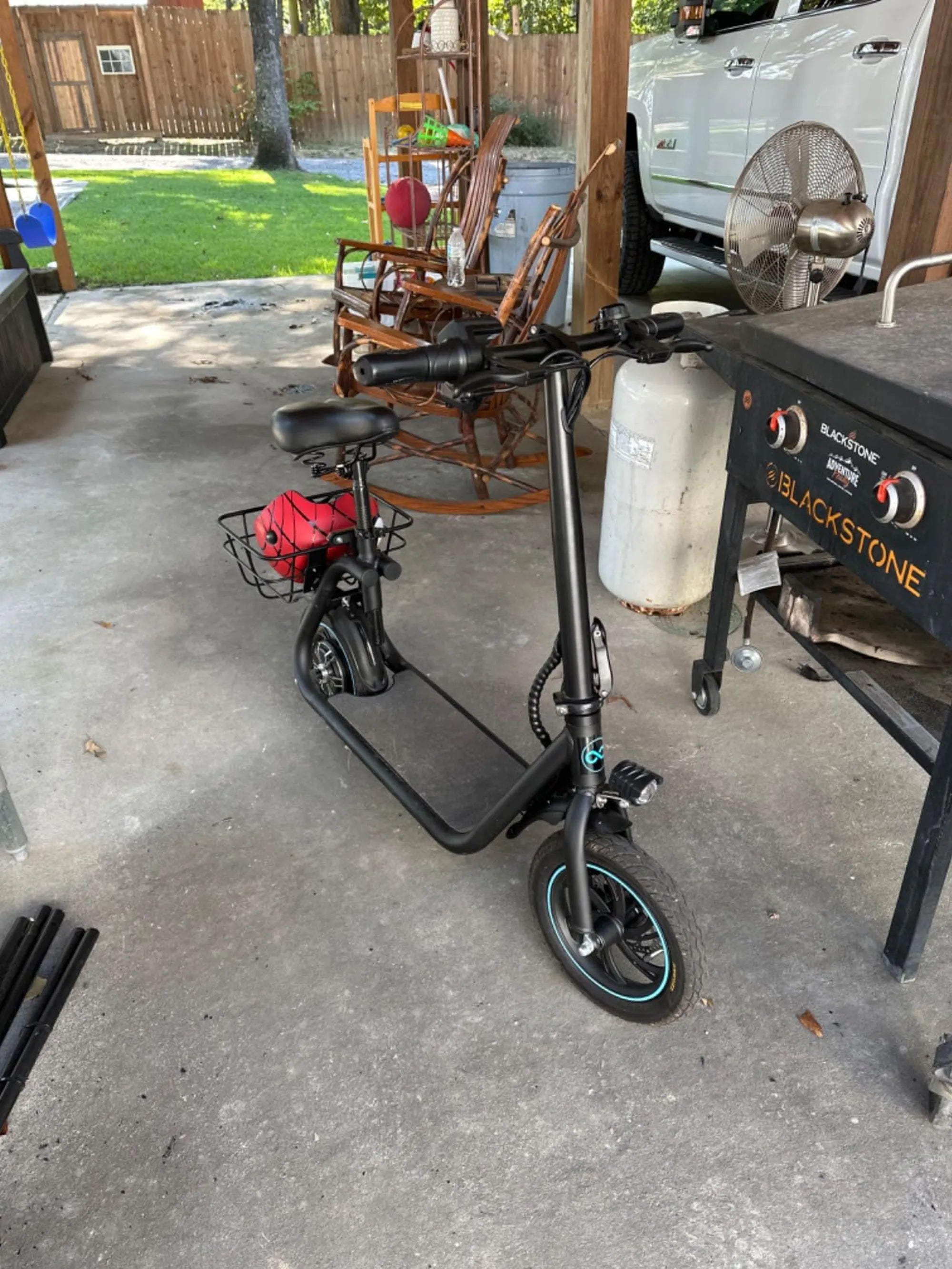
Introduction to 1000W E-Bikes: Power Meets Practicality
Searching for a 1000w ebike for sale means you're looking for serious electric assist. A 1000-watt electric bicycle represents a significant step up in performance, designed for riders who face steep hills, carry heavy loads, or simply desire robust acceleration and higher sustained speeds. This power class sits at the intersection of high-performance commuting and light off-road capability, offering a versatile solution that traditional lower-wattage e-bikes often cannot match.
This guide will provide a detailed, data-driven analysis to help you navigate the market. You will learn the core benefits of a 1000W motor, how to decode critical specifications like battery capacity and torque, and what to look for in terms of build quality and safety. We'll also cover practical purchasing advice, from evaluating new versus refurbished models to understanding how local e-bike laws apply to these powerful machines.
By the end, you'll be equipped to make an informed decision. Whether your goal is conquering a mountainous commute, adding a cargo trailer, or enjoying trail riding, understanding what a true 1000w ebike for sale offers is the first step toward a transformative riding experience.
Why Choose a 1000W Motor? Key Benefits and Performance Specs
The primary advantage of a 1000W motor is its substantial torque output, typically ranging from 80 to 100 Nm. This translates directly to exceptional hill-climbing ability and strong acceleration from a stop. Where a 500W motor might struggle on a 15% grade, a 1000W system can maintain a comfortable speed, making it ideal for hilly cities or varied terrain.
In terms of speed, a 1000W motor can often propel an e-bike to 28-32 mph (45-51 km/h) on flat ground with pedal assist. It's crucial to note that local regulations frequently cap motor-assisted speeds for street-legal operation. In the US, for instance, a 1000w ebike for sale may be classified as a Class 3 e-bike if its motor assistance cuts off at 28 mph, but riders must always verify their state and local laws.
This power level is also excellent for heavier riders or those who plan to carry significant cargo. The motor provides ample reserve power, ensuring the bike feels responsive and stable even under max load. Compared to a 750W model, a 1000W system offers about 25% more power, which is noticeably felt in demanding situations, providing a margin of performance that enhances safety and confidence.
Understanding Motor Types: Hub vs. Mid-Drive
Not all 1000W motors are created equal. The two main types are hub motors and mid-drive motors, each with distinct characteristics. A 1000W hub motor is integrated into the center of the front or rear wheel. It's known for its simplicity, lower maintenance, and direct power delivery. Hub motors are common in many models and provide robust, reliable performance, especially for steady-speed commuting and moderate hills.
A 1000W mid-drive motor, however, is mounted at the bike's crank and pedal area. This design leverages the bicycle's gears, making it vastly more efficient on steep inclines and technical terrain. The mid-drive motor applies torque through the chain, allowing it to work with the bike's gearing to maintain optimal motor RPM. For serious hill climbing, off-road trail riding, or maximizing range, a mid-drive system is often superior, though it typically comes at a higher cost and may require more drivetrain maintenance.
Your choice depends on use case. For urban commuting with occasional hills, a robust hub-drive 1000w ebike for sale is a fantastic choice. For mountain biking, heavy cargo hauling, or extremely hilly areas, investing in a mid-drive model is usually worth the premium for its unparalleled torque and efficiency.
Critical Features to Evaluate When Shopping
Beyond the motor wattage, several other specifications determine the quality, safety, and real-world performance of an e-bike. A holistic evaluation is essential to avoid disappointment and ensure a safe, long-lasting purchase. Key areas include the battery system, braking performance, frame construction, and the warranty offered by the manufacturer.
Leading brands like Gyroor build their reputation on these details. For example, a focus on UL-certified batteries, IPX5 water-resistant designs, and reliable hydraulic brake systems separates premium e-bikes from those that merely advertise high wattage. When you find a 1000w ebike for sale, scrutinize these supporting features as closely as the motor rating.
Battery & Range: The Heart of Your Ride
The battery is the fuel tank of your e-bike. For a 1000W system, a 48V battery is standard, providing the necessary voltage for efficient high-power output. Capacity is measured in amp-hours (Ah) or watt-hours (Wh). A typical 48V battery for a 1000w ebike for sale might range from 15Ah (720Wh) to 20Ah (960Wh) or more.
Range estimates are highly variable. A simple calculation: divide the battery's watt-hour (Wh) rating by an average consumption of 20-25 Wh per mile for moderate pedal assist. A 960Wh battery could thus offer 38-48 miles of range under ideal conditions. However, real-world factors drastically affect this: riding at top speed, tackling hills, carrying heavy loads, or riding in cold weather can reduce range by 30-50%.
Battery safety is non-negotiable. Always prioritize models with UL 2271 or UL 2849 certified battery packs. These certifications mean the battery has passed rigorous safety tests for electrical, mechanical, and environmental hazards. Gyroor, for instance, uses UL-certified batteries tested for over 500 charge cycles, ensuring long-term reliability and peace of mind. A high-quality battery from a reputable brand is a critical investment.
Build Quality, Warranty, and Rider Safety
The frame material is foundational. Aluminum alloy is the industry standard for its optimal blend of strength, lightness, and corrosion resistance. Check the weight rating of the frame and components to ensure it supports your weight plus any cargo.
Braking is paramount on a powerful e-bike. Hydraulic disc brakes are strongly recommended for a 1000w ebike for sale. They offer superior stopping power, better modulation (control), and require less maintenance than mechanical disc or rim brakes, especially in wet conditions. Suspension—either a front fork or full suspension—improves comfort and control on rough roads or light trails.
Water resistance, indicated by an IP rating, protects your investment. An IPX5 rating means the electrical components can withstand low-pressure water jets from any direction, making the bike safe to ride in rain or through puddles. Finally, a comprehensive warranty is your safety net. Look for at least a 1-year warranty on the frame, motor, and battery, with accessible customer support. This reflects the manufacturer's confidence in their product's durability.
Navigating the Market: New vs. Refurbished and Where to Buy
Purchasing a high-power e-bike requires careful consideration of the sales channel. Buying new from an authorized dealer or the brand's direct website offers the highest security. You receive the full manufacturer's warranty, access to customer support, and the assurance of getting the latest model with untouched battery health and components. For a significant investment like a 1000w ebike for sale, this is often the recommended path.
Refurbished or used models can offer cost savings, but they come with risks. A "refurbished" unit from the original brand may include a limited warranty and has been professionally inspected. A used private sale, however, carries unknowns—especially regarding battery degradation, hidden damage, or lack of warranty support. If considering used, insist on a thorough test ride, check the battery's charge cycle count if possible, and verify the motor's performance on an incline.
Recommended places to buy include brand-authorised online stores, specialty e-bike retailers, and certified marketplaces that offer buyer protection. Avoid unofficial third-party sellers on general marketplaces, as they may sell outdated models, non-certified batteries, or provide no after-sales support. Always research the seller's reputation as diligently as you research the bike itself.
Comparison of 1000W E-Bike Types and Use Cases
To visualize the best applications for different 1000W e-bike configurations, the following table breaks down key attributes.
| E-Bike Type | Ideal Motor Type | Key Features | Best For | Considerations |
|---|---|---|---|---|
| Commuter/City | Rear Hub Motor | Fenders, rack, lights, upright geometry, 28 mph assist | Hilly urban commutes, faster city travel, carrying groceries | Check local Class 3 e-bike laws; prioritize comfort and integrated accessories. |
| Off-Road/MTB | Mid-Drive Motor | Full suspension, knobby tires, hydraulic brakes, high torque | Trail riding, mountain biking, very steep and technical terrain | Higher cost; increased drivetrain wear; ensure robust frame and component warranty. |
| Cargo/Utility | High-Torque Hub or Mid-Drive | Long wheelbase, reinforced frame, high weight capacity, cargo racks | Hauling children or large loads, running errands, commercial use | Stability at low speed is key; battery capacity is critical due to heavy loads. |
| Fat Tire | Hub Motor | 4"+ wide tires, often front suspension, high flotation | Sand, snow, beach paths, light trails, all-season versatility | Higher rolling resistance reduces range; ensure motor has enough torque for wide tires. |
Frequently Asked Questions (FAQ)
1. How fast can a 1000W e-bike go?
A 1000W motor can typically achieve speeds of 28-32 mph (45-51 km/h) on flat terrain with pedal assist. However, most jurisdictions limit the motor-assisted speed for street-legal operation. In the U.S., a Class 3 e-bike is defined as having a motor that provides assistance only up to 28 mph. The bike may be capable of going faster under pedal power alone, but the motor will cut out at the legal limit. Always verify your local regulations.
2. Is a 1000W e-bike legal in my area?
Legality depends entirely on your local e-bike classification laws. In regions that use a 3-class system (like most U.S. states), a 1000w ebike for sale that is speed-limited to 20 mph would be a Class 1 or 2. If limited to 28 mph, it's a Class 3. Some areas may have wattage restrictions (e.g., 750W maximum), so a 1000W model might only be legal for off-road use. It is the rider's responsibility to know and follow local laws, which can vary by city, county, and state.
3. What is the real-world range I can expect?
Real-world range depends heavily on riding style, terrain, rider weight, wind, and temperature. With a large 48V 20Ah (960Wh) battery, you might get 25-45 miles of range. Using a lower level of pedal assist on flat ground can extend this to 50+ miles. Riding at full throttle or tackling steep hills constantly can reduce range to under 20 miles. Use the manufacturer's estimate as a best-case scenario and plan for about 60-70% of that number for typical mixed riding.
4. How much maintenance does a 1000W e-bike require?
E-bikes require standard bicycle maintenance (chain cleaning/lubrication, brake adjustments, tire pressure checks) plus attention to electrical components. Hub motors are largely sealed and require minimal maintenance. Mid-drive motors put more stress on the chain and cassette, so these parts may wear faster. Regularly check all electrical connections for tightness, keep the battery charged between 20-80% for daily use, and store the bike in a dry place. An annual professional check-up is advisable for safety.
5. Can I ride a 1000W e-bike in the rain?
Yes, if the e-bike has an appropriate water resistance rating. Look for an IP rating for the electrical components; IPX5 is a common and reliable standard for withstanding rain and road spray. However, you should avoid submerging the bike, riding through deep puddles that could reach the motor or controller, or using a high-pressure hose directly on electrical parts. Always dry the bike off after a wet ride, especially around connectors and the display.
Making Your Decision: Is a 1000W E-Bike Right for You?
A 1000W e-bike is an excellent choice if your primary needs involve conquering significant hills, carrying heavy loads, or desiring higher-speed commuting capabilities. It provides a substantial performance buffer that makes riding less strenuous and more adaptable to challenging conditions. If your daily route is mostly flat and your cargo needs are light, a 750W or even 500W model might be more than sufficient and potentially more cost-effective.
Before purchasing, conduct a final self-assessment. Consider the maximum incline on your regular route, your total riding weight (rider + gear + cargo), and your desired average speed. Crucially, research your local e-bike laws to ensure the model you choose can be ridden legally where you plan to use it. The classification (Class 1, 2, or 3) and any wattage restrictions are key legal factors.
Investing in a powerful e-bike is investing in freedom and capability. Prioritizing a model from a reputable brand that balances raw power with essential safety features—like UL-certified batteries, robust hydraulic brakes, and a solid warranty—ensures your investment delivers joy and reliability for years. A well-built 1000w ebike for sale is not just a purchase; it's an upgrade to your lifestyle, transforming daunting commutes into exhilarating rides and opening up new terrain for exploration.
Ready to experience the power and freedom of a high-performance electric bike? Explore a curated selection of reliable, well-engineered models designed for real-world performance. Browse the full Gyroor collection at gyroorboard.com to find a 1000W e-bike that matches your ambition, backed by the safety and support you deserve.
Does an E-Bike Have a Motor? The Complete Guide to Electric Bike Propulsion
Dirt Bike Gifts for Men: The Ultimate Guide for 2024