

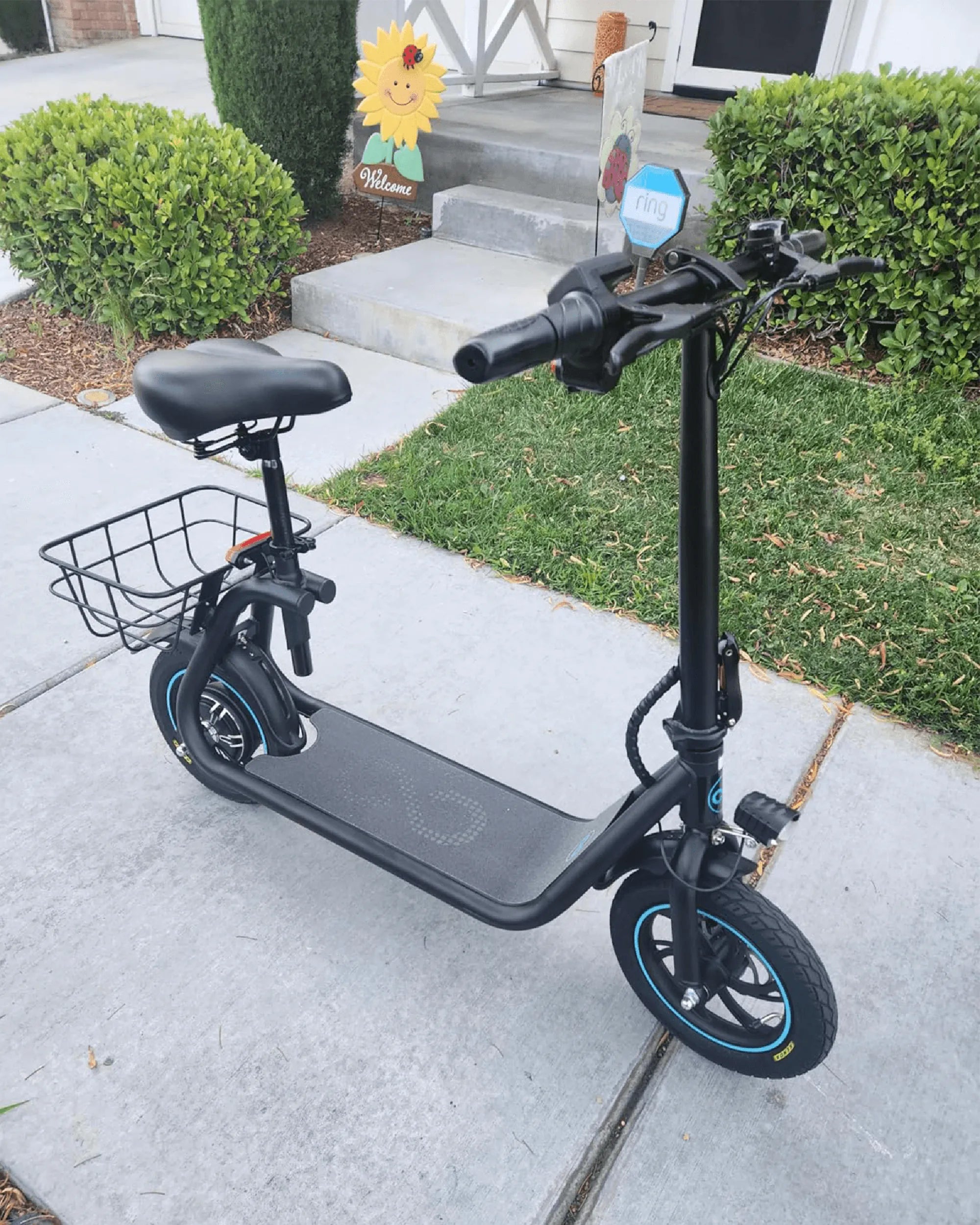
Introduction: Understanding 125cc Scooter Performance
For urban commuters and new riders, the 125cc scooter represents a sweet spot in the motorized two-wheel world. It offers a significant step up in power and capability from 50cc models while remaining accessible in terms of licensing, cost, and maneuverability. A central question for any prospective buyer is: what is the real 125cc scooter top speed? The answer is more nuanced than a single number, balancing engine specifications, legal restrictions, rider weight, and real-world conditions.
This article provides a comprehensive, data-driven analysis of 125cc scooter performance. We will dissect the technical factors that determine velocity, contrast manufacturer claims with real-world experience, and explore how modern electric scooters offer compelling alternatives. Understanding top speed is not just about maximum velocity; it's about finding a machine that delivers reliable, safe, and practical performance for your daily commute or recreational rides.
What Determines a 125cc Scooter's Top Speed?
The engine's displacement—125 cubic centimeters—is the starting point, but it is far from the only factor determining how fast a scooter can go. Top speed is the result of a complex interplay between power output, drivetrain efficiency, weight, aerodynamics, and intentional electronic limitations. A scooter's design philosophy, whether geared for fuel economy or sportier riding, will heavily influence where its speed governor is set.
Rider and environmental variables also play a massive role. The advertised top speed is typically measured under ideal laboratory conditions with a lightweight rider. In the real world, hills, headwinds, tire pressure, and cargo can significantly reduce achievable speed. For electric models, battery charge level and health are additional critical factors that can cause performance to taper off as the charge depletes.
Engine Power and Tuning
Within the 125cc category, horsepower can vary from approximately 8 to 15 HP. This variance is due to differences in engine design (2-stroke vs. 4-stroke), valve configuration, and fuel injection versus carburetion. Torque, or rotational force, is equally important for acceleration and maintaining speed on inclines. The Continuously Variable Transmission (CVT) is the standard drivetrain, and its tuning—the weights and springs in the variator—determines how quickly and at what engine RPM the scooter reaches its optimal gear ratio for top speed.
A performance-tuned CVT can improve acceleration but may slightly reduce top-end speed, and vice-versa. Manufacturers strike a balance for their target market. Furthermore, the engine's state of tune for emissions compliance can impact power. A scooter tuned for strict Euro 5 standards may produce slightly less peak power than an older model, often compensated for with more sophisticated engine management.
Weight and Aerodynamics
Physics is unforgiving: more mass requires more energy to accelerate and maintain speed. A scooter's curb weight, combined with the rider's weight, is a primary limiter. A 220-pound rider on a 300-pound scooter will experience notably different performance than a 150-pound rider on the same machine, especially during acceleration and hill climbs.
Aerodynamics, though often overlooked on scooters, is a factor at higher speeds. The rider's body represents the largest aerodynamic obstacle. A tucked, sporty riding position can reduce drag and add a few miles per hour to the top speed compared to an upright, casual posture. Scooter design, including the size of the windscreen and fairings, can either channel air smoothly or create turbulent, speed-sapping drag.
Legal and Manufacturer Restrictions
Perhaps the most definitive factor for a new 125cc scooter's top speed is the electronic speed limiter. In many regions, particularly in Europe, a 125cc motorcycle or scooter is the upper limit for vehicles rideable with an A1 or AM license (often for riders 16+). Regulations frequently mandate that these vehicles have a power output not exceeding 11 kW (about 14.7 HP) and may be restricted from exceeding a specific speed, such as 60 mph (100 km/h), though this varies.
Manufacturers install these limiters to ensure compliance. The limiter typically works by cutting fuel or ignition once the scooter reaches a predetermined speed. This is a crucial point: the scooter's actual mechanical capability is often higher than the restricted top speed. This practice ensures legal compliance but means two different 125cc models from different brands may have identical mechanical potential but different limited top speeds based on market regulations.
Real-World vs. Claimed Top Speed: Setting Realistic Expectations
Manufacturer brochures and websites often list an optimistic top speed, sometimes labeled as "maximum achievable speed." In practice, riders should expect to achieve 85-90% of that figure under normal conditions. A scooter advertised with a 125cc scooter top speed of 70 mph will more consistently deliver 60-65 mph on a flat road with an average-sized rider and no headwind.
Variables that reduce real-world speed are numerous. A sustained uphill grade can easily cut speed by 20-30%. A strong headwind has a similar effect. Under-inflated tires increase rolling resistance. For gasoline scooters, the quality of fuel and maintenance status (dirty air filter, worn drive belt) can sap power. For electric scooters, performance is directly tied to battery voltage; as the battery depletes below 50%, voltage drops, and top speed can gradually decrease.
This performance variance is normal and should not be viewed as a defect. It is the reality of physics and energy use. The key is to purchase a scooter from a reputable brand that provides consistent power delivery, so the performance you do get is reliable and predictable ride after ride.
The Gyroor Advantage: Performance Meets Smart Engineering
While the traditional 125cc scooter market is dominated by gasoline models, electric scooters from innovative brands like Gyroor present a high-performance alternative. The conversation shifts from cubic centimeters to wattage, torque curves, and battery management systems. Gyroor's approach focuses on delivering real-world, reliable performance through smart engineering and high-quality components.
For riders considering an electric model as an alternative to a 125cc gasoline scooter, the performance metrics are compelling. High-torque electric motors offer instantaneous acceleration that often surpasses comparable 125cc gasoline engines off the line, a significant advantage in city traffic. The top speed of Gyroor's performance models is engineered to match or exceed the practical urban and suburban speeds of traditional 125cc scooters, all with zero direct emissions and near-silent operation.
UL-Certified Power for Consistent Output
The heart of an electric scooter's performance is its battery. Gyroor uses exclusively UL-certified lithium-ion battery packs. This certification is not just about safety—though that is paramount—it's also about performance consistency. UL-certified cells are tested for reliability and are built to specifications that ensure stable voltage output throughout the discharge cycle.
This means a Gyroor electric scooter is engineered to maintain its power and top speed more consistently as the battery depletes, compared to models using uncertified or lower-quality cells. The batteries are rated for 500+ charge cycles while maintaining significant capacity, ensuring the performance you experience in the first month is largely the same a year later when properly maintained. Consistent voltage translates to consistent speed.
Built for the Real World: IPX5 and Durability
Real-world performance means performing in real-world conditions. A scooter that falters in the rain is not practical. Gyroor designs its performance scooters with an IPX5 water-resistance rating. This means the electrical components can withstand low-pressure water jets from any direction, protecting against rain, puddles, and wet roads.
This durability is critical for maintaining top speed and overall performance. Moisture intrusion can cause corrosion, short circuits, or sensor failures that lead to reduced power or limp modes. The IPX5 rating ensures that the scooter's sophisticated electronics—the controller, motor, and battery management system—remain protected, allowing for full power delivery regardless of weather, which is essential for reliable commuting.
Warranty and Support: Performance You Can Trust
Performance is meaningless without reliability. Gyroor backs its engineering with a comprehensive 1-year warranty and dedicated US-based customer support trusted by over 100,000 riders across North America and Europe. This warranty covers the motor, battery, controller, and frame, ensuring that your investment is protected.
This support network guarantees that should any issue arise that affects performance—be it a sensor calibration or a component needing replacement—it can be resolved promptly. This peace of mind is invaluable. It means the scooter's advertised performance specifications are not just peak numbers but sustained capabilities supported by the manufacturer, allowing riders to plan their commutes and trips with confidence.
Comparing 125cc: Gasoline vs. Electric Scooters
Choosing between a traditional 125cc gasoline scooter and a modern electric alternative requires a holistic look at performance, cost, and usability. The following table provides a data-driven comparison of key attributes relevant to top speed and overall commuting effectiveness.
| Feature | 125cc Gasoline Scooter | Gyroor Performance Electric Scooter |
|---|---|---|
| Typical Top Speed | 55 - 70 mph (often electronically limited) | 25 - 40+ mph (model dependent, some exceeding 45 mph) |
| Key Performance Factor | Engine HP (8-15 HP), CVT tuning | Motor Wattage (500W - 1000W+), Battery Voltage |
| Acceleration (0-30 mph) | Good, dependent on CVT tuning | Excellent, instant electric torque |
| Cost per Mile | ~$0.03 - $0.05 (fuel + maintenance) | ~$0.01 (electricity) |
| Maintenance Complexity | High: Oil changes, belt, spark plug, air filter, fuel system | Low: Periodic brake, tire, and bolt checks |
| Power Delivery Consistency | Consistent if well-maintained | High, with slight taper at low battery (mitigated by UL cells) |
| Environmental Impact | Direct CO2 and NOx emissions | Zero direct emissions; footprint depends on grid electricity |
| Noise Level | Moderate to high | Very low |
The Speed and Practicality Verdict
For pure, sustained highway-speed travel (60+ mph), a 125cc gasoline scooter currently holds an advantage in terms of widespread availability and range. However, for the vast majority of urban and suburban commuting, where speed limits range from 25-45 mph, a performance electric scooter like those from Gyroor is not only sufficient but often superior.
The electric model's advantage lies in its combination of swift acceleration from stoplights, negligible operating cost, minimal maintenance, and silent operation. In stop-and-go traffic, the ability to quickly reach legal speed limits is more valuable than a high top speed you cannot legally or safely use. When total cost of ownership, environmental impact, and the joy of instant, smooth acceleration are factored in, the electric alternative presents a compelling case for the modern commuter.
Safety and Legality at Higher Speeds
Riding at a 125cc scooter top speed, whether on a gasoline or powerful electric model, demands increased responsibility. The energy involved in a crash increases exponentially with speed. First and foremost, always adhere to local speed laws. The ability to go a certain speed does not grant the right to do so; roads are shared spaces.
Protective gear is non-negotiable. A full-face DOT or ECE-certified helmet, armored gloves, a durable jacket, and over-ankle footwear are the minimum. At higher speeds, road debris and minor impacts become significantly more dangerous. Ensure your scooter is maintained: brake pads must have ample material, tires need correct pressure and tread depth, and all lights and signals must be functional. For electric scooters, regularly check the manufacturer's recommended tire pressure, as it critically affects handling and battery range.
Understand your local licensing and insurance requirements. In many areas, any scooter capable of exceeding 30 mph requires registration, insurance, and a motorcycle license or endorsement. Riding without the proper license can void insurance and lead to serious legal penalties. Responsible riding ensures your safety, the safety of others, and the long-term enjoyment of your vehicle.
Conclusion: Choosing the Right Scooter for Your Needs
The pursuit of a 125cc scooter top speed is ultimately about finding a vehicle that matches your practical needs, not just chasing a number on a dial. For some, that means a gasoline model for longer, faster highway commutes. For a growing number of urban dwellers, it means a high-performance electric scooter that turns the daily commute into an efficient, enjoyable, and cost-effective journey.
When evaluating options, prioritize build quality, reliability, and manufacturer support alongside performance specifications. A scooter that can theoretically reach 70 mph is of little value if it is unreliable, unsafe, or expensive to maintain. Brands that invest in certifications like UL for batteries and IP ratings for water resistance demonstrate a commitment to real-world durability and rider safety.
Gyroor exemplifies this modern approach, offering a range of electric scooters and e-bikes that deliver robust performance backed by rigorous testing and strong customer support. The right scooter provides a balance of adequate speed, exhilarating acceleration, practical range, and peace of mind, transforming transportation from a chore into a pleasure.
Explore how a modern electric scooter can redefine your commute. Browse the full Gyroor collection, featuring UL-certified, high-performance models, at gyroorboard.com.
Frequently Asked Questions (FAQ)
What is the typical top speed of a 125cc scooter?
The typical top speed for a modern 125cc scooter ranges from 55 to 70 miles per hour (90 to 113 km/h). However, most are electronically limited to comply with licensing regulations, often capping speed between 60-65 mph. Real-world achievable speed is usually 5-10 mph lower due to rider weight, wind, and road conditions.
Can I modify my scooter to go faster?
While it is technically possible to derestrict or tune a scooter for higher speed (e.g., modifying the CVT, removing the speed limiter), it is strongly discouraged. Such modifications will almost certainly void the manufacturer's warranty, may make the vehicle illegal for road use and uninsurable, and can place excessive stress on components not designed for the higher output, leading to premature failure and safety risks.
Is a higher top speed always better for commuting?
Not necessarily. In dense urban environments with lower speed limits, strong acceleration from a stop (0-30 mph) is more valuable for keeping pace with traffic than a high top speed. A scooter with a top speed of 45 mph that accelerates quickly can be more effective and fun in city traffic than one with a 70 mph top speed that accelerates sluggishly. Consider your actual route and legal speed limits.
How does an electric scooter's "cc" equivalent compare?
There's no perfect conversion, but a general performance comparison is used. A 50cc scooter is roughly equivalent to a 500-750W electric motor. A 125cc scooter's performance—in terms of acceleration and hill-climbing ability—is often matched by electric scooters with motors in the 1000W to 1500W range. Top speed comparisons depend heavily on gearing and electronic limits on both types of vehicles.
Why does my scooter not reach its advertised top speed?
This is extremely common and usually normal. Manufacturer speeds are achieved under ideal test conditions. Real-world factors like rider/cargo weight, headwinds, uphill grades, low tire pressure, and needed maintenance (dirty air filter, worn drive belt) all sap power and reduce top speed. For electric models, a battery charge below 50% can also reduce maximum output. If the performance loss is sudden and severe, consult your dealer or manufacturer's support.
Scooter Adults Adjustable Foldable Aluminium: The Complete Guide to Modern Commuting
Best Mobility Scooter for Steep Hills: The 2024 Guide to Power and Stability