


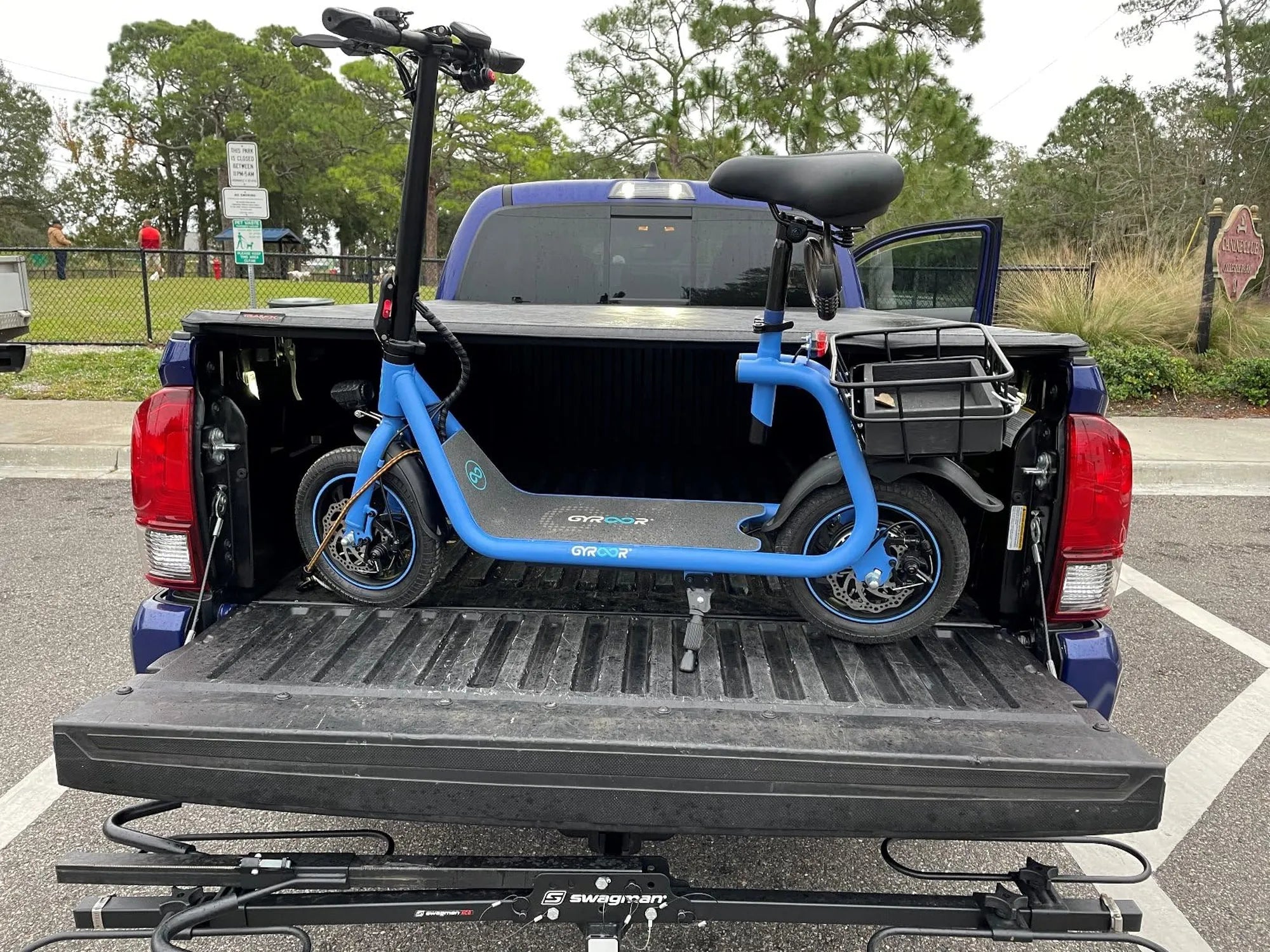
Introduction to the 149cc Scooter Segment
For urban commuters seeking the perfect blend of agility and capability, the 149cc scooter represents a strategic sweet spot. This engine displacement is engineered to bridge the gap between the popular 125cc class and the more powerful 150-200cc models. It offers a tangible performance upgrade for city traffic while often remaining in a favorable licensing and insurance category in many global regions. This guide will dissect the 149cc scooter's appeal, compare it to key rivals, and explore how electric alternatives are redefining this commuter class.
The 149cc scooter is designed for riders who need more than just basic city transport. It provides the confidence to handle faster arterial roads, carry a passenger or cargo, and tackle moderate inclines without strain. Its positioning is deliberate, offering a compelling alternative for those who find 125cc models underpowered but wish to avoid the higher costs and regulations associated with larger displacements.
Understanding this segment requires looking at real-world metrics: acceleration, fuel efficiency, weight, and regulatory frameworks. The 149cc engine typically delivers a noticeable boost in torque and top speed over a 125cc, translating to a more versatile and less stressful riding experience in mixed traffic conditions. This makes it a prime choice for daily commuters, delivery riders, and urban explorers alike.
As urban mobility evolves, the core needs addressed by the 149cc scooter—balanced power, efficiency, and practicality—are now being met by advanced electric models. Brands like Gyroor are engineering electric scooters that match and exceed the performance of traditional 149cc gas scooters, offering a cleaner, quieter, and more cost-effective solution for the modern city.
Why Consider a 149cc Scooter? Key Advantages
The decision to choose a 149cc scooter is driven by a calculated balance of benefits. This displacement provides an optimal power-to-weight ratio that enhances both daily usability and long-term ownership costs. Riders gain increased highway capability and load-bearing capacity compared to 125cc models, without the significant jump in expense, weight, or regulatory hassle often found with 150cc-plus vehicles.
From a financial perspective, the 149cc scooter can offer substantial savings. In many jurisdictions, engine displacements at or below 150cc may benefit from lower registration fees, insurance premiums, and even tax incentives. This makes the 149cc model a financially intelligent choice, maximizing performance per dollar spent on both the purchase and ongoing operation.
Performance is where the 149cc engine truly shines. It delivers confident acceleration from a standstill, allowing riders to merge into traffic safely and climb hills without the engine straining. This makes commuting more predictable and less fatiguing, especially in cities with varied topography. The extra power also means maintaining cruising speed is easier, which can improve overall fuel efficiency during steady-state riding.
Finally, the 149cc scooter offers greater versatility. It can comfortably accommodate a passenger and additional luggage, making it suitable for more than just solo commuting. This practicality, combined with its manageable size and weight, solidifies its position as one of the most well-rounded options for comprehensive urban transportation.
Urban Agility Meets Confident Power
The 149cc engine is specifically tuned for urban environments. It provides zippy acceleration from traffic lights and stop signs, a critical factor for safety and flow in city riding. This responsive power delivery helps riders navigate complex traffic situations with confidence, keeping pace with the general flow of vehicles.
Torque is a key metric for city riding, and the 149cc scooter delivers it in a usable low-to-mid range. This translates directly to better hill-climbing ability. Whether it's a steep city bridge or an underground parking ramp, the 149cc scooter tackles these obstacles with far less drama and loss of speed than a 125cc model, expanding your viable routes across the city.
This power also contributes to stability. The ability to accelerate decisively means you can position yourself more safely in traffic, avoid lingering in blind spots, and execute overtakes of slower vehicles when necessary. The engine doesn't feel strained at urban speeds of 50-70 km/h, making for a quieter, smoother, and more relaxed ride.
For the rider, this combination of agility and power reduces mental fatigue. You spend less time worrying about whether the scooter has enough in reserve for a particular maneuver and more time focusing on the road. This confident performance is a primary reason riders upgrade from smaller displacements to the 149cc class.
Licensing and Regulatory Sweet Spot
Licensing regulations are a major practical consideration for any rider. In numerous regions across Europe, Asia, and North America, the 149cc displacement cleverly navigates regulatory boundaries. Many countries have a license tier for vehicles up to 125cc and another for those above 150cc or 200cc. A 149cc scooter often falls into a more accessible category.
For instance, in places with an A1 or equivalent license for lower-power vehicles, a 149cc model may still qualify, whereas a 150cc model would require a more expensive and time-consuming full motorcycle license (A2 or A). This can save prospective riders hundreds of dollars and dozens of hours in training and testing, dramatically lowering the barrier to entry for enhanced performance.
Insurance costs frequently correlate with engine size and license requirements. By staying in a lower regulatory bracket, a 149cc scooter can benefit from significantly lower annual insurance premiums compared to a nominally larger 150cc or 200cc model. This long-term cost saving is a crucial part of the total ownership calculation.
This regulatory advantage makes the 149cc scooter an intelligent choice for new riders, younger riders, or those who simply want a capable commuter without the bureaucratic overhead of a larger machine. It delivers near-150cc performance while keeping paperwork, costs, and legal complexity to a minimum.
149cc Scooter vs. Other Displacements: A Data-Driven Comparison
Choosing the right scooter requires a clear understanding of how different engine sizes perform in real-world conditions. The 149cc scooter occupies a strategic middle ground, offering distinct advantages over both smaller and larger rivals. The following data-driven analysis highlights key performance, efficiency, and cost differences.
| Metric | 125cc Scooter | 149cc Scooter | 150-200cc Scooter |
|---|---|---|---|
| Engine Power (Typical) | 8-11 HP | 12-14 HP | 14-18 HP |
| 0-60 km/h Acceleration | 8-10 seconds | 6-8 seconds | 5-7 seconds |
| Top Speed (Flat) | 90-100 km/h | 100-110 km/h | 110-120 km/h |
| Fuel Economy (km/L) | 40-50 | 35-45 | 30-40 |
| Passenger + Luggage Capacity | Fair | Good | Very Good |
| Typical Purchase Price | $ | $$ | $$$ |
| Annual Insurance & Tax Cost | Lowest | Low | Moderate-High |
This comparison illustrates the value proposition. The 149cc scooter offers a significant performance leap over the 125cc, especially in acceleration and load capacity, for a moderate increase in cost. Compared to the 150-200cc class, it delivers nearly identical real-world urban performance while maintaining superior fuel efficiency and lower ownership costs.
149cc vs. 125cc: The Power Upgrade
The jump from 125cc to 149cc is one of the most impactful upgrades a city commuter can make. While the displacement increase seems modest on paper, the real-world difference is substantial. The additional 24cc of engine capacity typically translates to 20-30% more horsepower and a more significant increase in torque.
This power manifests most clearly in two areas: acceleration and hill-climbing. A 149cc scooter will pull away from intersections more briskly and maintain speed on inclines where a 125cc model would slow down noticeably. This makes commuting less stressful and more predictable, especially in hilly cities or on routes that include highway on-ramps.
Carrying capacity is another key differentiator. A 149cc scooter's stronger frame and more potent engine are better suited to carrying a passenger or a week's worth of groceries. The suspension and brakes are also often upgraded to handle the increased weight and performance, contributing to overall safety and comfort.
For riders who have outgrown their 125cc scooter or who are buying their first scooter and want something that won't feel underpowered in six months, the 149cc model is the logical next step. It provides headroom for growing needs without venturing into the realm of larger, heavier, and more expensive motorcycles.
149cc vs. 150cc/200cc: The Value & Efficiency Proposition
When compared to scooters in the 150cc to 200cc range, the 149cc model presents a compelling value and efficiency argument. In performance terms, the difference between a modern 149cc and a base-model 150cc engine is often negligible in city riding. Both will achieve similar top speeds and acceleration times in urban conditions.
Where the 149cc scooter frequently wins is in operating costs. Due to its slightly smaller engine and potential regulatory benefits, it can deliver better fuel economy. Over thousands of kilometers per year, this saving adds up. Furthermore, as discussed, insurance and tax liabilities can be lower, providing ongoing financial advantages.
The 200cc class offers more power, but that power is often underutilized in stop-and-go city traffic. The increased weight and purchase price of a 200cc model may not be justified for a pure urban commuter. The 149cc scooter provides almost all the practical usability of a 150-160cc model while being lighter, nimbler in traffic, and cheaper to own and run.
This makes the 149cc scooter the intelligent choice for the efficiency-focused rider. It captures the essential performance needed for confident urban and suburban commuting while minimizing the total cost of ownership. It's a rational, data-backed selection for anyone who views their scooter as a tool for daily transportation.
Introducing the Gyroor Approach: Electric Power for the 149cc Commuter
The evolution of urban mobility is electric, and the needs met by the traditional 149cc gas scooter are now being brilliantly addressed by advanced electric models. Gyroor, a leader in personal electric transport, designs scooters that deliver equivalent or superior performance to a 149cc engine, but with the inherent advantages of electric propulsion: instant torque, zero emissions, and minimal maintenance.
For the rider considering a 149cc scooter, an electric alternative from Gyroor represents a forward-thinking choice. It fulfills the core requirement of reliable, capable urban transport while future-proofing your commute against rising fuel costs, noise regulations, and environmental concerns. The riding experience is transformed—it's smoother, quieter, and more responsive.
Gyroor's engineering focuses on real-world usability. Models like those equipped with sustained 500W to 1000W motors are calibrated to match the acceleration and hill-climbing prowess of a 149cc gas scooter. This ensures you won't be sacrificing performance when you choose a cleaner, quieter technology. In fact, the immediate power delivery of an electric motor often provides a more engaging and controllable ride in city traffic.
Adopting an electric scooter is not just about performance parity; it's about upgrading the entire ownership experience. The shift from visiting gas stations to plugging in at home or work is a profound convenience. The reduction in moving parts leads to far less required maintenance. This is the modern interpretation of the balanced, practical 149cc commuter scooter.
Performance that Matches the 149cc Class
Gyroor's performance-oriented electric scooters are designed to directly compete with 149cc gas models. A key metric is torque, and electric motors excel here, delivering maximum torque from zero RPM. This means a Gyroor scooter can launch from a stoplight with an urgency that often surpasses a gas-powered 149cc scooter, a major advantage in urban traffic.
Hill-climbing ability is a critical test. Gyroor models with robust motor systems can maintain speed on gradients of 15-20%, equivalent to the performance expected from a 149cc engine. This is achieved through precise motor control and battery management systems that ensure consistent power delivery, not just a brief surge.
Top speed is also comparable. Many Gyroor scooters reach speeds of 40-50 km/h in their standard configurations, with some models capable of 55-60 km/h, aligning perfectly with the legal urban and suburban speed limits where 149cc scooters are most commonly used. This ensures you can keep pace with traffic flow on main roads confidently.
The performance is not only matched but enhanced by the nature of electric power. There's no clutch to engage, no gears to shift, and no engine lag. The power is linear, immediate, and controlled entirely by your throttle input, resulting in a simpler, more intuitive, and ultimately more enjoyable riding experience for the daily commute.
Superior Ownership Experience: Cost, Convenience & Quiet
The ownership benefits of a Gyroor electric scooter over a 149cc gas model are substantial and multi-faceted. The most immediate saving is on fuel. The cost to charge an electric scooter is a fraction of the cost of gasoline. Over a year of daily commuting, this can save hundreds of dollars, paying back the initial investment quickly.
Maintenance costs plummet. A traditional 149cc scooter requires regular oil changes, air filter replacements, spark plug changes, and eventual belt and variator service. An electric Gyroor scooter has none of these. Maintenance is primarily limited to checking tire pressure, brakes, and ensuring the battery is charged. This saves both money and valuable time.
Convenience is revolutionized. Instead of detouring to a gas station, you simply plug your Gyroor scooter into a standard wall outlet overnight. For many riders, this means starting every day with a full "tank." The quiet operation is not just a comfort feature; it reduces noise pollution and allows for more peaceful travel through residential areas early in the morning or late at night.
This superior experience extends to reliability. With fewer mechanical components to fail, a well-built electric scooter like those from Gyroor offers greater day-to-day dependability. There's no engine that won't start on a cold morning, no carburetor to clean, and no complex fuel system. It's transportation reduced to its most reliable essentials.
The Gyroor Advantage: Safety, Reliability, and Peace of Mind
Choosing a Gyroor electric scooter means investing in a product built with safety and durability as core principles. In an market where quality can vary, Gyroor distinguishes itself through rigorous engineering standards, premium component selection, and robust customer support. These factors directly address the primary concerns of any vehicle buyer: safety, longevity, and after-purchase support.
Safety begins with the battery, the heart of any electric vehicle. Gyroor's commitment to safety is demonstrated by its use of UL-certified lithium-ion battery packs across its lineup. This certification is not merely a marketing term; it signifies that the battery cells and management system have passed independent, rigorous testing for electrical, mechanical, and fire safety.
Reliability is engineered into every model. From the water-resistant design to the durable frame construction, Gyroor scooters are built to withstand the demands of daily commuting. The IPX5 water resistance rating is a key feature, ensuring that rain and road spray won't compromise the scooter's electronics, making it a truly all-weather vehicle.
Peace of mind is provided by Gyroor's strong warranty and support network. Backed by a trusted brand with over 100,000 riders in North America and Europe, a Gyroor purchase is supported by a comprehensive 1-year warranty and accessible customer service. This support structure is often more robust than what is offered with entry-level gas scooters, adding significant value.
UL-Certified Battery Safety
The battery is the most critical safety component in an electric scooter. Gyroor's use of UL-certified battery packs is a fundamental differentiator. UL certification involves extensive testing for overcharge protection, short circuit prevention, temperature control, and impact resistance. This ensures the battery pack will operate safely under normal and extreme conditions.
This certification also speaks to longevity. UL-certified batteries are typically built with higher-quality cells and sophisticated Battery Management Systems (BMS) that balance cell charge, monitor temperature, and prevent deep discharge. Gyroor batteries are rated for 500+ charge cycles, ensuring years of reliable range before any noticeable capacity degradation.
For the rider, this means confidence. You can charge your Gyroor scooter at home overnight without concern. The battery is designed to manage its own health, protecting both the scooter and your property. In a segment where battery fires have been a concern with uncertified, low-quality products, Gyroor's UL certification is a non-negotiable mark of safety and quality.
Investing in a scooter with a certified battery is investing in risk mitigation. It protects your safety, your investment, and your peace of mind. This level of built-in protection is a standard that every responsible electric vehicle manufacturer should meet, and it is a cornerstone of the Gyroor brand promise.
Built for All Weather: IPX5 Water Resistance
Urban commuting doesn't stop for rain, and neither should your scooter. Gyroor designs its scooters with an IPX5 water resistance rating, a specification that guarantees protection against water jets from any direction. This means riding through puddles, in a downpour, or on wet roads will not damage the scooter's electrical systems.
This rating is crucial for real-world usability. It ensures that the controller, wiring, motor connections, and display are sealed against moisture ingress. Unlike many basic electric scooters that are merely "water-resistant" in theory, the IPX5 rating is a defined international standard that Gyroor's scooters are tested to meet.
This feature provides tremendous practical freedom. You no longer need to check the weather forecast anxiously before heading out. If it starts to rain during your commute, you can continue your journey with confidence. This reliability mirrors the all-weather capability expected from a traditional 149cc gas scooter, ensuring your electric vehicle is just as dependable.
The IPX5 rating also contributes to long-term durability and lower maintenance costs. By preventing corrosion and electrical shorts caused by moisture, the scooter's core components last longer and require less service. It's a feature that protects your investment day after day, in all conditions.
Confidence on the Road: The 1-Year Comprehensive Warranty
A strong warranty is a testament to a manufacturer's confidence in its product. Gyroor backs its electric scooters with a 1-year comprehensive warranty that covers the frame, motor, battery, controller, and other core components. This coverage provides a significant safety net for your investment, ensuring that any manufacturing defects will be addressed without cost to you.
This warranty often surpasses the coverage offered for new, entry-level 149cc gas scooters, which may have shorter or more limited warranties. For a rider transitioning from gas to electric, this robust warranty eliminates a major point of anxiety about adopting new technology. You can ride with the assurance that the manufacturer stands behind the product.
The warranty is supported by Gyroor's customer service network. With a presence in North America and Europe, support is accessible and responsive. Whether you have a technical question or need a replacement part, the process is designed to be straightforward, minimizing downtime and frustration.
This combination of comprehensive coverage and accessible support translates directly to peace of mind. It allows you to focus on enjoying the ride and the savings, knowing that your Gyroor scooter is a protected, reliable partner for your daily commute. It's a critical component of the total value proposition.
Frequently Asked Questions (FAQ)
Q1: Can a Gyroor electric scooter really keep up with 149cc traffic?
Absolutely. Gyroor's performance models, equipped with motors in the 500W to 1000W range, are engineered to match the acceleration and hill-climbing capability of a typical 149cc gas scooter. The instant torque of the electric motor often provides quicker off-the-line acceleration. With top speeds of 40-60 km/h depending on the model, they are perfectly capable of maintaining pace with urban and suburban traffic flow where 149cc scooters are most commonly used.
Q2: How far can I ride on a single charge compared to a gas scooter's tank?
Range varies by model and riding conditions, but many Gyroor scooters offer a range of 25-50 kilometers on a single charge. This is more than sufficient for the vast majority of daily urban commutes. While a 149cc gas scooter might travel 200+ km on a tank, most commuters travel far less than that per day. The key advantage is convenience: you recharge at home nightly for pennies, versus weekly trips to the gas station. For longer trips, the gas scooter still holds an advantage, but for city use, the electric range is highly practical.
Q3: Is the maintenance really easier and cheaper than a 149cc gas scooter?
Yes, significantly. A 149cc gas scooter requires regular, scheduled maintenance: engine oil changes every few thousand kilometers, air filter cleaning/replacement, spark plug changes, and eventual drive belt and variator service. A Gyroor electric scooter has none of these. Maintenance is primarily focused on the consumables: tire pressure, brake pad wear, and occasional bolt tightening. There is no engine to service, no oil to dispose of, and no complex transmission. This results in dramatically lower annual maintenance costs and less time spent at the repair shop.
Q4: Are Gyroor scooters legal to ride on the same roads as 149cc scooters?
Electric scooter laws vary by city, state, and country. In many jurisdictions, electric scooters with top speeds below a certain threshold (often 25-32 km/h) are classified as "personal light electric vehicles" and are permitted on bike lanes and roads with speed limits up to 50 km/h—exactly where 149cc scooters are ridden. Higher-performance Gyroor models may be subject to different regulations. It is crucial to check your local laws regarding helmet requirements, minimum age, licensing, and approved riding areas before purchasing and riding.
Q5: How long does the battery last, and how much does it cost to replace?
Gyroor's UL-certified lithium-ion battery packs are rated for 500+ full charge cycles. For a commuter using 80% of the battery's capacity per day, this translates to well over two years of daily use before the battery capacity degrades to about 80% of its original state. The battery will still function for years beyond that with reduced range. Replacement battery costs vary by model but are a fraction of the cost of a major engine rebuild on a gas scooter. The longevity and safety of the certified pack make it a durable and reliable component.
Conclusion: The Smarter Choice for Modern Commuting
The 149cc scooter has long been celebrated for its ideal balance in the urban mobility landscape. However, the future of this practical commuting segment is unequivocally electric. Gyroor's electric scooters successfully capture every essential attribute of the traditional 149cc model—responsive power, all-weather capability, and practical range—while delivering a superior ownership experience defined by radical cost savings, unmatched convenience, and silent, clean operation.
By choosing a Gyroor electric scooter, you are not compromising on performance; you are upgrading it with instant torque and seamless operation. You are investing in a vehicle built with foundational safety features like UL-certified batteries and IPX5 water resistance, standards that provide genuine peace of mind. You are backed by the confidence of a comprehensive 1-year warranty from a brand trusted by a global community of riders.
The data is clear: for the cost of fuel and maintenance for a single year on a 149cc gas scooter, you can power an electric Gyroor scooter for multiple years. This economic advantage, combined with the environmental benefit of zero tailpipe emissions, makes the switch not just a personal upgrade, but a responsible one. The 149cc scooter defined efficient urban transport for a generation; the electric scooter is redefining it for the future.
Ready to experience the perfect balance of performance, efficiency, and smart technology? Explore the full range of high-performance, safety-focused electric scooters designed for the modern commuter. Browse the full Gyroor collection at gyroorboard.com and discover your ideal electric ride today.
Can a 1 Year Old Ride a Scooter? A Developmental & Safety Guide
250cc Trike: The Ultimate Guide to Stability, Accessibility & Practical Riding