



Introduction to the 150cc Motorcycle Segment
The 150cc motorcycle represents a global sweet spot in two-wheeled transportation. These machines balance fuel efficiency, manageable power, and sufficient performance for diverse riding conditions. When riders ask about 150cc bike top speed, they're often seeking to understand the practical limits of this popular displacement.
Engine displacement alone doesn't determine velocity. A motorcycle's maximum speed results from a complex interplay between engine output, gearing, aerodynamics, and weight. The 150cc bike top speed question opens a discussion about engineering trade-offs and realistic expectations for commuting, touring, and recreational riding.
This article provides a data-driven examination of what affects and defines 150cc bike top speed. We'll move beyond manufacturer claims to real-world performance, helping you understand how to safely enjoy your motorcycle's capabilities. Whether you're considering a purchase or seeking to optimize your current bike, this guide delivers factual analysis.
You'll learn how different 150cc designs prioritize speed versus utility, what maintenance practices preserve performance, and how the 150cc category compares to other engine sizes. This knowledge helps riders make informed decisions and develop realistic expectations for their riding experience.
Key Engineering Factors Determining 150cc Top Speed
Displacement measures engine cylinder volume, but multiple engineering decisions determine how that potential translates to road speed. Understanding these factors explains why two 150cc motorcycles can have significantly different performance characteristics despite identical displacement.
The power-to-weight ratio fundamentally governs acceleration and top speed. A lighter motorcycle with the same horsepower will achieve higher velocity than a heavier counterpart. Rider weight, cargo, and accessories further impact this ratio, making top speed a variable rather than fixed number.
Aerodynamic drag increases exponentially with speed, becoming the primary limiting factor at higher velocities. Motorcycles with full fairings and streamlined designs overcome air resistance more effectively than naked bikes or scooters. Rider posture significantly affects drag, with a tucked position reducing wind resistance substantially.
Engine Design and Technology Implementation
Modern 150cc engines typically use overhead cam (OHC) designs for better valve control at higher revolutions. Compared to older overhead valve (OHV) designs, OHC configurations allow engines to rev higher, potentially increasing peak horsepower and top speed.
Fuel injection versus carburetion affects performance consistency across altitudes and temperatures. Fuel-injected engines maintain optimal air-fuel mixtures more precisely, often delivering slightly better top-end power compared to carbureted systems that may require jetting changes for peak performance.
Engine tuning philosophy creates distinct performance profiles. Some manufacturers prioritize low-end torque for city riding, while others optimize for high-revving horsepower that benefits top speed. Compression ratios, valve timing, and exhaust design all contribute to where in the powerband maximum performance occurs.
Transmission and Final Drive Efficiency
Gear ratios determine how engine power transfers to the rear wheel. Close-ratio gearboxes keep the engine in its optimal power range during acceleration, while taller top gears allow higher cruising speeds at lower engine revolutions. Proper gearing selection balances acceleration with top-speed potential.
Chain-drive systems typically offer better power transfer efficiency compared to belt or shaft drives, though they require more maintenance. A well-lubricated and properly tensioned chain can deliver over 98% of engine power to the rear wheel, while worn or dirty chains waste horsepower through friction.
Continuously Variable Transmissions (CVT) common in scooters maintain optimal engine rpm for current power demands but often sacrifice some top-end efficiency compared to manual gearboxes. This design prioritizes seamless acceleration over maximum speed potential.
Real-World 150cc Bike Top Speed Expectations by Category
Manufacturer specifications often list optimistic top speeds measured under ideal laboratory conditions. Real-world riding introduces variables like wind, road grade, temperature, and altitude that reduce achievable velocities. The following categories represent practical expectations for different 150cc motorcycle types.
These ranges assume proper maintenance, a rider of average weight (160-180 lbs), and testing on level pavement with minimal wind. Performance decreases approximately 3% per 1,000 feet of elevation gain due to reduced air density affecting engine breathing.
Commuter and Standard Motorcycles
Designed for reliability and fuel economy, these utilitarian motorcycles prioritize low-end torque for city riding over maximum speed. Models like the Honda CG150 and similar commuter-focused bikes typically achieve 55-65 mph (88-105 km/h) under favorable conditions.
Their upright riding position creates significant aerodynamic drag at higher speeds, limiting top velocity. Engine tuning emphasizes fuel efficiency and durability, with conservative redlines and gearing optimized for 45-55 mph cruising rather than maximum velocity pursuit.
These motorcycles represent the most common interpretation of 150cc bike top speed capabilities, offering sufficient performance for urban commuting and secondary roads while maintaining exceptional fuel economy of 70-100 mpg depending on riding style.
Sport and Naked Performance Models
Performance-oriented 150cc motorcycles feature higher compression ratios, more aggressive valve timing, and reduced weight. Models in this category, including sport bikes and performance naked bikes, typically reach 65-75 mph (105-120 km/h) with some capable of slightly higher speeds in ideal conditions.
Their engines rev higher, often reaching 10,000+ RPM, producing peak horsepower at the top of the rev range. Aerodynamic improvements, including partial fairings on sport models, reduce drag compared to standard motorcycles, allowing more efficient high-speed travel.
These motorcycles demonstrate the upper limits of 150cc bike top speed potential through focused engineering. While less fuel-efficient than commuter models (typically 55-75 mpg), they offer more engaging performance for riders seeking sportier characteristics.
Scooters and Maxi-Scooter Designs
The 150cc scooter segment prioritizes urban practicality with step-through designs and storage capacity. Their top speed typically ranges from 50-65 mph (80-105 km/h), with CVT transmissions providing seamless acceleration rather than maximum velocity.
Full bodywork creates different aerodynamic properties than motorcycles. While potentially more streamlined in some areas, the rider's upright position and wider body panels often increase frontal area and drag. Weight distribution and smaller wheels also affect high-speed stability compared to motorcycles.
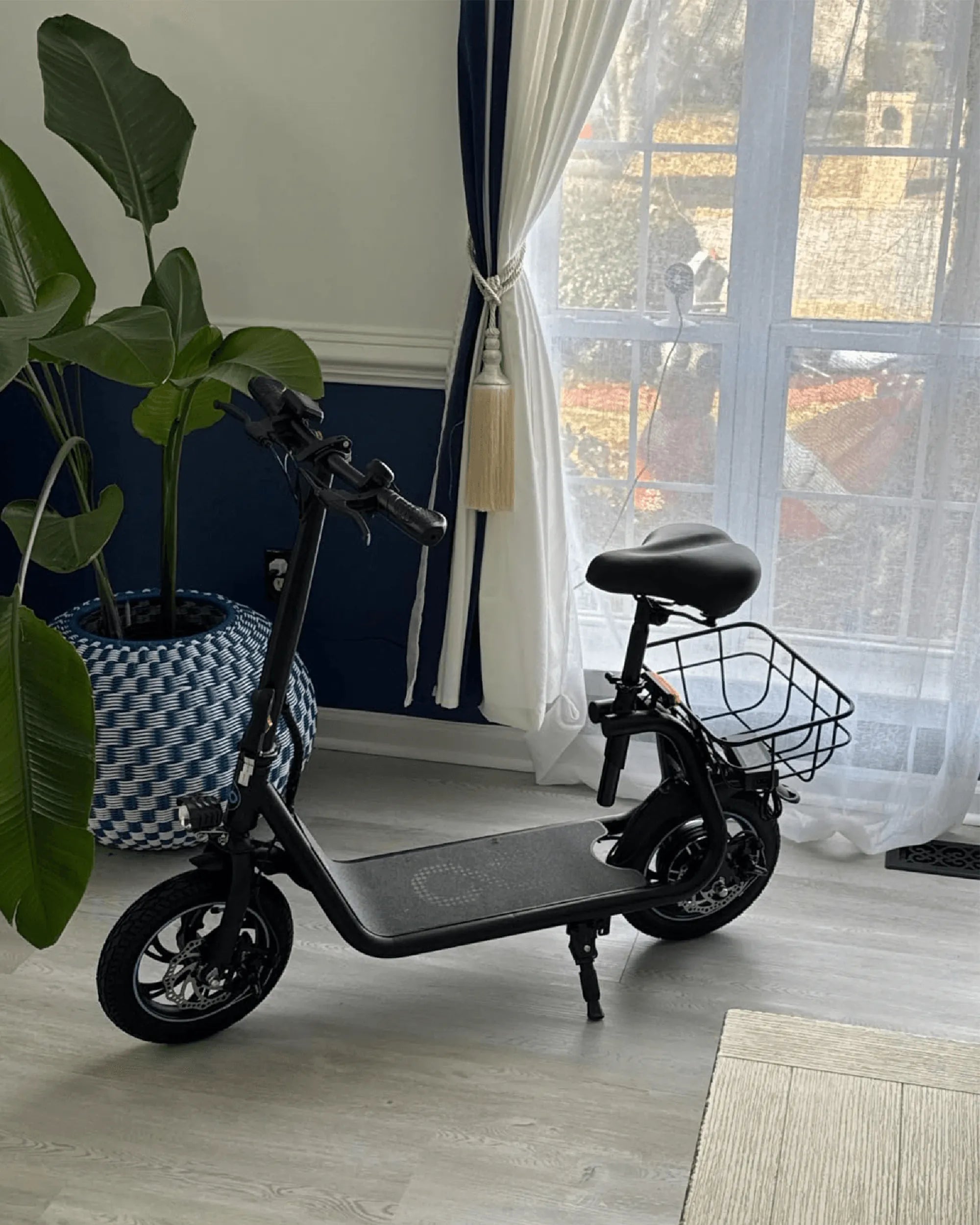
For urban mobility, brands like Gyroor focus on electric scooter designs that offer instant torque and quiet operation, with top speeds appropriate for city commuting. While different in propulsion, the performance envelope shares similarities with combustion-engine scooters in this displacement class.
Performance Comparison: 150cc vs Other Common Displacements
Understanding where 150cc motorcycles fit within the broader displacement spectrum helps contextualize their performance capabilities. This comparison examines realistic top speed expectations across commonly available engine sizes, highlighting the 150cc's position as a versatile middle ground.
| Engine Displacement | Typical Top Speed Range | Best Use Case | Power-to-Weight Characteristic |
|---|---|---|---|
| 125cc | 50-60 mph (80-97 km/h) | Urban commuting, light duty | Adequate for city speeds |
| 150cc | 55-75 mph (88-120 km/h) | Versatile urban/suburban use | Good balance for mixed riding |
| 250cc | 75-90 mph (120-145 km/h) | Highway capable, light touring | Confident highway merging |
| 300cc | 85-100 mph (137-161 km/h) | Full highway capability | Strong acceleration throughout |
The 150cc category represents a significant performance increase over 125cc models, particularly in acceleration and highway capability. While 125cc motorcycles struggle to maintain 60 mph, most 150cc models can comfortably cruise at this speed with some power reserve.
Compared to 250cc motorcycles, 150cc bikes show clear limitations for sustained highway travel. The additional 100cc provides substantially more torque and horsepower, allowing 250cc models to maintain higher speeds with less strain and offer better passing capability.
This comparison illustrates why the 150cc bike top speed discussion centers on versatility rather than outright performance. These motorcycles excel in urban environments and secondary roads while offering limited highway capability, perfectly matching many riders' actual needs.
Maximizing Your 150cc Motorcycle's Performance Safely
Optimizing a 150cc motorcycle involves balancing performance enhancements with reliability and safety. Rather than seeking dramatic top-speed increases, most riders benefit from consistent performance maintenance and proper riding techniques that respect the motorcycle's design limits.
Regular maintenance preserves the engine's original performance specifications. Neglected motorcycles lose horsepower through friction, poor combustion, and drivetrain inefficiency. A well-maintained 150cc motorcycle delivers consistent performance throughout its service life.
Rider technique significantly affects realized performance. Proper gear selection keeps the engine in its optimal power band, while smooth throttle application maximizes acceleration without overwhelming traction. Aerodynamic positioning reduces drag at higher speeds, potentially adding 2-5 mph to top speed.
Essential Maintenance for Peak Performance
Tire pressure affects rolling resistance and handling. Underinflated tires create drag that reduces top speed and acceleration while increasing wear. Maintaining manufacturer-recommended pressures (typically 28-32 PSI) optimizes performance and safety.
Chain maintenance directly impacts power transfer efficiency. A properly lubricated and tensioned chain delivers maximum power to the rear wheel. Clean and lubricate the chain every 300-500 miles, adjusting tension according to manufacturer specifications to prevent power loss.
Air filter condition affects engine breathing. A clogged filter restricts airflow, reducing power throughout the rev range. Replace paper filters as recommended (typically 6,000-12,000 miles) or clean reusable foam filters regularly to maintain optimal airflow and performance.
Spark plug condition influences combustion efficiency. Worn or fouled plugs cause misfires and incomplete combustion, reducing power and fuel economy. Replace spark plugs according to maintenance schedules (typically 8,000-16,000 miles) using the manufacturer-specified heat range.
Safe High-Speed Riding Practices
Protective gear becomes increasingly important at higher speeds. A full-face helmet, armored jacket, gloves, and riding pants provide essential protection. The difference between minor and serious injuries often depends on gear quality, especially as speed increases.
Braking distances increase exponentially with speed. At 70 mph, stopping distance typically triples compared to 40 mph. Practice emergency braking in controlled conditions to understand your motorcycle's stopping capabilities, accounting for road surface and conditions.
Situational awareness must increase proportionally with speed. Higher velocities reduce reaction time and require greater scanning distance. Actively monitor traffic patterns, road conditions, and potential hazards further ahead when riding at higher speeds.
Understanding Legal and Practical Speed Considerations
A motorcycle's mechanical top speed represents engineering capability, not a riding recommendation. Legal speed limits, road conditions, and safety considerations should always govern actual riding speeds. Understanding these practical limitations helps riders make responsible decisions.
Most public roads have speed limits below even modest 150cc capabilities. Urban areas typically limit speeds to 25-35 mph, while secondary highways range from 45-60 mph. These limits align well with 150cc motorcycle performance envelopes, making them suitable for legal operation.
Highway riding requires careful consideration. While many 150cc motorcycles can reach 65-70 mph, sustained operation at these speeds leaves minimal power reserve for passing or emergency maneuvers. These motorcycles are best suited for highways with 55-65 mph speed limits rather than 70+ mph interstates.
Insurance and licensing considerations vary by jurisdiction. Some regions classify 150cc motorcycles differently than larger displacements, potentially affecting insurance costs and license requirements. Always verify local regulations before purchasing or operating any motorcycle.
Frequently Asked Questions About 150cc Bike Top Speed
Can a 150cc motorcycle safely ride on American highways?
Safety depends on specific highway characteristics and motorcycle capabilities. Many 150cc models can maintain 60-65 mph, making them suitable for highways with 55-65 mph speed limits. However, interstates with 70+ mph limits present challenges, as these motorcycles operate at their mechanical limits with minimal passing power. For occasional short highway stretches, they're adequate, but for regular high-speed travel, larger displacements offer safer performance margins.
How much does rider weight affect 150cc top speed?
Rider weight significantly impacts performance due to power-to-weight ratios. Every 50 pounds (23 kg) of additional weight typically reduces top speed by 3-8 mph for a 150cc motorcycle. A 120-pound rider might achieve speeds 5-10 mph higher than a 220-pound rider on the same motorcycle. This effect is most pronounced during acceleration and hill climbing, but also affects maximum velocity.
Do performance modifications significantly increase 150cc top speed?
Most simple modifications yield minimal top-speed gains. Aftermarket exhaust systems might add 1-3 mph if properly tuned with jetting or ECU adjustments, but often sacrifice low-end torque. Comprehensive performance builds involving higher compression, porting, and camshaft changes can increase top speed by 5-10 mph but reduce reliability and fuel economy. For most riders, proper maintenance provides better real-world performance than modifications.
How does altitude affect 150cc motorcycle performance?
Altitude reduces engine power approximately 3% per 1,000 feet due to thinner air. A 150cc motorcycle that achieves 70 mph at sea level might only reach 60-63 mph at 5,000 feet elevation. Fuel-injected models adjust automatically, while carbureted motorcycles require re-jetting for optimal performance at different altitudes. This effect makes high-elevation riding particularly challenging for smaller-displacement motorcycles.
What's the realistic cruising speed for a 150cc motorcycle?
Sustainable cruising speed differs from maximum top speed. Most 150cc motorcycles comfortably maintain 50-60 mph without excessive vibration or engine strain. This represents 80-90% of their maximum capability, allowing some power reserve for hills or passing. Cruising at 65+ mph often requires near-maximum engine output, increasing wear and reducing fuel economy significantly.
How does temperature affect 150cc performance?
Cold, dense air improves engine breathing and can increase power slightly, while hot temperatures reduce air density and performance. A 150cc motorcycle might perform 2-4% better on a 50°F day compared to a 95°F day. Proper jetting or fuel injection mapping accounts for temperature variations, but extreme heat consistently reduces top speed and acceleration across all combustion engines.
The 150cc Motorcycle: Optimizing the Performance Sweet Spot
The 150cc motorcycle occupies a practical performance niche that balances capability with efficiency. Understanding realistic 150cc bike top speed expectations helps riders select appropriate motorcycles for their needs and operate them within safe parameters. These machines excel where most riding actually occurs: urban environments and secondary roads with moderate speed limits.
Performance optimization begins with proper maintenance rather than extensive modification. Regular servicing preserves factory performance while ensuring reliability and safety. Rider technique and awareness significantly enhance the riding experience more than marginal speed increases from modifications.
The 150cc segment demonstrates that effective transportation doesn't require excessive power. These motorcycles deliver sufficient performance for most riding scenarios while offering exceptional fuel economy and manageable operating costs. Their limitations on high-speed highways simply reflect design priorities aligned with actual usage patterns.
For urban mobility with occasional secondary road travel, few categories match the 150cc's balance of attributes. As electric alternatives develop, companies like Gyroor apply similar design philosophy to electric scooters, focusing on appropriate performance for city environments rather than maximum speed pursuit.
Explore efficient personal transportation options designed for real-world riding. Browse the full Gyroor collection at gyroorboard.com to discover electric scooters and e-bikes combining practical performance with modern technology and reliable UL-certified battery systems.
50cc Scooter Models: The Complete Guide to Electric Equivalents & Urban Mobility
Toddler Riding Tricycle: The Ultimate Guide to Development, Safety, and Fun