


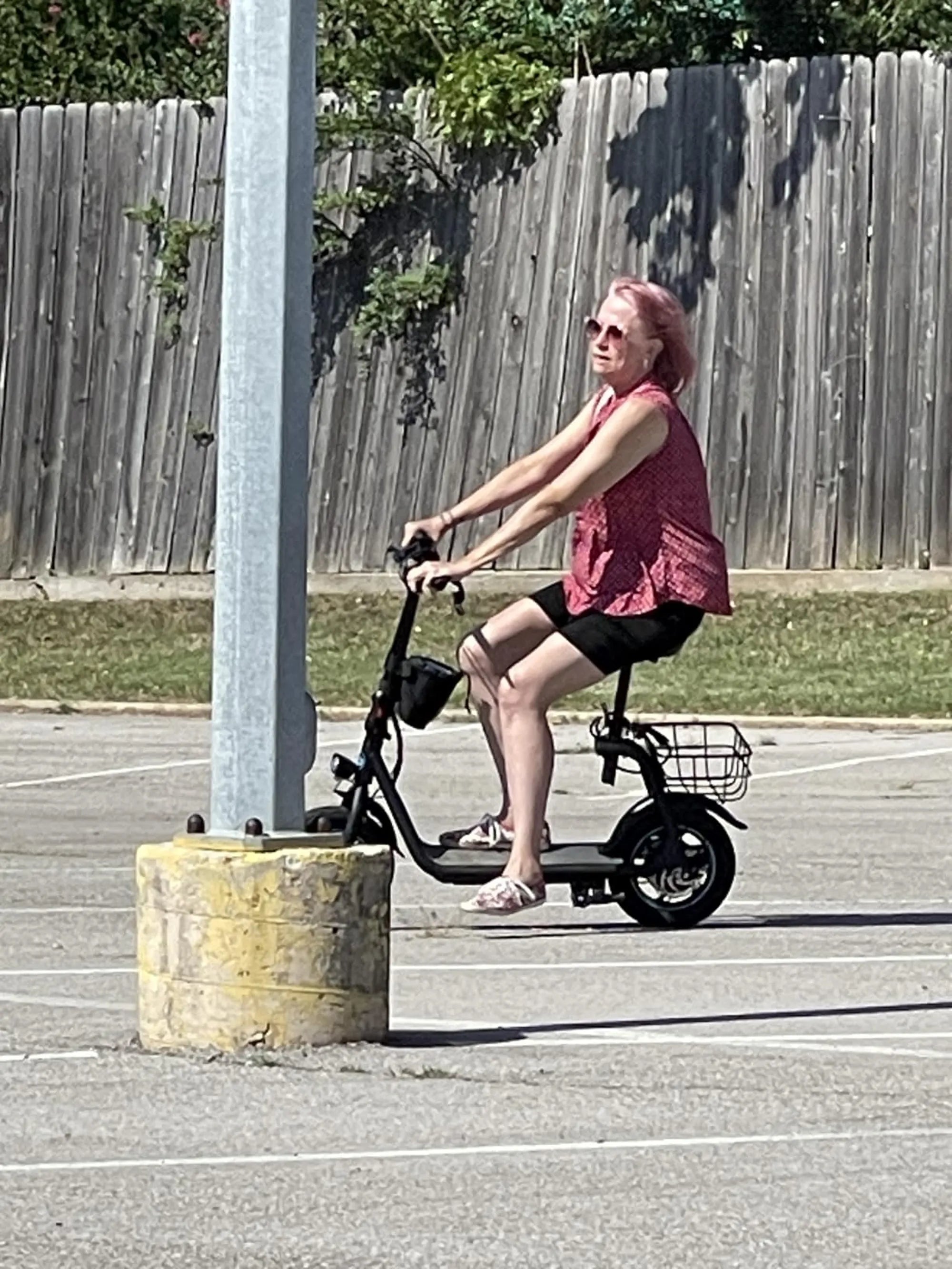
Redefining the Urban Commute
City streets are clogged, public transit is crowded, and the search for an efficient, cost-effective, and enjoyable way to navigate urban sprawl has never been more urgent. Enter the modern 2 wheel electric scooters for adults, a vehicle category that has evolved from recreational toy to legitimate primary transportation. This article will demonstrate why these electric scooters represent the ultimate urban commuting solution for millions. We will dissect their practical benefits, essential features, and how to select a model engineered for daily reliability, empowering you to transform your commute from a daily chore into the best part of your day.
The transformation is data-driven. Urban planners and commuters alike are recognizing the value of compact, electric personal mobility devices in reducing congestion and emissions. Unlike their childhood counterparts, today's adult electric scooters are built with powerful motors, long-range batteries, and robust frames designed to handle potholes, inclines, and the rigors of daily use. They fill the critical "first and last mile" gap between transit stops and final destinations with unparalleled efficiency.
Choosing the right model, however, is paramount. The market is flooded with options, but not all are created equal for the serious commuter. This guide will provide the analytical framework you need, focusing on performance specifications, safety standards, and real-world durability. We will also highlight how leading brands like Gyroor—trusted by over 100,000 riders across North America and Europe—engineer their scooters to meet these demanding standards, offering UL-certified batteries and IPX5 water resistance as foundational features, not optional extras.
By the end of this analysis, you will understand not just the appeal, but the substantive case for integrating a high-quality 2 wheel electric scooter for adults into your life. The goal is to move you from curiosity to informed decision, equipped with knowledge about range, power, regulations, and the long-term value proposition of a well-built commuter scooter.
Why Choose a 2-Wheel Electric Scooter for Your Adult Commute?
The decision to adopt an electric scooter is often framed around fun, but the practical advantages for adults are profound and measurable. First is time savings. In dense urban corridors, a scooter traveling at 15-20 mph can often outpace cars stuck in traffic, not to mention the time saved searching for parking. Your commute becomes predictable, door-to-door, and free from the schedule constraints of buses or trains.
Financial savings are equally compelling. Compare the upfront cost of a quality scooter—typically between $500 and $1500—to car payments, insurance, fuel, parking fees, and maintenance. Even against monthly transit passes, the payback period for a scooter can be less than a year. Operating costs are negligible; electricity to charge the battery costs mere cents per day, and maintenance is minimal compared to a combustion-engine vehicle.
Environmental impact is a significant driver for many. Electric scooters produce zero direct emissions, contributing to cleaner air and reduced urban noise pollution. When charged via a standard electrical grid, their carbon footprint per mile is a fraction of that of a car or even a diesel bus. They represent a tangible step toward sustainable personal transportation.
Beyond economics and ecology, there are personal benefits. The convenience of portability means you can fold your scooter and bring it into your office, a coffee shop, or onto public transit (where permitted), eliminating theft concerns. Furthermore, while not a strenuous workout, the act of balancing and engaging core muscles offers a form of active transportation, getting you outdoors and moving more than sitting in a car or train seat.
Key Features to Look for in a Reliable Adult E-Scooter
Selecting a commuter-grade scooter requires moving beyond marketing claims to scrutinize hard specifications. A reliable model for adults is defined by a synergy of power, range, durability, and safety features. These components determine whether the scooter is a short-term novelty or a long-term transportation solution.
The foundation is the motor and drivetrain. A motor's wattage directly influences acceleration, hill-climbing ability, and top speed. For most urban adults, a minimum of 350W is recommended for flat terrain, while 500W or more provides confident performance on moderate hills. Torque is equally important; a high-torque motor will feel more responsive from a stop, which is crucial for navigating intersections safely.
Battery capacity dictates your operational range. It is measured in watt-hours (Wh), a product of voltage (V) and amp-hours (Ah). Manufacturers often advertise a "maximum" range under ideal conditions. A practical rule is to expect 60-70% of that figure in real-world use, factoring in rider weight, hills, stop-and-go traffic, and temperature. For a reliable daily commute, choose a scooter with a rated range that is at least 50% greater than your round-trip distance to account for battery degradation over time and unexpected detours.
Build quality is non-negotiable. The frame should be constructed from a sturdy material like aerospace-grade aluminum, offering a blend of strength and relatively light weight. The braking system is critical; a combination of electronic (regenerative) braking and a mechanical disc or drum brake provides redundant stopping power. Lighting—a bright front headlight, rear brake light, and side reflectors—is essential for visibility. Finally, tire choice impacts comfort and safety: pneumatic (air-filled) tires offer better shock absorption on rough pavement than solid tires, though they require maintenance.
Motor Power & Performance: Balancing Speed and Control
Motor performance is not just about top speed. A 250W motor might reach 15 mph on flat ground but will struggle on a 10% grade, forcing you to kick-scooter or dismount. For adult commuters carrying bags or laptops, this is impractical. A 500W motor provides the necessary torque to maintain speed on inclines, making your commute consistent and less physically demanding.
Control systems are part of performance. Look for scooters with multiple speed modes (e.g., Eco, Normal, Sport). These allow you to conserve battery on longer trips or access full power when needed. A smooth acceleration curve, managed by the electronic controller, prevents jarring "jerkiness" and enhances safety, especially in wet conditions. The best 2 wheel electric scooters for adults offer progressive, predictable power delivery.
Battery Life & Range: Planning Your Daily Journey
Understanding battery specs prevents "range anxiety." A 36V 10Ah battery has 360 Wh of energy. If a scooter uses roughly 20 Wh per mile under average conditions, its realistic range is about 18 miles. Always check the battery's certification. A UL-certified battery pack, like those used by Gyroor, has undergone rigorous testing for safety and longevity, often rated for 500+ charge cycles before significant capacity loss.
Charging time is a practical consideration. Most commuter scooters charge fully in 4-6 hours. For those with a long round-trip commute, a model with a swappable battery can be a game-changer, allowing you to carry a spare for unlimited range. Proper charging habits, such as avoiding full discharges and not leaving the scooter plugged in indefinitely, will maximize the battery's lifespan, making it a core component of your scooter's total cost of ownership.
Build Quality & Safety: Non-Negotiables for Daily Use
The safety of a 2 wheel electric scooter for adults is built into its components. The braking system should inspire confidence. A dual-brake setup, such as a front electronic brake and a rear mechanical disc brake, provides effective stopping power in all weather conditions. The deck should have a textured, non-slip surface, and the folding mechanism must have a secure, positive lock to prevent accidental collapse while riding.
Water resistance is a key indicator of build quality and durability. An IPX5 rating means the scooter can withstand water jets from any direction, making it safe to ride in light rain and over wet roads. This is crucial for a vehicle meant for daily, all-weather use. Without adequate water resistance, internal electronics and the battery compartment are vulnerable to moisture damage, leading to failures and safety hazards.
Portability & Weight: The Last-Mile Logistics
Portability defines the scooter's versatility. A commuter model typically weighs between 30 and 50 pounds. Lighter models are easier to carry up stairs or onto a train, but may sacrifice some range or power. The folding mechanism should be simple, robust, and quick to operate, allowing you to transition from riding to carrying in seconds.
Consider the folded dimensions. Will it fit under your desk, in a closet, or in the trunk of a car? Some models feature a collapsible stem and folding handlebars for an exceptionally compact footprint. A built-in carry handle or a design that balances well when folded can make a significant difference in daily usability, especially if your commute involves multi-modal transport.
Gyroor: Engineering Trust for the Demanding Commuter
In a market segment where reliability is paramount, Gyroor has established itself as a brand focused on the needs of the adult commuter. With a product range of over 20 models and a customer base of more than 100,000 riders, their philosophy centers on safety, durability, and performance. This approach directly addresses the key pain points identified by serious riders: battery safety, all-weather capability, and long-term support.
Gyroor's design process starts with the understanding that an adult's electric scooter is not a toy but a primary or secondary vehicle. This is reflected in their use of reinforced frames, high-torque motors suited for urban hills, and ergonomic designs that accommodate taller riders. Their scooters are built to perform consistently, day after day, under the stress of real-world commuting conditions.
The brand's commitment extends beyond the initial sale. A reliable 2 wheel electric scooter for adults must be backed by accessible support. Gyroor's US-based customer service and clear 1-year warranty provide a safety net, ensuring that any issues with the motor, battery, or frame can be resolved promptly, minimizing downtime for a rider who depends on their scooter. This comprehensive approach builds the trust necessary for a major personal transportation purchase.
The UL-Certified Battery Advantage: Safety as a Standard
The battery is the heart and most critical safety component of any electric scooter. Gyroor's use of UL-certified battery packs is a major differentiator. UL 2271 certification involves a stringent set of tests for electrical, mechanical, and environmental safety, including overcharge, short circuit, crush, and drop tests. This certification drastically reduces the risk of thermal runaway—a leading cause of lithium-ion battery fires.
For the rider, this means peace of mind when charging the scooter at home overnight or storing it in an apartment. It also indicates higher-quality battery cells and management systems, which contribute to more consistent performance and a longer overall battery life. In an industry where cost-cutting on batteries is common, this commitment to certified safety sets a benchmark for what consumers should demand.
Built for the Elements: The Meaning of IPX5 Water Resistance
Commuting is a daily obligation, rain or shine. Gyroor's IPX5 water-resistant design ensures the scooter can handle this reality. The IPX5 rating specifically means the scooter's enclosure can withstand low-pressure water jets (6.3mm nozzle) from any direction without harmful water ingress. This protects the controller, wiring, and battery compartment from splashes, puddles, and light rain.
This feature is essential for practical utility. It allows you to commute confidently, knowing an unexpected drizzle won't strand you or cause a costly repair. It also speaks to the overall sealing and build quality of the scooter, suggesting attention to detail that extends to other components. A scooter built to resist water is likely built to resist dust and general wear-and-tear more effectively.
Warranty & Support: The Confidence of US-Based Service
A strong warranty is a proxy for a company's faith in its product. Gyroor's 1-year comprehensive warranty covers defects in materials and workmanship for the motor, battery, controller, and frame. This is particularly important for the battery, given its cost and central role. The warranty provides a clear guarantee against premature failure of core components.
Equally important is the support structure. US-based customer service means easier communication, faster response times, and readily available replacement parts. For a commuter whose vehicle is out of service, this accessibility is crucial. It transforms the warranty from a piece of paper into a functional promise of continued mobility, reducing the perceived risk of investing in an electric scooter for daily transportation.
Electric Scooter vs. Other Urban Transport: A Data-Driven Comparison
To objectively evaluate the 2 wheel electric scooters for adults as the ultimate urban commuting solution, a direct comparison with other modes of transport is necessary. The following table synthesizes data from urban mobility studies and typical ownership costs to highlight key differences.
| Transport Mode | Avg. Cost per Mile* | Typical Urban Commute Time (5 mi) | Parking Convenience | CO2 Emissions (g/mi) | Upfront Cost |
|---|---|---|---|---|---|
| Electric Scooter (Owned) | $0.03 - $0.05 | 20-25 min | Excellent (Portable) | ~30 (Grid Charged) | $500 - $1,500 |
| Personal Car | $0.60 - $0.70 | 25-40+ min | Poor (Costly/Scarce) | ~404 | $20,000+ |
| Public Transit | $0.15 - $0.30 | 35-50 min | N/A | Varies (Bus: ~299) | Monthly Pass ($70-$150) |
| Traditional Bicycle | Negligible | 25-30 min | Good | 0 | $300 - $1,000 |
| E-Bike | $0.02 - $0.04 | 20-25 min | Moderate | ~22 (Grid Charged) | $1,500 - $3,000+ |
*Includes fuel/electricity, maintenance, depreciation, and parking where applicable. Scooter cost based on 2-year depreciation and electricity.
The data reveals the electric scooter's unique position. It rivals the e-bike in cost-efficiency and speed while being significantly more portable and often more affordable upfront. It demolishes the car on cost and emissions while offering comparable or better door-to-door time in congested areas. Compared to public transit, it offers schedule freedom and a direct route.
While traditional bicycles have lower emissions and offer exercise, they require more physical effort, which can be a barrier for some commuters, especially in hot weather, over hilly terrain, or when arriving at work sweat-free is a concern. The electric scooter provides an electrically assisted alternative that is less physically demanding while retaining many of the bicycle's benefits regarding parking and route flexibility.
Navigating Regulations and Riding Safely in the City
Responsible ownership of a 2 wheel electric scooters for adults requires understanding and adhering to local laws, which are evolving rapidly. Regulations typically govern where you can ride (road vs. bike lane vs. sidewalk), maximum speed limits, minimum rider age, and whether helmet use is mandatory. In most US cities, e-scooters are treated similarly to bicycles and belong in bike lanes or on roads, not on sidewalks where they endanger pedestrians.
Safety begins with personal protective equipment (PPE). A helmet is an absolute necessity; a certified bicycle or multi-impact helmet can prevent serious head injury in a fall. Consider additional gear like gloves, knee pads, and reflective clothing or vests for visibility, especially for night riding. Your scooter's built-in lights are essential, but adding extra visibility makes you safer.
Defensive riding is the key to sharing the road. Assume that drivers do not see you. Signal your intentions clearly, avoid riding in blind spots, and be hyper-aware at intersections. Maintain a safe speed for conditions, slowing down in wet weather, on uneven surfaces, and in crowded areas. Regular pre-ride checks—testing brakes, ensuring tires are properly inflated, and verifying that lights work—are simple habits that prevent accidents.
Proper maintenance ensures long-term safety and performance. Keep the scooter clean, especially the braking surfaces. Check and tighten bolts periodically, as vibrations can loosen them. Store the scooter in a dry place and avoid exposing the battery to extreme temperatures for prolonged periods. Following the manufacturer's guidelines for charging and storage will maximize both safety and the lifespan of your investment.
Frequently Asked Questions (FAQ)
Q1: How far can I realistically travel on a single charge with an adult e-scooter?
Real-world range depends on rider weight, terrain, speed, and temperature. A scooter with a 360Wh battery typically achieves 15-20 miles for a 165 lb rider on flat ground at moderate speed. To ensure reliability, choose a model with an advertised range at least 50% longer than your longest regular trip. Scooters with UL-certified batteries, like Gyroor's, tend to have more accurate range ratings due to higher-quality cells.
Q2: Are electric scooters legal to ride on sidewalks, bike lanes, or roads?
Laws vary by city and state. Generally, they are prohibited on sidewalks. Most municipalities classify them similarly to bicycles, permitting them in bike lanes and on roads with speed limits at or below 35 mph. Some cities require helmet use for all riders or those under 18. Always check your local Department of Transportation website for the most current regulations before riding.
Q3: What is the average lifespan of a quality electric scooter?
A well-built commuter scooter from a reputable brand can last 2-5 years or 3,000-5,000 miles with proper maintenance. The battery is the component with the most defined lifespan, typically rated for 500+ full charge cycles before capacity drops to about 80% of new. The motor and frame can last much longer. Brands offering strong warranties, like Gyroor's 1-year coverage, often build to these durability standards.
Q4: How do I safely store and charge my scooter's battery?
Store and charge in a cool, dry place, away from direct sunlight and flammable materials. Avoid charging immediately after a ride if the battery is very hot. Use only the manufacturer-provided charger. Do not leave the scooter plugged in for extended periods after reaching 100%. For long-term storage (over a month), store the battery at a 50-80% charge level. These practices are critical for safety and longevity.
Q5: Can an electric scooter handle hills on my commute route?
Hill-climbing ability is determined by motor power (wattage), torque, and rider weight. A 350W motor can handle gentle slopes (5-8% grade), while a 500W or higher motor is recommended for consistent performance on moderate hills (10-15% grade). Check the scooter's specifications for hill grade ratings. Test-riding or reviewing performance videos for your specific model on similar inclines is the best way to be sure.
Your Ticket to a Smarter, Freer Commute
The evidence is clear: a well-chosen 2 wheel electric scooter for adults is more than a gadget; it's a legitimate tool for reclaiming time, money, and enjoyment from the daily commute. By offering a unique blend of efficiency, low cost, and portability, it solves fundamental urban transportation problems. The key to success lies in selecting a model engineered for duty, not just leisure—one with the safety certifications, build quality, and support to serve as reliable transportation.
Brands like Gyroor have risen to meet this demand by focusing on the core requirements of the adult commuter: UL-certified battery safety, IPX5 water resistance for all-weather capability, and robust warranties backed by accessible service. These features transform the scooter from a fair-weather novelty into a dependable daily companion. As cities continue to evolve and prioritize sustainable mobility, integrating an electric scooter into your life positions you at the forefront of this smart transportation shift.
Your journey begins with assessing your specific needs: commute distance, terrain, storage options, and local laws. Use the framework provided here to evaluate specifications and brands. Invest in quality protective gear and commit to safe, defensive riding practices. The result is a commute that is not only practical but genuinely enjoyable—a time of day you look forward to rather than endure.
Ready to experience the freedom of an electric commute? Explore a range built for reliability and performance. Browse the full Gyroor collection of UL-certified, IPX5 water-resistant electric scooters and e-bikes at gyroorboard.com. Find the model that matches your journey and join over 100,000 riders who have already upgraded their urban mobility.
Best Lightweight Electric Scooters: Effortless Commuting and Fun Rides
Are Electric Scooters Dangerous for Kids? A Safety Guide for Parents