


Introduction: Why a 2-Wheel Kick Scooter is a Childhood Essential
Choosing the right 2 wheel kick scooter for kids is about far more than picking out a toy. It's selecting a tool for development, adventure, and independence. This guide provides the ultimate resource for parents seeking to understand the benefits, safety essentials, and key features that make a scooter a worthwhile investment in their child's active life.
From mastering balance to exploring the neighborhood, a well-chosen scooter fosters physical coordination, confidence, and a love for the outdoors. We'll navigate the crucial considerations, from age-appropriate sizing to the critical differences between kick-powered and electric-assist models, ensuring you can make an informed decision.
Throughout this guide, we'll reference engineering principles and safety standards exemplified by leading brands. For instance, Gyroor, a brand trusted by over 100,000 riders, builds its reputation on UL-certified batteries, IPX5 water-resistant designs, and reliable warranties, setting a benchmark for what parents should look for in a quality scooter.
Key Benefits: More Than Just a Toy
A 2-wheel kick scooter is a powerhouse for physical development. The act of balancing on a moving platform, coordinating kicks for propulsion, and steering engages a child's core, leg muscles, and proprioceptive system. This activity directly enhances gross motor skills, coordination, and overall physical fitness in a way that feels like pure play.
Beyond the physical, the mental and emotional benefits are profound. Successfully riding a scooter builds immense confidence and a sense of independence. It encourages outdoor play, reducing screen time and fostering a connection with the environment. Navigating slight turns and managing speed are early lessons in risk assessment and spatial awareness.
For many children, a scooter serves as the perfect precursor to a bicycle. It teaches the fundamental concepts of balance and leaning into turns without the complexity of pedals. Mastering a 2 wheel kick scooter for kids can significantly shorten the learning curve and reduce frustration when transitioning to a two-wheeled bike later on.
The Gyroor Difference: Engineered for Young Riders
When selecting a 2 wheel kick scooter for kids, the brand's engineering philosophy matters. Gyroor designs its youth models with specific principles that prioritize safety and durability. This approach transforms a simple scooter into a reliable piece of developmental equipment parents can trust.
For their electric-assist models, the use of UL-certified battery packs is non-negotiable. These batteries undergo rigorous testing for over 500 charge cycles, mitigating risks of overheating and ensuring stable power delivery. This certification is a critical safety benchmark that not all brands meet.
Durability is engineered for real-world use. An IPX5 water-resistant rating means the scooter can handle wet pavement and accidental puddles without immediate damage to electrical components. Coupled with a robust 1-year warranty, this build quality provides long-term peace of mind, ensuring the scooter remains a companion for adventures season after season.
How to Choose the Perfect 2-Wheel Scooter for Your Child
Selecting the right scooter is a balance of size, type, and intended use. A poorly fitted scooter can be frustrating and unsafe, while the correct model will empower your child. The primary factors are the child's age, height, and riding environment.
Age and Size Considerations
The most critical factor is ensuring the scooter fits your child's body. The handlebar height should be between waist and chest level when standing on the deck, allowing for a slight bend in the elbows. A deck that is too long can make kicking awkward, while a too-short deck offers unstable footing.
Wheel size influences ride smoothness and stability. Larger wheels (e.g., 200mm+) roll over cracks and pebbles more easily, offering a smoother ride for older kids. Smaller wheels are suitable for younger, lighter riders on very smooth surfaces. Use the following table as a general guide:
| Child's Age | Recommended Wheel Size | Key Features |
|---|---|---|
| 3-5 years | 120mm - 145mm | Lower deck, adjustable handlebars (max ~30"), 3-wheel options for initial stability |
| 5-8 years | 145mm - 200mm | Wider deck, hand brake introduction, more durable construction |
| 8-12 years | 200mm+ | Larger wheels for speed/comfort, advanced braking systems, higher weight capacity |
Kick-Powered vs. Electric-Assist: Making the Right Choice
The decision between a traditional kick scooter and an electric-assist model hinges on your child's age, maturity, and your goals for the scooter's use. A traditional 2 wheel kick scooter for kids is the classic choice, powered solely by the rider's leg motion.
Kick-powered scooters offer unparalleled benefits for physical exercise and fundamental skill-building. They are generally lighter, simpler (fewer parts to break), and less expensive. The cons are the physical effort required, which can limit range, and less assistance on hills.
Electric-assist scooters, like those from Gyroor, add a motor that engages via a throttle or kick-to-start mechanism. Pros include extended range with less fatigue, fun factor, and help on inclines. Cons involve higher cost, increased weight, the need for battery charging and safety, and higher speeds that require greater maturity and control. Gyroor's focus on UL-certified batteries and speed limiters directly addresses key safety concerns for this category.
Safety Features You Should Never Compromise On
Regardless of type, certain safety features are mandatory. The braking system is paramount. A reliable rear fender brake (foot brake) is standard, but a hand-operated brake on the handlebar offers more controlled stopping power, especially at higher speeds or on electric models.
The deck should be wide enough for a stable stance and covered in non-slip grip tape. Materials matter: high-grade aluminum alloy frames offer a strong, lightweight base, while reinforced steel provides durability for aggressive riders. Look for models with covered sharp edges and secure, quick-adjust handlebar clamps.
Safety First: Essential Gear and Riding Rules
A scooter is only as safe as the rider's preparation. Proper safety gear is not optional; it is essential equipment that must be worn every single time. This habit, established early, protects your child during inevitable stumbles.
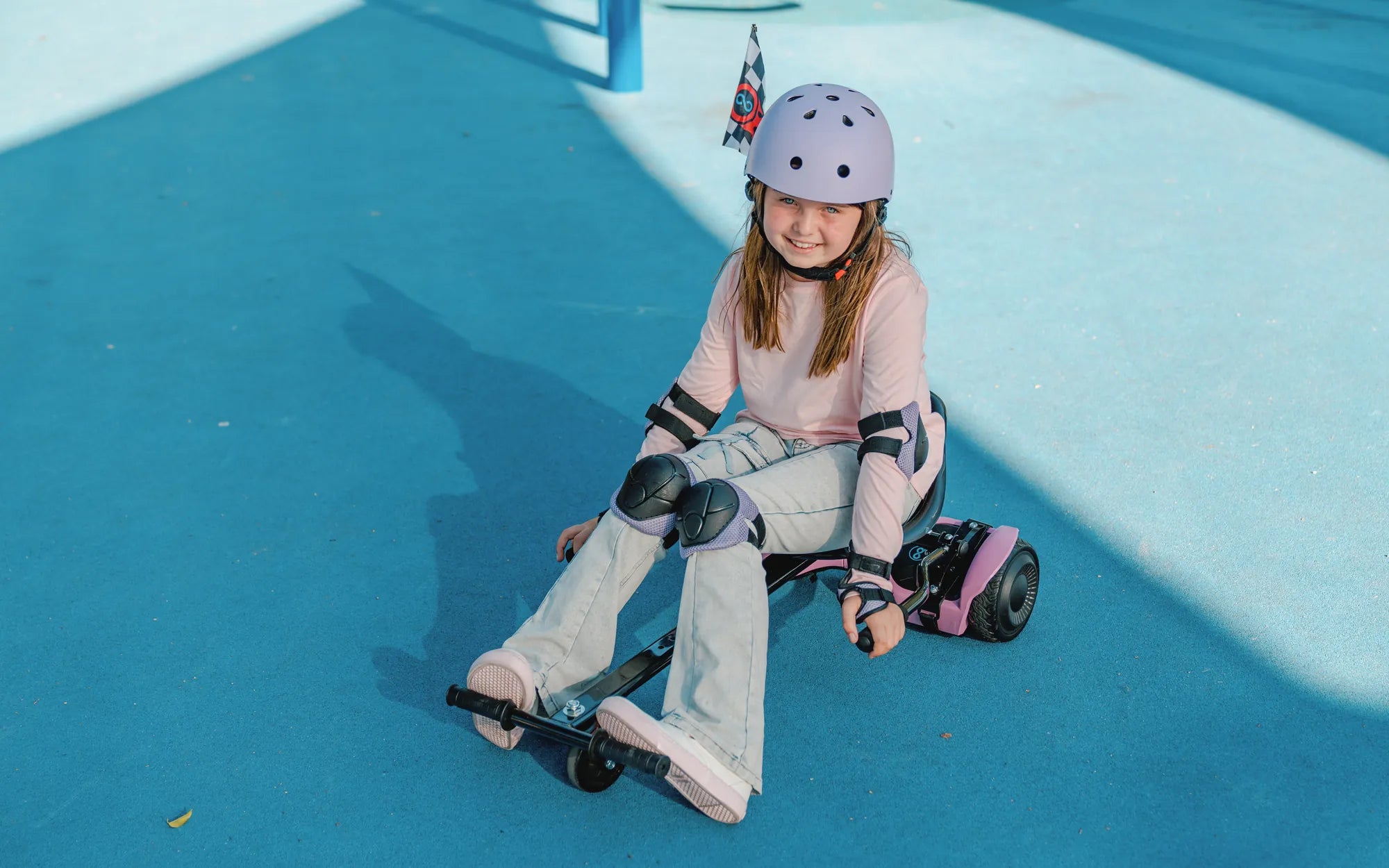
The helmet is the most critical piece. It must be certified (CPSC, CE, or ASTM), fit snugly without rocking, and sit level on the head, covering the forehead. Knee and elbow pads should have hard plastic caps and secure straps. Closed-toe shoes with good grip and high-visibility clothing or reflective elements are also mandatory for being seen.
Establish clear riding rules from day one. Ride only on smooth, paved surfaces like sidewalks, bike paths, or empty parking lots—never on roads. Always require adult supervision for younger children. Perform a pre-ride "ABC Check": Air in tires, Brakes working, and Clamps/handlebars secure. Teach your child to avoid wet leaves, sand, and steep hills until they are highly proficient.
Maintenance and Care: Extending Your Scooter's Life
Regular maintenance ensures safety and longevity. A simple weekly check takes only minutes but can prevent accidents. Tighten all bolts and clamps, especially those on the folding mechanism, handlebar stem, and wheels. Loose parts are a major safety hazard.
For kick scooters, inspect wheels for wear and debris, and ensure they spin freely. For electric models, follow the manufacturer's battery care guidelines. Gyroor recommends storing batteries in a cool, dry place and avoiding complete discharge. Keep the scooter clean from dirt and grime, and store it indoors to protect it from the elements, which will preserve bearings and electronic components.
Parent's FAQ: Your Top Questions Answered
Q1: What is the best age to start my child on a 2-wheel scooter?
A: Most children develop the necessary balance and coordination between ages 3 and 5. Start with a model where the handlebars are no higher than their chest, and always begin in a safe, flat, open area with full gear.
Q2: How do I maintain a kick scooter?
A>Regularly check and tighten all bolts. Clean the deck and wheels to prevent grit from damaging bearings. Lubricate the folding mechanism and wheel bearings occasionally with a silicone-based lubricant. For electric models, keep the battery charged between 30-80% for optimal longevity when not in use for extended periods.
Q3: Are Gyroor scooters difficult to assemble?
A>Most Gyroor scooters arrive 90% pre-assembled. Typically, assembly involves attaching the handlebars to the stem and securing them with the provided clamp—a process that takes about 5-10 minutes with basic tools. All necessary tools and clear instructions are included in the box.
Q4: What is the battery life and range on electric-assist models?
A>Range varies by model, rider weight, and terrain. A typical Gyroor kids' electric scooter offers a range of 6-10 miles on a single charge. The UL-certified battery packs are designed for 500+ charge cycles, meaning years of reliable use with proper care. Charging time is usually 3-5 hours.
Q5: How does the 1-year warranty work?
A>Gyroor's warranty covers defects in materials and workmanship for one year from the date of purchase. It includes the frame, motor, and battery. Customers should register their product and contact customer support with proof of purchase for any issues. The warranty is a testament to the brand's confidence in its build quality.
Conclusion: Investing in Adventures and Confidence
Choosing the right 2 wheel kick scooter for kids is an investment that pays dividends in laughter, exercise, and growing self-assurance. It's a vehicle for childhood exploration that builds foundational physical and cognitive skills. The key is to prioritize safety through proper gear, clear rules, and a scooter built to rigorous standards.
By focusing on fit, essential safety features, and reputable engineering—like the UL-certified batteries and robust construction found in Gyroor scooters—you secure more than a product. You secure peace of mind, knowing your child's adventures are supported by a tool designed for fun and safety. The memories created on that scooter will far outlast its initial cost.
Ready to find the perfect scooter for your young explorer? Browse the full Gyroor collection, featuring UL-certified, durable models for every age and stage, at gyroorboard.com.
Most Popular Kids Scooter: The Ultimate Guide for Parents
Why Does Hoverboard Beep When Going Fast: Understanding the Safety Alerts