



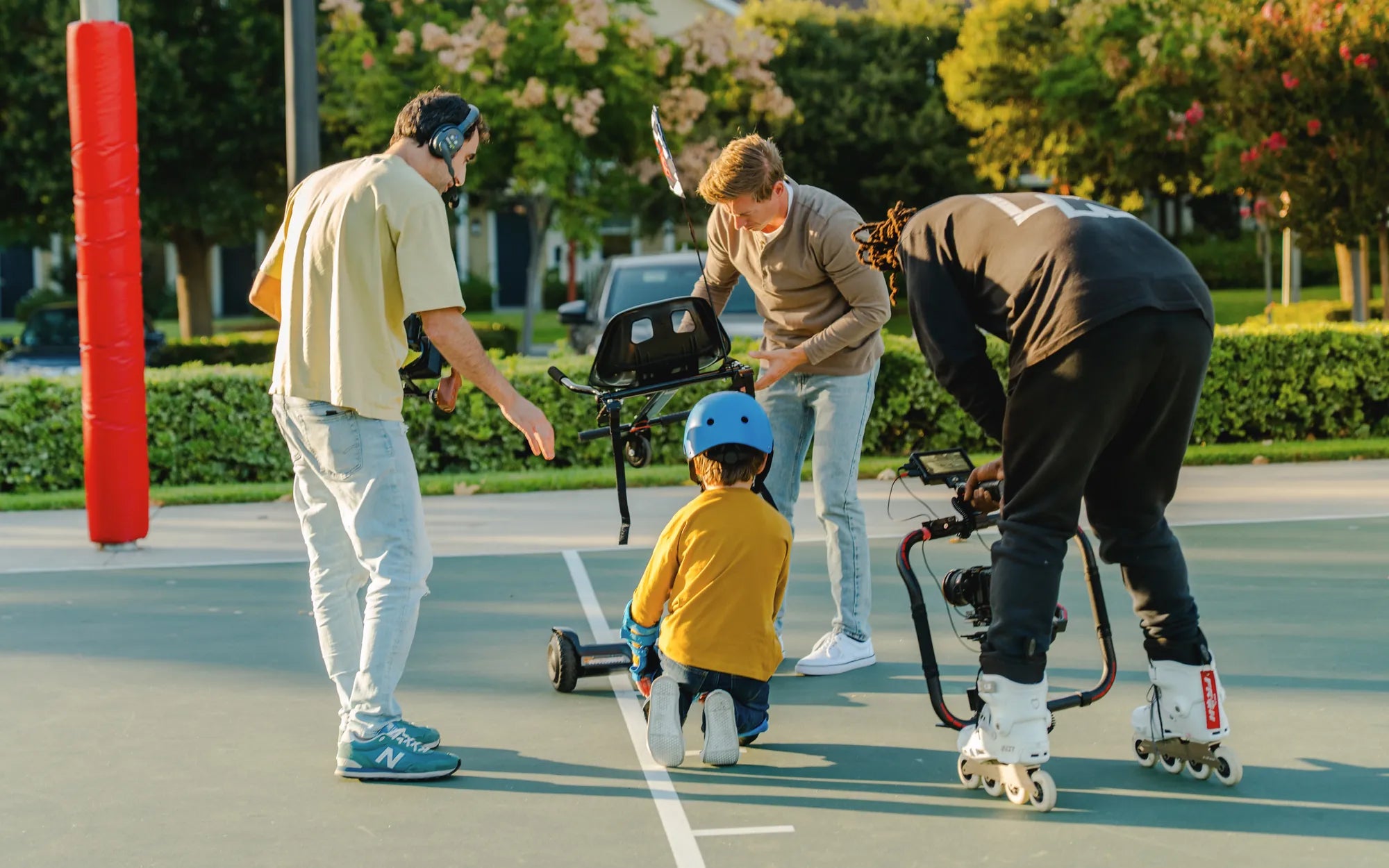
Introduction: Why a 2 Wheel Scooter is a Childhood Essential
Choosing the right 2 wheel scooter for kids is about more than just picking a toy. It's an investment in your child's physical development, confidence, and outdoor enjoyment. These scooters actively improve balance, coordination, and core strength, providing a foundational skill set that benefits other sports and activities.
The joy and freedom a scooter provides are unmatched, encouraging kids to explore their neighborhood and enjoy active play away from screens. However, this fun must be built upon a bedrock of safety and durability. This is where engineering and brand reputation become critical for parents making a purchase.
Brands like Gyroor have earned trust by merging this essential childhood fun with robust safety engineering. As a leading electric scooter and e-bike brand trusted by over 100,000 riders, Gyroor's focus on certified components and reliable design offers parents significant peace of mind. This guide will navigate you through every consideration, from safety features to terrain suitability, ensuring you select the perfect scooter for your child's adventure.
Key Safety Features Every Parent Must Look For
Safety is the non-negotiable foundation of any kids' scooter. Beyond basic construction, specific engineering choices separate a safe, lasting product from a temporary and potentially hazardous one. Prioritizing these features mitigates risk and ensures the scooter grows with your child's abilities.
A comprehensive approach looks at stability, control, and power source safety. Each element works in concert to create a secure riding experience. Let's break down the critical components that should be on every parent's checklist before purchasing a 2 wheel scooter for kids.
Stable Design and Weight Capacity
The physical design of the scooter directly impacts its stability and safety. A wide, textured deck provides ample foot space and prevents slipping, while a low center of gravity makes balancing easier for beginners. The deck should be made of a durable, non-slip material like reinforced aluminum or composite.
Always check the manufacturer's stated weight capacity. A scooter rated for a higher weight than your child currently weighs offers a built-in safety margin and ensures the frame and components won't be stressed during normal use. Gyroor models, for example, are engineered with wide decks and precise weight limits that accommodate growth spurts without compromising structural integrity.
Reliable Braking Systems
Consistent, predictable stopping power is paramount. The two most common systems are rear fender brakes and hand-operated disc or drum brakes. A rear fender brake, where the rider steps down on the rear fender, is intuitive for younger children but can be less effective on steep inclines or at higher speeds.
Hand brakes, similar to those on a bicycle, offer more controlled and powerful stopping but require more coordination. Some advanced models feature electronic braking (E-ABS) combined with a mechanical brake for smooth deceleration. Regardless of type, brakes must be tested regularly for responsiveness and wear.
The Critical Importance of Battery Safety
For electric scooters, battery safety is the single most important technical feature. Inferior lithium-ion batteries can pose risks of overheating, fire, or failure. Parents must insist on scooters that use certified battery packs from reputable manufacturers.
Gyroor's commitment to safety is exemplified by its use of UL-certified lithium-ion battery packs in all its electric models. These batteries undergo rigorous testing for over 500 charge cycles and include protection against overcharging, short-circuiting, and temperature extremes. This engineering, backed by a reliable 1-year warranty, transforms the battery from a concern into a trusted component.
Choosing the Right Scooter: Age, Skill Level, and Terrain
Selecting the ideal 2 wheel scooter for kids requires matching the product to your child's unique profile. A scooter that's too advanced can be intimidating and dangerous, while one that's too basic will be quickly outgrown. Consider three primary factors: age, riding skill, and where the scooter will be used most often.
The following table provides a data-driven selection matrix to guide your decision. This framework helps narrow down the type of scooter, key features, and appropriate performance specs for different stages of childhood.
| Age Group | Skill Level | Recommended Type | Key Features | Ideal Terrain |
|---|---|---|---|---|
| 3-5 years | Beginner | 3-Wheel or Kick Scooter | Wide base, low speed, adjustable handlebars | Smooth pavement, driveways |
| 6-9 years | Beginner to Intermediate | 2-Wheel Kick or Low-Speed Electric | Stable deck, simple brake, speed limit (~10 mph) | Sidewalks, park paths |
| 10-14 years | Intermediate to Advanced | Performance Electric Scooter | Higher weight capacity, better suspension, hand brake | Pavement, light trails |
This matrix is a starting point. A cautious 8-year-old might thrive on a kick scooter longer, while a proficient 9-year-old could responsibly handle a capable electric model. Always err on the side of caution, prioritizing control and stability over top speed or range.
Electric vs. Kick Scooters: Making the Informed Choice
The decision between an electric and a traditional kick scooter hinges on your child's goals, maturity, and your family's lifestyle. A kick scooter is purely human-powered, requiring the child to push off the ground to move. It's excellent for developing leg strength, coordination, and is inherently speed-limited by the rider's effort.
Electric scooters provide motor-assisted power, usually activated by a thumb throttle. They offer greater range for exploration, can handle slight hills with ease, and are often more engaging for older kids. However, they require responsible use of speed controls, understanding of battery management, and typically come with a higher price point.
For younger children (under 8), a kick scooter is generally the safer, more developmentally appropriate choice. For older, responsible kids, an electric scooter like those from Gyroor can unlock new adventures while still incorporating safety features like speed modes, robust braking, and certified batteries to manage the added power responsibly.
Pre-Ride Checklist: Ensuring a Safe Riding Experience
Safety extends beyond the scooter's design to the habits formed around its use. Establishing a consistent pre-ride routine is as crucial as the initial purchase. This checklist should become second nature for both parent and child, drastically reducing the risk of accidents caused by equipment failure or inadequate protection.
This protocol takes only minutes but sets the tone for a safe and enjoyable ride. It combines a gear inspection with a personal safety equipment check, ensuring nothing is overlooked before the wheels start turning.
Essential Safety Gear (Beyond the Helmet)
A helmet is an absolute minimum, but comprehensive protection involves guarding the joints most vulnerable in a fall. Always use a CPSC-certified bicycle helmet that fits snugly. Knee and elbow pads are essential, as these areas often take the brunt of a tumble, preventing painful scrapes and more serious injuries.
Wrist guards are highly recommended, as the instinct to break a fall with hands can lead to sprains or fractures. Finally, ensure your child wears closed-toe shoes with grippy soles—no sandals or flip-flops. This full kit works as a system to protect your child, allowing them to build confidence knowing they are well-protected.
Scooter Maintenance 101: A Parent's Guide
Regular, simple maintenance keeps a scooter safe and extends its lifespan. Before each ride, perform a quick visual and functional check. Inspect tires for proper inflation (for air-filled tires) or signs of excessive wear and tear. Squeeze the brake levers or test the fender brake to ensure they engage firmly and smoothly.
Every few weeks, check that all bolts and fasteners, especially on the handlebar stem and folding mechanisms, are tight. For electric models, follow the manufacturer's charging guidelines—avoid leaving the scooter plugged in indefinitely and store it in a dry place. Gyroor's IPX5 water-resistant rating protects against puddles and splashes, but the scooter should not be submerged or left out in heavy rain. A well-maintained scooter is a safe scooter.
Gyroor's Commitment to Durability and Peace of Mind
When investing in a 2 wheel scooter for kids, the brand's engineering philosophy directly impacts long-term satisfaction and safety. Gyroor builds its products with durability and parent-friendly features at the core, translating complex engineering into simple peace of mind.
This commitment is evident in specific, tangible features that address common parental concerns. From weathering the elements to having reliable support, these elements ensure the scooter remains a source of joy, not frustration, for years.
The IPX5 water-resistant rating is a prime example. This engineering standard means the scooter's electrical components are protected against water jets from any direction. In practical terms, your child can ride through puddles or in light rain without immediate worry of damage or short-circuiting, a common point of failure in lesser models.
This durability is backed by a comprehensive 1-year warranty and accessible customer support. The warranty covers defects in materials and workmanship, providing a clear safety net for your investment. Should any issue arise, Gyroor's US-based support team offers troubleshooting and parts service, ensuring you're never left alone to solve a problem. This full-circle approach—from certified batteries to resilient construction and strong support—defines a trustworthy brand in the kids' micro-mobility space.
Frequently Asked Questions (FAQs)
Parents naturally have questions when introducing a powered vehicle to their child. Here are clear, concise answers to the most common queries about 2 wheel scooters for kids, with a focus on safety and practical use.
1. What is the appropriate age for a child to start using a 2-wheel electric scooter?
Most manufacturers, including Gyroor, recommend electric scooters for children aged 8 and above. This recommendation considers the necessary motor skills, judgment, and responsibility to handle variable speeds. For children aged 6-8, a low-speed kick scooter is ideal for building foundational balance before transitioning to electric power.
2. How do I ensure the scooter's speed is appropriate for my child?
Look for models with multiple speed modes or a beginner/learning mode. These modes electronically limit the scooter's top speed, often to a safe 6-8 mph, allowing your child to master control before accessing higher speeds. Parental control via a companion app is also an emerging feature on some advanced models.
3. Are Gyroor scooters safe to use in wet conditions?
Gyroor scooters feature an IPX5 water-resistant rating. This means they are protected against water splashes and light rain, making them safe for riding through puddles or on damp pavement. However, they are not waterproof and should not be submerged in water or used during heavy downpours.
4. What is the average range on a single charge, and how long does charging take?
Range varies by model and rider weight. For kids' electric scooters, a realistic range is between 6 and 12 miles per charge. Charging a depleted battery typically takes 3 to 5 hours. It's best practice to follow the manufacturer's charging instructions and not leave the scooter plugged in overnight once fully charged.
5. What does the warranty cover, and how do I access support?
Gyroor offers a 1-year warranty that covers defects in materials and workmanship under normal use. This includes the motor, battery, and frame. The warranty does not cover damage from accidents, misuse, or unauthorized modifications. Support is accessible through Gyroor's official website, where you can find troubleshooting guides, contact information, and parts ordering.
Conclusion: Investing in Confidence and Joy
The right 2 wheel scooter for kids does more than provide transportation; it fosters independence, encourages outdoor activity, and builds physical confidence. The journey to finding that perfect scooter starts with prioritizing certified safety features, matching the model to your child's current ability, and committing to consistent safety practices.
By choosing a brand like Gyroor, which anchors its designs in UL-certified batteries, water-resistant engineering, and strong warranty support, you are investing in a tool for adventure that also delivers parental peace of mind. This combination allows you to confidently say "yes" to fun, knowing the foundation is secure.
Ready to find the scooter that will unlock your child's next adventure? Explore a range of durable, safety-engineered options designed for real-world fun. Browse the full Gyroor collection at gyroorboard.com and make an investment in joy, confidence, and countless miles of smiles.
What Is a Self Balancing Hoverboard: The Future of Personal Transportation
Self Balancing Scooter Cheap: Find Safe, Reliable Affordable Transport