


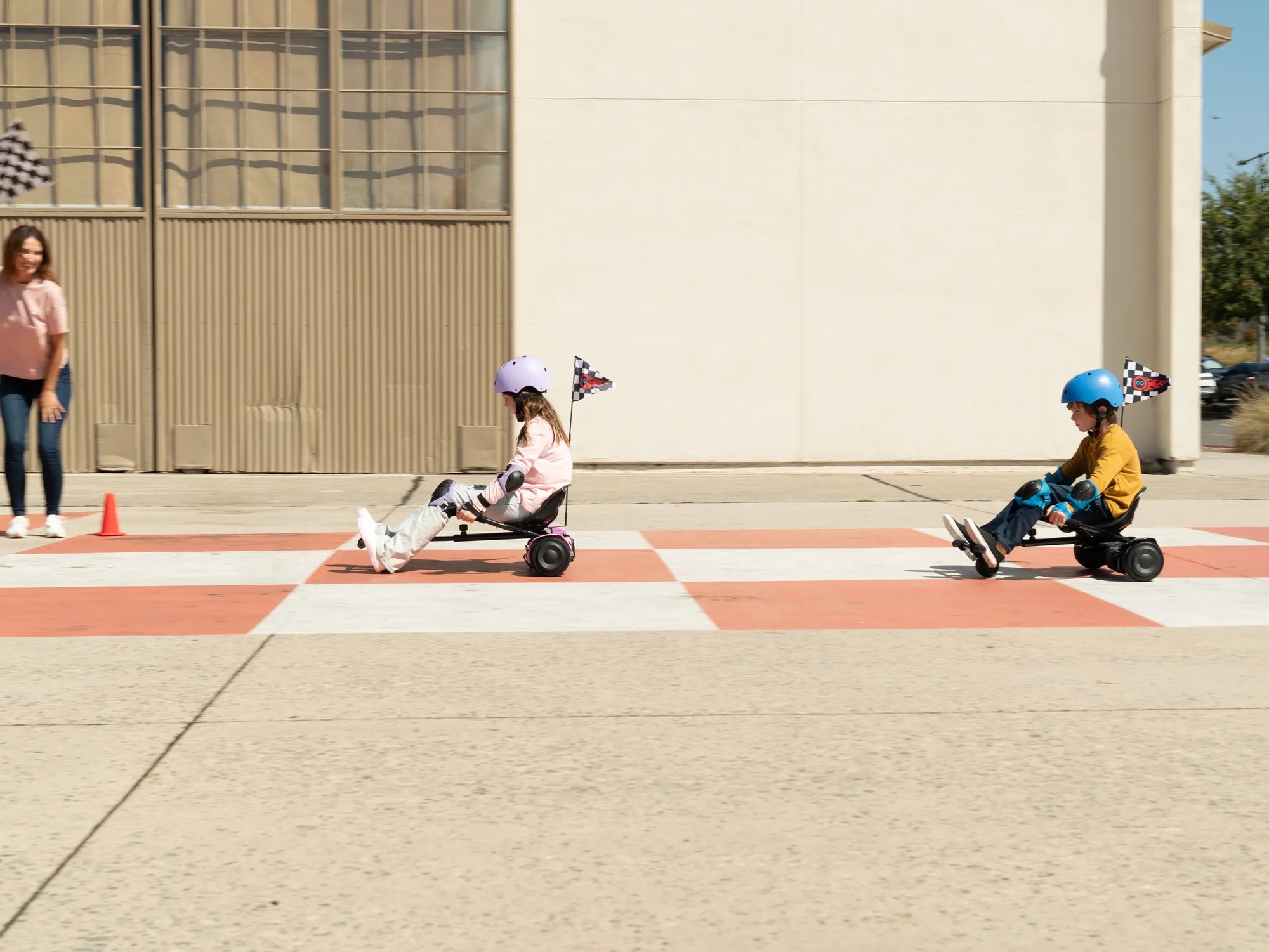
Imagine the sight of a tiny 2-year-old zipping around on a hoverboard—adorable, thrilling, and perhaps a little nerve-wracking for parents. While hoverboards have become a popular gadget for older kids and adults, the idea of a toddler riding one raises eyebrows. Is it safe? What are the risks? And how can parents ensure their child’s safety while still allowing them to have fun? This article dives deep into the world of 2-year-olds riding hoverboards, covering everything from developmental readiness to essential safety tips.
Is a Hoverboard Safe for a 2-Year-Old?
The short answer: it depends. Hoverboards are designed for older children and adults, typically with a minimum age recommendation of 8 years or older. A 2-year-old lacks the physical coordination, balance, and cognitive skills to operate a hoverboard safely. Their small size and developing motor skills make them more prone to accidents, including falls and collisions. Even with parental supervision, the risks are significant.
Developmental Considerations
At 2 years old, children are still mastering basic movements like walking, running, and climbing. Their balance and reflexes are not fully developed, making it difficult to control a hoverboard. Additionally, their ability to understand and follow safety instructions is limited. While some toddlers may appear fearless, their lack of experience and judgment increases the likelihood of injury.
Potential Risks and Hazards
Allowing a 2-year-old to ride a hoverboard comes with several risks:
- Falls: Hoverboards require precise balance, and toddlers are prone to tipping over.
- Collisions: A young child may not be able to steer or stop the hoverboard in time.
- Speed: Even at low speeds, a hoverboard can be too fast for a toddler to handle.
- Battery and Electrical Hazards: Cheap or faulty hoverboards can overheat or malfunction.
Parental Guidance and Safety Measures
If you’re determined to let your 2-year-old try a hoverboard, extreme caution is necessary. Here are some safety measures to consider:
- Supervision: Never leave your child unattended on a hoverboard.
- Protective Gear: Always use a helmet, knee pads, and elbow pads.
- Slow Speeds: Choose a hoverboard with a beginner mode or speed limiter.
- Safe Environment: Ride on flat, smooth surfaces away from traffic or obstacles.
Alternatives to Hoverboards for Toddlers
Instead of a hoverboard, consider safer alternatives that still provide fun and mobility:
- Balance Bikes: Helps toddlers develop coordination without the risk of high speeds.
- Tricycles: A stable, pedal-powered option for young children.
- Push Cars: Allows toddlers to scoot around without the complexity of a hoverboard.
Legal and Manufacturer Guidelines
Most hoverboard manufacturers explicitly state that their products are not intended for children under 8. Some countries and states also have age restrictions for hoverboard use. Always check local regulations and product guidelines before allowing a toddler to ride.
When Is the Right Age for a Hoverboard?
While every child develops at their own pace, experts generally agree that hoverboards are best suited for kids aged 8 and up. By this age, children have better balance, coordination, and the ability to follow safety rules. Even then, proper supervision and protective gear are essential.
Watching a 2-year-old ride a hoverboard might seem like a fun idea, but the risks far outweigh the rewards. Instead of rushing into hoverboard adventures, focus on age-appropriate activities that keep your child safe while still encouraging their sense of exploration. When the time is right—and your child is ready—you can introduce them to the exciting world of hoverboards with confidence and peace of mind.
Cute Hoverboard Cheap: The Ultimate Guide to Stylish and Affordable Rides
48 Volt Hoverboard: The Ultimate Guide to Power and Performance