



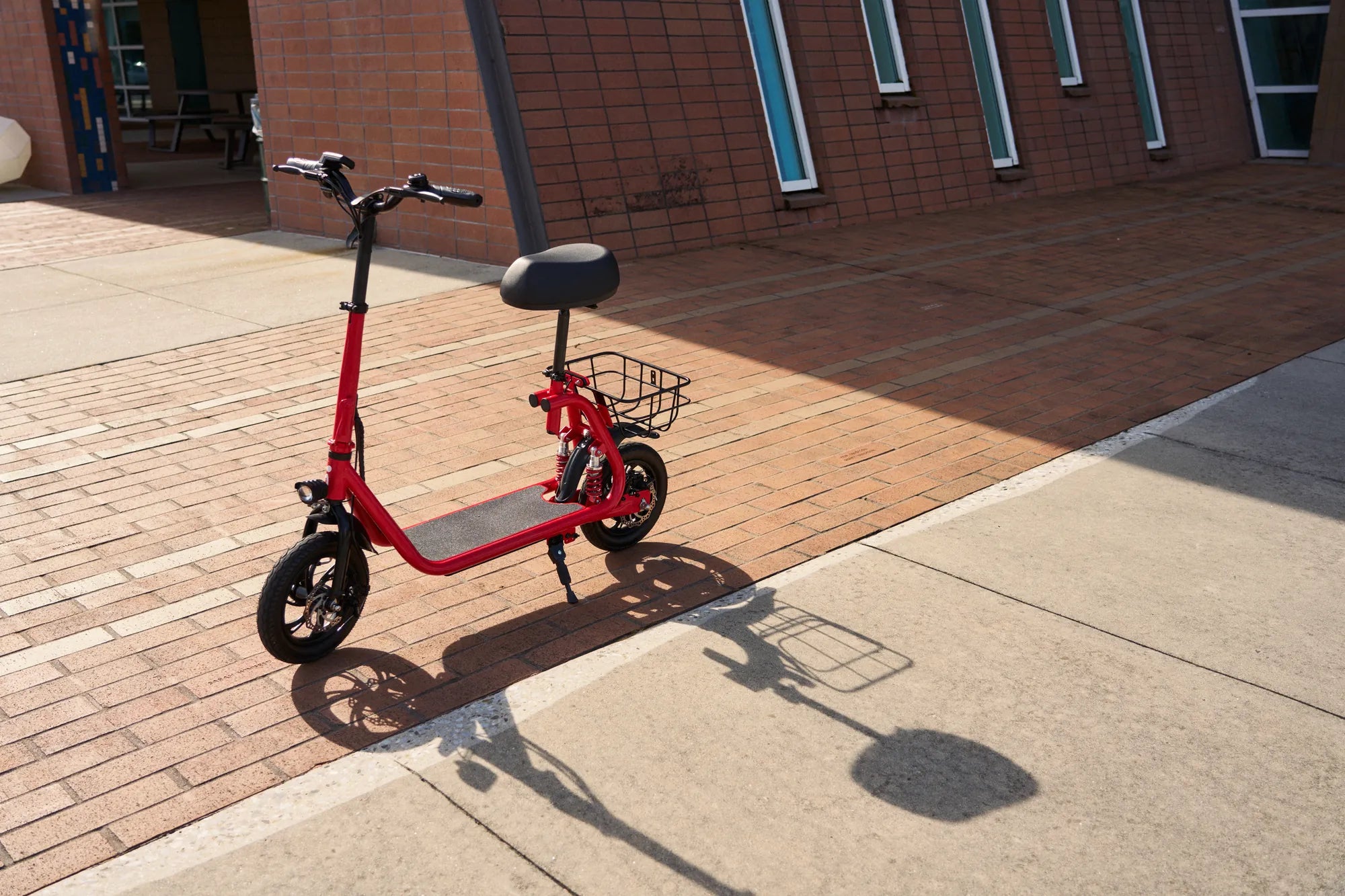
Introduction to 20 mph Mobility Scooters in the UK
A 20 mph mobility scooter represents a significant step up in personal mobility for those requiring assistance. In the UK, these faster scooters are legally classified as Class 3 invalid carriages, designed for users who need to travel longer distances or keep pace with urban traffic. This guide will provide a detailed examination of the 20 mph mobility scooter UK landscape, from the strict legal framework to the critical safety features and practical buying advice you need.
The primary benefit of a 20 mph mobility scooter is the expansion of personal freedom. It allows for efficient commuting to shops, medical appointments, or social engagements across greater distances than a standard 4 mph pavement scooter. Understanding the rules is paramount, as misuse can lead to fines and endanger the rider and others.
We will dissect the DVLA registration process, explore the engineering behind stable high-speed travel, and highlight the non-negotiable safety specs, such as UL-certified batteries. Brands like Gyroor, trusted by over 100,000 riders, exemplify the commitment to certified safety and reliability that should be your benchmark.
By the end of this guide, you will be equipped to navigate the purchase of a 20 mph mobility scooter in the UK with confidence, ensuring your choice enhances your independence safely and legally.
Understanding the Legal Landscape: Class 3 Scooters
The law in the UK is very specific about 20 mph mobility scooters. They are defined as Class 3 invalid carriages under the Use of Invalid Carriages on Highways Regulations 1988. This classification brings both greater capability and greater responsibility compared to Class 2 (4 mph, pavement-only) models.
The most critical legal step is registration with the Driver and Vehicle Licensing Agency (DVLA). You must register your Class 3 scooter for road use, and it requires a type approval certificate to prove it meets safety and construction standards. You will receive a unique identification number and must display a 'nil value' tax disc.
On the road, a 20 mph mobility scooter is limited to a maximum speed of 8 mph (12.8 km/h). However, it can be used on dual carriageways only if it is fitted with a flashing amber beacon. On pavements and in pedestrianised areas, the speed must not exceed 4 mph. It is illegal to use a Class 3 scooter on motorways, bus lanes, or cycle lanes.
There is no driving license required, but you must be 14 or older. You should have eyesight that meets the minimum standard for driving, and it is strongly recommended you have insurance. Understanding and adhering to these rules is not optional; it is a fundamental part of safe and lawful operation.
Key Features to Look for in a 20 mph Scooter
Not all 20 mph mobility scooters are created equal. The increased speed and potential for road use demand a higher standard of engineering, safety, and reliability. When evaluating models, several key features separate a trustworthy vehicle from a potentially hazardous one.
The core components—frame, battery, brakes, and suspension—must be designed to handle sustained higher speeds. Compromises in these areas can lead to instability, inadequate stopping power, or premature failure. Your safety depends on the quality of these fundamental parts.
Look for specifications that indicate robust construction. A wider wheelbase enhances stability. A full lighting suite (bright headlight, tail lights, brake lights, and indicators) is essential for visibility. Comprehensive warranty coverage, like Gyroor's reliable 1-year warranty, signals manufacturer confidence in their product's durability.
Safety and Stability at Higher Speeds
Stability is the foremost concern at 8 mph on the road. A quality 20 mph mobility scooter will have a low centre of gravity and a wide, reinforced chassis. Front and rear suspension systems are crucial for absorbing bumps and maintaining tyre contact with the road, preventing loss of control.
The braking system must be powerful and responsive. Look for dual braking systems, often combining an electronic (regenerative) brake with a mechanical disc or drum brake. This provides redundancy; if one system fails, the other can bring the scooter to a safe stop. Anti-tip wheels at the rear are another vital safety feature.
Effective lighting is a legal and safety requirement. Beyond being seen, you need to see. A powerful LED headlight, reflectors, and working indicators are mandatory for road use. These features ensure you can signal your intentions to other road users clearly and navigate safely in low-light conditions.
Battery Range and Reliability
The advertised range of a 20 mph mobility scooter is a theoretical maximum. Real-world range is affected by rider weight, terrain, temperature, and use of accessories. A scooter claiming a 30-mile range might achieve 20-25 miles in typical UK conditions with moderate hills.
Battery safety is non-negotiable. Insist on a scooter that uses UL-certified lithium-ion battery packs, like those standard in Gyroor's lineup. These batteries undergo rigorous testing for over 500 charge cycles, thermal stability, and short-circuit protection. Non-certified batteries pose a significant fire risk.
Consider the battery's amp-hour (Ah) rating. A higher Ah rating generally indicates a longer potential range. Also, check the charger type; a smart charger that prevents overcharging will extend battery life. A reliable battery is the heart of your mobility, and cutting corners here is dangerous.
Comfort and Practicality for Daily Use
Comfort directly impacts how often and how far you'll use your scooter. An adjustable, swivel seat with ample padding and good back support is essential. The tiller (steering column) should also be adjustable to achieve a comfortable, ergonomic riding position.
Practicality for UK weather is key. An IPX5 water-resistant rating means the scooter's electrical components are protected against water jets from any direction, making it safe to use in rain. A canopy or weather cover provides additional protection for the rider. Ample storage is a must; look for a sturdy front basket and a lockable rear storage compartment.
User-friendly controls, including a clear display showing speed and battery level, and intuitive switches for lights and indicators, reduce cognitive load while riding. These features transform the scooter from a mere vehicle into a reliable partner for daily life.
Top Considerations Before You Buy
Purchasing a 20 mph mobility scooter is a significant decision. Beyond the specifications sheet, several practical considerations will determine whether a particular model is the right fit for your lifestyle and environment.
First, honestly assess your primary use case. Map your most frequent journeys. Do you need to navigate steep hills regularly? What is the maximum distance you plan to travel between charges? Will you need to transport the scooter in a vehicle? Answering these questions will narrow your search to models with suitable power, range, and portability (often via a quick-disconnect feature).
A test ride is absolutely essential. This is the only way to judge comfort, stability, ease of control, and whether the scooter fits in your intended storage space at home. Pay attention to the turning circle, the smoothness of acceleration and braking, and overall ride quality.
Investigate the warranty and after-sales support in detail. A comprehensive 1-year warranty that covers the frame, electronics, and battery, backed by accessible customer service, is a strong indicator of a reputable brand. Gyroor's commitment to US-based support for its European customers sets a high standard for post-purchase care. Finally, budget for insurance; it is a small price for significant peace of mind.
Comparing Your Options: What Makes a Scooter Trustworthy?
With numerous models on the market, a structured comparison is vital. The table below outlines the critical specifications you should compare. It highlights why certain features are not mere luxuries but fundamental requirements for a safe, durable 20 mph mobility scooter in the UK.
| Feature | Trustworthy Benchmark | Why It Matters |
|---|---|---|
| Top Speed (Road Legal) | 8 mph (adjustable) | The legal maximum on UK roads. A scooter that cannot limit its speed is not road-legal. |
| Maximum Claimed Range | 30-45 miles | Indicates battery capacity. Allows for real-world usage without range anxiety. |
| Battery Certification | UL-Certified Lithium-ion | Guarantees safety testing for fire risk, longevity (500+ cycles), and performance stability. |
| Water Resistance | IPX5 Rating | Essential for UK weather. Protects critical electronics from rain and puddle splashback. |
| Braking System | Dual System (Electronic + Mechanical) | Provides failsafe stopping power. Essential for safety at higher speeds and on inclines. |
| Warranty Coverage | 1 Year Comprehensive (Frame, Electronics, Battery) | Demonstrates manufacturer confidence and protects your investment from defects. |
As the table demonstrates, specs like UL-certification and IPX5 rating are critical filters. A scooter lacking these may be cheaper upfront but carries higher long-term risk and potential cost. The engineering philosophy behind brands like Gyroor, which builds these standards into its core design, should inform your evaluation of any model.
Maintenance and Safety Best Practices
Ownership of a 20 mph mobility scooter requires a commitment to regular maintenance. Proper care ensures safety, reliability, and extends the lifespan of your investment, protecting its value and your well-being.
Establish a simple weekly check. Inspect tyre pressure and tread for wear. Test all lights and indicators. Ensure the brakes engage smoothly and firmly. Check that the battery terminals are clean and secure. A quick five-minute inspection can prevent most common issues.
Battery care is paramount. Avoid completely draining the battery. Where possible, recharge after each use and store the scooter in a cool, dry place. Use only the manufacturer-provided charger. Adhering to these practices will help achieve the battery's full 500+ cycle lifespan. Schedule an annual professional service to check the motor, bearings, and electrical connections.
Safe riding habits are as important as machine maintenance. Always wear your seatbelt. Be hyper-aware of your surroundings, especially when transitioning between pavement and road. Use your indicators well in advance of turns. Adjust your speed for conditions—slow down in wet weather, on crowded pavements, and on uneven surfaces. Your vigilance is the most important safety feature.
Frequently Asked Questions (FAQs)
Q: Do I need a driving license for a 20 mph mobility scooter in the UK?
A: No, a driving license is not required. However, you must be at least 14 years old, and the scooter must be registered with the DVLA for road use.
Q: Can I use my Class 3 scooter on the pavement?
A: Yes, but you must limit your speed to 4 mph (walking pace) to ensure the safety of pedestrians. The full 8 mph speed is only permitted on the road.
Q: Is insurance compulsory for a 20 mph mobility scooter?
A> While not a legal requirement, it is highly recommended. Third-party insurance can protect you against significant costs if you are involved in an accident causing injury or damage.
Q: Are 20 mph mobility scooters allowed on dual carriageways?
A: They are only permitted on dual carriageways if the scooter is fitted with a flashing amber beacon. Due to high traffic speeds, this is generally discouraged for safety reasons.
Q: What is the difference between Class 2 and Class 3 scooters?
A: Class 2 scooters have a maximum speed of 4 mph and are for pavement use only. They do not require DVLA registration. Class 3 scooters can go up to 8 mph on roads, must be registered, and can be used on pavements at 4 mph.
Q: How do I register my scooter with the DVLA?
A> You need to complete form V55/4 for registering a new vehicle, provide a copy of the certificate of conformity (type approval), and proof of your name and address. There is no fee for registration.
Conclusion: Enhancing Mobility with Confidence
A 20 mph mobility scooter can be transformative, restoring a sense of freedom and connection for those with mobility challenges. The key to a positive experience lies in informed, responsible ownership. This means respecting the legal framework, prioritising certified safety features above all else, and committing to regular maintenance.
Choosing a scooter built to reputable standards, with UL-certified batteries, IPX5 water resistance, and a robust warranty, is an investment in your long-term safety and independence. The detailed comparison and guidelines provided here are designed to empower you to make that choice with clarity.
Your journey to greater mobility should begin with research, be solidified by a thorough test ride, and be sustained by safe riding practices. By following this path, you ensure that your 20 mph mobility scooter becomes a reliable asset, safely expanding your world for years to come.
For those seeking electric mobility solutions engineered with a focus on certified safety and reliability, explore the technology and design philosophy behind leading brands. Browse the full Gyroor collection at gyroorboard.com to see how advanced engineering prioritises rider safety and performance.
45mph Scooter: The Ultimate Guide to High-Speed Electric Mobility
45mph Scooter: The Ultimate Guide to High-Speed Electric Mobility