



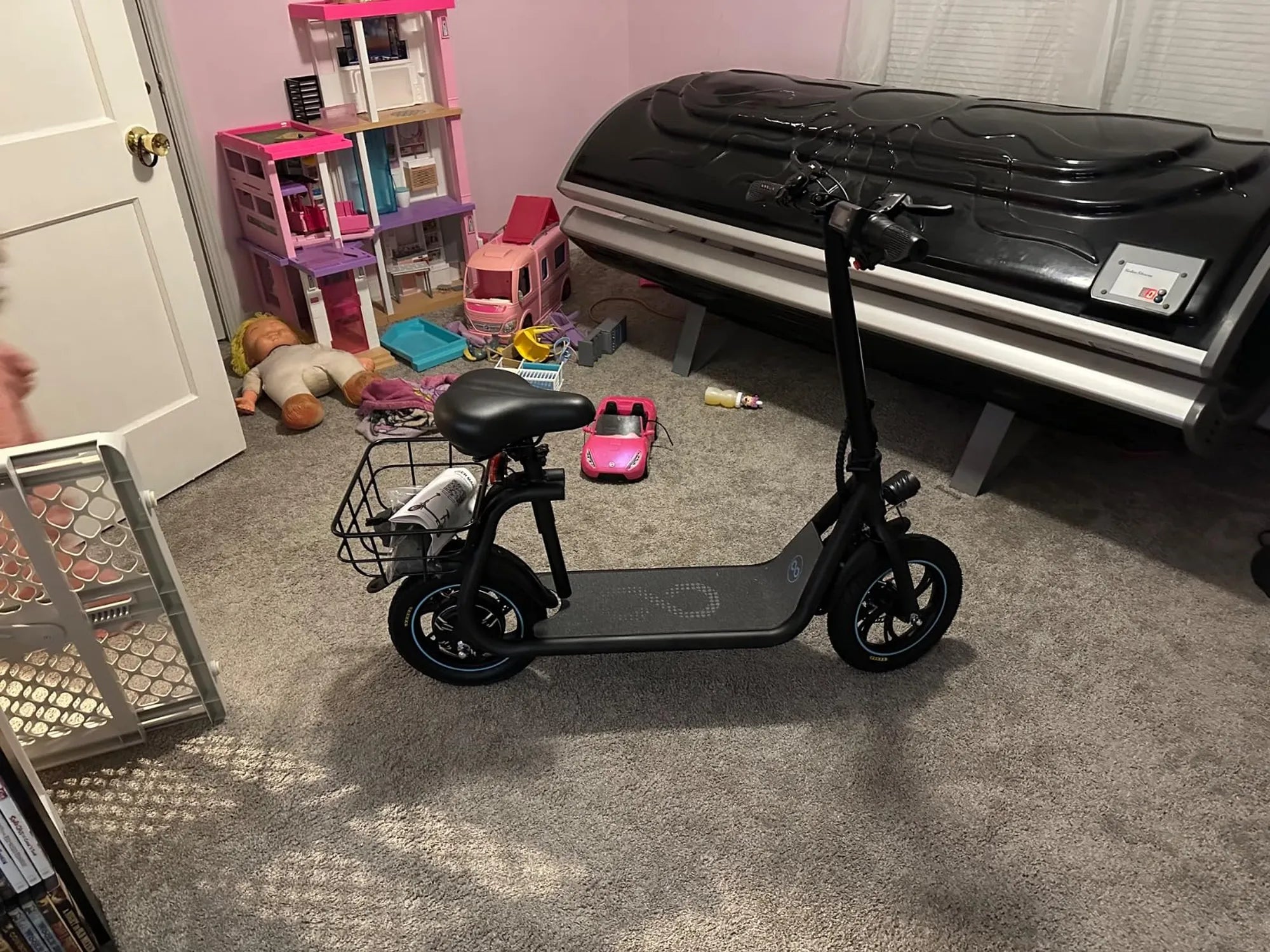
Imagine zipping through city streets or open highways at a staggering 200 mph on an electric scooter—no emissions, no noise, just pure adrenaline. The idea of a 200 mph electric scooter might sound like science fiction, but advancements in battery technology, motor efficiency, and aerodynamics are bringing this futuristic vision closer to reality. This article explores the engineering marvels, safety challenges, and transformative potential of ultra-high-speed electric scooters.
The Technology Behind a 200 mph Electric Scooter
To achieve speeds of 200 mph, an electric scooter requires cutting-edge technology. Traditional electric scooters max out at around 30-50 mph, but pushing beyond that demands significant innovations. Here’s what makes a 200 mph electric scooter possible:
- High-Performance Motors: Dual or even quad electric motors with ultra-high torque and power output are essential. These motors must be lightweight yet capable of sustained high-speed performance.
- Advanced Battery Systems: Lithium-ion or solid-state batteries with ultra-fast charging and high energy density are critical. Thermal management systems prevent overheating during extreme performance.
- Aerodynamic Design: At 200 mph, air resistance becomes a major obstacle. Streamlined frames, windshields, and rider positioning reduce drag and improve stability.
- Regenerative Braking: High-speed braking requires advanced systems to recover energy while ensuring rapid deceleration without loss of control.
Safety Considerations for Ultra-High-Speed Riding
Riding a 200 mph electric scooter isn’t for the faint-hearted. Safety is paramount, and several factors must be addressed:
- Stability and Control: At such speeds, even minor bumps or wind gusts can be dangerous. Advanced suspension systems, gyroscopic stabilizers, and wide tires are necessary.
- Protective Gear: Standard helmets won’t suffice. Riders need full-body armored suits, reinforced helmets, and impact-absorbing materials.
- Smart Safety Features: AI-assisted collision detection, automatic emergency braking, and GPS-based speed limiters could prevent accidents.
The Future of Urban Mobility
A 200 mph electric scooter could revolutionize transportation, but it also raises questions about infrastructure and regulations. Dedicated high-speed lanes, stricter licensing requirements, and integration with smart city systems would be necessary. While still in development, this technology hints at a future where personal electric vehicles rival traditional cars in speed and efficiency.
Picture a world where your daily commute is cut in half, where traffic jams are a thing of the past, and where high-speed electric scooters redefine what it means to travel. The 200 mph electric scooter isn’t just a dream—it’s the next frontier in personal mobility.
Electric Scooter Mobile Charger: The Ultimate Guide to Portable Power Solutions
Best Self-Balancing Scooter Value: Top Picks for Budget-Conscious Riders