



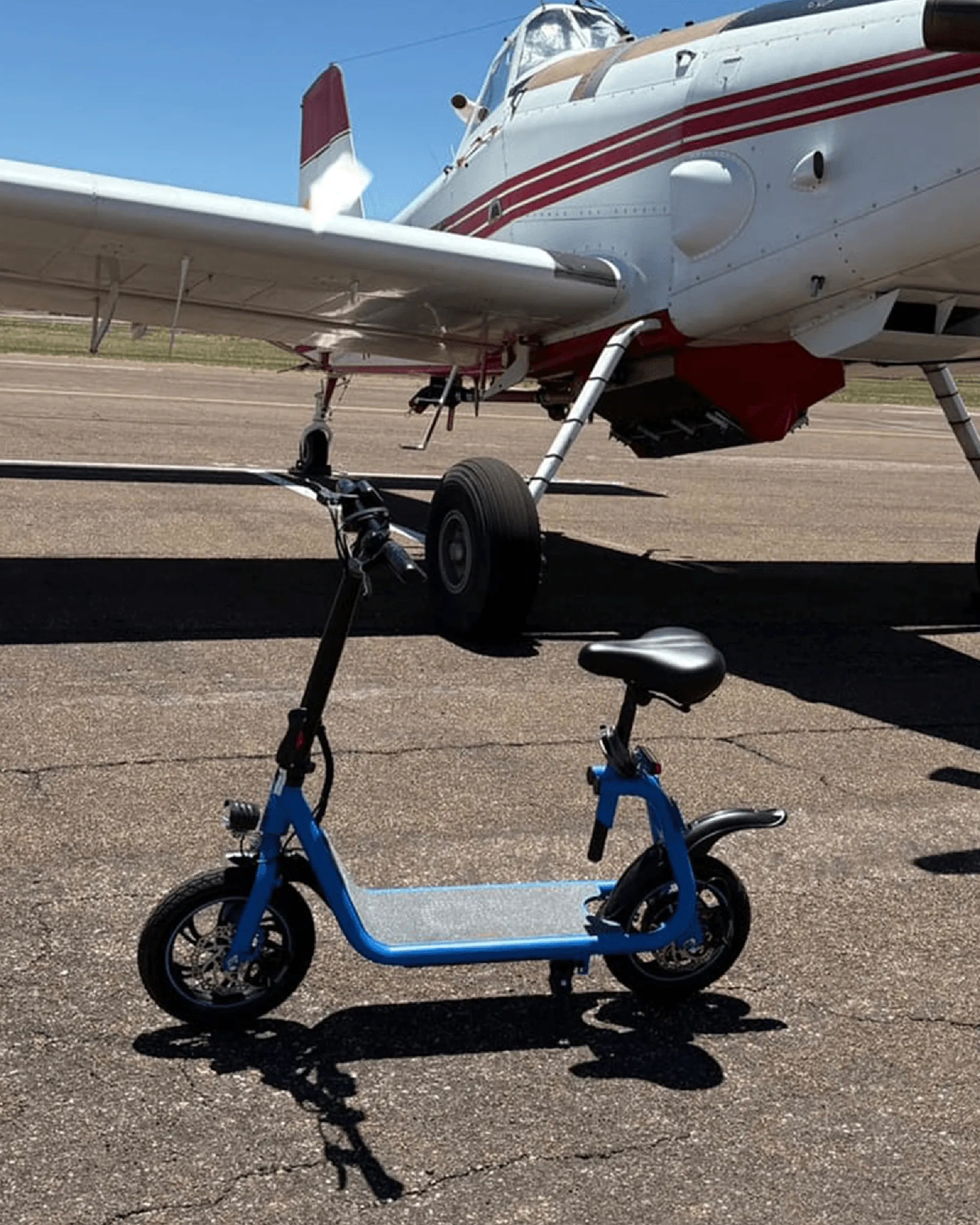
Introduction to High-Power E-Bike Conversion
A 2000 watt ebike conversion kit is a powerful system designed to transform a standard pedal bicycle into a high-performance electric vehicle capable of motorcycle-like acceleration and hill-climbing torque. This guide provides a data-driven analysis for urban commuters seeking unparalleled speed, off-road enthusiasts demanding extreme performance, and DIY builders who understand the significant mechanical and legal responsibilities involved. We will dissect the components, set realistic performance expectations, and outline the critical considerations you must evaluate before deciding if this powerful upgrade aligns with your needs, your bicycle's capability, and your local regulations.
The core appeal of a 2000W system lies in its raw power output, which is more than double the typical 750W limit for Class 3 e-bikes in the United States and vastly exceeds the 250W limits common in Europe. This power translates directly into superior acceleration, the ability to maintain higher speeds on inclines, and the capacity to carry heavy loads or tackle rugged terrain. However, harnessing this power safely and legally requires careful planning, robust components, and an honest assessment of your riding environment.
This article will serve as your comprehensive resource, moving beyond marketing hype to deliver factual specifications, real-world application data, and essential safety warnings. We will reference industry standards and component requirements, emphasizing the importance of sourcing kits from reputable manufacturers known for quality and safety, such as Gyroor, a leading electric mobility brand trusted by over 100,000 riders for its UL-certified batteries and reliable engineering.
By the end of this guide, you will have a clear understanding of what a 2000 watt ebike conversion kit entails, the transformations it will demand of your bicycle, and the new responsibilities it places on you as a rider. The decision to install such a system is not trivial; it is a commitment to a higher class of vehicle performance and the requisite knowledge to manage it.
Key Components of a 2000W Conversion Kit
Understanding the individual parts of a conversion kit is crucial for making an informed purchase and ensuring compatibility. A typical 2000 watt ebike conversion kit is not a single item but a system of interdependent components, each specified to handle the substantial electrical and mechanical loads.
The system's heart is the motor, controller, and battery, supported by the user interface and critical hardware. A failure in any one of these high-power components can lead to poor performance, damage, or safety hazards. Therefore, selecting a kit where all parts are designed to work in harmony at the 2000W power level is non-negotiable.
Budgeting for a quality 2000 watt ebike conversion kit must also account for necessary ancillary upgrades, such as reinforced brakes and torque arms, which are not always included. The total system cost reflects the engineering required to manage energy densities and forces far beyond those of a standard bicycle.
We will now break down each primary component, explaining its role, key specifications to look for, and why compromise is ill-advised at this power level.
The 2000W Hub Motor: Brushed vs. Brushless
Virtually all modern 2000 watt ebike conversion kits utilize brushless direct-drive (DD) or geared hub motors due to their superior efficiency, power density, and reliability. Brushed motors are obsolete for this application, being less efficient, requiring more maintenance, and struggling with heat dissipation at high continuous power outputs.
A direct-drive hub motor has no internal gears; the outer casing rotates directly around the stator. These motors are known for their robustness, silent operation, and ability to handle high power and provide regenerative braking. However, they are heavier and can have lower torque at very low RPMs compared to geared motors, which might affect startup on extreme hills unless the controller is properly tuned.
Geared hub motors use an internal planetary gear reduction to multiply torque. They are generally lighter and offer excellent hill-climbing torque from a stop. The trade-off is that the gears can wear over time under extreme stress, and they typically do not offer regenerative braking. For a 2000W system, a high-quality geared motor must use hardened steel gears to withstand the power.
The motor's winding specification (e.g., 4T, 5T) also affects performance. A lower turn count (e.g., 3T) is optimized for higher top speed, while a higher turn count (e.g., 5T) prioritizes torque for acceleration and hill climbing. Your choice should align with your primary use case: open-road speed or technical off-road terrain.
The Controller: The Brain of the Operation
The controller is the electronic command center that regulates power flow from the battery to the motor. For a 2000W system, the controller's amperage rating is its most critical specification. A true 2000W output at 48V requires a continuous current of approximately 42 amps (2000W / 48V = 41.67A).
Therefore, you should seek a controller rated for at least 40-50 amps continuous. Peak ratings may be higher. An undersized controller will overheat, throttle power, or fail. The physical size of the controller and its heat sink are good indicators of its capacity; a 2000W-rated controller is substantially larger than a 500W unit.
Advanced controllers offer programmable parameters via USB or Bluetooth. This allows you to fine-tune performance characteristics: limiting top speed for legality, adjusting acceleration curves (current ramp), setting low-voltage cutoffs to protect your battery, and enabling features like regenerative braking on direct-drive motors. This programmability is invaluable for tailoring the bike's behavior.
Water resistance is another key feature. A rating of IP65 or higher is recommended, as the controller is often mounted in a location exposed to road spray. A reliable controller from a reputable brand is essential for system stability and safety.
The Battery Pack: Sourcing the Power
The battery is the most critical—and potentially dangerous—component in a high-power conversion. It must deliver high voltage and high current simultaneously. For a 2000 watt ebike conversion kit, the standard voltage is 48V, with 52V becoming increasingly popular for its higher efficiency and slight speed boost.
Capacity, measured in Amp-hours (Ah), determines range. A 2000W system consumes energy rapidly. A minimum of 20Ah is recommended for practical use, with larger capacities (e.g., 24Ah, 30Ah) preferred for decent range despite the high power draw. A 48V 20Ah battery provides 960 Watt-hours (Wh). At a continuous 2000W draw, it would last less than 30 minutes, highlighting the importance of conservative throttle use for range.
The most crucial specification is the battery's maximum continuous discharge rate. This is often expressed as a C-rate. To safely deliver 2000W (∼42A from a 48V pack), a 20Ah battery must have a minimum continuous discharge rating of 2C (2 * 20Ah = 40A). A rating of 3C or higher provides headroom, reduces stress on the cells, and improves longevity. This is why packs using high-discharge cells from brands like Samsung, LG, or Panasonic are mandatory.
Battery safety is paramount. This is where brand reputation is non-negotiable. A reputable brand like Gyroor uses UL-certified battery packs with professional spot-welding, high-quality battery management systems (BMS) with balancing and multiple protection circuits, and robust casing. A poorly constructed battery pack operating at these power levels is a significant fire risk. Investing in a certified, well-built pack is the most important safety decision you will make.
Throttle, Display, and Accessories
The user interface consists of the throttle and display. Throttles are typically half-twist or thumb-operated. For high-power bikes, a half-twist throttle can offer more precise modulation. Some kits include pedal-assist sensors (PAS) that provide power based on pedaling cadence or torque, which can be more efficient and feel more natural, though many high-power riders prefer direct throttle control.
The LCD display shows vital information: speed, battery level (often as voltage, which is more accurate than a simple bar graph), power level, trip distance, and sometimes real-time amperage or wattage draw. Advanced displays allow you to toggle through power assist levels and access system settings if the controller is programmable.
Critical accessories that are often sold separately but are absolutely essential include:
- Torque Arms: These metal plates bolt to the bicycle's frame or fork dropout and prevent the motor axle from spinning out under high torque. For a 2000W motor, using at least one high-quality torque arm on the rear dropout is mandatory; two are recommended for maximum safety.
- Upgraded Brakes: The stock rim brakes on a typical bicycle are completely inadequate for the speeds and weight of a 2000W e-bike. Hydraulic disc brakes with large rotors (180mm or 203mm) are the minimum standard for safe stopping power.
- Wiring Harnesses and Connectors: High-quality, well-insulated wires with secure connectors (like XT90 for battery connections) are essential to handle high currents without overheating or disconnecting.
Performance Expectations & Real-World Applications
What can you actually expect from a 2000 watt ebike conversion kit in terms of speed, acceleration, and climbing ability? The numbers are impressive but must be contextualized with real-world variables like rider weight, terrain, battery voltage, and aerodynamic drag.
On a flat road with a 48V system and a moderately wound motor, a 2000W conversion can achieve top speeds between 35 and 45 mph (56-72 km/h) for a typical rider. With a 52V battery and a speed-optimized motor, speeds exceeding 50 mph are possible, firmly placing the vehicle in the moped or low-power motorcycle performance category. It is crucial to understand that achieving and sustaining these speeds drastically reduces range and requires a bicycle frame and components built for such stresses.
Acceleration is where the system truly shines. The high torque enables rapid launch from a stop, easily outpacing urban traffic. This acceleration must be used judiciously, as it can strain the bicycle's drivetrain (if using a mid-drive) or challenge tire traction with a hub motor.
Hill climbing capability is transformative. A 2000W system can climb very steep grades, often 20-25% or more, without a significant drop in speed, especially with a torque-optimized motor. This makes it ideal for challenging terrain where lower-power systems would bog down or overheat.
Speed, Torque, and Hill Climbing Capability
Let's quantify the performance with a comparison. The following table illustrates the performance leap from common legal e-bike classes to a 2000W conversion.
| System Power | Typical Top Speed | 0-20 mph Acceleration | Max Sustainable Grade | Primary Use Case |
|---|---|---|---|---|
| 250W (EU Class) | 15.5 mph (25 km/h) | 7-10 seconds | ~10% | Flat urban commuting |
| 750W (US Class 3) | 28 mph (45 km/h) | 4-6 seconds | ~15% | Faster commuting, moderate hills |
| 2000W Conversion | 35-45+ mph (56-72+ km/h) | 2-3 seconds | 25%+ | High-performance, off-road, heavy hauling |
The torque advantage is the most dramatic differentiator. While speed is limited by voltage and motor Kv, torque is directly proportional to current. The 40-50 amp controller in a 2000W kit can deliver nearly three times the current of a standard 750W kit (typically 15-18 amps), resulting in correspondingly higher torque at the wheel.
This immense torque necessitates the previously mentioned hardware upgrades. The force trying to rotate the axle in the dropout (torque) is immense. The kinetic energy that must be dissipated when braking from 40 mph is over double that of braking from 28 mph. Your bicycle must be upgraded to handle these forces.
Ideal Use Cases: Who Really Needs 2000W?
This power level is not for the casual commuter. It serves specific, demanding applications where lower-power systems are insufficient.
1. Off-Road & Mountain Bike Enthusiasts: For trail riding, dune climbing, or exploring rugged backcountry, the combination of high torque for technical climbs and instant throttle response is invaluable. The ability to modulate power precisely can help navigate obstacles that would be impossible to pedal.
2. Heavy Cargo Haulers: Individuals using cargo bikes or bike trailers to transport significant weight (e.g., for deliveries, farming, or moving gear) will benefit greatly from the sustained power needed to move heavy loads up hills without overheating the motor.
3. Riders in Extremely Hilly Terrain: For those living in mountainous areas with consistent, steep grades exceeding 15%, a 2000W system provides the reserve power to climb at a reasonable speed without pushing the system to its thermal limits on every ride.
4. Performance Enthusiasts on Private Property: For riders with access to private land, closed courses, or designated OHV areas, a 2000W conversion offers a thrilling, motorcycle-lite experience on a bicycle platform. This is the only setting where the full speed potential can be safely and legally explored.
For standard urban commuting on relatively flat terrain, a 750W or 1000W system is more than adequate, more legally compliant, more energy-efficient, and places less stress on the bicycle infrastructure.
Critical Considerations Before You Buy
Purchasing a 2000 watt ebike conversion kit is a major decision with ramifications beyond mere performance. You must carefully consider the legal, mechanical, and safety implications.
The excitement of high power must be tempered with a sober assessment of responsibility. This system changes the fundamental classification of your vehicle in the eyes of the law and demands a higher standard of maintenance and riding skill from you.
Ignoring these considerations can lead to fines, impounded vehicles, accidents, or mechanical failures. Due diligence before purchase is the most important step in the entire conversion process.
We will now explore the three pillars of pre-purchase consideration: legality, compatibility, and safety.
Legal and Regulatory Landscape
This is the most critical and often overlooked factor. A 2000 watt ebike conversion kit almost universally creates a vehicle that is not legally an e-bike on public roads in North America or Europe.
- United States: Federal law defines a low-speed electric bicycle (with pedals) as having a motor under 750W. State laws typically follow this, with Class 3 e-bikes capped at 750W and 28 mph. A 2000W system exceeds this by 266%. Your converted bicycle would likely be classified as a moped or motorcycle, requiring registration, insurance, a driver's license, and possibly a special motorcycle endorsement. It may also be prohibited from bicycle paths and lanes.
- European Union & UK: Regulations are even stricter, with pedelecs limited to 250W of continuous rated power and a 15.5 mph (25 km/h) assist cut-off. A 2000W conversion would be classified as a moped or motorcycle (L1e or L3e category), requiring type approval, registration, insurance, a license plate, and a helmet. Riding it as a bicycle is illegal.
- Canada: Power limits vary by province but are generally 500W. A 2000W system would be considered a motor vehicle.
The legal risk is real. Law enforcement may not immediately recognize a conversion, but in the event of an accident or traffic stop, the vehicle's classification will be scrutinized, potentially voiding insurance and leaving you liable.
Bicycle Frame and Brake Compatibility
Not every bicycle is a suitable candidate for a 2000W conversion. The frame, fork, and braking system must be robust enough to handle the increased forces.
Frame: A strong, hardtail mountain bike frame made of chromoly steel or quality aluminum is the ideal starting point. Avoid old steel ten-speed frames, carbon fiber frames, or any frame with visible damage or fatigue. The rear dropout must be substantial enough to mount a torque arm securely. The frame must also accommodate the larger battery pack, which is often mounted on the downtriangle or rear rack.
Forks: For front hub motor conversions (less common at 2000W due to traction and safety concerns), a steel fork is mandatory, and a torque arm is absolutely critical to prevent the axle from ripping out of the dropout under braking force. For rear conversions, the front fork still must handle higher speeds and braking forces; a suspension fork with disc brake mounts is recommended.
Brakes: As stated, this is a non-negotiable upgrade. Dual hydraulic disc brakes are the minimum standard. Mechanical disc brakes may not provide sufficient modulation and power. Consider upgrading to larger rotors (203mm) for better heat dissipation. Test your brakes thoroughly at low speed before attempting high-speed rides.
Wheels & Tires: The wheel must be professionally built or purchased pre-built with the motor laced correctly. Spokes must be thick enough (e.g., 12-13 gauge) to handle the torque. Tires should be rated for higher speeds (often marked with a speed rating) and have good traction. Off-road knobby tires are not ideal for high-speed pavement use.
Safety and Responsibility
Operating a 2000W electric vehicle carries inherent risks that demand a responsible approach.
Protective Gear: A standard bicycle helmet is insufficient. A full-face mountain bike helmet or motorcycle helmet, along with gloves, knee pads, and elbow pads, is strongly recommended. At 35+ mph, a fall has severe consequences.
Battery Safety: Reiterating from earlier: purchase your battery from a reputable source. Store and charge the battery in a fire-safe area, away from flammable materials. Never leave it charging unattended for extended periods. Inspect it regularly for damage. Gyroor's use of UL-certified cells and robust BMS systems is a benchmark for safety in this category.
Riding Conduct: You are now operating a much faster and heavier vehicle. Be hyper-aware of your surroundings, increase your following distance, and signal your intentions clearly. Avoid pedestrian-heavy paths and multi-use trails. The throttle is powerful; apply it smoothly to maintain control and avoid wheel spin (rear hub) or lifting the front wheel (mid-drive).
Mechanical Vigilance: Perform regular pre-ride checks: tire pressure, brake function, torque arm bolts, and electrical connections. The high vibrations and power can loosen fasteners over time.
Installation Overview & Post-Conversion Tips
Installing a 2000 watt ebike conversion kit is an intermediate to advanced mechanical and electrical project. It requires a good set of tools, patience, and meticulous attention to detail.
The general process involves: removing the existing wheel; lacing the motor into a new rim (if not pre-laced); installing the wheel with torque arms; mounting the controller in a well-ventilated location; securing the battery; and connecting all wiring (motor, throttle, display, brakes, battery). For mid-drive kits, installation involves replacing the bottom bracket and integrating with the bicycle's chain and gears.
Wiring must be neat, secured with zip ties, and protected from abrasion. All connectors should be fully seated and, if possible, protected from water. The phase wires from the controller to the motor must be connected in the correct sequence; an incorrect connection can cause the motor to run backwards or not at all.
If you are not confident in your ability to handle wheel building, precise torque settings, or electrical wiring, it is highly advisable to have the kit installed by a professional bicycle mechanic familiar with high-power e-bike systems. The cost of professional installation pales in comparison to the cost of an accident caused by a mechanical failure.
Complexity and Mechanical Skill Required
The complexity varies by kit type. A rear hub motor kit is generally simpler than a mid-drive, which requires interfacing with the drivetrain. Key skills needed include:
- Ability to remove and install wheels, adjust brakes and derailleurs.
- Competence with basic hand tools and torque wrenches (correct bolt tension is critical).
- Understanding of basic electrical polarity and connector types.
- Patience for troubleshooting (e.g., diagnosing a faulty connection, programming the controller).
Online forums and video tutorials are invaluable resources, but they are no substitute for hands-on mechanical experience. The most critical and dangerous step is connecting the high-current battery leads. A spark or short circuit here can be catastrophic. Always connect the battery last, after ensuring all other connections are correct.
Tuning, Maintenance, and Warranty
Once installed, tuning the system optimizes the ride. Use the controller's programming options to set parameters like: maximum speed (for legal compliance or safety), current limits (to preserve battery or reduce strain), and the low-voltage cutoff to match your battery's specifications.
Regular maintenance is essential for longevity and safety:
- Weekly: Check tire pressure, test brake function, inspect torque arm bolts for tightness.
- Monthly: Inspect all electrical connections for corrosion or looseness. Check the battery case and wiring for wear or damage. Clean the bike, keeping the motor area free of mud and debris that can trap heat.
- Annually: Have a professional check the wheel true and spoke tension, especially on a hub motor wheel. Inspect brake pads and rotors for wear. Check the battery's state of health if possible.
Warranty and Support: This is a key reason to buy from an established brand. A company like Gyroor offers a clear 1-year warranty on its kits and components, along with accessible customer support. This provides peace of mind that if a controller fails or a motor has a defect, you have recourse. Avoid kits from anonymous sellers with no warranty or support channel.
Frequently Asked Questions (FAQ)
1. How fast can a 2000W e-bike conversion really go?
With a 48V system and a typical direct-drive motor, real-world top speeds on level ground range from 35 to 45 mph (56-72 km/h) for an average rider. Factors like rider weight, aerodynamics, tire pressure, and motor winding (Kv) affect this. Using a 52V battery can add 3-5 mph to the top speed. It is crucial to remember that achieving these speeds often places the vehicle outside legal e-bike classifications.
2. What is the realistic range with a 2000W kit?
Range is highly variable and heavily dependent on riding style. Due to the high power consumption, aggressive throttle use at high speeds will drastically reduce range. A conservative estimate: with a large 48V 20Ah (960Wh) battery and mixed riding (some throttle, some cruising at lower speeds), you might achieve 20-30 miles. Riding at full throttle continuously could deplete the same battery in under 15 miles. For better range, opt for the largest capacity battery you can afford and mount, and practice efficient riding.
3. Can I install this on any bicycle?
No. The bicycle must have a very strong frame, preferably a modern mountain bike or heavy-duty hybrid. It must have or be able to accommodate disc brakes. The rear dropout must be steel and compatible with torque arms. Lightweight road bikes, carbon fiber frames, old steel frames with thin dropouts, and full-suspension bikes with complex rear linkages are generally poor and unsafe candidates.
4. Is it legal to ride on bike paths or the road?
In most jurisdictions, a 2000W converted bicycle is not legal on public bike paths, trails, or roads as a bicycle. It will likely be classified as a moped or motorcycle, requiring registration, insurance, and a license. It may be restricted from bicycle infrastructure. You are responsible for knowing and complying with your local vehicle codes. Its primary legal use is often limited to private property or designated motorized areas.
5. What is the most important safety accessory?
While upgraded brakes are vital, the single most important safety component is a high-quality, UL-certified battery pack from a reputable brand to mitigate fire risk. The most important safety accessory is a properly installed, high-strength torque arm (or two) to prevent the motor from spinning out of the dropout, which would cause immediate loss of control.
6. How does a 2000W hub motor compare to a 2000W mid-drive kit?
Both can deliver similar peak power, but they apply it differently. A hub motor delivers power directly to the wheel, independent of the bicycle's gears. It's simpler but can overwhelm tire traction. A mid-drive motor leverages the bicycle's gears, allowing it to operate efficiently at a wider range of speeds and provide phenomenal hill-climbing torque by using a low gear. Mid-drives are more complex, put more strain on the bicycle's chain and cassette, and are often more expensive, but they are generally considered superior for technical off-road riding and extreme hills.
Conclusion: Is a 2000W Conversion Kit Right for You?
The decision to invest in a 2000 watt ebike conversion kit should not be driven by a simple desire for more speed. It is a commitment to a high-performance vehicle project with significant legal, financial, and safety implications. This kit is a specialized tool for specific tasks: dominating off-road trails, hauling massive cargo, conquering alpine passes, or providing thrilling recreation on private land.
For the vast majority of commuters and casual riders, a lower-power, legally compliant e-bike or conversion kit is a more practical, safer, and hassle-free choice. The performance of a 750W or 1000W system is more than adequate for urban environments and will keep you on the right side of the law.
If, after weighing all the factors—the legal restrictions, the necessity for frame and brake upgrades, the paramount importance of battery safety, and the required riding responsibility—you determine that your needs align with the raw capability of a 2000W system, then proceed with diligence. Source your components from established brands that stand behind their products with robust engineering, clear warranties, and customer support.
For those seeking powerful and reliable electric mobility solutions built with safety as a core principle, exploring the engineering behind reputable brands is an essential first step. Browse the full Gyroor collection at gyroorboard.com to see how professional design and UL-certified components form the foundation of a trustworthy ride, whether you're considering a conversion or a complete, high-performance electric vehicle.
Why Won't My Ebike Turn On? The Ultimate Diagnostic Guide
76 Ebike: The Ultimate Guide to High-Voltage Power & Performance