


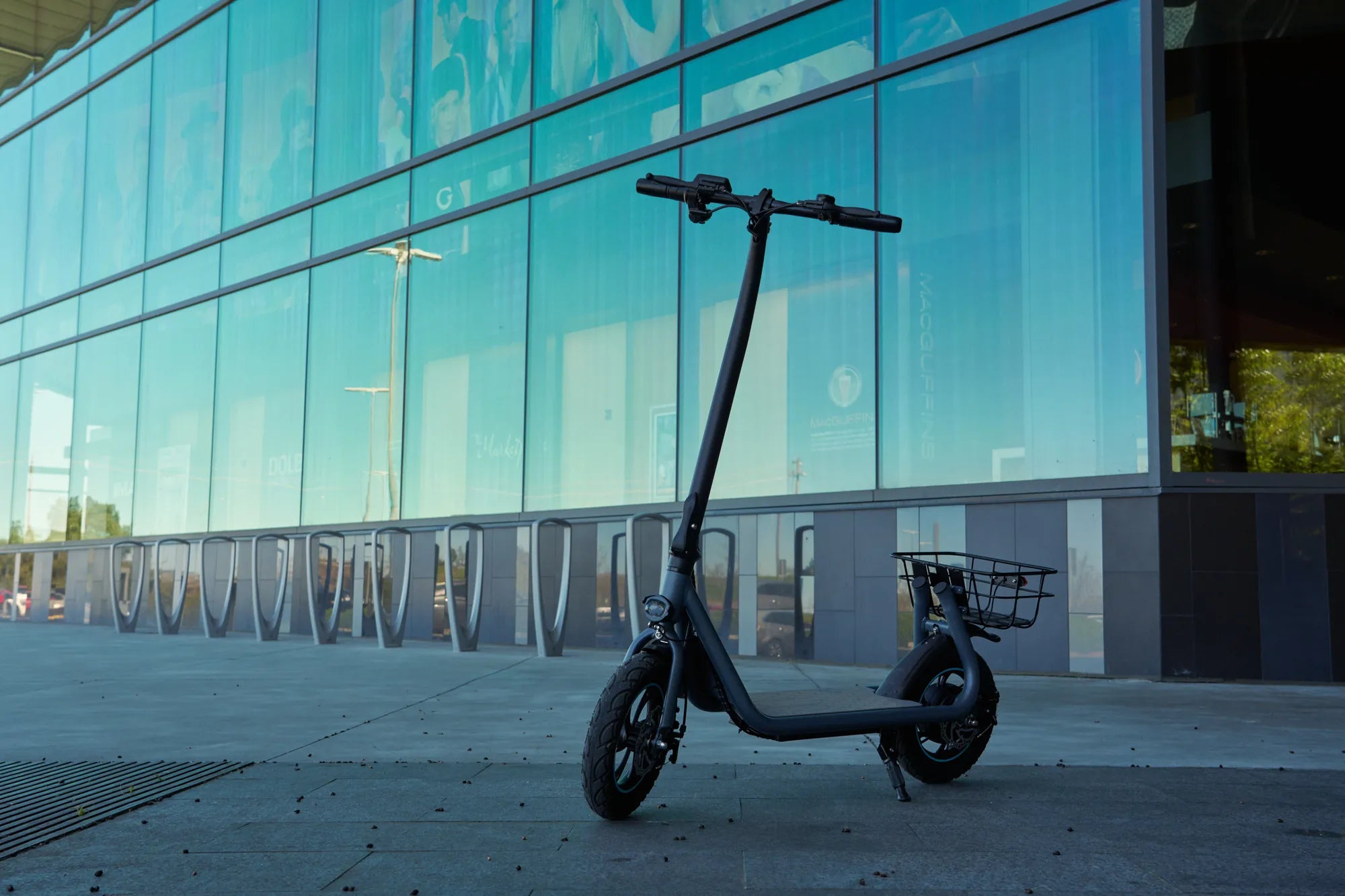
Introduction: Why the 250W E-Bike is Redefining Urban Mobility
A 250W e-bike is a pedal-assist bicycle designed for efficient and eco-friendly commuting. It represents the sweet spot for urban riders, blending human power with a regulated electric boost. This category, often classified as a Class 1 e-bike, is surging in popularity due to its accessibility and favorable legal status in many regions. This guide will show you how a 250W e-bike can transform your daily travel.
You will learn exactly what 250 watts means for performance, the concrete benefits for your commute, and the critical features that ensure reliability. We will also compare it to higher-powered options and provide essential maintenance advice. Let's explore why this efficient machine is becoming the cornerstone of modern city mobility.
Understanding Motor Power: What Does 250W Really Mean for Your Ride?
The Engineering Behind 250 Watts
Wattage measures a motor's continuous power output, not its top speed. A 250W e-bike motor provides a natural-feeling boost that multiplies your pedaling effort. This is delivered through a Pedal Assist System (PAS), where the motor engages only when you pedal. The system uses either a cadence sensor or a more responsive torque sensor to gauge how much assistance to provide, making your ride feel effortless without removing the cycling experience.
Performance Expectations: Speed, Range, and Hill Climbing
Set realistic expectations based on data. To comply with Class 1 regulations in markets like the EU and many US states, a 250W e-bike typically provides assistance up to 20 mph (32 km/h). Your range depends heavily on battery capacity (measured in Watt-hours), rider weight, terrain, and assist level. A common 36V 10.5Ah (378Wh) battery can offer 25-50 miles of assisted riding.
Hill climbing is manageable but requires rider input. A 250W motor is well-suited for moderate inclines, providing significant help but not a full replacement for pedaling effort. It's designed for sustainable assistance over varied urban terrain, not for conquering steep mountain paths without contribution.
Key Advantages of Choosing a 250W E-Bike
Unmatched Efficiency for Daily Commutes
The primary advantage is transforming your commute. A 250W e-bike extends your range without sweat, lets you bypass traffic, and offers a cost-effective alternative to cars and public transport. You arrive at work or appointments energized and presentable, having covered more ground faster than on a traditional bike.
Regulatory and Accessibility Benefits
This is a major selling point. In many jurisdictions across the USA, EU, Canada, and Australia, a 250W pedal-assist e-bike is legally classified as a standard bicycle. This means no special driver's license, vehicle registration, or insurance is required. You have full legal access to bike paths, trails, and lanes, making it the most hassle-free entry into electric mobility.
Eco-Friendly Credentials and Sustainability
The environmental impact is profoundly positive. A 250W e-bike produces zero direct emissions. Its energy consumption is minimal, averaging around 1 kilowatt-hour per 100 kilometers traveled. By choosing an e-bike over a car for short trips, you actively reduce urban congestion, noise pollution, and your personal carbon footprint, aligning with a sustainable lifestyle.
What to Look for When Buying a 250W E-Bike
Beyond the Motor: Critical Components
Don't focus solely on the motor. Evaluate the complete system. Prioritize battery capacity (Wh) for your desired range. A torque sensor provides a more intuitive, bike-like feel than a basic cadence sensor. Look for a lightweight aluminum frame and a reliable gear system, such as a 7-speed derailleur, to complement the motor's power.
Essential Features for Reliability and Safety
For dependable commuting, certain features are non-negotiable. These include integrated front and rear lights, hydraulic or quality mechanical disc brakes for all-weather stopping power, full-length fenders, and a rear rack. A clear display showing speed, battery level, and assist mode is essential.
For proven safety and durability, look for brands that prioritize engineering. For instance, Gyroor equips its e-bikes with UL-certified battery packs tested for over 500 charge cycles, ensuring long-term safety and performance. IPX5 water-resistance ratings provide all-weather reliability, and a robust 1-year warranty offers peace of mind for a vehicle trusted by a community of over 100,000 riders.
Fit and Comfort: Ensuring a Great Ride
Comfort is key for daily use. Ensure the frame size matches your height. Look for an adjustable stem and seat post to fine-tune your riding position. Ergonomic grips and a well-padded saddle make a significant difference on longer commutes, turning the ride from a chore into a pleasure.
250W E-Bikes vs. Other Motor Options: A Practical Comparison
Choosing the right power level depends on your needs and local laws. This comparison clarifies where the 250W e-bike excels.
| Feature | 250W (Class 1) | 500W/750W (Class 3/Throttle) |
|---|---|---|
| Primary Use Case | Fitness, rule-compliant commuting, trail access | Higher-speed commuting, cargo hauling, steep hills |
| Legal Access | Full bike path/trail access (typically) | Often restricted from some bike paths; may be road-only |
| Licensing/Insurance | Not required (classified as bicycle) | May be required depending on region and power |
| Physical Effort | Moderate; motor assists your pedaling | Can be minimal, especially with a throttle |
| Ideal Rider | The urban commuter seeking fitness, legality, and simplicity | The rider prioritizing speed/power over universal path access |
The 250W e-bike stands out as the ideal choice for riders who value unrestricted access to cycling infrastructure and a natural, assisted riding experience that still provides exercise.
Maximizing Your 250W E-Bike Experience: Maintenance and Best Practices
Proper care ensures longevity and performance. Follow the manufacturer's battery guidelines: avoid full discharges, store in a cool, dry place, and use the provided charger. Maintain basic mechanics: keep tire pressure optimal, regularly check brake pads, and ensure chain lubrication. For safety, always use lights, signal your intentions, and ride defensively in traffic. To maximize range, use lower assist levels on flats and reserve higher power for hills.
Frequently Asked Questions (FAQs) About 250W E-Bikes
Is a 250W e-bike powerful enough for my hilly city?
Yes, for most moderate urban inclines. The motor provides significant assistance, but you will need to contribute pedaling effort on steeper hills. It is designed for assisted, not motor-only, climbing.
Do I need a license or insurance?
In most regions where it's classified as a Class 1 e-bike, no. It is treated like a traditional bicycle. Always verify your local regulations.
How far can I really go on a single charge?
With a typical 400-500Wh battery, expect 25-50 miles (40-80 km) of assisted riding, depending on your weight, terrain, wind, and assist level usage.
Can I ride it in the rain?
Yes, if it has an appropriate water-resistance rating (e.g., IPX5). Models from brands like Gyroor with such ratings are built to withstand wet commuting conditions.
Is it good for exercise?
Absolutely. Unlike a throttle-only vehicle, a pedal-assist 250W e-bike requires you to pedal, providing cardiovascular benefit. You can control the intensity by adjusting the assist level.
The Smart Choice for Sustainable City Living
The 250W e-bike: The Ultimate Guide to Efficient and Eco-Friendly Commuting reveals a vehicle perfectly tuned for modern urban life. It combines regulatory freedom with practical performance, offering a reliable, sustainable, and enjoyable way to navigate the city. By choosing a well-engineered model from a reputable brand, you invest in a greener commute and a more liberated daily routine. For a range of reliable, feature-packed options designed for the real world, browse the full Gyroor collection at gyroorboard.com.
5 Children's Scooter Bicycle: The Ultimate Guide for Parents
Best Helmet for Scooter Riding: Safety, Comfort, and Style Combined