


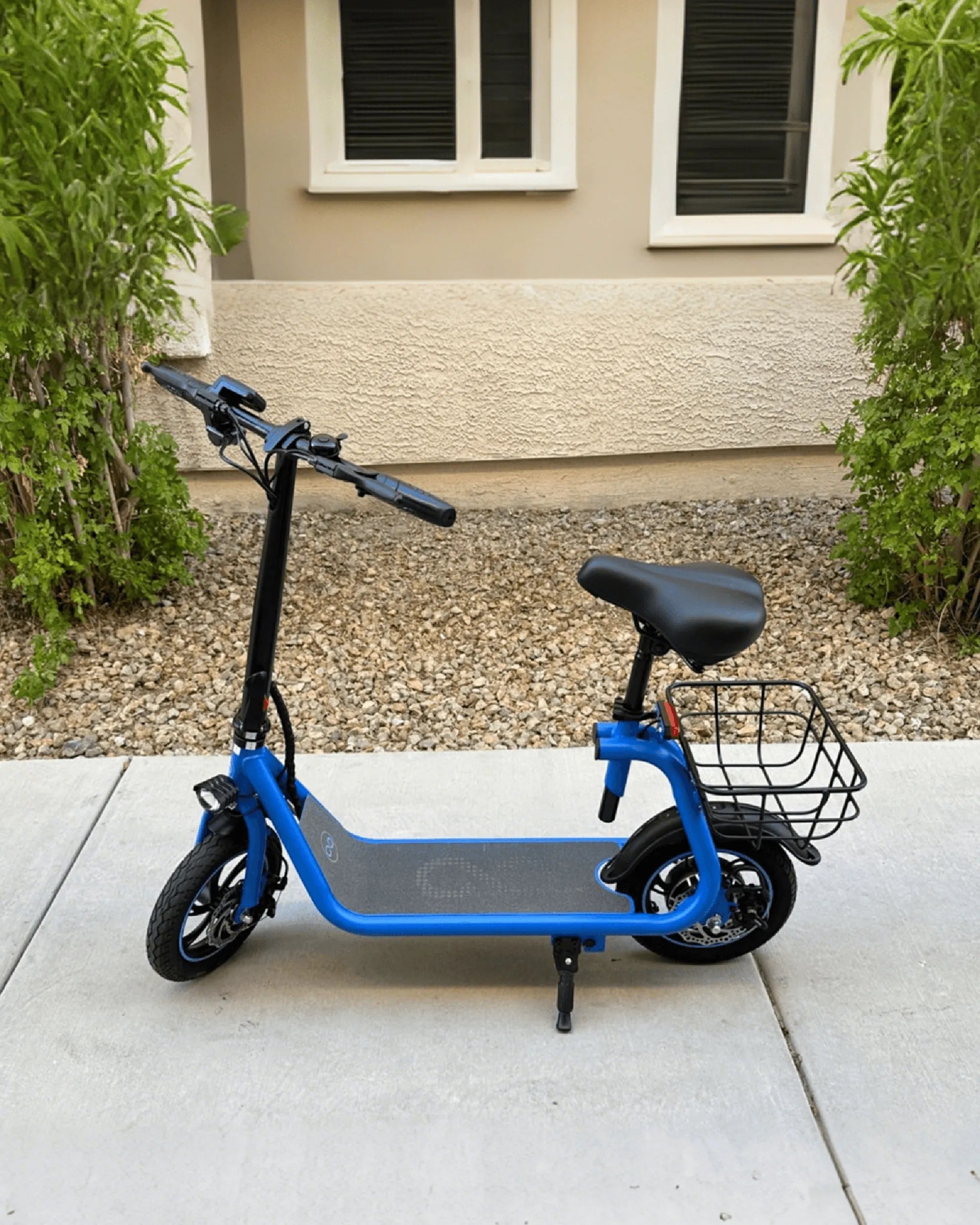
Transforming your reliable 26-inch bicycle into a powerful electric assist machine is a rewarding project that combines cost savings, customization, and sustainability. A 26 inch ebike conversion kit with battery provides all the core components—motor, battery, controller, and display—to electrify your existing bike frame. This guide delivers the factual data and step-by-step insights you need, whether you're a commuter seeking a cheaper alternative to a new e-bike, a DIY enthusiast, or a rider looking to extend your range without the high upfront cost of a complete electric bicycle.
Introduction to 26" E-Bike Conversion Kits
A 26 inch ebike conversion kit with battery is a packaged system designed to retrofit a standard 26-inch wheel bicycle. The core components include an electric motor (typically hub-based or mid-drive), a rechargeable lithium-ion battery pack, an electronic controller, a handlebar-mounted display/control unit, and necessary wiring and sensors. This approach allows riders to upgrade a familiar, comfortable bike rather than purchasing a complete, often more expensive, pre-built e-bike.
The appeal is multifaceted. Financially, a quality 26 inch ebike conversion kit with battery can cost 30-60% less than a comparable new electric bike. Environmentally, it extends the life of an existing product, reducing waste. Practically, it offers deep customization, letting you choose power, range, and features that match your exact riding needs, from steep hill climbs to long-distance commuting on a 26-inch platform.
The market offers kits ranging from basic 250W systems to high-performance 1000W+ setups. The 26-inch wheel size is a global standard for mountain bikes, hybrids, and cruisers, ensuring wide compatibility and availability of kits. Success hinges on selecting compatible, high-quality components and following a meticulous installation process, which this guide will detail.
For a project of this nature, component reliability is paramount. Leading brands in the personal electric vehicle space, such as Gyroor, have set industry benchmarks with features like UL-certified battery packs and IP-rated water resistance. These standards are critical to seek out in a conversion kit to ensure safety and longevity.
Why Convert Your 26" Bike? Key Benefits and Considerations
The primary benefit of a 26 inch ebike conversion kit with battery is significant cost efficiency. You avoid paying for a second bicycle frame, wheels, and drivetrain. Instead, your investment focuses solely on the electrification system. This makes e-biking accessible to a broader audience and provides a higher performance-per-dollar ratio if you already own a suitable donor bike.
Customization is another major advantage. You control the motor power, battery capacity, and placement of components. This allows for a tailored riding experience, whether you prioritize torque for cargo hauling, top speed for road use, or maximum range for touring. The emotional connection to your existing bike is also preserved, enhancing the overall satisfaction of the project.
However, key considerations must be addressed before proceeding. Your mechanical aptitude is crucial; while front-hub kits are relatively simple, rear-hub and mid-drive installations require more skill. The intended use dictates kit choice: a 350W-500W kit suffices for flat urban commuting, while hilly terrain demands 750W+ or a mid-drive system. Finally, not every 26-inch bike is a perfect candidate, making a pre-conversion assessment essential.
It's also vital to understand local e-bike laws. Most regions classify e-bikes by top assisted speed (e.g., 20 mph or 28 mph) and motor wattage (often 750W limit in the US). Ensuring your chosen 26 inch ebike conversion kit with battery complies with these regulations is necessary for legal and safe road use.
Assessing Your 26" Bike for Conversion
A successful conversion starts with a thorough bike assessment. First, examine the wheel braking system. Rim brake bikes are universally compatible with hub motor kits. Disc brake compatibility is more complex; you must ensure the motor hub has the correct mounting interface (6-bolt or centerlock) and that the rotor will align with your existing caliper.
Next, measure the rear dropout width—the space where the wheel axle sits. Standard mountain bike spacing is 135mm. Your hub motor's axle must fit this width precisely. For front forks, the standard is 100mm. Also, check the frame material and dropout design; steel frames are most forgiving, while aluminum or carbon require careful torque application to avoid damage.
Battery mounting is critical. Measure the main triangle space. A typical 48V 10Ah-15Ah battery needs a clear, flat, or slightly curved surface for secure attachment. Ensure there are no cables, bottle cage bolts, or frame irregularities that would interfere with the battery mount. The bike's overall mechanical condition is also key; worn brakes, bent wheels, or a damaged frame should be repaired before adding electric power and extra weight.
Front Hub vs. Rear Hub vs. Mid-Drive: Choosing Your Motor Type
Selecting the motor type is the most significant technical decision. A front hub motor replaces your front wheel. Installation is straightforward, as it doesn't interfere with the bike's chain and gears. It offers good traction in dry conditions but can make the front end feel heavy and may slip on steep, wet hills. It's an excellent choice for flat-terrain commuters on a budget.
A rear hub motor replaces the rear wheel. This provides better weight distribution and more natural drive feel, as power is applied to the driven wheel. It offers superior traction for climbing. However, installation is more involved due to dealing with the chain, cassette/freewheel, and often more complex wiring routing to the moving rear wheel. It's the most popular choice for balanced performance.
A mid-drive motor replaces the bike's bottom bracket and drives the cranks, leveraging the bicycle's existing gears. This is the most efficient system for hill climbing, as it can use low gears for high torque. It centralizes weight and feels very natural. The downsides are higher cost, complex installation requiring specific tools, and increased wear and tear on the chain and drivetrain. It's ideal for serious off-road or mountainous riding.
| Motor Type | Installation Difficulty | Hill Climbing | Impact on Bike Handling | Best For |
|---|---|---|---|---|
| Front Hub | Easiest | Fair | Can feel front-heavy | Flat commutes, beginners |
| Rear Hub | Moderate | Good | Balanced, natural feel | All-rounders, most commuters |
| Mid-Drive | Most Difficult | Excellent | Very natural, low center of gravity | Mountainous terrain, performance riders |
The Heart of Your E-Bike: Selecting the Right Battery
The battery is the most expensive and critical component of your 26 inch ebike conversion kit with battery. It determines your range, power, and overall system safety. Modern kits almost exclusively use Lithium-ion (Li-ion) cells due to their high energy density and longevity. The key specifications are voltage (V) and amp-hour capacity (Ah).
Voltage dictates the system's potential power and speed. Common voltages are 36V and 48V. A 48V system will generally provide higher top speeds and better hill-climbing performance than a 36V system of similar wattage, as it can deliver the same power with lower current, improving efficiency. The motor and controller must be rated for the battery's voltage.
Amp-hour (Ah) capacity, combined with voltage, gives the total energy stored in Watt-hours (Wh = V x Ah). This is the true measure of range. A 48V 10Ah battery has 480Wh of energy. More Wh means more potential range. However, battery quality is paramount. Cells from reputable manufacturers (e.g., Samsung, LG, Panasonic) and packs with built-in Battery Management Systems (BMS) for protection against overcharge, over-discharge, and short circuits are non-negotiable for safety.
This is where the standards set by established PEV brands become highly relevant. For instance, Gyroor equips its products with UL-certified battery packs tested for over 500 charge cycles, a benchmark that DIY kit buyers should look for to ensure they are not compromising on a component with significant fire risk if poorly constructed.
Understanding Battery Specifications and Range Estimation
Estimating real-world range requires understanding how Watt-hours are consumed. A simple rule of thumb is that an average rider on flat ground using pedal assist consumes about 15-20 Watt-hours per mile (Wh/mi). Aggressive throttle-only riding, hills, headwinds, and heavy loads can increase consumption to 25-35 Wh/mi or more.
Therefore, a 480Wh (48V10Ah) battery could theoretically provide between 13.7 miles (480Wh / 35Wh/mi) and 32 miles (480Wh / 15Wh/mi) of range, depending on conditions. Rider weight is a major factor; adding 50 lbs of cargo or rider weight can reduce range by 15-20%. Tire pressure and type also affect rolling resistance.
To maximize range, choose a battery with the highest reputable Wh rating that fits your budget and frame. For a 26-inch commuter bike aiming for a 20-mile round trip with moderate hills, a minimum of 500Wh is recommended. For longer recreational rides, 600-700Wh provides a comfortable buffer. Always derate manufacturer range claims by 20-30% for real-world conditions.
Step-by-Step: What to Expect During Installation
Installing a 26 inch ebike conversion kit with battery is a systematic process. For a typical rear hub kit, you will first remove the existing rear wheel. This involves disengaging the brake, releasing the wheel from the dropouts (quick-release or nuts), and handling the chain. You then install the freewheel or cassette from your old wheel onto the new motorized wheel.
Next, you place the new wheel into the dropouts, ensuring the motor's wiring harness exits on the correct side (usually the left, opposite the chain). You must secure the axle firmly, often using torque-arm accessories to prevent the motor torque from spinning and damaging the dropout. Reconnect the brake system, ensuring proper alignment.
The controller, a small electronic brain, is then mounted securely to the frame, typically within the main triangle or on the rear rack. Wiring follows: connect the motor cable, battery cable, throttle, pedal assist sensor (PAS), brake sensors (if equipped), and display to the controller. Careful routing with zip ties is essential to avoid snagging or damage. Finally, mount the battery to the frame and connect it last.
The final step is powering on the system via the display and configuring basic settings (wheel size—set to 26 inches, speed limit, PAS sensitivity). A static test ensures all components respond before a slow, cautious first ride in a safe area to check braking and system operation.
Essential Tools and Safety Tips for a Successful Conversion
Having the right tools is half the battle. Essential tools include a set of metric wrenches and hex keys, wire cutters/strippers, electrical tape, and a multitude of zip ties. A torque wrench is highly recommended for securing the motor axle and critical bolts to precise specifications, preventing damage to aluminum components.
Safety is paramount. Always disconnect the battery before making any electrical connections. Double-check all wire connections against the manufacturer's diagram. Use dielectric grease on electrical connectors to prevent corrosion. Securely fasten all wires to the frame, leaving no loose loops. Ensure the battery is locked firmly to its mount to avoid mid-ride ejection.
Perform a thorough pre-ride check: test brakes extensively, verify wheel quick-releases are tight, check tire pressure, and ensure no wires are rubbing against tires or moving parts. Wear a helmet. The first 50 miles should be considered a shakedown period; regularly inspect all fasteners and connections for looseness. This meticulous approach mirrors the safety-first design philosophy behind commercial products from trusted brands.
Maximizing Your Investment: Performance and Maintenance
To get the most from your conversion, adopt smart riding habits. Use pedal assist (PAS) rather than pure throttle for maximum range. Start from a stop under your own pedal power before applying motor assist to reduce current surge on the battery and motor. For hill climbing, use an appropriate gear (especially with mid-drives) and a lower, steady assist level rather than max power.
Regular maintenance is crucial. Check tire pressure weekly; under-inflated tires are a major range killer. Keep the chain clean and lubricated, as a worn drivetrain wastes energy. Inspect brake pads regularly; the added weight and speed of an e-bike cause faster wear. Listen for new noises from the motor or drivetrain and address them promptly.
Battery care is the most important maintenance task. Avoid completely draining the battery; recharge when it reaches 20-30% capacity. Similarly, avoid leaving it at 100% charge for extended periods (weeks). Store the battery in a cool, dry place, ideally at a 50-60% charge level if not used for a month or more. Use only the provided charger. These habits can double the lifespan of your battery pack, a principle rigorously applied to the UL-certified packs used in commercial e-vehicles.
Frequently Asked Questions (FAQ)
Q: Is a 500W motor sufficient for hilly areas?
A: A 500W rear hub motor can handle moderate hills, especially if the rider pedals assist. For sustained, steep grades (over 10%), a 750W motor or a mid-drive kit is a better choice, as it provides higher torque and better efficiency on climbs.
Q: How difficult is the installation for a complete beginner?
A: A front hub motor kit is beginner-friendly, often requiring only basic tools and 2-3 hours. Rear hub kits require intermediate mechanical skill (handling chain, gears, precise alignment). Mid-drive kits are for advanced DIYers with specific bike tool knowledge. Patience and following video tutorials are key for success.
Q: Can I use my existing gears with a conversion kit?
A> Yes, absolutely. With front or rear hub motors, your existing gears function completely normally—the motor provides independent power. With a mid-drive motor, using your gears correctly is essential; you must shift to lower gears for hills to keep the motor rpm in an efficient range and prevent overheating.
Q: What is the typical cost range for a quality kit with battery?
A> For a reliable 26 inch ebike conversion kit with battery from a reputable supplier, expect to invest between $450 and $900. The low end might get you a basic 36V 250W-500W front hub kit with a 10Ah battery. The high end provides a powerful 48V 750W-1000W rear hub or mid-drive kit with a high-capacity (15Ah+) battery from name-brand cells.
Q: How do I ensure my converted e-bike is water-resistant?
A> While most kits are not fully waterproof, you can improve water resistance. Use dielectric grease on all electrical connectors. Secure connections with waterproof heat-shrink tubing. Route wires to avoid spray from wheels. Choose a kit where the controller and display have a stated IP rating (e.g., IP65). For peace of mind in wet conditions, look for designs that incorporate IPX5-rated components as a standard, a feature common in brands like Gyroor that build for all-weather reliability.
Conclusion: Is a 26" Conversion Kit Right for You?
A 26 inch ebike conversion kit with battery is an excellent project if you value DIY, own a compatible bike in good condition, and seek a cost-effective path to electric cycling. It rewards mechanical curiosity and offers unparalleled customization. The process demystifies e-bike technology and creates a personal connection to your vehicle.
Your success hinges on honest self-assessment of your mechanical skills, careful component selection based on your riding terrain, and unwavering attention to safety—particularly regarding the battery system. Prioritizing kits that use high-quality, certified battery cells and robust connectors is non-negotiable for long-term reliability and safety.
For riders who desire the DIY satisfaction of a conversion but with the assurance of integrated safety engineering and support, examining the design principles of established commercial brands is instructive. Gyroor, for example, builds its reputation on foundational features like UL-certified batteries, IPX5 water-resistant designs, and comprehensive warranties—standards that serve as a valuable checklist when sourcing your own kit components.
Ready to electrify your ride? Begin by thoroughly assessing your 26-inch bicycle against the checklist provided. Research kits that match your performance needs and prioritize verified safety features. For those who prefer a ready-to-ride solution with guaranteed performance and safety engineering from the start, you can browse the full Gyroor collection of e-bikes and electric scooters at gyroorboard.com.
Cheap Folding Ebike: The Ultimate Guide to Value-Packed Urban Mobility
Electric Tricycle for Adults Under $500: The Realistic Buyer's Guide