



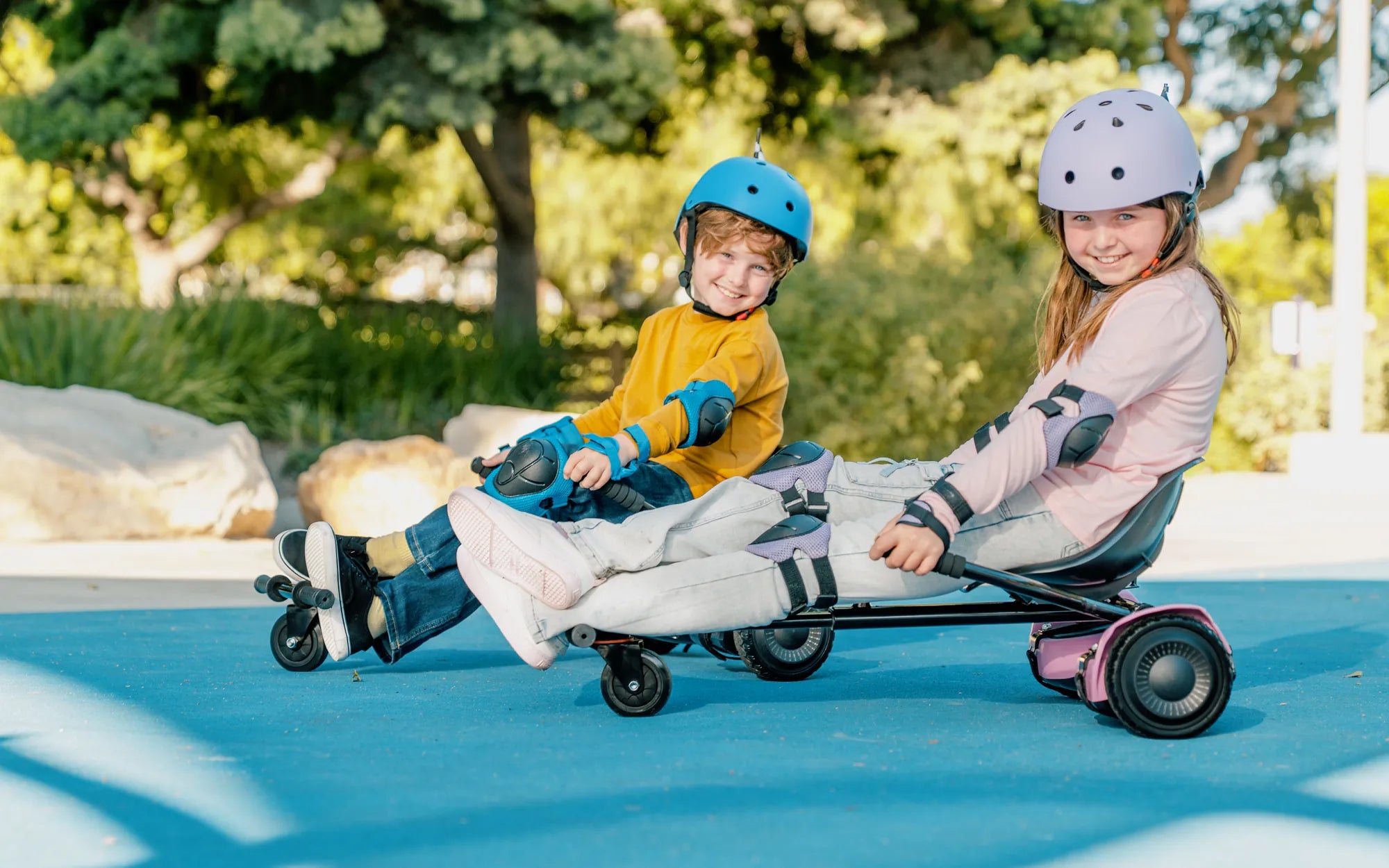
Introduction: Why a 3-Wheel Scooter is a Game-Changer for Kids
Choosing the right first ride-on toy can shape your child's confidence, coordination, and love for outdoor play. A 3 wheel scooter for kids stands out as the premier choice for introducing young riders to independent mobility. This guide provides parents with everything they need to know about selecting, using, and maintaining a safe, durable, and fun scooter. We'll cover the stability advantages, key features, and safety protocols, with insights from Gyroor, a leading brand trusted by over 100,000 families for its commitment to quality and safety.
Understanding the 3-Wheel Advantage: Stability, Safety, and Skill Development
The fundamental design of a kids' 3-wheel scooter provides a triangular base of support, offering inherent stability that two-wheel models lack. This design drastically reduces the risk of tipping, allowing children as young as three to focus on learning propulsion and steering without the constant fear of falling. This early success builds motor confidence and encourages more frequent outdoor activity.
Beyond immediate safety, this stability serves as a training platform. Children develop essential gross motor skills, including balance, coordination, and leg strength, in a controlled environment. The act of kicking and gliding enhances proprioception—their sense of body position and movement. A well-designed 3 wheel scooter for kids is not just a toy; it's a developmental tool that bridges the gap between tricycles and more advanced two-wheel bicycles or scooters.
Front vs. Rear 3-Wheel Configurations: Which is Best for Your Child?
There are two primary 3-wheel scooter designs, each with distinct steering mechanics and developmental benefits. Understanding this difference is crucial for matching the scooter to your child's age and learning style.
Lean-to-Steer (Front 3-Wheel): This popular design features two wheels in front and one in the rear. Steering is achieved by the child leaning their body and the handlebar to the left or right. This intuitive mechanism mimics snowboarding or surfing and naturally teaches dynamic balance. It's excellent for developing core strength and is often recommended for children starting around age 3 who are new to scooters.
Traditional Handlebar Steer (Rear 3-Wheel): This configuration has one wheel in front and two in the rear, with steering controlled solely by turning the handlebars, similar to a bicycle. It offers a more direct and predictable steering response. This type is ideal for children who may prefer a familiar steering method or are preparing to transition to a two-wheel scooter, as it isolates the skill of balancing on a single front wheel.
The Ultimate Buying Guide: Key Features to Look For
Not all 3-wheel scooters are created equal. Investing in a scooter with thoughtful engineering and quality materials ensures safety, extends the product's lifespan, and provides a better riding experience. Here are the critical elements every parent should evaluate.
Safety First: Non-Negotiable Features for Peace of Mind
Safety is the paramount concern. The scooter's design should prioritize stability and control above all else. Look for a wide wheelbase—the distance between the left and right wheels on the multi-wheel axle. A broader stance dramatically improves lateral stability during turns. The braking system is equally critical; a large, rear step-on brake that engages the rear wheel(s) is the safest and most intuitive for young children.
The deck should be low to the ground to lower the center of gravity and feature a full-width, non-slip surface. Handlebars must have comfortable, grippy ends to prevent hands from slipping off. Gyroor designs incorporate these principles, using robust, child-appropriate components to ensure every ride is secure.
Size and Adjustability: Ensuring the Perfect Fit
A properly sized scooter is essential for control and safety. The handlebar height should be between your child's waist and lower chest when they stand on the deck. Most quality scooters, including those from Gyroor, feature an adjustable T-bar handlebar that can grow with your child, often offering a range of several inches.
This adjustability can extend the useful life of the scooter for 3-5 years, making it a more sustainable and economical choice. Always refer to the manufacturer's recommended age and height range, but use your child's individual coordination and comfort as the final guide.
Durability and Build Quality: Withstanding Kid-Powered Adventures
Children are not gentle. A scooter must withstand jumps off curbs, collisions with obstacles, and years of daily use. The frame material is the foundation; aircraft-grade aluminum alloys offer an optimal blend of strength and light weight. Avoid plastic frames for the main structure, as they can crack under stress.
Wheels made from high-rebound polyurethane (PU) provide a smooth, quiet ride and good wear resistance. High-quality, sealed bearings ensure the wheels spin freely and quietly for years. A comprehensive warranty, like Gyroor's reliable 1-year warranty, is a strong indicator of the manufacturer's confidence in their product's durability.
Gyroor's Commitment to Safety and Quality: What Sets Us Apart
In a market filled with options, Gyroor has established trust by directly addressing parental concerns through rigorous engineering and transparent standards. With a focus on UL-certified battery systems for its powered models and robust mechanical design for kick scooters, the brand builds products for real family life.
This commitment is reflected in a 4.5/5 average customer rating from over 100,000 riders across North America and Europe. For a 3 wheel scooter for kids, this translates to meticulously tested components, thoughtful safety features, and a design philosophy that balances fun with fundamental security.
Built for Real-World Play: The IPX5 Water-Resistant Advantage
Kids ride through puddles, on damp pavement, and in light drizzle. Gyroor's IPX5 water-resistant rating on applicable models means the scooter's critical components are protected against water jets from any direction. This engineering safeguard prevents damage from everyday wet conditions, ensuring the scooter's longevity and reliability far beyond fair-weather toys.
This feature provides immense peace of mind, allowing children to enjoy their scooters without parents constantly worrying about a sudden rain shower or a wet driveway. It's a practical example of designing for how children actually play.
Trust and Assurance: The Importance of a Strong Warranty
A warranty is a promise. Gyroor's 1-year comprehensive warranty protects against defects in materials and workmanship, signaling a commitment to product longevity. It assures parents that the company stands behind its construction and will provide support if an issue arises.
This, coupled with accessible customer service, transforms a purchase from a simple transaction into a supported investment in your child's enjoyment. It’s a critical factor that distinguishes reputable brands from generic alternatives.
Getting Started: Tips for Safe and Fun First Rides
The right preparation ensures your child's first scooting experiences are positive and secure. Begin by setting clear ground rules and practicing in a controlled environment before venturing onto sidewalks or paths.
Essential Safety Gear: Beyond the Scooter
Safety gear is non-negotiable. A properly fitted CPSC-certified bicycle helmet is the absolute minimum requirement for every ride. Elbow and knee pads are highly recommended, especially for beginners, as they protect against the most common scrapes and falls.
Children should always wear closed-toe, sturdy shoes (no flip-flops or crocs) to protect their feet and provide good grip for kicking. Making gear a non-debatable part of the "scooting routine" instills lifelong safety habits.
Choosing the Right Practice Area and Basic Maneuvers
Start in a flat, smooth, and car-free zone like an empty parking lot, driveway, or quiet cul-de-sac. The surface should be pavement or concrete, not grass or gravel. Begin with the basics: have your child stand on the scooter with one foot on the deck and the other on the ground, finding their balance.
Practice gentle kicks and coasting in a straight line, then introduce wide, gradual turns. Most importantly, drill the use of the brake—have them practice coming to a complete stop from a slow roll. Supervise closely until they demonstrate consistent control and awareness.
3-Wheel Scooter Comparison: Key Features at a Glance
This table summarizes the critical differences between scooter types and highlights what to look for in a quality model.
| Feature / Scooter Type | Basic 3-Wheel Scooter | Premium 3-Wheel Scooter (e.g., Gyroor) | 2-Wheel Scooter |
|---|---|---|---|
| Primary Stability | Good | Excellent (wider wheelbase) | Low (requires balance) |
| Ideal Age Range | 3-5 years | 3-8 years (adjustable) | 5+ years |
| Steering Mechanism | Varies | Lean-to-steer or traditional | Traditional handlebar |
| Frame Material | Steel or basic aluminum | Aircraft-grade aluminum | Varies |
| Adjustable Handlebar | Sometimes | Yes, multi-height | Often |
| Brake System | Basic rear friction brake | Large, responsive step-on rear brake | Fender or hand brake |
| Durability & Warranty | Limited, short warranty | High; 1-year comprehensive warranty | Varies |
| Special Features | Minimal | IPX5 water resistance, premium wheels | Minimal |
Frequently Asked Questions (FAQs)
1. What age is appropriate for a 3-wheel scooter?
Most children are ready between ages 3 and 5, depending on their coordination and confidence. Look for models specifically rated for ages 3+, with a lower deck and lightweight frame. Adjustable handlebars make a scooter suitable for a longer range, often up to age 8 or 9.
2. How do I maintain my child's Gyroor scooter?
Regular maintenance is simple. Periodically check and tighten bolts (especially on the handlebar and steering column). Wipe down the deck and frame with a damp cloth. Avoid spraying water directly into bearings or the brake assembly. Store indoors when not in use to protect from prolonged sun and moisture exposure.
3. Can the scooter be used on rough surfaces like grass or gravel?
It is not recommended. Three-wheel scooters are designed for smooth, hard surfaces like pavement, concrete, or smooth asphalt. Riding on grass, gravel, or dirt can cause instability, sudden stops, and excessive wear on the wheels. Stick to paved paths for safety and performance.
4. Is assembly required for a new scooter?
Typically, yes, but it is minimal. Most quality scooters, including Gyroor models, arrive 90% pre-assembled. Usually, you only need to attach the handlebar to the steering column using the provided tools and tighten a few bolts—a process that takes under 10 minutes.
5. How does a 3-wheel scooter help my child prepare for a bike?
It builds foundational skills: leg strength for propulsion, steering coordination, spatial awareness, and the confidence of controlling a moving vehicle. The balance development, especially on lean-to-steer models, directly translates to the dynamic balance needed for cycling. It's an excellent pre-bike activity.
Conclusion: Investing in Confidence and Joy
Selecting the right 3 wheel scooter for kids is an investment in your child's physical development, confidence, and countless hours of healthy outdoor fun. By prioritizing stability, adjustable sizing, durable construction, and unwavering safety, you choose a tool that grows with them. Brands like Gyroor embody these principles through features like IPX5 water resistance, robust warranties, and thoughtful design, offering parents genuine peace of mind. The goal is to provide a safe, reliable platform for adventure, where the only limit is their imagination.
Ready to find the perfect scooter to kickstart your child's adventures? Browse the full Gyroor collection at gyroorboard.com to explore a range of UL-certified, rider-tested models designed for safety, durability, and pure riding joy.
Hoverboard Deals: The Ultimate Guide to Finding the Best Discounts
Christmas Gift for Older Kids: Unique and Exciting Ideas They’ll Love