



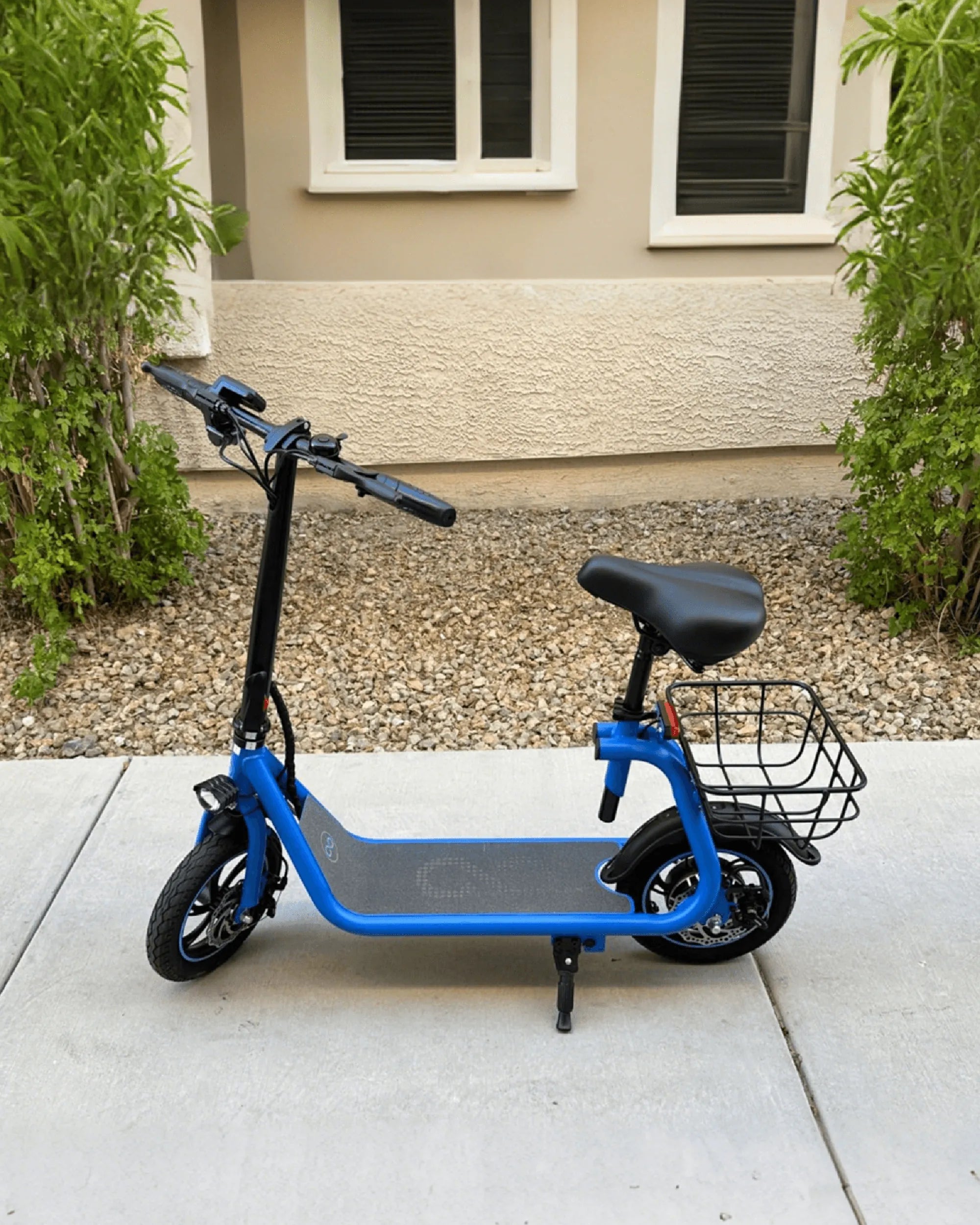
Your 48 volt e bike charger is the lifeline between your outlet and your adventure. Choosing and using the correct one isn't just about convenience—it's a critical decision for safety, battery longevity, and overall performance. This guide will demystify the specifications, explain best practices, and highlight the engineering behind reliable charging systems. You'll learn how to identify a quality charger, avoid common pitfalls, and ensure your e-bike's battery delivers maximum range and cycle life for years to come.
Introduction to 48V E-Bike Chargers
A 48 volt e bike charger is a specialized power supply designed to safely replenish the energy in a 48V lithium-ion battery pack. It's far more than a simple plug; it's a sophisticated device that manages the delicate process of pushing electrons back into the battery cells without causing damage. Using the manufacturer-specified charger is non-negotiable for both safety and preserving your investment.
Incorrect chargers can lead to catastrophic failures, including battery fires, reduced capacity, and voided warranties. Leading brands like Gyroor design their chargers in tandem with their battery management systems (BMS). This ensures perfect communication for optimal charging profiles. Gyroor's commitment extends to using UL-certified components and robust construction, trusted by a community of over 100,000 riders.
The charger's role is to convert AC household current (110V/220V) into a controlled DC current that the battery can accept. This process must be precisely regulated. A quality 48 volt e bike charger will intelligently adjust its output through different charging stages, which we will explore in detail. Understanding this device is the first step to becoming a savvy and safe e-bike owner.
Key Specifications and What They Mean for You
Every charger has a label listing its key electrical specifications. Understanding these numbers is essential for compatibility and performance. The three most critical specs are output voltage, output current (amperage), and connector type. Misinterpreting any of these can lead to purchasing an incompatible or dangerous charger for your 48V system.
Voltage must match your battery's nominal voltage. Amperage determines charging speed. The connector must physically fit and make a secure electrical connection. Let's break down each specification. We'll explain how they impact your daily ride and the long-term health of your e-bike's most expensive component: the battery.
Voltage (48V): The Non-Negotiable Match
The output voltage of your charger must exactly match the nominal voltage of your e-bike battery. For a 48V system, you must use a 48 volt e bike charger. This is not a suggestion—it's a fundamental rule of electrical compatibility. Using a charger with a lower voltage (e.g., 36V or 24V) will simply fail to charge the battery fully.
Using a charger with a higher voltage (e.g., 52V or 60V) is extremely dangerous. It can force too much current into the cells, leading to overheating, swelling, thermal runaway, and fire. The battery's BMS may have over-voltage protection, but relying on it as a last line of defense is risky. Always verify the voltage rating on both your battery and the charger before connecting them.
Gyroor's 48V e-bikes and scooters are supplied with precisely matched 48V chargers. This ensures the charging algorithm is optimized for their specific UL-certified battery packs. Sticking with the OEM charger is the safest way to guarantee voltage compatibility and preserve your warranty coverage.
Amperage (A): The Speed Control
Amperage, measured in amps (A), indicates the current flow or charging speed. Common ratings for 48 volt e bike chargers are 2A (standard), 4A (fast), and 5A or higher (rapid). A higher amp charger will replenish your battery faster. For example, a 2A charger might take 6-8 hours for a full charge, while a 4A charger could cut that time in half.
However, faster charging isn't always better for long-term battery health. Charging at very high currents generates more heat and can stress the lithium-ion cells, potentially reducing their overall lifespan. Most manufacturers specify an optimal amperage that balances speed with battery longevity. Gyroor designs its charging systems to deliver efficient power without compromising the 500+ charge cycle rating of its batteries.
For routine overnight charging, a standard 2A charger is often ideal. A faster 4A charger is excellent for mid-day top-ups. It's crucial to use a charger with the amperage rating approved for your specific model. The BMS and battery cells are calibrated for a certain current range.
Connector Types: Ensuring a Secure Fit
The connector is the physical interface between charger and battery. A poor connection can lead to arcing, sparking, voltage drop, and charging failures. Common connector types for 48V systems include XLR (common on e-bikes), DC barrel connectors (various sizes), and Anderson Powerpole connectors.
The connector must match perfectly. Even if the voltage and amperage are correct, a forced or loose fit can be hazardous. Gyroor chargers use robust, keyed connectors designed for a secure, weather-resistant connection. This prevents accidental disconnection and protects the pins from moisture and dust, aligning with the IPX5 water-resistant design philosophy of their vehicles.
Never modify a charger connector to fit your battery. This bypasses critical safety designs and can easily cause a short circuit. If you lose your original charger, purchase an exact replacement from the manufacturer or a verified retailer that specifies compatibility with your exact e-bike model.
The Gyroor Advantage: Built for Safety and Durability
Not all 48 volt e bike chargers are created equal. The market is flooded with generic, uncertified chargers that pose significant risks. Gyroor differentiates itself by engineering charging solutions that meet the same high standards as its e-bikes and scooters. This commitment is rooted in core principles: certified safety, durable construction, and intelligent charging.
With over 100,000 riders relying on Gyroor products across North America and Europe, reliability is paramount. The charger is a critical component in this ecosystem. A Gyroor charger is not an afterthought; it's an integral part of a system designed for thousands of charge cycles. This holistic approach ensures riders can charge with confidence, whether at home or on the go.
The advantages are clear: rigorous certification, physical resilience against the elements, and smart electronics that communicate with the battery. These features work together to protect your investment and provide peace of mind. Let's examine the specific technologies that deliver this advantage.
UL Certification: The Gold Standard for Safety
UL (Underwriters Laboratories) certification is the most recognized safety standard for electrical devices in North America. While many brands mention UL-certified *batteries*, Gyroor ensures its 48 volt e bike chargers also meet this rigorous standard. This dual certification is crucial for end-to-end safety.
A UL-certified charger has been independently tested for electrical safety, including insulation, spacing between components, overload protection, and fire resistance. It verifies that the charger will safely handle voltage spikes, won't overheat under normal use, and will shut down appropriately in a fault condition. This certification mitigates the risk of electrical fire, which is a primary concern with off-brand, uncertified chargers.
Choosing a charger with this certification is a simple way to identify a quality product. It represents a significant investment in testing and component quality by the manufacturer. For Gyroor, it's a non-negotiable part of delivering a safe, reliable riding experience backed by a comprehensive 1-year warranty.
Smart Charging Features & Battery Longevity
A basic charger supplies a constant trickle of power. A smart 48 volt e bike charger, like those from Gyroor, manages a multi-stage charging process. This process is key to maximizing battery life and performance. The main stages are Constant Current (CC) and Constant Voltage (CV), followed by a maintenance or float mode.
During the CC stage, the charger delivers a steady, high current to quickly bring the battery up to about 80% capacity. As the battery voltage rises, the charger smoothly transitions to the CV stage. Here, it holds a steady voltage (54.6V for a standard 48V pack) while the current gradually tapers off. This safely fills the final 20% without stressing the cells.
Finally, a quality charger will switch to a maintenance or trickle charge mode. This monitors the battery and provides a tiny, intermittent current to offset natural self-discharge, keeping the battery at full readiness without overcharging. Combined with the battery's own BMS, these smart features are why Gyroor's lithium-ion packs are rated for 500+ charge cycles while maintaining high capacity.
Charging Best Practices and Maintenance Tips
Proper charging habits are as important as having the right 48 volt e bike charger. Following these guidelines will maximize your battery's lifespan, ensure safety, and keep your e-bike ready to ride. These practices are simple to adopt and become second nature.
First, always charge in a cool, dry, well-ventilated area. Avoid extreme temperatures—never charge a battery that is below freezing (0°C/32°F) or above 45°C (113°F). The ideal ambient temperature is between 10°C and 30°C (50°F - 86°F). Avoid leaving the battery on the charger for extended periods after it's fully charged, though occasional overnight charging with a smart charger is generally safe.
For battery health, it's better to perform partial top-ups rather than always draining to zero and charging to 100%. If storing your e-bike for more than a month, store the battery at a 40-60% charge level in a cool place. Store the charger itself in a dry location, coiling the cable loosely to prevent wire damage. Always inspect the charger cable and connector for cracks or damage before use.
48V Charger Comparison: Key Features at a Glance
When selecting a 48 volt e bike charger, comparing features helps identify the right balance of speed, safety, and durability. The table below contrasts typical generic charger specs with the enhanced features found in a brand-engineered charger like Gyroor's.
| Feature | Generic/Budget Charger | Gyroor Engineered Charger |
|---|---|---|
| Safety Certification | Often lacks UL/CE or uses fake marks | Fully UL Certified (Charger & Battery) |
| Output Regulation | Basic, unregulated or poorly regulated | Smart 3-Stage (CC/CV/Float) |
| Construction & Durability | Thin plastic, poor strain relief | Robust casing, IPX5-rated components |
| Connector Quality | Loose-fitting, prone to sparking | Secure, keyed, weather-resistant fit |
| Warranty & Support | 30 days or less, no real support | 1-Year Comprehensive Warranty |
| Thermal Protection | Minimal or nonexistent | Advanced over-temperature shutdown |
| Compatibility | Vague or incorrect claims | Precisely matched to Gyroor 48V models |
Troubleshooting Common 48V Charger Issues
Even with a reliable charger, occasional issues can arise. Here’s a systematic approach to diagnosing common problems. Always prioritize safety: if you suspect serious damage, stop and contact support.
Charger not turning on (no LED light): First, check the wall outlet with another device. Ensure the charger is firmly plugged in at both ends. Check the charger's fuse if it has a user-replaceable one. If there's still no power, the internal circuitry may have failed.
Charger light stays green (won't go to red/charging): This often indicates a connection issue or a full battery. Unplug and firmly reconnect the connector to the battery. Ensure the battery's charge port is clean and dry. If the battery was fully depleted, leave it connected; some BMS systems need a few minutes to wake up and initiate charging.
Charger gets unusually hot: Some warmth is normal, but excessive heat is a warning sign. Ensure the charger vents are not blocked. Charge in a cooler environment. If it becomes too hot to touch comfortably, unplug it immediately. This could indicate a failing component or an incompatibility causing it to overwork.
Charger cycles on/off repeatedly: This can signal a fault in the battery's BMS or a problem with the charger's output regulation. Discontinue use and have the system diagnosed by a professional. Using a faulty charger can damage the battery.
Frequently Asked Questions (FAQ)
Can I use a 52V charger on my 48V e-bike?
Absolutely not. Using a higher-voltage charger is dangerous and will likely damage your battery's BMS and cells, leading to reduced performance, swelling, or fire risk. Always use the specified 48 volt e bike charger.
How long does a 48V e-bike battery take to charge?
Charge time depends on battery capacity (Ah) and charger amperage (A). As a rule: Charge Time (hours) = Battery Ah / Charger A. A 10Ah battery with a 2A charger takes ~5 hours. A 4A charger would take ~2.5 hours. The final trickle charge adds some time.
What does the red/green light on my charger mean?
Typically, a solid red light indicates active charging. A solid green light indicates the battery is fully charged and the charger is in maintenance mode. A flashing red light often signals an error (e.g., bad connection, faulty battery).
Can I leave my e-bike on the charger overnight?
With a modern smart charger like Gyroor's, it is generally safe for occasional overnight charging. The charger switches to a harmless maintenance mode once full. For optimal battery lifespan, unplugging once the green light appears is recommended for daily use.
My original charger was lost. Can I buy a third-party replacement?
You can, but you must be meticulous about compatibility. The replacement must have exactly 48V output, the correct amperage, and the identical physical connector. For guaranteed safety and performance, purchasing an official replacement from Gyroor is strongly advised.
Why is my charger humming or making noise?
A faint hum or buzz is normal; it's the sound of electrical components (like transformers and capacitors) operating. However, loud buzzing, crackling, or sizzling sounds are abnormal. Unplug the charger immediately and discontinue use, as this indicates a potential internal fault.
Powering Your Ride with Confidence
Your 48 volt e bike charger is a guardian for your battery and a cornerstone of your e-bike's reliability. Choosing a charger built with safety certifications, smart technology, and durable materials is an investment in peace of mind and long-term value. By understanding the specifications, adhering to best practices, and selecting equipment from reputable brands, you ensure every journey begins with a full, healthy battery.
Gyroor's approach—integrating UL-certified chargers with robust battery systems—exemplifies this philosophy. It’s the reason riders across continents trust their products for daily commutes and weekend adventures. Don't compromise on the component that powers your freedom. Equip your e-bike with a charger designed to match its performance and protect its heart.
Ready to ensure your e-bike has the reliable, safe power it deserves? Browse the full Gyroor collection, including compatible chargers and accessories, at gyroorboard.com. Discover the difference that engineered quality makes for over 100,000 riders.
E-Bike Market UK: Growth, Regulations, and Future Trends
E-Bike Market UK: Growth, Regulations, and Future Trends