



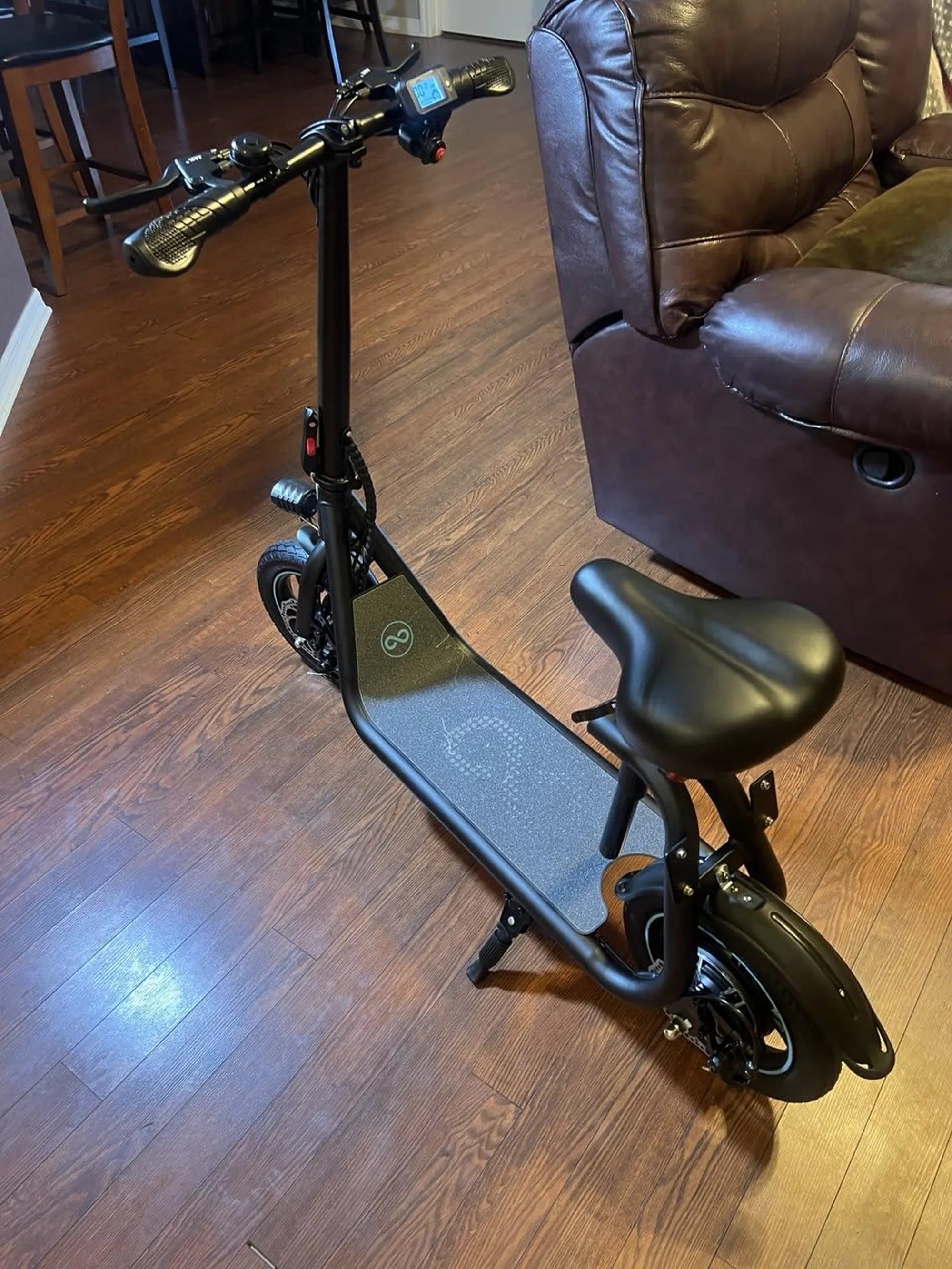
Electric bikes have revolutionized urban commuting, offering an eco-friendly and cost-effective alternative to traditional transportation. At the heart of every e-bike is its battery, and the 48V lithium battery stands out as a popular choice for its balance of power and efficiency. But how much does a 48V lithium battery for an electric bike really cost? This guide dives deep into the factors that determine pricing, how to get the best value, and why investing in a quality battery pays off in the long run.
Factors Influencing the Cost of a 48V Lithium Battery
The price of a 48V lithium battery for an electric bike can vary widely, depending on several key factors. Understanding these elements will help you make an informed purchase.
- Battery Capacity (Ah): Higher capacity batteries store more energy and typically cost more.
- Cell Quality: Premium lithium-ion cells offer better performance and longevity but come at a higher price.
- Brand Reputation: Established brands often charge more due to reliability and warranty support.
- Features: Smart BMS (Battery Management System) and waterproofing can add to the cost.
- Market Demand: Seasonal fluctuations and supply chain issues can impact pricing.
Average Price Range for 48V Lithium Batteries
On average, a 48V lithium battery for an electric bike can range from $300 to $1,000 or more. Entry-level models with lower capacity (10Ah-15Ah) tend to be on the cheaper end, while high-performance batteries (20Ah+) with advanced features command premium prices. It's essential to balance your budget with your riding needs—whether you're a casual commuter or a long-distance rider.
Long-Term Cost Benefits of Lithium Batteries
While the upfront cost of a 48V lithium battery may seem steep, its long-term benefits often justify the investment. Lithium batteries last significantly longer than lead-acid alternatives, with lifespans of 500-1,000 charge cycles or more. They also maintain consistent performance over time, ensuring your e-bike remains efficient for years. Additionally, their lightweight design reduces strain on your bike's motor, further extending its lifespan.
Tips to Reduce Battery Costs Without Sacrificing Quality
If you're looking to save money without compromising on quality, consider these strategies:
- Buy from Reputable Sellers: Avoid counterfeit products by purchasing from trusted retailers.
- Look for Discounts: Seasonal sales and bundle deals can offer significant savings.
- Opt for Mid-Range Capacity: A 15Ah-18Ah battery often provides the best balance of cost and performance.
- Maintain Your Battery: Proper care can extend its lifespan, reducing replacement costs.
How to Extend the Lifespan of Your 48V Lithium Battery
Maximizing your battery's longevity ensures you get the most value from your investment. Follow these best practices:
- Avoid full discharges—recharge when the battery reaches 20-30%.
- Store the battery in a cool, dry place when not in use.
- Use the manufacturer-recommended charger to prevent overcharging.
- Clean battery terminals regularly to ensure optimal connectivity.
Is a 48V Lithium Battery Worth the Investment?
For most e-bike riders, the answer is a resounding yes. The combination of lightweight design, high energy density, and long cycle life makes lithium batteries the superior choice. While the initial cost may be higher, the savings on replacements and improved performance make it a smart financial decision in the long run.
Ready to upgrade your e-bike's performance? A 48V lithium battery might be the game-changer you've been looking for—offering power, efficiency, and durability that far outweighs its cost.
Electric Bike Market Share in India: Growth, Trends, and Future Outlook
Electric Bike Market Share in India: Growth, Trends, and Future Outlook