



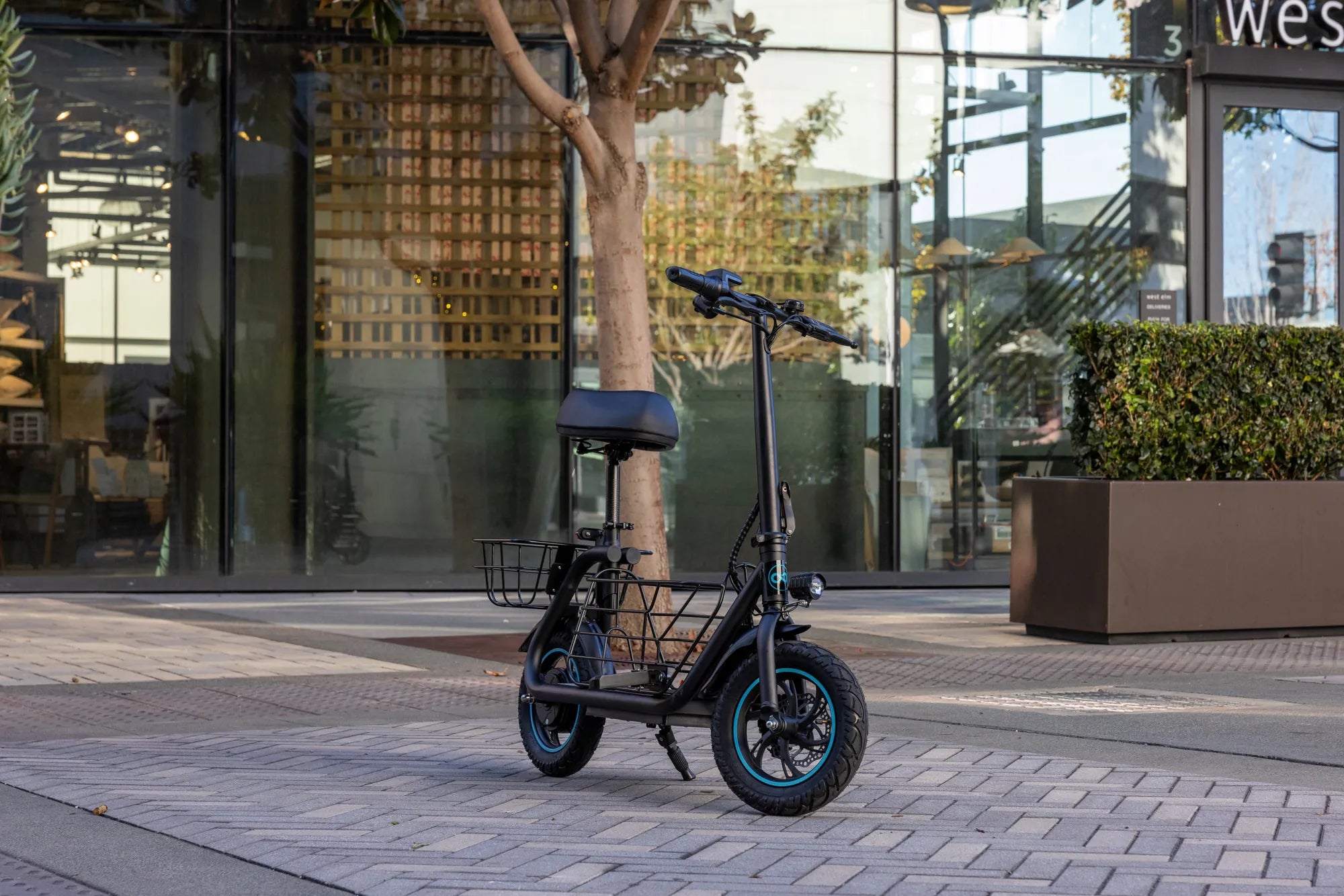
Introduction to 49cc Scooter Parts
49cc scooters represent one of the most popular categories of personal transportation worldwide, offering an accessible entry point into motorized mobility. These compact, fuel-efficient machines are classified as mopeds in many jurisdictions, often requiring minimal licensing compared to larger motorcycles. Understanding 49cc scooter parts is essential for any owner who wants to maintain reliability, ensure safety, and potentially enhance performance. Whether you're performing routine maintenance or addressing a breakdown, knowing what components make up your scooter and where to source quality replacements can save significant time and money.
The importance of using proper 49cc scooter parts cannot be overstated. These small-displacement engines operate under specific tolerances and stresses, making component compatibility and quality paramount. Using incorrect or substandard parts can lead to poor performance, accelerated wear, and even safety hazards. This guide will serve as your comprehensive resource, covering everything from basic maintenance components to performance modifications and sourcing strategies.
While Gyroor specializes in electric personal transport, our engineering philosophy emphasizes universal principles: quality components, reliable performance, and user safety. The same meticulous attention we apply to selecting UL-certified batteries and IPX5-rated components for our e-scooters should guide your approach to 49cc scooter parts. This guide draws on extensive mechanical data and industry standards to provide factual, actionable information for scooter owners at every skill level.
Essential Maintenance & Replacement Parts
Regular maintenance is the single most important factor in extending the lifespan of your 49cc scooter. A systematic approach to inspecting and replacing wear items prevents minor issues from becoming major repairs. This section breaks down the most critical components by system, detailing their function, typical lifespan, and failure symptoms. Keeping these parts in good condition ensures optimal performance, fuel efficiency, and most importantly, rider safety.
Data from service records shows that consistent maintenance can extend a 49cc scooter's operational life by 40-60% compared to neglected units. The relatively simple mechanical design of these scooters means that most maintenance tasks are accessible to owners with basic tools and guidance. However, identifying the correct 49cc scooter parts for your specific model is the crucial first step in any maintenance procedure.
Establishing a maintenance schedule based on either mileage or time intervals is highly recommended. For frequently used scooters, a 500-mile or monthly check of key components is ideal. Less frequently used machines should still undergo seasonal inspections. Documenting your maintenance creates a valuable history that aids in troubleshooting and preserves resale value. Always consult your owner's manual for manufacturer-specific intervals and part numbers.
Engine & Drivetrain Components
The heart of your scooter is its 49cc engine and the Continuously Variable Transmission (CVT) that delivers power to the rear wheel. Key engine parts requiring regular attention include the air filter, spark plug, and carburetor. A clogged air filter restricts airflow, causing a rich fuel mixture that reduces power and fouls the spark plug. Spark plugs in 49cc engines typically need replacement every 1,000-2,000 miles, with symptoms of wear including hard starting and poor idle.
The carburetor is a precision component that mixes air and fuel. Issues here often manifest as poor throttle response, stalling, or irregular idle. Regular cleaning and occasional rebuilds with a carburetor kit (including gaskets and jets) are necessary, especially if fuel with ethanol is used. The fuel filter, often overlooked, should be replaced annually to prevent contaminants from reaching the carburetor.
Within the CVT drivetrain, the drive belt and variator rollers are high-wear items. The rubber composite drive belt transmits power and typically lasts 5,000-8,000 miles. Signs of wear include fraying edges, cracks, or glazing. Worn variator rollers fail to allow the pulley system to shift properly, causing sluggish acceleration and reduced top speed. The clutch assembly, with its friction shoes, also wears over time, leading to slippage or grabbing during takeoff.
Braking & Safety Systems
Brake system integrity is non-negotiable for safety. Most 49cc scooters use either drum brakes or disc brakes. Drum brake systems consist of brake shoes, a backing plate, springs, and the drum itself. Brake shoes have friction material that wears down with use. A visual inspection through the backing plate or a noticeable increase in lever travel indicates replacement time.
Disc brake systems utilize a caliper, brake pads, and a rotor. Brake pads should be checked for thickness regularly; most have wear indicators. A metallic scraping sound often signals that pads are fully worn. The brake fluid in hydraulic systems degrades over time, absorbing moisture and reducing boiling point. It should be flushed and replaced every two years. Brake cables in mechanical systems can stretch or fray, leading to a spongy lever feel.
Beyond the primary brakes, other safety-related 49cc scooter parts include tires, lights, and mirrors. Tire tread depth should be above 1/16 of an inch (1.6mm), with sidewalls checked for cracks. Bulbs for headlights, taillights, brake lights, and turn signals burn out and must be replaced to maintain visibility and legal compliance. Regular checks of these systems are as critical as engine maintenance.
Electrical & Ignition Parts
The electrical system on a 49cc scooter is relatively simple but vital for operation. The battery, usually a 12V sealed lead-acid type, provides power for starting and lights when the engine is off. Batteries have a finite lifespan of 2-4 years. Symptoms of a failing battery include slow cranking, dim lights, or the need for frequent jump-starts. Keeping terminals clean and connections tight is basic preventive maintenance.
The ignition system consists of the spark plug, coil, CDI (Capacitor Discharge Ignition) unit, and related wiring. The CDI unit is essentially the scooter's ignition computer, controlling spark timing. CDI failure is a common cause of a no-spark, no-start condition. The stator, located inside the engine cover, generates AC current to charge the battery and power the lights. A failing stator will result in a dead battery despite a running engine.
Other key electrical 49cc scooter parts include the voltage regulator/rectifier, which converts AC current from the stator to DC for the battery, and the starter motor or starter bendix. Switches for the ignition, kill switch, and lights are also wear points. Electrical issues are often diagnosed through systematic testing with a multimeter, checking for proper voltage and continuity.
Sourcing Quality 49cc Scooter Parts: A Buyer's Guide
Finding reliable 49cc scooter parts requires more than just a quick online search. The market is flooded with options of varying quality, and selecting the wrong part can lead to frustration, wasted money, and mechanical issues. A strategic approach to sourcing involves understanding the different tiers of part quality, accurately identifying your needs, and knowing where to shop. This guide provides a data-driven framework for making informed purchasing decisions every time.
Research indicates that part quality directly correlates with scooter reliability and longevity. In a survey of scooter mechanics, 78% reported that the majority of premature failures they see are linked to inferior aftermarket parts. This doesn't mean all aftermarket parts are bad, but it highlights the importance of discernment. The goal is to match the part's quality and specification to your scooter's requirements and your usage patterns.
When evaluating sources, consider factors beyond just price. Shipping time, return policies, customer service accessibility, and technical support are all valuable. A supplier that provides detailed specifications, clear photos, and compatibility information demonstrates greater expertise and reliability. Building a relationship with a trusted supplier can pay dividends when you need a hard-to-find component or urgent advice.
OEM vs. Aftermarket Parts
Original Equipment Manufacturer (OEM) parts are made by the same company that produced the part for your scooter's assembly line. They offer guaranteed fit, finish, and performance that matches the original component. The primary advantage is certainty; you know exactly what you're getting. The disadvantages are typically higher cost and sometimes limited availability, especially for older or less common scooter models.
Aftermarket parts are produced by third-party companies. This category has a vast quality spectrum. Premium aftermarket brands often invest in research and development, sometimes improving upon OEM designs with better materials or tolerances. These can be excellent choices for performance upgrades or durable replacements. Economy-tier aftermarket parts, however, may use inferior metals, plastics, or manufacturing processes to hit a low price point, resulting in shorter lifespans.
The choice often comes down to the criticality of the part and your budget. For safety-critical components like brake shoes, throttle cables, or wheel bearings, leaning toward OEM or certified premium aftermarket is wise. For cosmetic items or non-critical gaskets, a wider range of aftermarket options may be acceptable. Always cross-reference part numbers and read detailed reviews from other owners of your specific scooter model.
Identifying Your Scooter Model & Part Numbers
Precise identification is the foundation of successful parts sourcing. The most common mistake is ordering parts for the wrong model year or variant. Start by locating your scooter's Vehicle Identification Number (VIN). It's usually stamped on the frame near the steering head or on a plate under the floorboard. The VIN contains codes for the manufacturer, model, and year.
Next, find the engine serial number, typically on the crankcase. For many common 49cc engines (like GY6, Minarelli, or Derbi clones), the engine code is crucial. The GY6 139QMB, for example, is an extremely common platform. Knowing this engine family opens up a huge catalog of compatible parts. However, even within the same engine family, small differences in mounting points, shaft sizes, or electrical connectors can exist.
Your owner's manual and any existing service documentation are invaluable. They contain exploded diagrams and official part numbers. If these are lost, many online parts dealers offer microfiche systems—digital versions of factory parts diagrams. You can visually select the component you need to get the correct part number. When in doubt, take clear photos of the old part, including any numbers stamped on it, and measure critical dimensions like bolt hole spacing and shaft diameter.
Trusted Suppliers & Red Flags
Trusted suppliers share common characteristics: they specialize in scooter or small engine parts, provide detailed product descriptions with OEM cross-references, offer reasonable warranties, and have responsive customer service. Well-established online retailers, local scooter dealerships (even if they don't stock your brand, they may order parts), and dedicated scooter salvage yards are all potential sources. Forums and owner groups for your specific scooter are excellent for community-vetted supplier recommendations.
Be wary of these red flags when sourcing 49cc scooter parts: listings with extremely vague titles ("Fits 50cc Scooter"), stock photos only with no actual product images, prices dramatically lower than the market average, and sellers with no return policy or contact information. Poorly translated product descriptions or packaging can also indicate low-quality manufacturing with little quality control.
Just as Gyroor insists on UL-certification for battery safety and publishes detailed IP water resistance ratings for our e-scooters, you should seek parts with clear specifications and safety certifications where applicable. For example, brake pads should meet certain friction material standards, and electrical components should have relevant certifications for your region (like CE or DOT marks). Don't hesitate to contact the seller directly with pre-purchase questions about specifications, origin, and warranty; their willingness and ability to answer is a telling sign.
Performance Upgrades vs. Standard Replacements
The line between maintenance and modification is a key decision point for 49cc scooter owners. While a standard replacement part restores original function, a performance upgrade aims to enhance power, speed, or efficiency beyond factory specifications. Understanding the trade-offs is essential. Upgrades can unlock more fun and utility from your scooter, but they often come with compromises in reliability, fuel economy, emissions, and sometimes legality.
Data from dyno tests on popular 49cc platforms shows that a coordinated set of basic upgrades can increase peak horsepower by 30-50% and top speed by 10-15 mph. However, these gains are not free. Increased stress on components like the crankshaft, bearings, and transmission can reduce overall engine life if not properly managed. Furthermore, tampering with emissions equipment may violate local laws and prevent your scooter from passing required inspections.
The decision should be guided by your goals. If you seek maximum reliability for daily commuting, sticking with OEM-spec replacements is usually best. If you're willing to accept more frequent maintenance for increased performance for recreational use, then selective upgrades make sense. A hybrid approach is also common: using high-quality aftermarket parts that meet OEM specifications but offer better materials (like sintered brake pads or Kevlar-reinforced drive belts) for durability without radically altering performance.
Popular Performance Modifications
Performance modifications for 49cc scooters typically focus on improving airflow, fuel delivery, and exhaust flow. A common starting point is the intake and exhaust system. Upgrading to a high-flow air filter (like a foam or performance panel filter) and installing a free-flowing exhaust can provide noticeable gains. These mods often require re-jetting the carburetor to adjust the fuel-air mixture, as the engine will now be moving more air.
The CVT transmission is a major area for optimization. Installing a performance variator with different ramp angles, along with lighter or heavier roller weights, changes how quickly the scooter engages and reaches its optimal power band. A performance torque spring in the clutch can improve acceleration from a stop. These drivetrain mods don't increase peak horsepower but make the existing power more accessible and can improve acceleration dramatically.
For more significant gains, enthusiasts may install a big bore kit, which increases the engine displacement from 49cc to 70cc or 80cc by replacing the cylinder and piston. This is a more involved modification that often necessitates upgrading the carburetor, exhaust, and sometimes the crankshaft and cooling system. It represents the upper end of performance modification and should only be undertaken with research and proper tools or professional help.
When to Stick with OEM Spec
There are several scenarios where deviating from OEM specifications is ill-advised. First is any component related to emissions control. In regions with inspections, non-compliant parts can lead to fines and failed tests. Second is safety-critical systems. While performance brake pads exist, using untested, no-name brake components is a severe risk. The factory braking system is designed as a complete package; altering one part can affect the balance and performance of the whole system.
If your scooter is still under warranty, using non-OEM parts for repairs can void that warranty. For rare or vintage scooters, preserving originality with OEM parts maintains collector value. Furthermore, for owners who prioritize set-and-forget reliability for daily transportation, the proven durability of OEM-spec parts is hard to beat. The engineering team at Gyroor, for instance, designs our electric scooters with specific component specifications to ensure balanced performance and safety; deviating from those specs for a single component can have unforeseen consequences on the entire system.
Finally, consider the domino effect. A performance carburetor might require a different intake manifold, which might interfere with the body panel, which might require a different airbox delete kit. Sticking with OEM spec for the majority of components simplifies maintenance and troubleshooting. It ensures that any mechanic can work on your scooter using standard service data, and that replacement parts will be readily available in the future.
Installation Tips & Professional Help
Successfully installing 49cc scooter parts requires the right tools, a methodical approach, and an honest assessment of your own mechanical skills. Many repairs and replacements are well within the capability of a motivated owner with basic tools, saving substantial labor costs. However, certain jobs involve precision adjustments, special tools, or significant safety risks that make professional assistance the wiser choice. This section provides a framework for deciding which path to take and how to execute a DIY job correctly.
Studies of DIY repair outcomes show that proper preparation is the single biggest factor in success. Owners who consult service manuals, gather the correct tools and parts beforehand, and allocate sufficient time have a dramatically higher success rate than those who attempt repairs ad-hoc. Creating a clean, organized workspace with good lighting is also crucial. Remember, on a 49cc scooter, you are often working in tight spaces with small, delicate components.
Safety must be the first priority. Always disconnect the battery before working on electrical systems. Use jack stands to support the scooter securely—never rely solely on the center stand or a single jack. Wear safety glasses when drilling, grinding, or using compressed air. Keep a fire extinguisher rated for flammable liquids (Class B) nearby when working on the fuel system. Taking these precautions protects you and prevents turning a simple repair into an accident.
Tools and Preparation for DIY
A basic metric tool set is the foundation. Most 49cc scooters use metric fasteners, with 8mm, 10mm, 12mm, and 14mm sockets being most common. A set of JIS (Japanese Industrial Standard) screwdrivers is highly recommended, as Phillips-head screws on many scooters are actually JIS, and using a standard Phillips can strip them. Other essential tools include needle-nose pliers, locking pliers, a torque wrench (critical for engine and wheel bolts), and a multimeter for electrical diagnostics.
Before disassembly, take photos or make sketches of how components are assembled, especially wiring harness routing and hose connections. Use labeled bags or containers to organize fasteners by assembly. This is invaluable during reassembly. Download or purchase a service manual specific to your scooter model. This document provides step-by-step procedures, torque specifications, and wiring diagrams that are far superior to generic online videos.
For part-specific installations, certain tips apply. When installing a new drive belt, ensure it is seated properly in the variator and clutch pulleys before reassembling the CVT cover. When replacing brake components, avoid getting grease or oil on pads or rotors. After installing new brake pads, pump the brake lever several times to seat the pads against the rotor before riding. When working with fuel system parts, have rags ready to catch spills and ensure the area is well-ventilated.
Knowing Your Limits: Jobs for a Pro
Certain repairs involve complexities or risks that typically warrant professional service. Engine internal work, such as splitting the crankcase to replace a crankshaft or transmission bearings, requires specialized press tools, sealants, and knowledge of internal clearances. Getting this wrong can lead to immediate engine seizure. Similarly, welding on the frame or swingarm should be done by a professional to maintain structural integrity.
Electrical system diagnosis, when it moves beyond simple component replacement (like a bulb), can be a labyrinth of wiring harnesses, connectors, and grounding points. A professional mechanic has the wiring diagrams and experience to trace faults efficiently. Modern diagnostic tools for checking ignition timing or charging system output are also specialized equipment that may not be cost-effective for a DIYer to purchase for occasional use.
If you find yourself stuck, having already taken components apart without clear direction, it is often more cost-effective to call a professional at that point rather than risk further damage. A good strategy is to attempt diagnostics and minor repairs yourself, but have a trusted scooter shop on standby for major work. This balanced approach builds your skills while ensuring your scooter receives expert care for critical jobs. The principle is similar to maintaining an electric scooter: while you can clean brakes and check tire pressure, a certified technician should handle battery diagnostics or controller firmware updates.
Comparison of Common 49cc Scooter Part Types
Choosing the right type of part involves balancing cost, quality, and intended use. The table below provides a data-driven comparison of different part categories across key criteria to guide your decision-making process. This analysis is based on aggregated user reports, mechanic surveys, and product testing data for typical 49cc scooter platforms.
| Part Category | Typical Cost | Expected Lifespan | Best Use Case | Key Consideration |
|---|---|---|---|---|
| OEM Replacement | High | Long (Matches Original) | Critical components, warranty repairs, preserving value | Guaranteed fit and performance, but highest price. |
| Premium Aftermarket | Medium-High | Long (Often Exceeds OEM) | Performance upgrades, high-durability needs | May offer improved materials/design. Verify compatibility. |
| Standard Aftermarket | Medium | Medium | Non-critical wear items, cosmetic parts | Wide availability. Quality can vary significantly between brands. |
| Economy Aftermarket | Low | Short | Temporary fixes, disposable projects | High failure rate. Not recommended for safety or engine parts. |
| Used/Salvage (OEM) | Low-Variable | Unpredictable | Discontinued parts, hard-to-find components | Inspect thoroughly. Ideal for non-moving parts like body panels. |
This comparison highlights that there is no single "best" option for all situations. The optimal choice depends on the specific part's role, your budget, and your performance expectations. For example, spending more on a premium aftermarket drive belt might yield longer life and better performance, while saving money with a standard aftermarket mirror might be perfectly acceptable. Always let safety and critical function guide your budget allocation.
Frequently Asked Questions (FAQ)
Q1: How often should I replace the drive belt on my 49cc scooter?
A: The drive belt is a wear item with a typical lifespan of 5,000 to 8,000 miles under normal conditions. Aggressive riding, frequent stop-and-go traffic, or carrying heavy loads can shorten this interval. Visual inspection during routine maintenance is key; replace the belt if you see cracks, fraying, excessive glazing, or if it has become hard and inflexible.
Q2: My scooter won't start. What are the most common 49cc scooter parts to check first?
A> Follow a logical diagnostic sequence: First, check for spark by removing the spark plug, grounding it against the engine, and cranking. No spark points to ignition issues (spark plug, coil, CDI). If you have spark, check for fuel. Is the carburetor getting gas? Check the petcock, fuel lines, and filter. Also, ensure the battery is strong enough to spin the starter motor briskly. A weak battery is a very common culprit.
Q3: Are parts interchangeable between different brands of 49cc scooters?
A> Often, yes, but it depends on the engine platform. Many Chinese-made 49cc scooters use the ubiquitous GY6 139QMB engine clone. Parts for this engine (like cylinders, pistons, carburetors, and CVT components) are often interchangeable across many brand names. However, frame parts, body panels, and electrical harnesses are usually brand and model-specific. Always verify using part numbers or physical measurements.
Q4: Can I upgrade my 49cc scooter to go faster legally?
A> Legality varies drastically by location. In many areas, any modification that increases the engine's power output or changes its emissions profile may violate laws governing "moped" or "limited-speed motorcycle" classifications, which are based on the scooter's original certified specifications. Such modifications can void your insurance and registration. Always check your local vehicle codes before performing performance modifications.
Q5: What's the most overlooked maintenance item on a 49cc scooter?
A> The fuel system, specifically the fuel filter and the condition of fuel lines. The small in-line fuel filter is cheap and easy to replace but often ignored. Over time, it clogs with debris from the tank, restricting fuel flow and causing performance issues. Similarly, rubber fuel lines can degrade from ethanol in modern gasoline, becoming soft or developing tiny cracks that introduce air leaks. Replacing these every two years is cheap preventive maintenance.
Keeping Your 49cc Scooter Running Smoothly
Mastering the world of 49cc scooter parts transforms you from a passive rider into an informed owner. The knowledge of what components are critical, how to source quality replacements, and when to tackle a repair yourself empowers you to maintain your scooter's reliability, safety, and value for years to come. Remember that consistent, proactive maintenance using the right parts is far less costly and stressful than reacting to breakdowns with emergency repairs.
The principles outlined here—prioritizing quality, verifying compatibility, and understanding the trade-offs between OEM and aftermarket—apply whether you're working on a gas-powered scooter or an electric model. At Gyroor, we build our electric scooters and e-bikes with the same philosophy: using certified, high-quality components to deliver reliable, safe, and enjoyable transportation. This commitment to quality is what has earned the trust of over 100,000 riders.
Your 49cc scooter is a practical and fun machine. By investing time in understanding its parts and needs, you ensure it remains a dependable part of your life. Keep your service manual handy, build a relationship with a good parts supplier, and don't be afraid to get your hands dirty on the simpler tasks. For the more complex jobs, there's no shame in seeking professional expertise to keep your scooter in top condition.
Whether you rely on a 49cc gas scooter or are considering the quiet, zero-emission alternative of an electric model, the journey towards reliable personal transport starts with quality components. Explore Gyroor's range of UL-certified, professionally engineered electric scooters and e-bikes designed for durability and performance. Browse the full Gyroor collection at gyroorboard.com to discover a modern approach to personal mobility, backed by a reliable 1-year warranty and a commitment to the same quality standards you now apply to your scooter parts.
Dual Battery Electric Tricycle for Long Range: Ultimate Guide for 2024
Lightweight 20 Inch Mountain Bike: The Agile Trail Specialist for Adults