

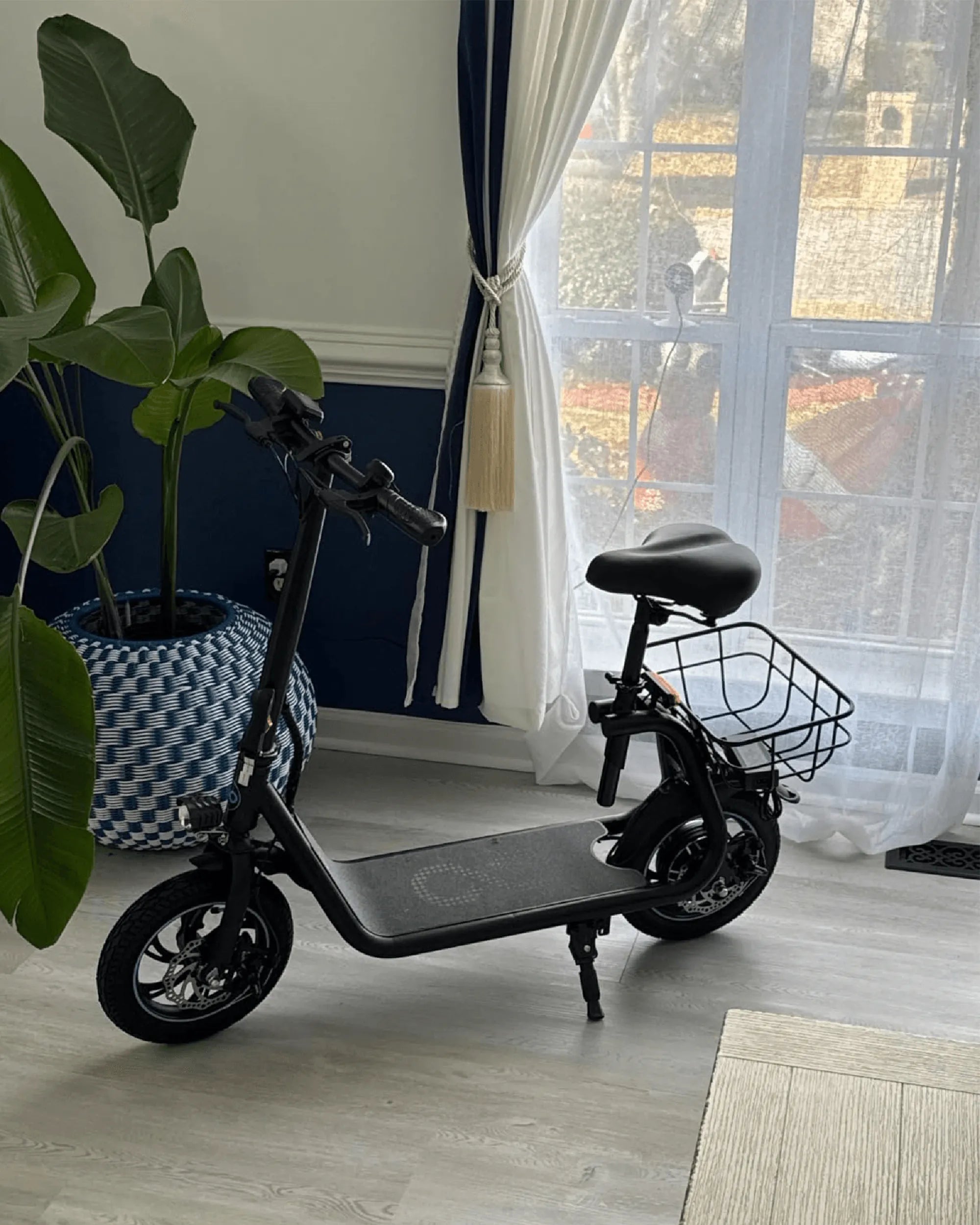
If you're seeking more speed, conquering steeper hills, or simply extending your commute without range anxiety, the 52V scooter battery is the pivotal upgrade you need to understand. This isn't a marginal improvement; it's a fundamental shift in the power architecture of personal electric vehicles. Moving beyond the ubiquitous 48V standard, 52V systems deliver tangible performance gains that transform the riding experience for commuters and enthusiasts alike. This guide will dissect the technology, compare it to other voltage tiers, and provide the critical safety and compatibility knowledge required to harness this power responsibly. You'll learn how a 52V battery works, why its specifications matter for real-world use, and how to select a pack that offers both thrilling performance and long-term reliability.
What is a 52V Scooter Battery? Core Specifications Explained
A 52V scooter battery refers to the nominal voltage of a lithium-ion (Li-ion) or lithium iron phosphate (LiFePO4) battery pack specifically engineered for electric scooters. Nominal voltage represents the average voltage the battery outputs during use. In practice, a fully charged 52V Li-ion pack measures around 58.8 volts (4.2V per cell x 14 cells in series), and it should not be discharged below approximately 42 volts to prevent damage. This higher voltage platform is the key to unlocking superior performance.
The primary advantage of a 52V system over the common 48V standard is increased power and efficiency. Power (in watts) is calculated as Voltage x Current (Amps). With a higher base voltage, the motor controller can deliver more watts to the motor without necessarily drawing more current. This results in stronger acceleration, higher potential top speeds, and notably better performance on inclines. Furthermore, operating at a higher voltage often means the system runs more efficiently, with less energy lost as heat in the wiring and controllers, which can contribute to marginally better range.
It's crucial to distinguish between voltage and capacity. Voltage is the "pressure" of the electrical system, while capacity (measured in Amp-hours, Ah) is the size of the "fuel tank." A 52V scooter battery with a 20Ah capacity stores more total energy (52V x 20Ah = 1040 Watt-hours) than a 48V 20Ah battery (960 Watt-hours). This Watt-hour (Wh) figure is the true measure of energy storage and is the most accurate predictor of potential range, all other factors being equal.
52V vs. 48V vs. 60V: The Performance Tier Breakdown
Choosing the right voltage tier is about balancing performance, cost, compatibility, and practicality. The 52V platform strategically occupies the sweet spot between the standard 48V and the high-performance 60V systems.
A 48V system is the entry-level standard for adult electric scooters. It offers decent performance for flat urban commutes but can struggle with sustained hill climbs and may experience significant voltage sag (a drop in power output) as the battery depletes. Upgrading to a 52V scooter battery provides a noticeable and immediate improvement. Riders report quicker acceleration, a 3-7 mph increase in top speed depending on the motor, and much more consistent power delivery, especially in the second half of the battery's charge.
The 60V and higher systems are the domain of extreme performance, dual-motor, and off-road scooters. They deliver brutal acceleration and very high top speeds. However, this comes with trade-offs: significantly higher cost, increased weight, more complex and expensive controllers, and often reduced portability. For the vast majority of urban commuters and recreational riders, the 52V option delivers 80-90% of the performance gain of a 60V system without the steep downsides.
| Specification | 48V System | 52V System | 60V System |
|---|---|---|---|
| Nominal Voltage | 48V | 52V | 60V |
| Fully Charged Voltage | 54.6V | 58.8V | 67.2V |
| Typical Use Case | Entry-level commuters, lighter riders, flat terrain. | Enthusiast commuters, moderate hills, extended range needs. | High-performance, dual-motor, off-road, extreme speed. |
| Performance | Adequate acceleration and speed. | Strong acceleration, higher top speed, excellent hill climb. | Maximum acceleration and top speed. |
| Cost & Complexity | Lowest cost, widest compatibility. | Moderate cost increase, good upgrade path. | Highest cost, specialized components. |
| Weight & Portability | Lightest | Moderately heavier | Heaviest |
Key Advantages of Upgrading to a 52V Battery System
The decision to invest in a 52V scooter battery is justified by a suite of interconnected benefits that enhance every ride. The most immediate sensation is increased torque and acceleration. The higher voltage allows the motor to reach its peak power band more quickly, providing a more responsive and engaging ride from a standstill. This is particularly valuable in city traffic, where quick, safe acceleration from intersections is crucial.
Range extension is another significant advantage, though it's often misunderstood. The range increase doesn't come from voltage alone but from the accompanying increase in Watt-hour capacity. Because 52V packs often come with higher capacity cells or more parallel groups, a typical 52V scooter battery like a 52V 20.8Ah pack offers over 1080Wh, compared to a 48V 18Ah pack at 864Wh. This 25% increase in energy storage can translate to 5-10 extra miles of real-world range, effectively eliminating range anxiety for most commutes.
Perhaps the most appreciated benefit among experienced riders is the reduction in voltage sag. All batteries experience a drop in voltage under high load (like climbing a hill). A 48V system might sag to 44V or lower, causing a dramatic loss of power. A 52V system, starting from a higher voltage, will sag less severely, maintaining stronger and more consistent performance throughout the discharge cycle. This means your scooter feels just as powerful at 50% battery as it did at 100%.
The Safety Imperative: BMS, Certification, and Build Quality
With greater power comes greater responsibility, especially regarding safety. The heart of any safe lithium-ion battery pack is a high-quality Battery Management System (BMS). A robust BMS is non-negotiable for a 52V scooter battery. It performs several critical functions: monitoring individual cell voltages to prevent overcharging or over-discharging, balancing cells to ensure they age evenly, managing temperature, and providing protection against short circuits and excessive current draw. A failure in any of these protections can lead to reduced performance, battery failure, or in extreme cases, a thermal event.
This is where third-party certification becomes paramount. A UL certification (like UL 2271) for the battery pack indicates that an independent laboratory has tested the design for electrical, mechanical, and environmental safety. Brands that invest in this certification, such as Gyroor, which utilizes UL-certified battery packs tested for over 500 charge cycles, demonstrate a fundamental commitment to safety and reliability. This certification is a key differentiator from uncertified, potentially dangerous aftermarket packs.
Physical construction is equally important. Look for packs with high-grade lithium-ion cells from reputable manufacturers (like Samsung, LG, or Panasonic), spot-welded connections (not soldered), and a rigid, protective casing. A quality pack will also feature proper strain relief on wiring and connectors designed to handle the increased current of a 52V system.
Why IPX Water-Resistance is Non-Negotiable
Electric scooters are ridden in the real world, where puddles, rain, and road spray are inevitable. Water ingress is a leading cause of battery and electrical failure. An IPX5 water-resistance rating for the battery enclosure means it can withstand water jets from any direction, providing robust protection against rain and wet roads. This is a critical feature for longevity and safety, ensuring that a sudden downpour doesn't end your commute or compromise your 52V scooter battery's integrity. Gyroor designs its scooters with IPX5 water-resistant battery compartments for this exact reason.
Compatibility and Installation: Can You Upgrade?
The most common question from riders with 48V scooters is whether they can simply swap in a 52V scooter battery. The answer is: it depends, and caution is required. The battery must be compatible with your scooter's motor and, most critically, its electronic speed controller (ESC).
Many modern ESCs have a wide input voltage range (e.g., 48V-60V) and can automatically adapt to a 52V battery. However, many older or budget scooter controllers are locked to a specific voltage. Installing a 52V battery on a controller designed only for 48V can cause immediate failure or pose a serious safety risk. Always consult your scooter's official specifications or manufacturer before attempting an upgrade. Furthermore, the physical dimensions and connector type (e.g., XT60, XT90) of the new battery must match your scooter's compartment and wiring harness.
For those not comfortable with electronics, the safest and most reliable path is to purchase a scooter designed from the ground up for a 52V system. This ensures all components—the motor, controller, wiring, display, and even the charger—are optimally matched for performance, efficiency, and safety. Brands like Gyroor engineer their 52V models with this holistic compatibility in mind.
Maximizing Lifespan: Charging, Storage, and Maintenance Best Practices
A 52V scooter battery is a significant investment. Protecting that investment requires adopting proper care habits. Charging practices are foundational. Use only the manufacturer-provided charger designed for your specific 52V system. Avoid leaving the battery on the charger for extended periods after it reaches 100%. While modern BMS units prevent overcharging, it's best to unplug once fully charged. For daily use, many experts recommend charging to 80-90% to minimize long-term cell stress, with a full 100% charge only before a long planned ride.
Storage is critical for longevity. If you won't be using your scooter for more than a few weeks, store the battery in a cool, dry place at a charge level between 40-60%. Never store a battery fully discharged or at 100% charge for long periods, as both states accelerate capacity degradation. Extreme temperatures are the enemy of lithium-ion batteries. Avoid leaving your scooter or battery in direct sunlight on a hot day or in a freezing car overnight.
Regular visual inspections are part of good maintenance. Check the battery casing for any cracks, bulges, or signs of damage. Listen for any unusual sounds from the battery compartment while riding or charging. If you notice a significant, sudden drop in range or performance, it may indicate a failing cell or BMS issue. A strong warranty, like Gyroor's comprehensive 1-year warranty with US-based support, provides essential peace of mind and protection against premature failure.
Real-World Applications: Who Benefits Most from 52V?
The 52V scooter battery is not a niche product; it's the ideal solution for a broad spectrum of riders. The daily urban commuter is a prime beneficiary. The combination of reliable range for a 10-15 mile round trip, strong acceleration for keeping up with city traffic, and resilient hill-climbing ability makes a 52V scooter a robust and dependable primary vehicle. It turns a scooter from a last-mile solution into a legitimate car replacement for many.
Heavier riders (over 200 lbs) will find a 52V system transformative. Standard 48V scooters often struggle with the added load, resulting in sluggish acceleration, poor hill performance, and severely reduced range. The higher power and torque output of a 52V system compensate for the extra weight, delivering a riding experience closer to that of a lighter rider on a 48V scooter.
Recreational riders and enthusiasts who enjoy longer weekend rides or exploring varied terrain will also appreciate the capabilities of a 52V platform. The extra reserve of power and energy provides the confidence to tackle longer routes and moderate hills without constantly worrying about the battery gauge. It elevates the ride from functional to genuinely fun.
Frequently Asked Questions (FAQ)
Can I directly replace my 48V battery with a 52V battery?
Not necessarily. You must first verify that your scooter's motor controller supports a 52V input. Many do not. Installing a higher voltage battery on an incompatible controller can damage it and void your warranty. Always check your owner's manual or contact the manufacturer first.
How much extra range can I expect from a 52V battery?
The range increase comes from higher Watt-hour (Wh) capacity, not voltage alone. If you compare a 48V 18Ah battery (864Wh) to a 52V 20.8Ah battery (1082Wh), you have about 25% more energy. In real-world conditions, this can translate to 5-10 extra miles, depending on rider weight, terrain, and speed.
Are 52V batteries less safe than 48V batteries?
No, voltage alone does not determine safety. Safety is determined by the quality of the cells, the Battery Management System (BMS), and the overall construction. A well-built, UL-certified 52V scooter battery from a reputable brand like Gyroor is as safe as, or safer than, a poorly made 48V battery.
Do I need a special charger for a 52V battery?
Yes, absolutely. A 52V lithium-ion battery requires a charger with a specific output voltage (typically 58.8V). Using a 48V charger (54.6V) will not fully charge it, and using a 60V charger (67.2V) will overcharge and damage it, creating a serious fire hazard. Always use the charger provided with the battery or an exact replacement.
What does a UL certification for a battery mean?
UL (Underwriters Laboratories) certification means the battery pack has been independently tested to rigorous safety standards (like UL 2271) for electrical, mechanical, and environmental hazards. It tests for overcharge, short circuit, crush, drop, immersion, and thermal stability. It's one of the strongest indicators of a safe, reliable battery pack.
Making the Smart Choice for Your Ride
The 52V scooter battery represents the clear next step in personal electric mobility, offering a perfect balance of enhanced performance, practical range, and real-world usability. It solves the common frustrations of 48V systems—lackluster hill climbing, noticeable voltage sag, and range limitations—without venturing into the expensive and heavy realm of 60V hyper-scooters. The decision ultimately hinges on your needs: if you crave more power, face regular inclines, or simply want the confidence of extra range, the 52V platform is your answer. However, this upgrade must be pursued with an emphasis on safety and compatibility. Prioritize batteries with robust Battery Management Systems, proven UL certifications, and water-resistant construction from brands that stand behind their products with strong warranties. By choosing quality, you're not just buying a battery; you're investing in a safer, more powerful, and more reliable riding experience for years to come.
Ready to experience the 52V difference? Explore Gyroor's lineup of high-performance electric scooters and e-bikes, engineered from the ground up with reliable, UL-certified 52V battery systems, IPX5 water resistance, and backed by a comprehensive 1-year warranty. Find the perfect balance of power, range, and safety for your commute. Browse the full Gyroor collection at gyroorboard.com.
140cc Pit Bike Top Speed: A Complete Data-Driven Guide
Dirt Bike Motor Sizes: The Complete Guide to CCs, Power & Rider Fit