

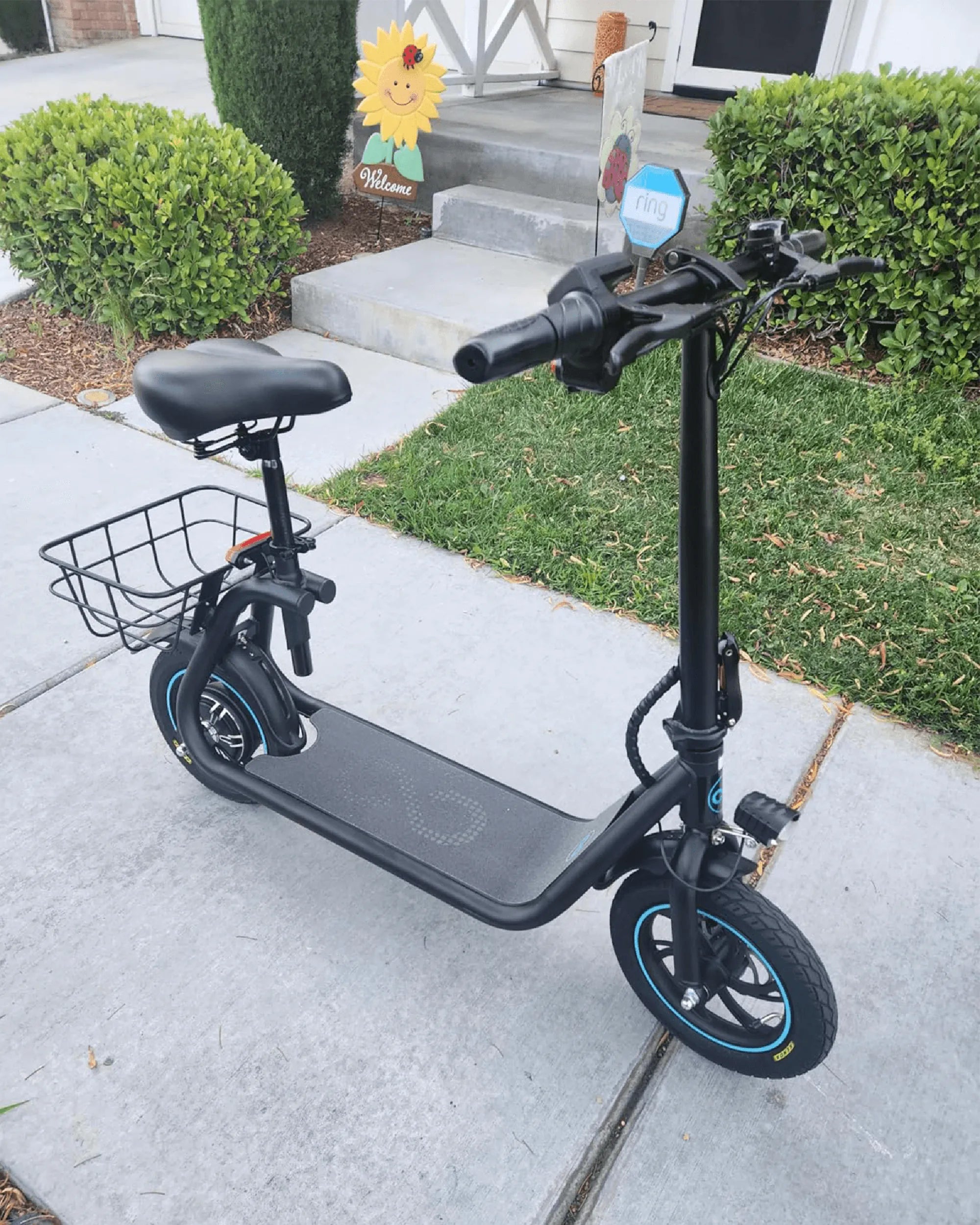
Electric scooters have revolutionized urban mobility, offering a fast, eco-friendly, and cost-effective way to commute. But when it comes to choosing between a 60v and 72v electric scooter, the decision isn't always straightforward. Both options have their pros and cons, and understanding the differences can help you make the best choice for your needs. Let's dive into the key factors that set these two voltage levels apart.
Power and Performance
One of the most significant differences between 60v and 72v electric scooters is power output. A 72v scooter typically delivers more torque and acceleration, making it ideal for riders who prioritize speed and performance. This extra power is especially useful for tackling steep hills or carrying heavier loads. On the other hand, a 60v scooter still offers respectable performance but may struggle with extreme conditions.
Speed Comparison
If speed is your top priority, a 72v scooter is the clear winner. These models often reach higher top speeds, sometimes exceeding 50 mph, while 60v scooters usually max out around 40 mph. However, local regulations may limit how fast you can legally ride, so always check your area's laws before making a decision based solely on speed.
Range and Battery Life
Battery voltage directly impacts range, and 72v scooters generally offer longer distances on a single charge. This is because higher-voltage systems can store more energy without significantly increasing weight. That said, 60v scooters can still provide ample range for most commuters, especially if you opt for a model with a high-capacity battery.
Weight and Portability
Higher voltage typically means more batteries, which increases weight. 72v scooters are often heavier than their 60v counterparts, making them less portable. If you need to carry your scooter upstairs or store it in tight spaces, the lighter weight of a 60v model might be more practical.
Cost Considerations
Unsurprisingly, 72v scooters come with a higher price tag. The more powerful motor, larger battery, and enhanced components all contribute to the increased cost. If you're on a budget, a 60v scooter might offer better value, especially if you don't need the extra power.
Maintenance and Durability
Both 60v and 72v scooters require regular maintenance, but higher-voltage systems may need more frequent attention due to their increased complexity. However, many 72v models are built with premium components to handle the extra power, potentially offering better long-term durability.
Safety Features
With greater power comes greater responsibility. 72v scooters often include advanced safety features like better brakes, brighter lights, and more stable frames to handle the increased speed. While 60v scooters are still safe, they may not have the same level of high-performance safety equipment.
Riding Experience
The riding experience differs noticeably between these two options. 72v scooters provide a more thrilling ride with instant acceleration, while 60v models offer a smoother, more controlled experience. Your personal preferences and riding style should play a significant role in your decision.
Environmental Impact
Both options are environmentally friendly compared to gas-powered vehicles, but 60v scooters typically consume less energy. If minimizing your carbon footprint is important, the slightly better efficiency of a 60v model might appeal to you.
Who Should Choose Which?
For casual commuters and city riders, a 60v scooter often provides the perfect balance of performance and practicality. But if you're a power user who needs maximum speed and range, or if you frequently ride in hilly areas, the extra oomph of a 72v scooter could be worth the investment.
Ultimately, the choice between a 60v and 72v electric scooter comes down to your specific needs and budget. Whether you prioritize speed, range, portability, or cost, there's an option that's perfect for your lifestyle. Take the time to test ride both types if possible, and you'll be zipping through the streets with confidence in no time!
Electric Scooter 200 km Range India 2025: The Future of Urban Mobility
Electric Scooter 200 km Range India 2025: The Future of Urban Mobility