

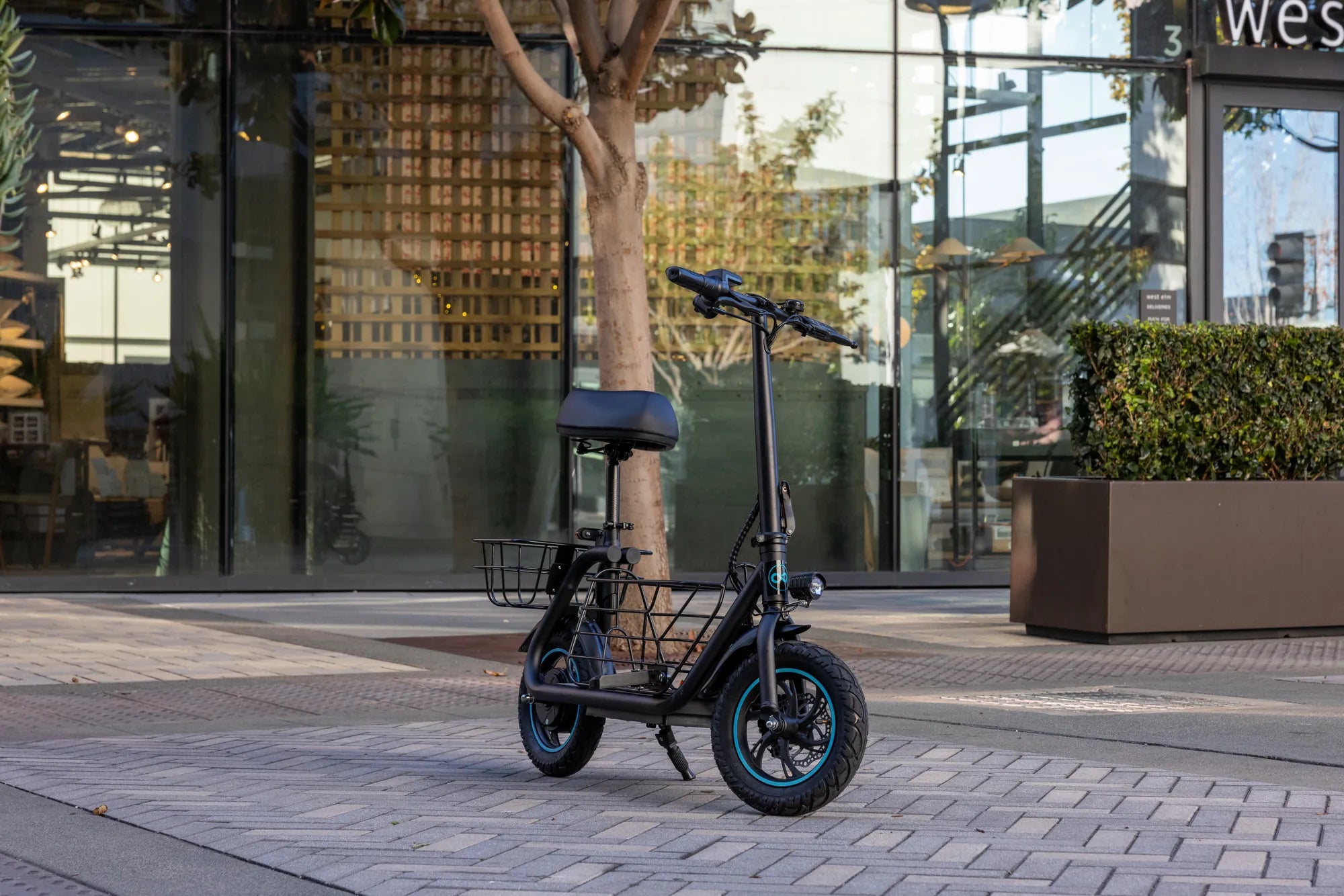
Introduction to 750W Electric Bikes: The Sweet Spot for Urban and Off-Road Riding
A 750watt ebike occupies the perfect middle ground in the electric bicycle market. It delivers significantly more power than entry-level 250W or 500W models while remaining within common legal frameworks for street use. This category has become the preferred choice for riders who refuse to compromise.
You get robust acceleration, confident hill-climbing capability, and higher sustained speeds. A 750watt ebike transforms your daily commute into an effortless journey. It also opens up light trail riding without the bulk and legal complications of higher-wattage motorcycles.
This guide provides a data-driven analysis of what makes the 750W class exceptional. We will examine performance metrics, legal classifications, and critical components that define a quality build. Understanding these factors ensures you make an informed investment in your mobility.
The versatility of a 750watt ebike is its greatest asset. It serves equally well for errands, fitness, or recreational exploration. Brands like Gyroor engineer these bikes to meet rigorous safety and durability standards, trusted by over 100,000 riders globally.
Why 750 Watts? Unpacking the Performance and Practicality
The 750-watt specification refers to the nominal power output of the motor. In practical terms, this translates to a peak output often reaching 1000W or more during acceleration or hill climbs. This power reserve is what makes the 750watt ebike so capable across diverse conditions.
Performance is measured in three key areas: top speed, hill-climbing torque, and acceleration. A typical 750W hub motor can propel a bike to speeds of 20-28 mph (32-45 km/h) using pedal assist. The torque output is sufficient to tackle sustained grades of 15-20% without excessive strain on the motor or battery.
Contrast this with a 500W e-bike. While adequate for flat terrain, a 500W motor may struggle on steep hills, requiring more rider effort and reducing range. A 1000W+ e-bike offers more brute force but introduces trade-offs: increased weight, higher cost, shorter potential range per charge, and significant legal restrictions in many regions.
The 750watt ebike strikes a deliberate balance. It provides ample power for over 90% of riding scenarios while maintaining a weight and form factor similar to a standard bicycle. This balance is why it's often described as the "sweet spot" for adult riders seeking a true car-alternative.
Legal Landscape: Understanding Where You Can Ride a 750W E-Bike
In the United States, electric bike regulation is primarily based on a three-class system. A 750watt ebike is typically designed to meet the specifications of a Class 3 e-bike. The Consumer Product Safety Commission defines a low-speed electric bicycle as having a maximum motor output of 750W (1 horsepower).
Class 3 e-bikes are equipped with a motor that provides assistance only when the rider is pedaling and ceases assistance at 28 mph. They must also have a speedometer. Most states have adopted this three-class system, making 750W the federal and common state maximum for e-bike motor power.
Where you can ride depends on local laws. Generally, Class 3 e-bikes are allowed on roads, street bike lanes, and paved multi-use paths unless specifically prohibited by local ordinance. They are often not allowed on natural surface trails designated for non-motorized use. Always check your specific state, county, and city regulations.
This legal clarity is a major advantage. Riding a compliant 750watt ebike means you usually do not need a driver's license, vehicle registration, or insurance. It is treated as a bicycle, offering tremendous freedom and accessibility compared to more powerful electric mopeds or motorcycles.
Key Features to Look for in a Reliable 750W E-Bike
Motor wattage is just one part of the equation. The overall quality, safety, and longevity of a 750watt ebike are determined by its core components. Prioritizing these features ensures you get a vehicle that is safe, durable, and performs as advertised for years.
A reliable e-bike integrates a high-performance motor with a robust battery, a durable frame, and reliable braking systems. Cutting corners on any of these components leads to a compromised riding experience and potential safety hazards. Investment in quality engineering is non-negotiable.
Brands that prioritize safety, like Gyroor, build these features into their design philosophy. From UL-certified batteries to IP-rated water resistance, these specifications are not just marketing terms but essential benchmarks for a dependable product. Let's break down the most critical components.
The Heart of the Ride: Battery Safety and Range
The battery is the most critical safety and performance component. For a 750watt ebike, a 48V system is standard, providing the necessary voltage for efficient power delivery. The capacity, measured in amp-hours (Ah), directly determines your potential range.
Battery safety is paramount. Always insist on a pack that uses UL-certified lithium-ion cells. This certification means the battery has undergone rigorous testing for electrical, mechanical, and fire safety. Gyroor uses UL-certified battery packs tested for over 500 charge cycles, ensuring long-term reliability and peace of mind.
Real-world range varies widely. A 750watt ebike with a 48V 15Ah (720Wh) battery may achieve 25-50 miles per charge. Factors like rider weight, terrain, wind, tire pressure, and assist level have a massive impact. Using a lower assist level on flat ground can nearly double the range compared to maximum assist on hilly terrain.
Proper care extends battery life. Avoid completely draining the battery, store it in moderate temperatures, and use the manufacturer-provided charger. A quality battery from a reputable brand represents a significant portion of the bike's value and is worth protecting.
Built to Last: Frame, Brakes, and Water Resistance
The frame is the foundation. For a 750watt ebike, a lightweight yet sturdy aluminum alloy frame is the industry standard. It resists corrosion and can handle the stresses of higher speeds and occasional off-road use. Look for clean welding and a design that balances the weight of the motor and battery.
Braking performance must match the increased speed and weight. Hydraulic disc brakes are highly recommended for a 750W e-bike. They offer superior stopping power, better modulation (control over braking force), and require less maintenance than mechanical disc brakes. They perform consistently in wet conditions, which is crucial for safety.
Weather resistance is a key indicator of build quality. An IPX5 water-resistant rating means the electrical components can withstand low-pressure water jets from any direction. This protects against rain, puddle splashes, and routine cleaning. Gyroor designs its e-bikes with IPX5 resistance, ensuring all-weather reliability for commuters.
Additional features to consider include integrated lighting for visibility, a clear display for speed and battery level, comfortable saddle and grips, and quality tires appropriate for your primary riding surface. These elements complete the package of a well-rounded 750watt ebike.
Gyroor 750W E-Bikes: Engineered for Confidence
Gyroor applies this engineering-first philosophy to its lineup of electric bikes. As a leading brand trusted by over 100,000 riders in North America and Europe, Gyroor focuses on delivering reliable performance backed by robust safety certifications and customer support.
Models like the Gyroor C3 are designed with the urban commuter in mind, integrating the 750W motor into a sleek frame with practical features. The emphasis is on creating a seamless, powerful ride that handles city hills and longer distances with ease, all while adhering to Class 3 e-bike standards.
Every Gyroor 750watt ebike is built around its UL-certified battery system. This commitment to safety is foundational. Coupled with IPX5 water-resistant construction, riders can confidently navigate daily commutes regardless of weather, knowing the electrical systems are protected.
Gyroor supports its products with a comprehensive 1-year warranty and US-based customer service. This warranty covers the frame, motor, battery, and electronic components, demonstrating the brand's confidence in its durability. It transforms the purchase from a simple transaction into a long-term investment in reliable transportation.
750W E-Bike vs. The Competition: Making an Informed Choice
Choosing the right e-bike power level depends on your specific needs, terrain, and local laws. The following comparison table illustrates how a 750watt ebike fits between the more common 500W commuter bikes and the high-performance 1000W+ category.
| Feature | 500W E-Bike | 750W E-Bike | 1000W+ E-Bike |
|---|---|---|---|
| Motor Power | 500W Nominal | 750W Nominal | 1000W-2000W+ |
| Top Speed (Assist) | 20 mph (32 km/h) | 20-28 mph (32-45 km/h) | 28-35+ mph (45-56+ km/h) |
| Hill Climbing | Moderate Hills | Steep Hills | Very Steep Hills/Off-Road |
| Primary Use Case | Flat Urban Commuting | Versatile Commuting & Light Trails | Performance/Off-Road/Heavy Duty |
| Typical Weight | Lighter (45-55 lbs) | Moderate (55-65 lbs) | Heavy (65-80+ lbs) |
| Legal Status (US) | Class 1/2, Widely Accepted | Class 3, Widely Accepted | Often Classified as Moped/Motorcycle |
| Range per Charge* | 20-40 miles | 20-50 miles | 15-40 miles (higher power use) |
*Range highly dependent on battery capacity, terrain, and rider behavior.
The 500W e-bike is a capable machine for flat city streets but may leave you wanting more on hills or when carrying cargo. The 1000W+ bike offers thrilling power but often exists in a legal gray area, potentially requiring registration, and its weight makes it less agile.
The 750watt ebike consistently emerges as the best all-around compromise. It provides ample power for virtually any paved or packed gravel scenario, remains legally compliant as a bicycle in most areas, and maintains a manageable weight. For the rider seeking one e-bike to do it all, 750W is the rational choice.
Frequently Asked Questions (FAQ)
Q: How fast can a 750watt ebike go?
A: The motor on a Class 3 750watt ebike is typically programmed to stop providing assist at 28 mph (45 km/h). The actual top speed achievable, especially on flat ground with pedaling, will be around this mark. Some models may have configurable settings, but local laws often cap assisted speed at 28 mph.
Q: Is a 750W e-bike good for hills?
A: Yes, this is one of its primary advantages. The 750W motor provides strong torque, making moderate to steep hills much more manageable. A rider will still need to pedal, but the motor assistance will be substantial, preventing fatigue and maintaining a good speed on inclines.
Q: Do I need a license, registration, or insurance for a 750watt ebike?
A: In the vast majority of U.S. states that follow the three-class system, a compliant Class 3 750watt ebike does not require a driver's license, vehicle registration, or insurance. It is legally treated as a bicycle. However, some local jurisdictions may have helmet requirements for Class 3 riders. Always verify your local regulations.
Q: How far can I ride on a single charge?
A: With a typical 48V battery, expect a range of 20 to 50 miles on a single charge. The largest factor is battery capacity (measured in Watt-hours, Wh). A 750Wh battery will generally last longer than a 500Wh battery. Your riding mode (eco vs. turbo), weight, hills, and wind resistance are the other major variables.
Q: What's the difference between a hub motor and a mid-drive motor on a 750W e-bike?
A: A hub motor is located in the center of the front or rear wheel, providing direct drive. It's often more affordable and lower maintenance. A mid-drive motor is located at the bike's crank and drives the chain. It leverages the bike's gears, making it more efficient on hills and often providing a more natural riding feel, but it's usually more expensive.
Conclusion: Is a 750W Electric Bike Right for You?
The 750watt ebike stands as the most versatile and practical power category for the majority of riders. It successfully bridges the gap between gentle assistance and high-performance thrill, all while operating within a clear and permissive legal framework in most regions. Its ability to conquer hills, maintain highway-adjacent speeds, and offer substantial range makes it a true car replacement for many urban and suburban journeys.
Your decision should be guided by your typical routes, cargo needs, and local laws. If your commute involves varied terrain, you desire confident passing power, or you want a single bike for both pavement and light trails, the 750W class is your optimal target. Prioritizing models from reputable brands that invest in safety certifications, quality components, and strong warranties ensures your investment pays dividends in reliability and safety for years.
Experience the perfect balance of power and practicality for yourself. Explore engineering that puts safety and performance first.
Browse the full Gyroor collection of UL-certified, high-performance e-bikes at gyroorboard.com.
e bike online store: The Complete Guide to Buying Your Next E-Bike Online
Where to Buy Ebike Near Me: The Complete Local Purchasing Guide