

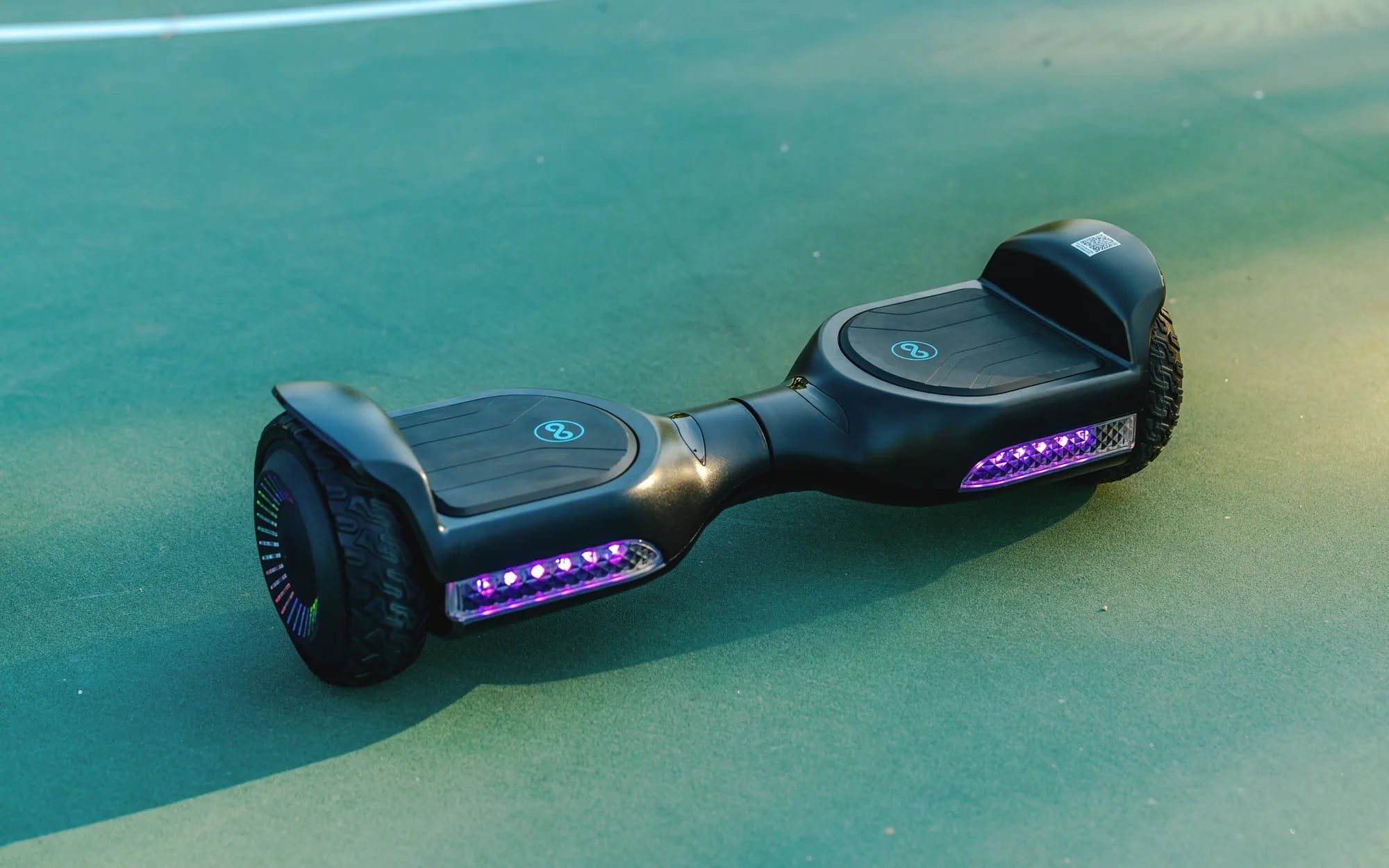
Imagine gliding effortlessly above the ground, defying gravity like a scene straight out of a sci-fi movie. Actual hoverboards, once a fantasy, are now inching closer to reality thanks to cutting-edge technology and relentless innovation. But how close are we to seeing them in everyday life? Let’s dive into the science, challenges, and exciting possibilities of actual hoverboards.
The Science Behind Actual Hoverboards
Actual hoverboards rely on principles of magnetism and aerodynamics to achieve levitation. The most promising technology is magnetic levitation (maglev), which uses powerful electromagnets to create a repulsive force between the board and the ground. This same principle powers high-speed maglev trains, but scaling it down for personal use presents unique challenges.
Another approach involves air propulsion, where directed jets of air generate enough lift to keep the board and rider afloat. While this method avoids the need for specialized magnetic surfaces, it requires significant energy and precise control to maintain stability.
Current Advancements in Hoverboard Technology
Researchers and engineers are making strides in overcoming the limitations of actual hoverboards. Recent prototypes have demonstrated improved energy efficiency and stability, thanks to advancements in battery technology and lightweight materials. Superconductors, which can conduct electricity without resistance, are also being explored to enhance magnetic levitation.
However, one of the biggest hurdles remains the need for a conductive or magnetic surface. True hoverboards that work on any terrain are still a distant dream, but hybrid models that combine wheels with limited levitation capabilities are already hitting the market.
Challenges to Overcome
Despite progress, several obstacles stand in the way of widespread hoverboard adoption. Energy consumption is a major concern, as levitation requires a constant power supply. Current battery technology limits the duration and range of hoverboards, making them impractical for long-distance travel.
Safety is another critical issue. Without physical contact with the ground, controlling speed and direction becomes more complex. Engineers are working on advanced stabilization systems, but ensuring rider safety remains a top priority.
The Future of Actual Hoverboards
The potential applications of actual hoverboards extend far beyond personal transportation. Imagine hoverboards used in logistics, where they could effortlessly move heavy loads in warehouses, or in emergency response, enabling rescuers to navigate difficult terrain. The entertainment industry could also benefit, creating immersive experiences in theme parks and virtual reality.
As technology continues to evolve, the line between science fiction and reality blurs. While we may not see mass-produced hoverboards tomorrow, the progress so far is undeniable. The dream of gliding above the ground is no longer just a fantasy—it’s a future we’re actively building.
From magnetic levitation to air propulsion, the race to create actual hoverboards is heating up. Who knows? The next breakthrough could be just around the corner, bringing us one step closer to the ultimate ride.
Are Hoverboards Legal in Harrisburg PA? What You Need to Know
Are Hoverboards Legal in Harrisburg PA? What You Need to Know