



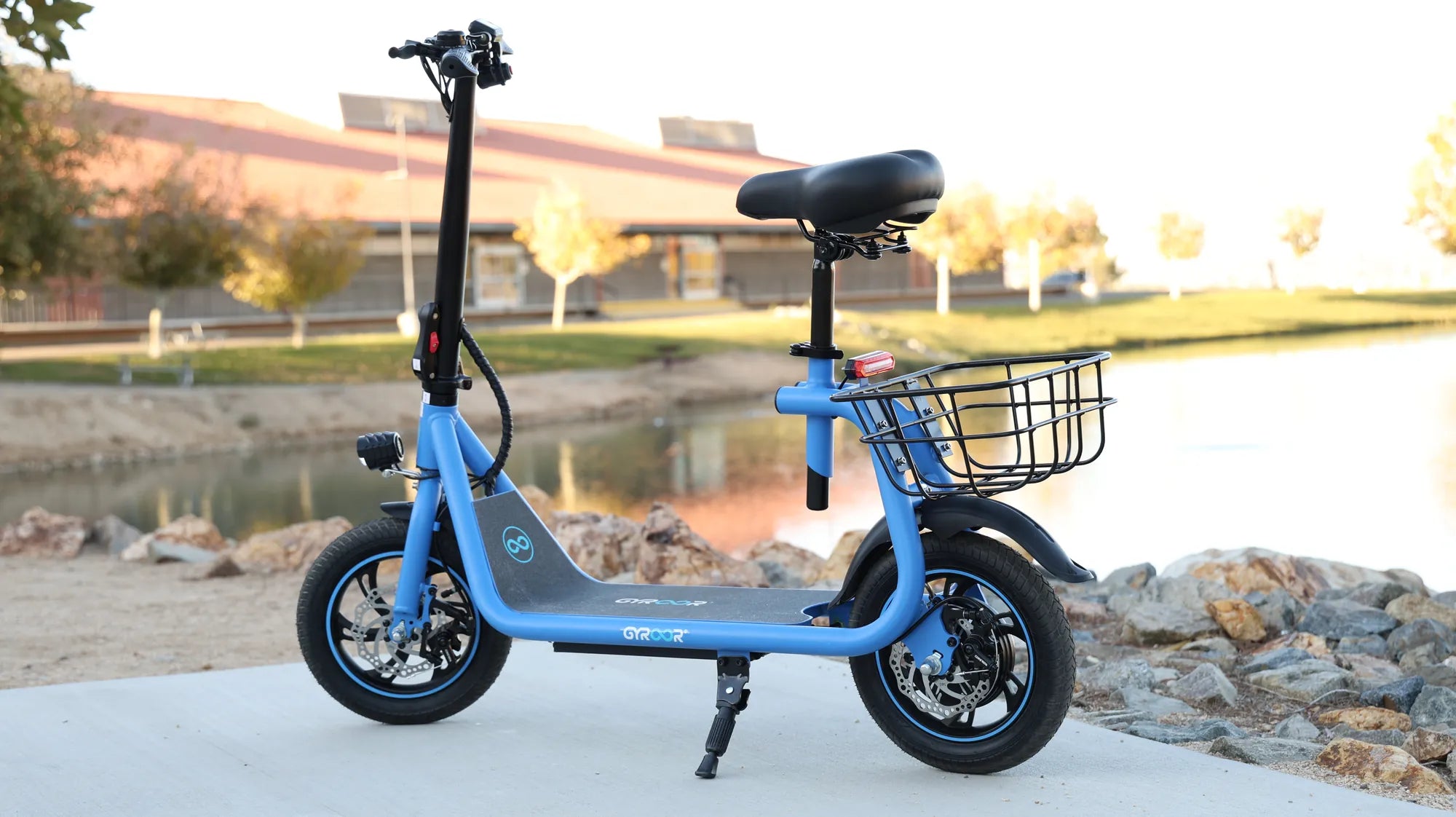
Imagine a world where your bike adjusts to your riding style, the terrain, and even your fitness level in real time. Adaptive e bikes are making this a reality, blending cutting-edge technology with sustainable transportation to create the ultimate riding experience. Whether you're a daily commuter, a fitness enthusiast, or an adventure seeker, these intelligent machines are transforming how we move.
What Is an Adaptive E Bike?
An adaptive e bike is a next-generation electric bicycle equipped with smart sensors and algorithms that dynamically adjust power output, pedal assistance, and other settings based on real-time conditions. Unlike traditional e bikes, which offer fixed levels of assistance, adaptive models learn from your riding habits and optimize performance for efficiency, comfort, and safety.
How Does Adaptive Technology Work?
These bikes use a combination of sensors, including torque sensors, accelerometers, and GPS, to monitor factors like speed, incline, pedal pressure, and rider fatigue. The onboard computer processes this data to adjust motor assistance seamlessly. For example, if you're climbing a steep hill, the bike will automatically increase power to reduce strain, or if you're coasting downhill, it might conserve battery by reducing assistance.
Key Features of Adaptive E Bikes
- Real-Time Adjustments: The bike adapts to terrain and rider input without manual input.
- Personalized Riding Modes: Learns your preferences over time for a tailored experience.
- Energy Efficiency: Optimizes battery usage based on riding conditions.
- Safety Enhancements: Adjusts braking and stability controls for safer rides.
Benefits of Riding an Adaptive E Bike
Beyond the obvious convenience, adaptive e bikes offer a host of advantages that make them a game-changer for urban and recreational cycling.
Eco-Friendly Commuting
By reducing reliance on cars, these bikes help cut carbon emissions and traffic congestion. Their smart energy management ensures minimal environmental impact while maximizing range.
Health and Fitness
Unlike traditional e bikes that might encourage passive riding, adaptive models promote physical activity by adjusting assistance based on your effort. This makes them ideal for riders who want a customizable workout.
Accessibility
For older adults or those with physical limitations, adaptive e bikes provide a safer and more comfortable way to stay mobile. The automatic adjustments reduce the risk of overexertion.
The Future of Adaptive E Bikes
As AI and IoT technologies advance, adaptive e bikes will become even smarter. Future iterations may include predictive route planning, integration with smart city infrastructure, and enhanced safety features like collision detection.
Ready to experience the future of cycling? Adaptive e bikes are not just a trend—they're a smarter, greener, and more intuitive way to ride. Whether you're navigating city streets or exploring off-road trails, these bikes are designed to keep up with your life, one adaptive pedal at a time.
Folding Trike for Adults: The Ultimate Guide to Compact and Convenient Riding
20 Fat Tire Ebike: The Ultimate Guide to Off-Road Adventure and Urban Commuting