

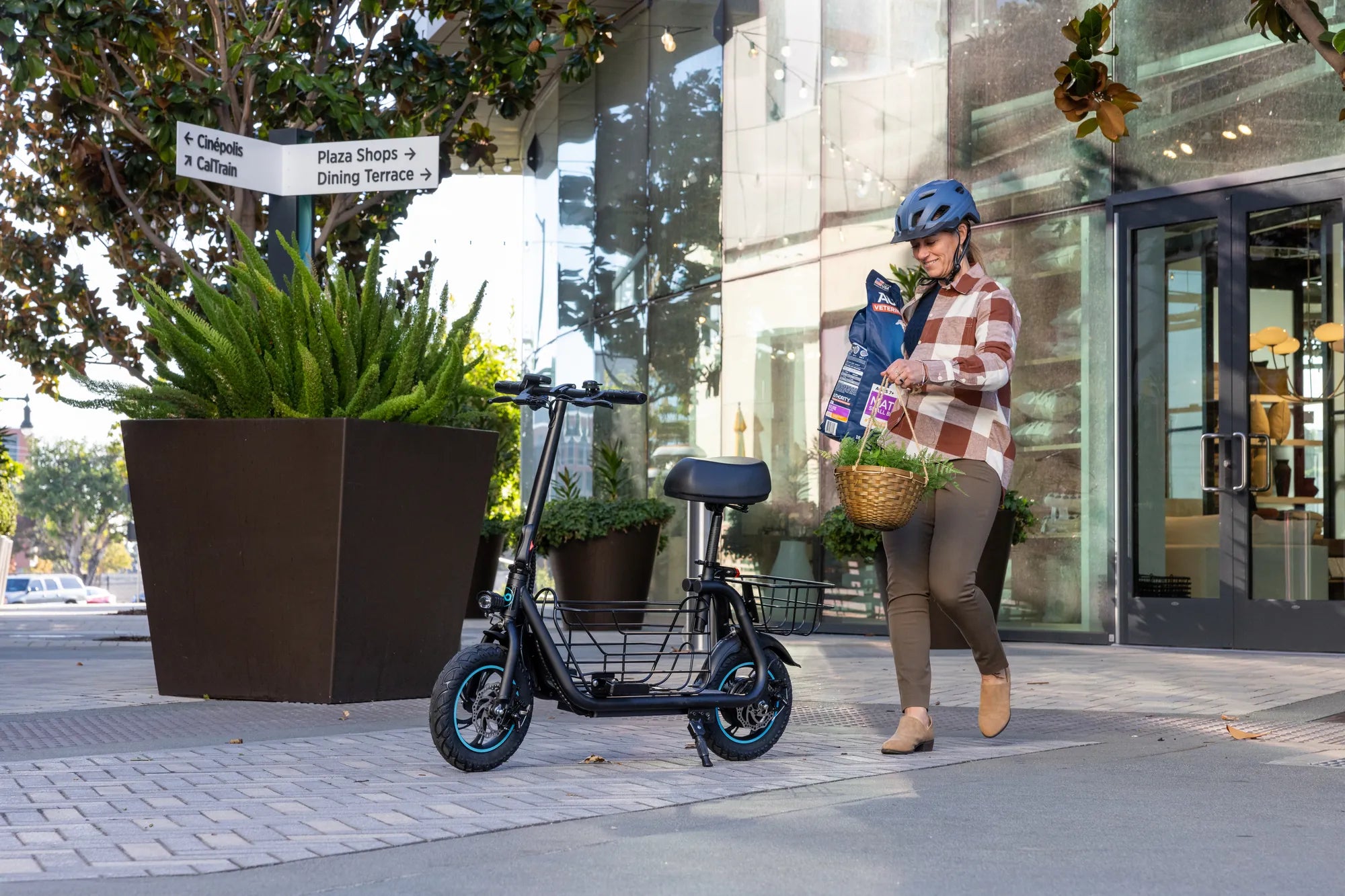
Electric scooters have taken Los Angeles by storm, offering a quick, eco-friendly way to navigate the city’s sprawling streets. But as their popularity surges, so do questions about their long-term effects on urban life. From traffic safety to sidewalk clutter, the rise of electric scooters in LA is reshaping how people move—and how cities adapt.
The Rise of Electric Scooters in Los Angeles
Los Angeles has long been a city defined by car culture, but electric scooters are challenging that dominance. Introduced as part of shared mobility programs, these compact vehicles provide an affordable alternative to rideshares and public transit. Their convenience has made them a hit among commuters and tourists alike, but their rapid adoption has also led to growing pains.
Impact on Traffic and Congestion
One of the most significant affects of electric scooters in LA is their potential to reduce traffic congestion. By offering a last-mile solution, they help bridge gaps between transit stops and final destinations. However, their unpredictable presence on roads and sidewalks has also led to conflicts with pedestrians and drivers, raising concerns about safety.
Safety Concerns and Accident Rates
With the influx of electric scooters, LA has seen a spike in accidents involving riders. Many users forego helmets, and reckless riding has become a common complaint. City officials have struggled to enforce regulations, leading to debates over whether stricter rules or better infrastructure—like dedicated scooter lanes—are needed.
Environmental Benefits and Drawbacks
Electric scooters are often touted as a green alternative to cars, reducing emissions in a city plagued by smog. However, their short lifespan and the energy required to manufacture and charge them raise questions about their true environmental impact. Proper disposal and recycling of scooter batteries remain unresolved challenges.
Economic Effects on Local Businesses
The scooter boom has also influenced LA’s economy. While some businesses benefit from increased foot traffic, others complain about scooters cluttering sidewalks and deterring customers. The gig economy surrounding scooter charging and maintenance has created jobs, but the long-term sustainability of this model is uncertain.
Regulatory Challenges and Future Solutions
Los Angeles has experimented with various regulations, from speed limits to parking zones, but enforcement remains inconsistent. Some advocate for integrating scooters into the city’s broader transportation plan, while others call for tighter restrictions. The future of electric scooters in LA will depend on balancing innovation with public safety.
As electric scooters continue to weave into the fabric of Los Angeles, their affects—both positive and negative—are impossible to ignore. Whether they become a permanent fixture or a passing trend hinges on how the city addresses the challenges they bring. One thing is certain: the conversation about urban mobility in LA will never be the same.
Safest Electric Scooter for 8 Year Old: A Parent’s Ultimate Guide
Safest Electric Scooter for 8 Year Old: A Parent’s Ultimate Guide