



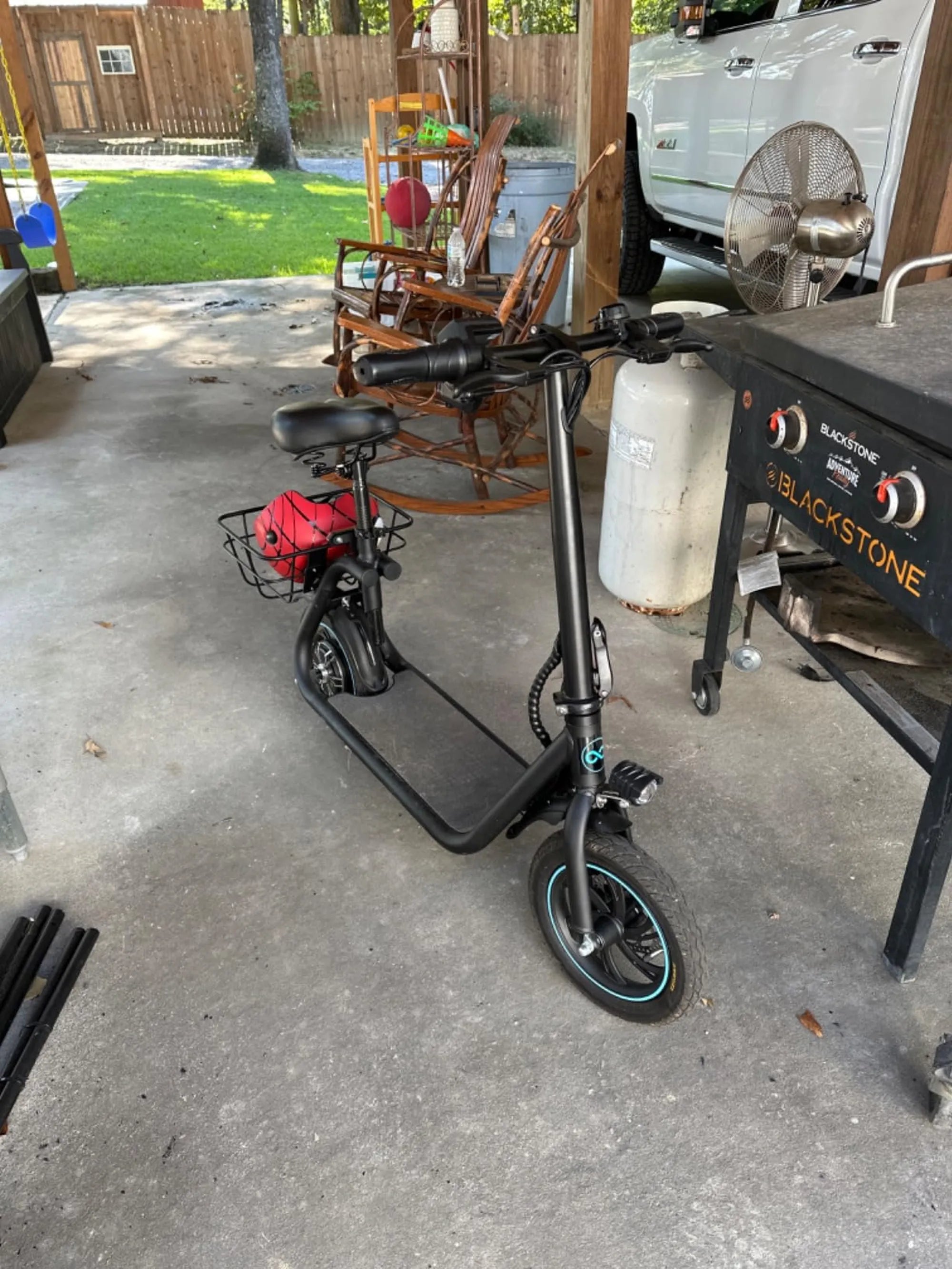
Introduction: The Rise of Affordable Electric Scooters in India
India's urban landscape is at a mobility crossroads. Chronic traffic congestion, volatile fuel prices, and urgent environmental concerns are compelling a shift. The solution is emerging on two wheels: affordable electric scooters. By 2025, this segment is poised to transition from a niche alternative to a mainstream urban necessity.
The convergence of supportive policies, localised manufacturing, and consumer readiness is creating a perfect storm. This article, Affordable Electric Scooters India 2025: The Future of Urban Mobility, provides a comprehensive roadmap. We will analyse the market drivers, decode critical specifications for Indian conditions, and offer a clear-eyed view of total ownership costs to help you make a smart, future-proof purchase.
Why 2025 is the Pivotal Year for E-Scooters in India
Several macroeconomic and technological factors align to make 2025 a definitive year for electric two-wheeler adoption. The potential introduction of a FAME III scheme or similar policy extension is anticipated to continue demand incentives, crucial for keeping upfront costs competitive. Simultaneously, the PLI (Production-Linked Incentive) scheme for Advanced Chemistry Cell (ACC) battery storage is expected to significantly reduce battery pack costs through localised production.
Charging infrastructure is scaling rapidly. While home charging remains the primary method, the proliferation of public charging points and battery swapping stations, especially in metropolitan areas, will alleviate range anxiety. This infrastructure build-out, coupled with an expected increase in fuel prices, dramatically improves the economic equation for electric scooters.
From a consumer perspective, 2025 represents the point where proven technology meets mass-market affordability. Early adoption phases have ironed out many initial reliability issues. Brands now offer more durable products designed specifically for Indian road and weather conditions, moving beyond mere novelty to dependable daily transport.
Key Features to Prioritise in an Affordable E-Scooter (2025)
Choosing an affordable electric scooter requires looking beyond the sticker price. Prioritising core features that ensure safety, durability, and practical utility is essential for long-term satisfaction and value.
Real-World Range: Advertised range often differs from actual performance. For most urban commuters, a true range of 40-60 km per charge is the practical sweet spot. Consider your daily commute distance with a 30-40% buffer for detours and battery degradation over time.
Build Quality and Suspension: Indian roads demand robust construction. Look for a sturdy frame, good ground clearance (≥150 mm), and a capable suspension system (telescopic forks at front). These elements are non-negotiable for handling potholes and uneven surfaces safely.
After-Sales Network: An affordable price means little without accessible service. Prioritise brands with a wide service network or reliable spare parts supply chain in your city. A comprehensive warranty is your first line of defence against unforeseen issues.
The Non-Negotiables: Battery & Safety
The battery is the heart of your e-scooter. Never compromise on its safety and certification. Insist on lithium-ion batteries with recognised safety certifications like UL, BIS, or AIS 156. These standards ensure protection against overheating, short-circuiting, and fire hazards.
Weather resistance is critical. A high IP (Ingress Protection) rating guards against dust and water. An IPX5 rating, for example, means the scooter can withstand water jets from any direction, making it monsoon-ready. Leading global brands like Gyroor, trusted by over 100,000 riders, build this durability into their designs, using UL-certified battery packs tested for 500+ charge cycles and IPX5-rated construction for reliable performance in varied conditions.
Performance for Practical Needs
Motor power between 250W and 500W is typically sufficient for city commuting, providing adequate torque for inclines and carrying a load. Pay attention to the rated load capacity; ensure it accommodates your weight plus any regular cargo.
Top speed is often capped at 25 km/h for models not requiring registration. Efficient braking is paramount in stop-and-go traffic. A combination of disc (front) and drum (rear) brakes offers a good balance of stopping power and maintenance cost. Regenerative braking can also marginally extend your range.
Top Contenders: Affordable E-Scooter Segments for 2025
The market can be segmented by price and capability, helping you align your budget with expected features. Here’s a breakdown of the primary segments for 2025.
The Ultra-Budget Commuter (Under ₹50,000): This segment focuses on bare essentials for short, last-mile connectivity. Expect basic features, a lower range (25-40 km real-world), and simpler designs. The trade-off is often in premium materials, top speed, and sometimes, a less extensive service network. Ideal for students or very short, predictable commutes.
The Value-for-Money All-Rounder (₹50,000 - ₹80,000): This is the most competitive and popular segment. Here, you get a balanced package: a realistic 40-60 km range, better build quality, enhanced safety features like better brakes and battery management systems, and more consistent after-sales support. This segment offers the best balance of affordability and reliable daily utility for the average urban commuter.
The Feature-Packed Premium Budget (₹80,000 - ₹1,10,000): Scooters here push the boundary of "affordable" by incorporating features from higher-end models. Expect longer ranges (70+ km), more powerful motors, advanced connectivity (Bluetooth, app integration), superior display consoles, and premium design elements. This is for the buyer who wants near-premium experience while remaining cost-conscious.
The Smart Buyer's Guide: Cost Beyond the Sticker Price
The true affordability of an electric scooter is revealed in its Total Cost of Ownership (TCO) over 3-5 years, compared to a conventional petrol scooter.
While the initial purchase price of an e-scooter can be higher, the operational savings are substantial. Electricity costs are a fraction of petrol expenses. Maintenance is simpler and cheaper—no engine oil, spark plugs, or complex gearbox services. However, factor in a potential battery replacement cost after 4-5 years, though prices are falling.
The table below provides a simplified 5-year TCO comparison, illustrating the long-term economic advantage.
| Cost Component | Affordable E-Scooter (Est.) | 110cc Petrol Scooter (Est.) |
|---|---|---|
| Ex-Showroom Price | ₹70,000 | ₹80,000 |
| Subsidy (FAME/State) | -₹15,000 | N/A |
| Effective Purchase Price | ₹55,000 | ₹80,000 |
| Fuel/Electricity (5 yrs) | ₹7,500 | ₹70,000 |
| Routine Maintenance (5 yrs) | ₹5,000 | ₹15,000 |
| Battery Replacement (Year 5) | ₹15,000 | N/A |
| Insurance (5 yrs) | ₹10,000 | ₹12,000 |
| Total 5-Year Cost | ₹92,500 | ₹1,77,000 |
Understanding Warranty and Support
A strong warranty is a sign of manufacturer confidence. Look for at least a 1-year comprehensive warranty on the vehicle and a 3-year/30,000 km warranty on the battery. Understand what is covered: motor, controller, and battery are key.
Beyond the paperwork, investigate the brand's service footprint. Can you get it serviced locally? How readily available are spare parts like tyres, brakes, and mirrors? A brand with a reliable 1-year warranty and accessible support, like the standards upheld by international brands such as Gyroor, ultimately protects your investment far more than a slightly lower upfront cost with poor service.
Navigating the Future: Incentives and Infrastructure
Government incentives significantly lower the entry barrier. The central FAME II subsidy provides direct reduction on ex-factory price. Many states offer additional incentives—road tax exemption, registration fee waiver, and cashback on purchase. Always check the latest state EV policy at the time of purchase to maximise savings.
Infrastructure is evolving on two tracks. Home charging using a standard 5A socket will remain the most convenient method for most owners with parking. For others, public infrastructure is expanding. Battery swapping, which allows you to exchange a depleted battery for a charged one in minutes, is gaining traction for commercial fleets and in dense urban areas, potentially offering a solution for those without private charging access.
Safety, Maintenance, and Riding Best Practices
Owning an e-scooter comes with a new set of maintenance routines. Regularly check tyre pressure and tread wear. Keep the battery charged between 20% and 80% for optimal longevity, and avoid leaving it fully discharged for extended periods. Clean the scooter with a damp cloth, avoiding direct water jets on electrical connectors unless the scooter has a high IP rating.
Safety is paramount. Always wear a helmet. Use the provided lights. Be hyper-aware in traffic, as e-scooters are quieter. Understand your scooter's braking distance and avoid sudden acceleration on wet roads. Secure parking and using a robust lock are essential to prevent theft.
FAQ: Your Questions on Affordable E-Scooters, Answered
Q1: Is ₹60,000-₹80,000 a good budget for a reliable e-scooter in 2025?
A: Yes. This range places you firmly in the "Value-for-Money All-Rounder" segment, where you can expect a good balance of range (40-60 km), safety features, build quality, and after-sales support from reputable brands.
Q2: How often will I need to replace the battery, and what will it cost?
A: A quality lithium-ion battery typically lasts 4-5 years or 800-1000 full charge cycles before significant capacity degradation. By 2025, replacement costs for a standard battery are projected to be between ₹12,000 and ₹20,000, significantly lower than today.
Q3: Can affordable e-scooters handle heavy rain and poor roads?
A: Models with an IPX5 or higher rating are designed to handle heavy rain. For poor roads, focus on build quality: look for good ground clearance (≥150mm), a robust frame, and proper suspension. Not all affordable models excel here, so scrutinise these features.
Q4: What is the registration process for e-scooters in India?
A: E-scooters with a top speed ≤ 25 km/h and motor power ≤ 250W do not require registration or a license. Models exceeding these specifications must be registered with the RTO, require a valid driving license, and are subject to standard insurance and helmet rules.
Q5: Are there any hidden costs I should be aware of?
A: Beyond the purchase, budget for a good helmet, a sturdy lock, and potential accessories like a phone mount or a rear carrier. Also, consider the cost of installing a dedicated charging point if your parking area lacks a socket.
Conclusion: Your Next Step Towards Smarter Mobility
The year 2025 presents an unprecedented opportunity to embrace a cleaner, more economical, and efficient mode of urban transport. Affordable Electric Scooters India 2025: The Future of Urban Mobility is no longer a prediction—it's a present-day reality shaped by smart policy, improved technology, and growing infrastructure. The key is to make an informed choice that prioritises certified safety, practical performance, and reliable support over the lowest possible price tag.
Use the insights on features, total cost of ownership, and segment analysis as your checklist. Whether your priority is cutting commute costs, reducing your carbon footprint, or simply escaping traffic frustration, the right affordable electric scooter is a powerful tool for modern urban life. For those seeking a benchmark in safety and durability developed for global markets, you can explore proven engineering and design. Browse the full Gyroor collection at gyroorboard.com to see how international standards in battery safety and water-resistant design translate to reliable urban mobility.
Black Electric Scooters: The Ultimate Guide to Stylish and Efficient Commuting
Do Electric Scooters Go Uphill? Exploring Their Climbing Capabilities