



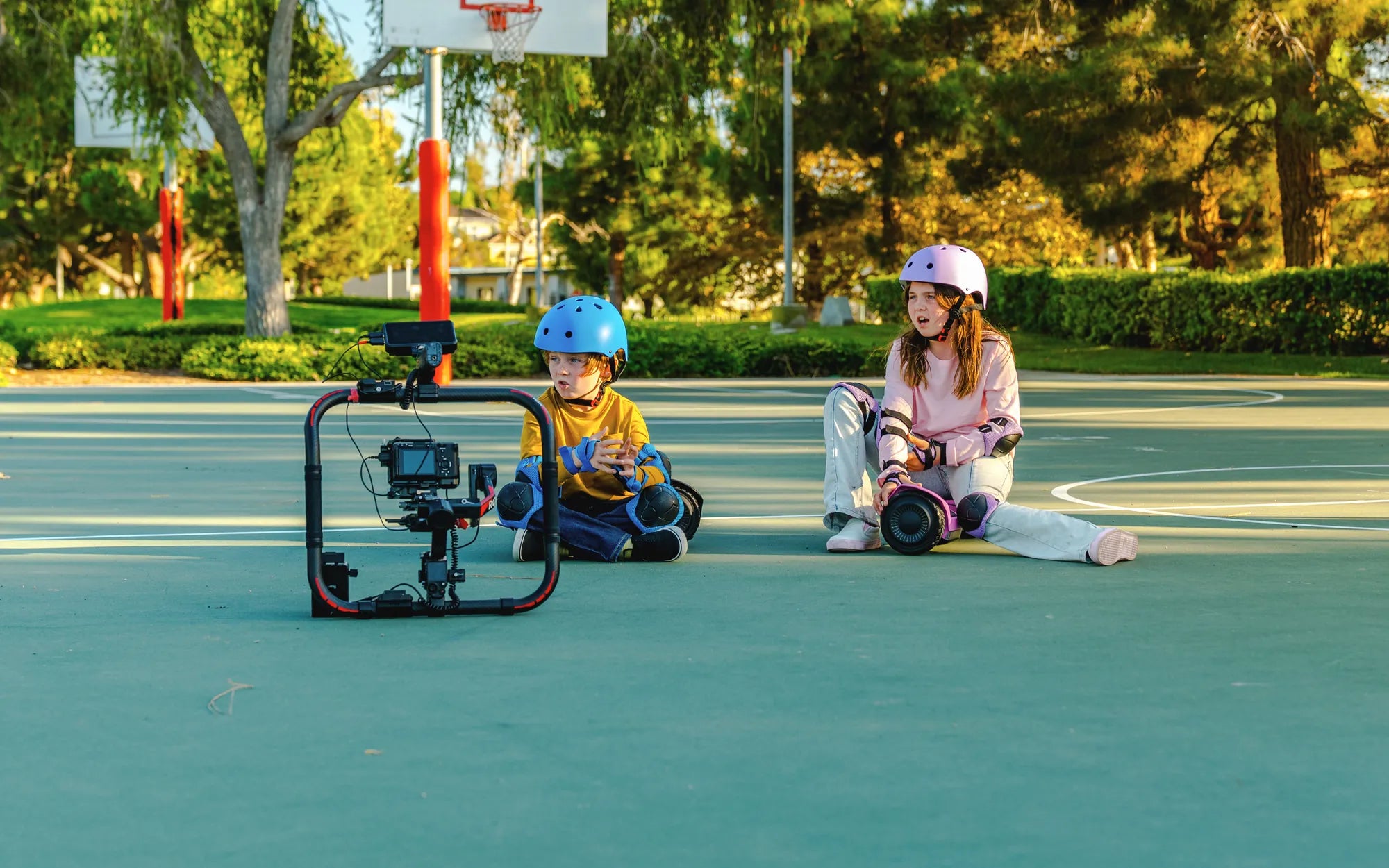
Hoverboards have taken the world by storm, offering a futuristic way to zip around town. But before you let your child hop on one, it's crucial to understand the age restrictions in place. These rules aren't just arbitrary—they're designed to keep riders safe. So, what exactly are the age limits, and why do they matter? Let's dive in.
Why Age Restrictions Exist for Hoverboards
Hoverboards may look like simple gadgets, but they require balance, coordination, and quick reflexes to operate safely. Younger children often lack these skills, increasing the risk of accidents. Manufacturers and safety organizations have set age limits to prevent injuries and ensure riders can handle the device responsibly.
Common Age Recommendations
Most hoverboards come with a minimum age recommendation of 8 to 12 years old. However, this can vary based on the model's speed, weight capacity, and complexity. Some high-speed hoverboards may even require riders to be at least 16. Always check the manufacturer's guidelines before making a purchase.
Safety Concerns for Younger Riders
Young children are more prone to falls and collisions due to their smaller size and developing motor skills. Without proper supervision, hoverboards can lead to serious injuries, including fractures and head trauma. Helmets, knee pads, and wrist guards are essential, but age restrictions add an extra layer of protection.
Legal Age Limits and Regulations
In some regions, local laws enforce age restrictions for hoverboard use. For example, certain cities may prohibit riders under 12 from using hoverboards on public sidewalks. Always research your local regulations to avoid fines or confiscation of the device.
Choosing the Right Hoverboard for Your Child
If your child meets the age requirements, look for hoverboards with beginner-friendly features like lower speed limits and sturdy designs. Avoid models with excessive power until your child gains experience. Parental controls can also help manage speed and usage time.
Teaching Kids Safe Riding Habits
Age restrictions are just the first step. Teaching your child how to ride safely is equally important. Start in a controlled environment, like a driveway or park, and emphasize the importance of protective gear. Supervise their practice sessions until they demonstrate confidence and control.
The Role of Parental Supervision
Even if your child meets the age requirements, supervision is key. Accidents can happen in an instant, and having an adult nearby can make all the difference. Set clear rules about where and when the hoverboard can be used to minimize risks.
What Happens If Age Restrictions Are Ignored?
Ignoring age limits can lead to preventable accidents and void warranties. Manufacturers may refuse to cover damages if the hoverboard was used by someone outside the recommended age range. Safety should always come first—don't let excitement override common sense.
Alternatives for Younger Children
If your child is too young for a hoverboard, consider safer alternatives like balance bikes or scooters. These toys help develop coordination and prepare kids for more advanced devices later on. There's no rush—let them grow into the right age bracket.
Hoverboards are thrilling, but safety should never take a back seat. By respecting age restrictions and prioritizing proper training, you can ensure your child enjoys their ride without unnecessary risks. Ready to make an informed decision? Your child's safety is worth every precaution.
Are Hoverboards Illegal in Virginia? What You Need to Know
Self Balance Wheel Hoverboard: The Future of Personal Transportation