



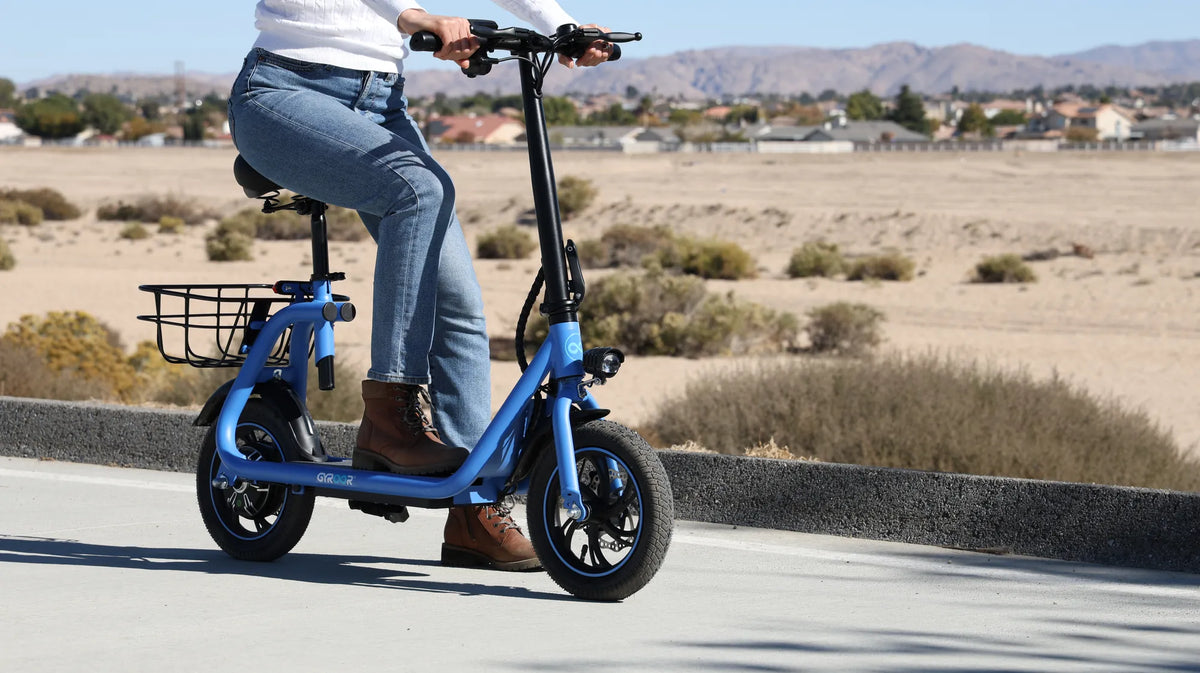
Electric scooters are everywhere these days, zipping through city streets and becoming a staple of urban mobility. But are all electric scooters the same? At first glance, they might seem similar, but dig a little deeper, and you’ll find a world of differences that can make or break your riding experience.
Performance: Speed, Range, and Power
One of the most significant differences between electric scooters lies in their performance. Not all scooters are built to deliver the same speed or range. Some models are designed for short commutes, offering modest speeds of around 15-20 mph and a range of 10-15 miles. Others are built for longer distances, boasting top speeds of 30 mph or more and ranges exceeding 40 miles on a single charge.
The motor power also varies widely. Entry-level scooters often feature a single motor with 250-350 watts, while high-performance models may have dual motors exceeding 1000 watts. This difference directly impacts acceleration, hill-climbing ability, and overall ride smoothness.
Design and Build Quality
Another area where electric scooters differ is in their design and build quality. Some scooters prioritize portability, featuring lightweight frames and foldable mechanisms for easy storage. These are ideal for commuters who need to carry their scooters on public transport or store them in tight spaces.
On the other hand, heavy-duty scooters often sacrifice portability for durability. They may feature reinforced frames, larger wheels, and better suspension systems to handle rough terrain. The materials used—whether aluminum, steel, or carbon fiber—also play a role in the scooter’s weight, durability, and cost.
Battery Life and Charging Time
Battery technology is another critical factor that sets electric scooters apart. Lithium-ion batteries are the most common, but their capacity and efficiency can vary. Cheaper models might use lower-quality batteries that degrade faster, while premium scooters often come with high-capacity batteries that maintain performance over time.
Charging time is another consideration. Some scooters can be fully charged in 3-4 hours, while others may take 6-8 hours or more. If you rely on your scooter for daily commutes, a shorter charging time can be a game-changer.
Safety Features
Safety is paramount when it comes to electric scooters, and not all models are created equal in this regard. Key safety features to look for include:
- Braking Systems: Disc brakes, drum brakes, and regenerative braking systems offer varying levels of stopping power.
- Lights: Front and rear lights, as well as reflectors, improve visibility during night rides.
- Tires: Pneumatic (air-filled) tires provide better shock absorption than solid tires, reducing the risk of skidding.
Some scooters also come with advanced features like anti-lock braking systems (ABS) or electronic stability control, which can significantly enhance safety.
Price and Value
Price is often the first thing people consider when shopping for an electric scooter, but it shouldn’t be the only factor. While budget-friendly models might seem appealing, they often cut corners on performance, battery life, and safety. Mid-range scooters typically offer a better balance of features and affordability, while high-end models deliver top-tier performance and durability.
It’s essential to assess your needs and budget carefully. A cheaper scooter might save you money upfront, but if it requires frequent repairs or replacements, it could end up costing more in the long run.
Customization and Accessories
Not all electric scooters offer the same level of customization. Some models allow you to upgrade components like batteries, tires, or even the motor, while others have fixed parts. Accessories such as phone mounts, baskets, or additional storage can also enhance your riding experience, but not all scooters are compatible with these add-ons.
Legal Considerations
Electric scooter regulations vary by location, and not all scooters are street-legal everywhere. Some cities impose speed limits, require specific safety features, or even ban certain models altogether. Before purchasing, it’s crucial to check local laws to ensure your scooter complies with regulations.
So, are all electric scooters the same? Far from it. From performance and design to safety and price, the differences are vast. Whether you’re a daily commuter or a weekend adventurer, understanding these nuances will help you find the perfect ride. Ready to hit the streets? Your ideal electric scooter is out there—just make sure you know what to look for.
How Fast Does a E100 Electric Scooter Go: Speed, Performance, and More
Best Electric Scooter Battery Price in India: A Comprehensive Guide