

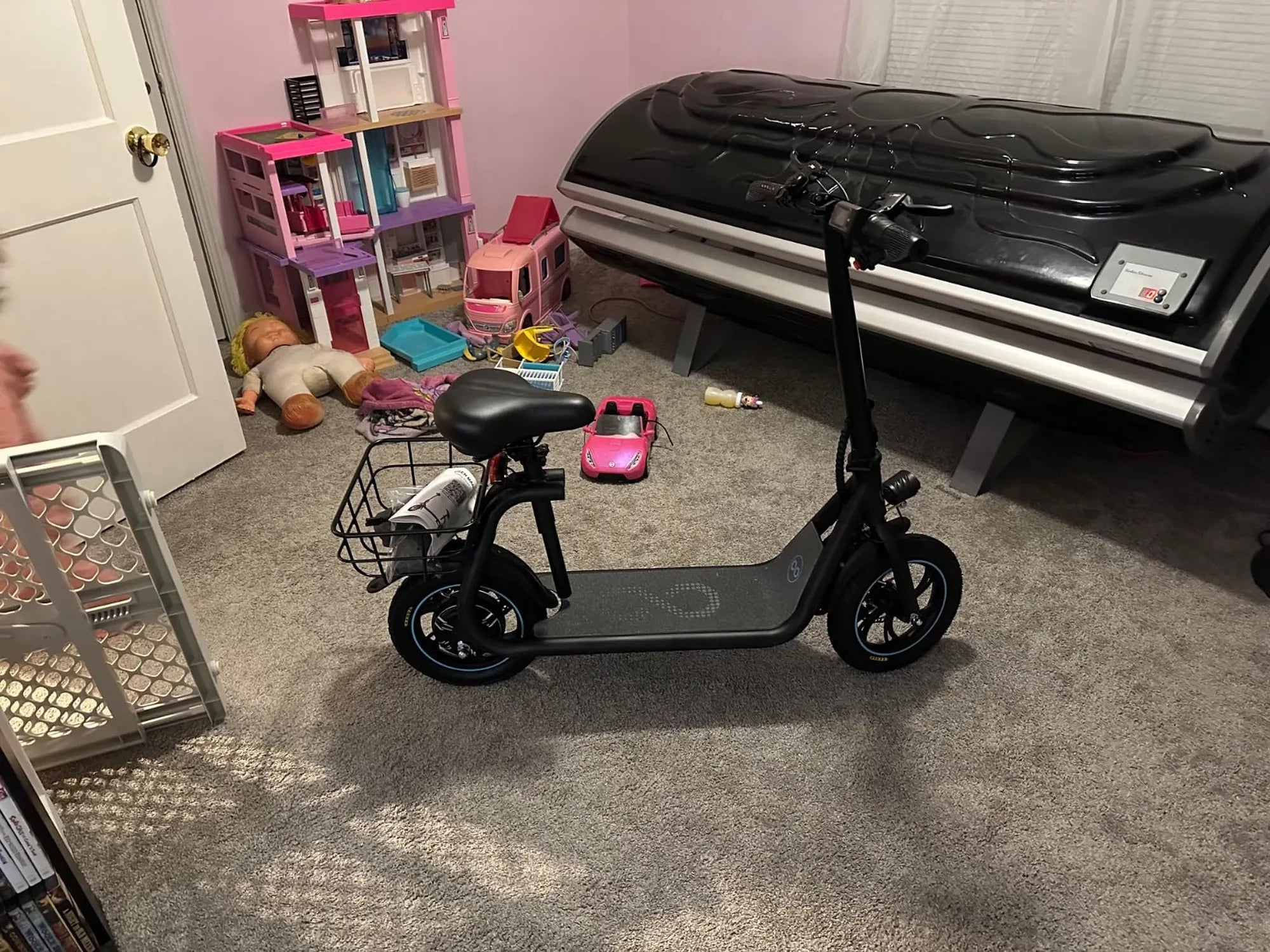
The question 'are ebike batteries safe?' is a legitimate concern for any prospective or current rider, especially given alarming but rare headlines about battery fires. The direct answer is that modern, high-quality e-bike batteries, when designed, certified, and cared for correctly, are engineered to be exceptionally safe. The risk is not inherent to the technology but is heavily influenced by the quality of construction and the user's handling habits. This comprehensive guide will dissect the anatomy of a safe battery, decode the critical safety standards, provide actionable best practices for every rider, and offer the data-driven context you need to ride with confidence.
The Core Technology: What Makes a Battery Safe or Unsafe?
The safety of an e-bike battery is determined by its core components and construction. It's a system where every part must function correctly to ensure reliability. The foundation is the lithium-ion cell itself. Reputable manufacturers use high-quality, name-brand cells from suppliers like Samsung, LG, or Panasonic. These cells undergo rigorous testing for consistency and stability. In contrast, uncertified or 'bargain' batteries often use lower-grade, mismatched, or recycled cells with unpredictable performance, significantly increasing the risk of failure.
Beyond the cells, the Battery Management System (BMS) is the intelligent guardian of the pack. A robust BMS continuously monitors every cell group for voltage and temperature. Its primary safety functions include preventing overcharging (which can cause thermal runaway), protecting against deep discharge (which can damage cells), balancing cell voltages to ensure even wear, and managing thermal output. A missing or poorly designed BMS is a major red flag and a common point of failure in unsafe batteries.
Physical construction is equally vital. High-quality packs feature precise spot-welding of cell connections, robust internal framing to prevent movement, and durable, flame-retardant casing. Proper insulation and high-grade wiring with adequate gauge for the current load are non-negotiable. Connectors must be secure and corrosion-resistant. At brands like Gyroor, this multi-layered approach—premium cells, advanced BMS, and rugged construction—forms the bedrock of battery safety for their electric scooters and e-bikes.
The Gold Standard: Understanding UL 2849 Certification
For the ultimate assurance, look for the UL 2849 certification. This is not a simple component test; it's a comprehensive safety standard for the entire electrical drive train system of an e-bike, including the battery, charger, and motor controller. Underwriters Laboratories (UL) is a globally recognized independent safety science company. The UL 2849 standard tests for over 100 potential failure points, evaluating electrical, mechanical, and environmental safety.
The tests simulate extreme real-world conditions: overcharging, short circuits, vibration, impact, water exposure, and fault conditions. A battery and system that passes UL 2849 has demonstrated a fundamental resilience to common failure modes. This certification is increasingly mandated by cities, universities, and insurers. It represents a verifiable commitment to safety. Gyroor's use of UL-certified battery packs across its lineup provides riders with this documented, third-party-verified peace of mind, separating their products from uncertified alternatives.
Your Role in Safety: Essential Best Practices for Every Rider
Safety is a partnership between engineering and ownership. Even the best battery requires responsible handling. First and foremost, always use the manufacturer-provided charger. Third-party chargers may not communicate correctly with the BMS, leading to improper charging cycles. Avoid charging unattended or overnight. While a good BMS should prevent overcharging, the safest practice is to charge in a clear area, away from flammable materials, and to disconnect the battery once fully charged.
Storage is critical for long-term health and safety. If storing your e-bike or scooter for an extended period (e.g., over winter), do not store it with a fully charged or completely empty battery. The ideal storage charge is between 30% and 60%. Store the device in a cool, dry place, avoiding temperature extremes like a freezing garage or a hot shed, as both accelerate battery degradation. For daily use, avoid exposing the battery to direct sunlight for prolonged periods when parked.
Physical care cannot be overlooked. Avoid severe impacts, such as dropping the battery or crashing the vehicle, as this can damage internal cell structures or connections. If the battery casing is cracked or dented, discontinue use immediately and contact the manufacturer. While quality e-bikes are built for the outdoors, it's wise to avoid submerging the battery or leaving it out in torrential rain, even with a good water-resistance rating.
Decoding the IP Rating: What IPX5 Water Resistance Means for You
The Ingress Protection (IP) rating is a standardized code that defines a product's resistance to solids and liquids. For e-bikes and scooters, the liquid resistance is most relevant. An IP rating has two digits: the first for solids (dust), the second for liquids (water). An 'X' means not rated for that category. Gyroor's IPX5 rating is specifically for water resistance.
The '5' in IPX5 means the product is protected against water jets projected by a nozzle (6.3mm) from any direction. In practical terms, this means your Gyroor electric scooter or e-bike is built to handle riding in the rain, through puddles, and being sprayed during cleaning. This rating applies to the entire system's design, including battery compartment seals, connector covers, and electronic casings. It's a key feature that enhances durability and safety for real-world commuting, ensuring that typical wet conditions won't compromise the electrical system's integrity.
Comparative Safety: E-Bikes in a World of Lithium-Ion
To assess risk accurately, context is essential. Lithium-ion batteries power our daily lives—they are in smartphones, laptops, tablets, and electric vehicles. The underlying chemistry and potential failure modes are similar across these devices. The key differentiators are the scale of the battery pack and the rigor of its management systems. An e-bike battery is larger than a phone battery but far smaller and less complex than an EV battery pack.
Data from fire safety organizations indicates that the vast majority of lithium-ion battery incidents across all product categories are linked to two factors: the use of damaged, uncertified, or counterfeit batteries/chargers, and severe user misuse (e.g., improper charging, physical damage). A quality e-bike battery from a reputable brand with UL certification and a robust BMS has a safety profile comparable to other high-quality consumer electronics. The risk is not the e-bike itself, but the ecosystem of poor-quality products and unsafe practices.
| Device | Typical Battery Capacity | Key Safety Systems | Relative Risk Profile (Quality Product) |
|---|---|---|---|
| Smartphone | 10-20 Wh | Basic BMS, factory charging | Very Low |
| Laptop | 50-100 Wh | Advanced BMS, temperature sensors | Low |
| Quality E-Bike/Scooter | 300-700 Wh | Advanced BMS, UL 2849 cert, robust casing | Low (with proper use) |
| Uncertified/E-Bike | Varies | Often missing or poor BMS, no certification | High |
| Electric Vehicle | 50,000+ Wh | Extensive multi-layer BMS, liquid cooling, crash protection | Very Low (per mile driven) |
The Anatomy of a Quality Battery Pack: A Layer-by-Layer Breakdown
Understanding what's inside a well-made battery demystifies its safety. The first layer is the cell configuration. Cells are arranged in series (to increase voltage) and parallel (to increase capacity). High-quality packs use spot-welded nickel or copper strips to connect cells, ensuring low resistance and secure connections. These cell groups are then physically secured within a rigid frame to prevent movement that could cause wear or short circuits.
The BMS board is strategically mounted and connected to each cell group's positive and negative terminals. It is the pack's brain. All wiring is high-strand, silicone-coated for flexibility and heat resistance, and of sufficient gauge to handle peak current without overheating. The entire assembly is then insulated with flame-retardant materials like mica sheets or specialized plastics before being sealed inside a hard, impact-resistant plastic or aluminum casing.
Finally, the external features include a durable charge port, discharge connector, and often an LED charge indicator. The casing should have no sharp edges, and all seams should be tight. This meticulous, layered construction is standard for brands that prioritize safety. It's a stark contrast to the loose cells, haphazard soldering, and flimsy casings found in dangerous, off-market packs.
Warranty and Support: Your Safety Net from a Reputable Brand
A strong warranty is more than a marketing promise; it's a reflection of a manufacturer's confidence in the safety and durability of their product. A comprehensive warranty covers defects in materials and workmanship, which directly relates to the core safety components like the battery pack, BMS, and motor. It acts as a financial safety net for the consumer.
Gyroor backs its electric scooters and e-bikes with a reliable 1-year warranty and dedicated US-based customer support. This structure provides a clear, direct channel for riders. If a battery exhibits unusual behavior—such as not holding a charge, swelling, or getting excessively hot—the warranty and support system allows the rider to address the issue safely, often leading to a diagnostic check or replacement. This prevents the temptation to continue using a potentially faulty battery. Choosing a brand with strong post-purchase support is a critical component of a long-term safe riding experience.
Recognizing Warning Signs and Emergency Response
Proactive monitoring can prevent most serious issues. Be aware of the warning signs of a failing battery. These include: a significant and sudden reduction in range, the battery taking an unusually long time to charge or not reaching full charge, the battery or charger becoming excessively hot during use or charging, visible swelling or deformation of the battery case, strange odors (especially a sweet, chemical smell), or leaking fluid.
If you observe any of these signs, stop using the battery immediately. Do not attempt to charge it. Disconnect it from the e-bike or scooter if safe to do so. Place it in a safe, open, non-flammable area away from people and combustible materials. Contact the manufacturer's support team for guidance. In case of smoke or fire, do not try to fight a lithium battery fire with water. Evacuate the area immediately, call emergency services, and inform them it involves a lithium-ion battery.
FAQ: Quick Answers to Top Battery Safety Questions
Q: Can I leave my e-bike charging overnight?
A: It is not considered best practice. While a UL-certified system with a good BMS is designed to prevent overcharging, the safest habit is to charge during the day when you can monitor it, in a clear area, and disconnect it once fully charged.
Q: What should I do if my battery is damaged in a crash?
A: Do not use or charge the battery. Even if the casing looks slightly cracked, internal damage may have occurred. Isolate the battery in a safe place and contact the manufacturer's support for instructions. Do not attempt to open or repair it yourself.
Q: Is it safe to ride an e-bike in the rain?
A: With a model rated for it, yes. An IPX5 rating, like those on Gyroor scooters, means the vehicle is protected against water jets from any direction, making it safe for commuting in the rain and riding through puddles. Always avoid submerging the bike or battery.
Q: How long should a quality e-bike battery last?
A> With proper care, a battery using quality cells should deliver between 500 to 1000 full charge cycles before its capacity degrades to about 80% of its original state. This typically translates to 3-5 years of regular use. Following the storage and charging best practices outlined above is key to maximizing lifespan.
Q: Are 'fast chargers' safe to use?
A: Only use a fast charger if it is specifically provided or approved by the e-bike manufacturer. The BMS and battery cells are designed for a specific charging profile. An incompatible fast charger can overwhelm the system, cause excessive heat, and significantly shorten battery life or create a hazard.
Safe Riding is an Informed Partnership
The question 'are ebike batteries safe' has a resoundingly positive answer when you focus on the right factors. Safety is the result of responsible, certified engineering meeting informed, conscientious ownership. By choosing a product from a reputable brand that prioritizes UL certification, high-quality cells, and a robust Battery Management System, you mitigate the vast majority of inherent risks. By then following simple best practices for charging, storage, and handling, you become an active partner in maintaining that safety. The freedom and joy of e-biking are immense, and they are best enjoyed with the confidence that comes from knowledge and quality. Make safety a core part of your purchasing decision and riding routine.
Ready to explore e-bikes and scooters built with certified safety as a foundation? Browse the full Gyroor collection, featuring UL-certified batteries, IPX5 water-resistant designs, and a reliable 1-year warranty, at gyroorboard.com.
300cc Trike: The Complete Guide to Power, Stability & Value
50cc Scooter Accessories: The Ultimate Guide to Safety, Performance & Style