

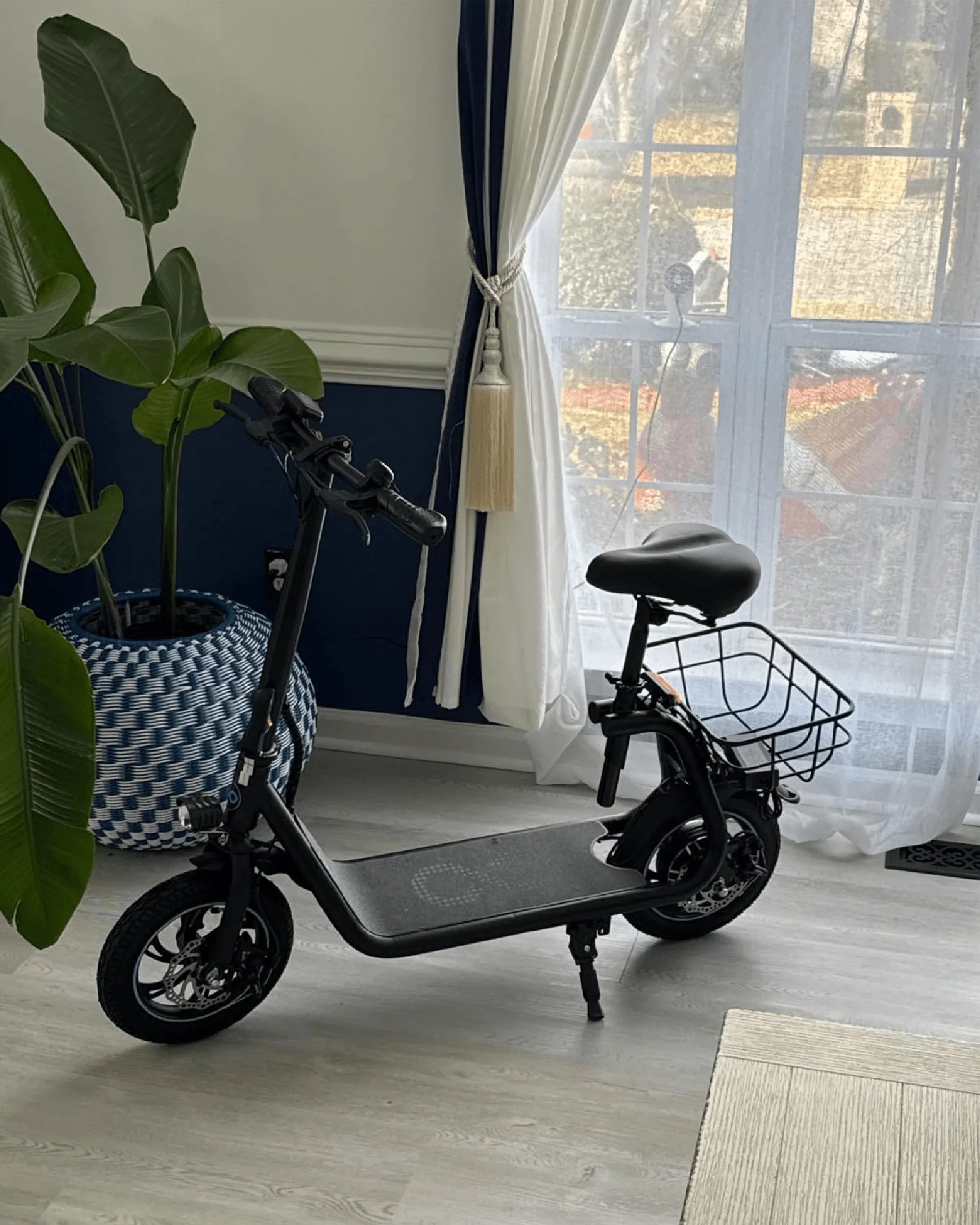
Electric bikes, or ebikes, have surged in popularity as a convenient and eco-friendly mode of transportation. But as more riders hit the streets, a critical question arises: are ebike street legal? The answer isn’t always straightforward, as regulations vary by region, classification, and even local ordinances. Whether you’re a commuter, a recreational rider, or considering an ebike purchase, understanding the legal landscape is essential to avoid fines and ensure safe riding.
Understanding Ebike Classifications
Before diving into legality, it’s important to know how ebikes are categorized. Most jurisdictions classify ebikes into three main types:
- Class 1: Pedal-assist only, with no throttle, and a maximum assisted speed of 20 mph.
- Class 2: Throttle-assisted, with a maximum speed of 20 mph.
- Class 3: Pedal-assist only, with a maximum assisted speed of 28 mph.
These classifications help determine where and how ebikes can be ridden legally. For example, Class 1 and 2 ebikes are often allowed on bike paths, while Class 3 may be restricted to roads.
Federal and State Regulations
In the United States, federal law defines an ebike as a bicycle with a motor of no more than 750 watts (1 horsepower) and a top speed of 20 mph on level ground. However, states have the authority to impose additional restrictions or allowances. Some states require helmets, licensing, or even registration for certain classes of ebikes.
For instance, California has specific laws governing where each class of ebike can operate, while New York only recently legalized certain types after years of restrictions. Always check your state’s Department of Transportation or equivalent agency for the latest rules.
Local Ordinances and Restrictions
Even within states, cities and counties may have their own ebike regulations. Some municipalities prohibit ebikes on certain trails or require riders to be a minimum age. Others may limit the use of throttle-assisted ebikes in crowded areas.
Before riding, research local laws to avoid unexpected fines or confiscation. Many cities provide online resources or bike advocacy groups that can clarify local ebike policies.
Safety and Compliance Tips
To ensure your ebike is street legal, follow these guidelines:
- Check your ebike’s classification and ensure it meets local standards.
- Wear a helmet, even if not legally required—it’s a smart safety measure.
- Obey traffic laws, including speed limits and right-of-way rules.
- Use lights and reflectors if riding at night or in low visibility.
By staying informed and compliant, you can enjoy the benefits of ebiking without legal hassles.
The Future of Ebike Legislation
As ebikes grow in popularity, laws are evolving to accommodate them. Some regions are expanding access to bike lanes and trails, while others are tightening regulations to address safety concerns. Advocacy groups are pushing for standardized laws to simplify compliance for riders.
Staying updated on legislative changes ensures you won’t be caught off guard by new rules. Subscribe to local biking newsletters or join ebike forums to stay in the loop.
Ready to hit the road? Knowing whether are ebike street legal in your area is the first step to a smooth and lawful ride. With the right research and precautions, you can enjoy the freedom and efficiency of ebiking while staying on the right side of the law.
Mopeds and Scooter Helmet: Essential Safety Tips for Riders
Small Electric Tricycle for Adults: The Ultimate Urban Commuting Solution