

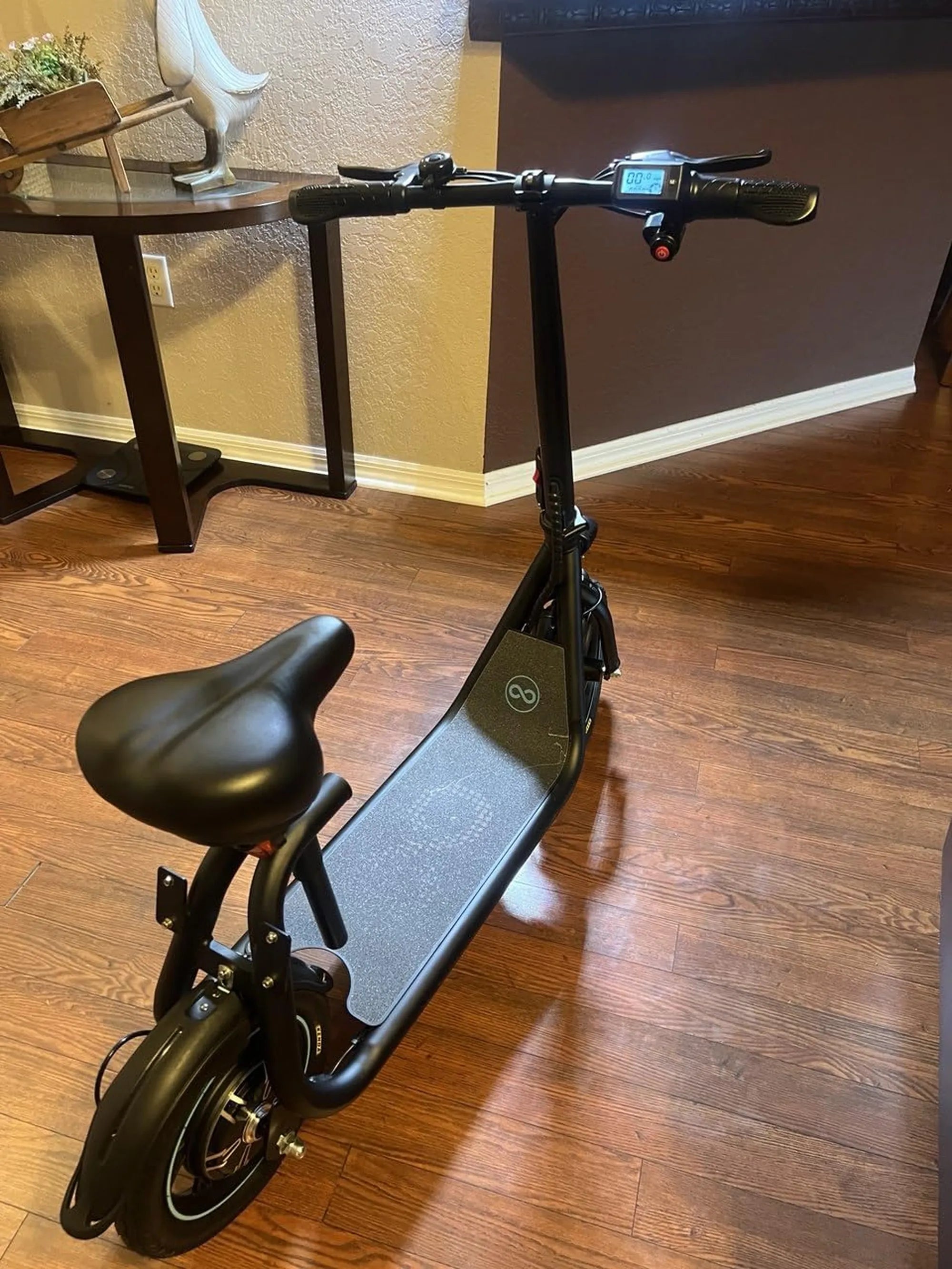
Navigating the Pavement Puzzle
You've just unboxed your new electric scooter, eager to hit the streets. But a critical question stops you cold: are electric scooters allowed on the pavement? The answer is rarely simple. This isn't just about convenience; it's a legal gray area with significant safety and financial implications.
Riding in the wrong place can lead to hefty fines, voided warranties, and serious accidents. This guide cuts through the confusion. We provide the data-driven rules you need to know, a step-by-step method to verify your local laws, and best practices for safe, legal riding.
The Legal Landscape: It's All About Local Jurisdiction
First, discard the idea of a single, national rule. In the United States, there is no federal law governing where you can ride an electric scooter. Traffic laws are delegated to states, which often pass authority down to counties and cities.
This creates a patchwork of regulations. A scooter legal on the sidewalk in a quiet suburb may be explicitly banned just a few miles away in a dense urban center. Your state may have a permissive law, but your city ordinance can override it with stricter rules.
Therefore, knowing your state's vehicle code is only step one. The definitive answer to are electric scooters allowed on the pavement near you lies in your city's municipal code or local transportation department's regulations.
Common Regulatory Classifications for E-Scooters
Most jurisdictions classify electric scooters under terms like "Motorized Foot Scooter," "Electric Low-Speed Scooter," or "Electric Personal Assistive Mobility Device" (EPAMD). This classification is crucial.
Typically, once classified, e-scooters are treated similarly to bicycles under the law. They are considered vehicles, not pedestrian aids. This legal framing is the primary reason they are directed to roadways, bike lanes, and bicycle paths—not pedestrian sidewalks.
This classification dictates everything from where you can ride to helmet requirements and minimum rider age. Understanding how your locale defines your scooter is the key to unlocking the applicable rules.
Where Can You Typically Ride? Breaking Down the Zones
Generally, electric scooter operation is permitted in three types of spaces, listed here in order of typical legality and safety. The specific answer to are electric scooters allowed on the pavement falls under the last, most restricted category.
1. Roadways/Bike Lanes: This is the most common and intended riding environment. When using the road, you must obey all standard traffic laws—stopping at signs and lights, signaling turns, and riding with the flow of traffic. Bike lanes are the ideal and safest designated space.
2. Bicycle Paths/Multi-Use Paths: These are paved paths separated from the roadway, often shared with cyclists, joggers, and rollerbladers. Speed limits (often 15 mph) usually apply, and pedestrians have the right of way.
3. Sidewalks/Pavements: This is the most restricted zone. For most adults on standard e-scooters, sidewalk riding is prohibited in populated areas. The rules here are complex and form the core of our discussion.
The Pavement/Sidewalk: Often a No-Go Zone
The general rule across most major U.S. cities and states is clear: motorized vehicles, including electric scooters, are not allowed on sidewalks. The primary reason is pedestrian safety.
E-scooters can travel at 15-20 mph, a speed that creates a dangerous mismatch with walking pedestrians. Their relatively silent operation can startle people, and their presence on crowded sidewalks increases collision risks significantly.
For example, cities like New York, Los Angeles, Chicago, and San Francisco explicitly ban electric scooter operation on sidewalks in their municipal codes. The prohibition is on the vehicle type itself, not merely on riding recklessly.
Exceptions and Gray Areas
While the urban rule is typically "no," exceptions exist. Some low-density suburban or rural areas may not have specific ordinances banning sidewalk riding. However, this does not automatically make it legal; general rules against obstructing pedestrian right-of-way may still apply.
Some jurisdictions may permit sidewalk riding if no bicycle lane is present and the road speed limit exceeds a certain threshold (e.g., 35 mph). A few cities allow it for "last-yard" delivery personnel. Additionally, shared-use paths are sometimes mistakenly called sidewalks but are legally distinct paths where scooters are permitted.
Always verify. Assuming an exception exists without checking your local law is a risk. The question of are electric scooters allowed on the pavement must be answered with local data.
Why the Rules Exist: Safety and Liability
The regulations aren't arbitrary. They are founded on concrete safety data and liability concerns. Understanding the "why" makes compliance more intuitive.
Pedestrian Safety: Sidewalks are designed for pedestrian traffic at 3-4 mph. Introducing a 15+ mph vehicle creates high-risk conflicts, especially for children, the elderly, and those with disabilities. Collisions can cause severe injury.
Rider Safety: Sidewalks are hazardous for scooter riders. Driveway crossings create blind-spot conflicts with cars. Uneven slabs, cracks, and street furniture are significant trip hazards at speed, leading to falls.
Liability and Legal Risk: If you cause an accident on the sidewalk, you are almost certainly at fault and liable for damages. Fines for illegal sidewalk riding can range from $100 to over $500. Furthermore, manufacturer warranties, like Gyroor's reliable 1-year coverage, are voided if the product is used illegally.
Gyroor's Commitment to Safe Riding
As a leader trusted by over 100,000 riders, Gyroor designs its electric scooters and e-bikes for optimal performance in their intended environments: roads and bike lanes. Features like dual braking systems, stable deck designs, and bright headlights are engineered for safe roadway commuting.
Our UL-certified battery packs, tested for 500+ charge cycles, and IPX5 water-resistant builds provide reliability where it's meant to be used. We advocate for knowing and following local laws, as riding legally is the foundation of riding safely and protecting your investment.
How to Find Your Local Laws: A Step-by-Step Guide
Don't guess. Use this actionable checklist to get a definitive answer for your location.
- Online Search: Use precise terms: "[Your City Name] electric scooter ordinance" or "[Your City] municipal code electric scooter."
- Government Websites: Check your city's official website, specifically the Department of Transportation or Police Department pages for micromobility rules.
- Rental Scooter Company Maps: Companies like Lime or Bird geo-fence their apps to prevent sidewalk riding in prohibited zones. Their service area maps often reflect local law.
- Direct Contact: Call your local police department's non-emergency line or city clerk's office to ask directly.
- State Law Check: Verify your state's vehicle code for electric scooters as a baseline, but remember local law prevails.
This research is a one-time task that provides long-term peace of mind and legal protection.
Data Snapshot: Pavement Rules in Major U.S. Cities
This table provides a clear, cite-worthy overview of how major cities answer are electric scooters allowed on the pavement. Laws change; always verify with your city.
| City | Sidewalk Riding Generally Allowed? | Typical Fine for Violation | Key Notes |
|---|---|---|---|
| New York City, NY | No | Up to $500 | Explicitly banned citywide. |
| Los Angeles, CA | No | $250 | Illegal under LA Municipal Code. |
| Chicago, IL | No | Up to $500 | Prohibited on sidewalks and the Lakefront Trail. |
| Austin, TX | No (in business districts) | $120 | Banned in downtown/core areas; use bike lanes. |
| Portland, OR | No | Up to $500 | Treated as a bicycle; must use road/bike lane. |
| Washington, D.C. | No | $50 | Sidewalk riding is a strict violation. |
| San Francisco, CA | No | $100+ | Prohibited to ensure pedestrian safety. |
| Miami, FL | No | Varies | Not permitted on sidewalks in most zones. |
Responsible Riding Best Practices
Once you know the law, follow these guidelines for safe, respectful operation.
Use Designated Infrastructure: Prioritize bike lanes and bicycle paths. If you must use the road, keep right, follow traffic flow, and be highly visible.
Protect Yourself: Always wear a helmet. Consider additional safety gear like knee pads and reflective clothing, especially at night. Use your scooter's lights at all times.
Control Your Speed: Adjust your speed for conditions. In shared spaces like multi-use paths, slow down to pedestrian-appropriate speeds (under 10 mph) and announce your presence politely when passing.
Yield and Dismount: Pedestrians always have the right of way. On crowded paths or when navigating tight spaces on a shared-use sidewalk (where legal), the safest action is to dismount and walk your scooter.
Maintain Your Scooter: Regular checks of tire pressure, brakes, and lights are essential. A well-maintained scooter from a reputable brand like Gyroor, with its reliable warranty and UL-certified components, is a key component of safe riding.
Frequently Asked Questions (FAQ)
What if there's no bike lane? Where should I ride?
If no bike lane is present, you should typically ride on the roadway, as close to the right-hand curb or edge as is practical and safe, following all traffic laws just as a bicycle would. Do not automatically default to the sidewalk.
Can I ride on the pavement if I go really slowly?
Generally, no. Most ordinances prohibit the operation of the vehicle class on sidewalks, regardless of speed. The prohibition is on the presence of the motorized vehicle in the pedestrian space, not on speed alone.
Are the rules different for private scooters vs. rental scooters?
Rarely. The law typically applies to the vehicle type, not the ownership model. Rental companies may impose additional geo-fencing restrictions in their apps, but the underlying legal permission or prohibition is the same for all.
Does Gyroor's warranty cover me if I have an accident while riding on the sidewalk?
No. Manufacturer warranties, including Gyroor's comprehensive 1-year warranty, do not cover damage resulting from misuse or operation of the product contrary to local laws and regulations. Illegal sidewalk riding qualifies as misuse.
What about electric bikes or hoverboards? Are the rules the same?
Often similar, but check specifically. Class 1/2/3 e-bikes are usually treated as bicycles and follow bike lane/road rules. Hoverboards may have different classifications. Always verify the local law for your specific type of personal electric vehicle.
Ride Informed, Ride Safely
The freedom of electric scooters comes with responsibility. The core question—are electric scooters allowed on the pavement—is answered by your local lawbook, not assumption. Taking the time to research ensures your rides are legal, safe, and enjoyable.
Protect pedestrians, protect yourself, and protect your investment by riding where intended. For a riding experience built on safety, reliability, and performance, explore vehicles designed for the real world. Discover the full range of UL-certified, feature-rich electric scooters and e-bikes engineered for your commute and adventure.
Browse the full Gyroor collection at gyroorboard.com.
Are Electric Scooters Legal in New York City? Your Complete Guide to the Rules
36V Electric Scooters: The Ultimate Guide to Choosing the Right One