



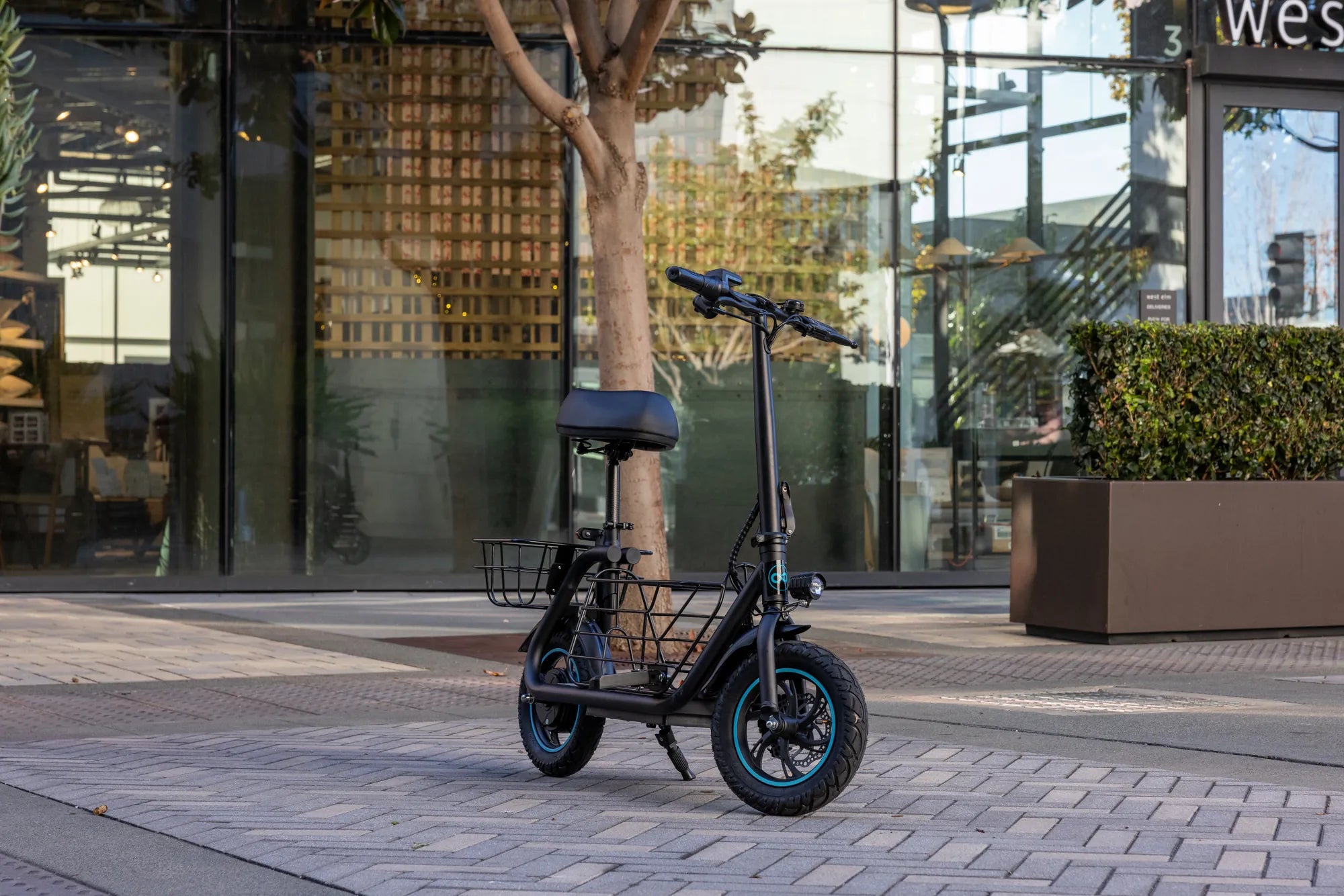
Electric scooters have surged in popularity as a convenient and eco-friendly mode of transportation. But one question remains: are electric scooters allowed on public transport? The answer isn’t always straightforward, as policies vary by city, transit system, and even the type of scooter you own. Whether you’re a daily commuter or an occasional rider, understanding these rules can save you time, hassle, and potential fines.
Understanding the Rules for Electric Scooters on Public Transport
Public transport systems often have strict guidelines about what can and cannot be brought onboard. While folding bicycles are commonly accepted, electric scooters fall into a gray area. Some transit agencies classify them as personal mobility devices, while others treat them like bicycles or even motorized vehicles. Here’s what you need to know:
- Folding Capability: Many systems allow foldable electric scooters if they meet size and weight restrictions.
- Battery Regulations: Lithium-ion batteries may be subject to safety checks or outright bans due to fire risks.
- Peak Hour Restrictions: Some cities prohibit scooters during rush hour to avoid overcrowding.
How Different Cities Handle Electric Scooters on Public Transport
Rules can vary dramatically depending on where you live or travel. Below are examples of how major cities regulate electric scooters on public transport:
New York City
The MTA permits foldable electric scooters on subways and buses, provided they don’t block aisles or doors. However, non-foldable models are prohibited.
London
Transport for London (TfL) allows electric scooters only if they are folded and carried like luggage. Riding them on platforms or trains is strictly forbidden.
San Francisco
BART permits electric scooters as long as they don’t exceed size limits and are not ridden inside stations or trains.
Tips for Taking Your Electric Scooter on Public Transport
To avoid conflicts with transit staff or fellow passengers, follow these best practices:
- Check Local Policies: Always review the latest guidelines from your transit authority.
- Fold and Secure: Keep your scooter compact and out of the way.
- Be Courteous: Avoid taking up extra space during busy times.
What Happens If You Break the Rules?
Ignoring regulations can lead to fines, confiscation of your scooter, or even being denied entry. Transit police and staff are increasingly vigilant about enforcing these rules, so it’s best to comply.
The Future of Electric Scooters and Public Transport
As urban areas become more congested, cities are reevaluating their stance on micromobility. Some are integrating scooters into their transit networks, while others remain cautious. Advocates argue that allowing scooters on public transport can reduce car dependency and emissions.
Ready to hit the streets with your electric scooter? Knowing the rules will make your commute smoother and stress-free. Stay informed, ride responsibly, and enjoy the convenience of combining scooters with public transport for a seamless journey.
Personal Electric Vehicle News: The Future of Urban Mobility
E Scooter That Goes 30 MPH: The Ultimate Guide to High-Speed Riding