



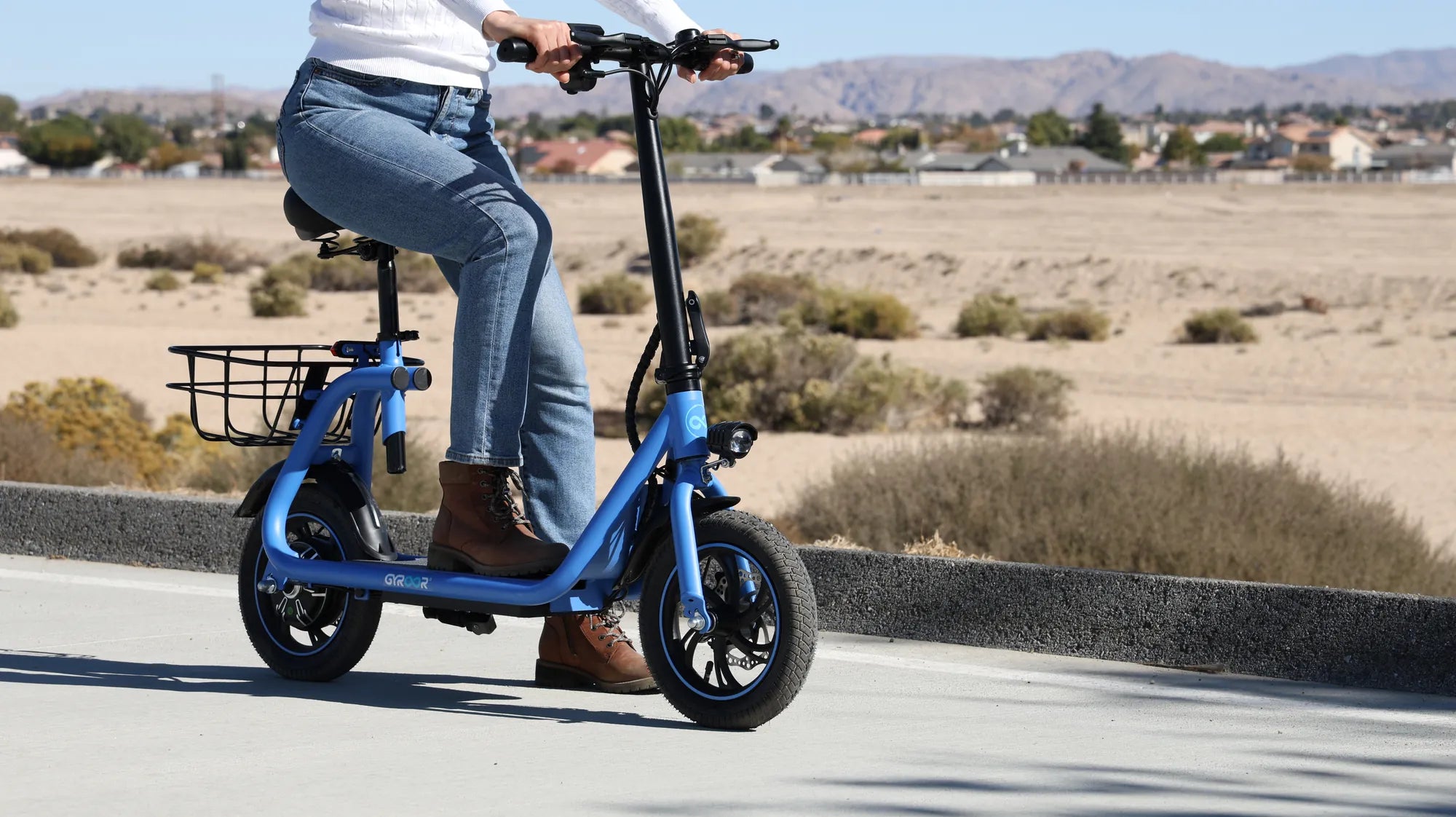
Electric scooters have taken cities worldwide by storm, offering a convenient and eco-friendly way to zip through traffic. But if you're in London, you might be wondering: are electric scooters illegal? The answer isn't as straightforward as you'd think. While these sleek, battery-powered rides seem like the perfect urban transport solution, their legal status in the UK capital is a gray area filled with fines, confusion, and potential risks. Let's dive into the details.
The Current Legal Status of Electric Scooters in London
As of now, electric scooters fall under a legal loophole in the UK. They are classified as Personal Light Electric Vehicles (PLEVs), which means they are treated similarly to motor vehicles under the Highway Act 1835 and the Road Traffic Act 1988. This classification makes them subject to the same rules as cars and motorcycles—requiring insurance, tax, and a valid license to operate.
However, here's the catch: electric scooters do not meet the legal requirements for road use. They lack registration plates, proper lighting, and other safety features mandated for motor vehicles. As a result, riding an e-scooter on public roads, cycle lanes, or pavements in London is illegal unless it is part of an approved rental scheme.
Why Are Privately Owned E-Scooters Banned?
The UK government has banned privately owned e-scooters from public spaces due to several concerns:
- Safety Risks: E-scooters can reach speeds of up to 15.5 mph (25 km/h), posing dangers to riders and pedestrians, especially in crowded areas.
- Lack of Regulation: Unlike rental scooters, privately owned models are not subject to safety checks or speed restrictions.
- Insurance and Liability: Most private e-scooters are uninsured, leaving riders vulnerable to fines and legal action in case of accidents.
Approved Rental Schemes: The Exception to the Rule
While private e-scooters remain illegal, London has introduced trial rental schemes in certain boroughs. These government-approved programs allow users to rent e-scooters from designated providers. The scooters in these schemes are:
- Speed-limited to 12.5 mph (20 km/h).
- Equipped with GPS tracking and geofencing technology.
- Restricted to specific zones to prevent misuse.
Riders must have a valid driver's license and follow strict guidelines, including wearing a helmet and avoiding pavements. These trials aim to assess whether e-scooters can be safely integrated into London's transport network.
The Consequences of Breaking the Law
If you're caught riding a private e-scooter illegally in London, you could face:
- A £300 fine and six penalty points on your driver's license.
- Confiscation of your scooter by the police.
- Potential prosecution for driving without insurance or a valid license.
Authorities have been cracking down on illegal e-scooter use, with hundreds of seizures reported in recent months. The message is clear: unless you're using an approved rental, steer clear of public roads.
Will the Laws Change in the Future?
The UK government is reviewing e-scooter regulations, with potential legalization on the horizon. Factors influencing this decision include:
- The success of rental trials in reducing car dependency.
- Public demand for greener transport options.
- The need for clearer safety standards and infrastructure.
If laws change, private e-scooters may become legal under strict conditions, such as speed limits and mandatory safety features. Until then, riders must adhere to current restrictions or risk hefty penalties.
Electric scooters could revolutionize urban mobility—but for now, London's streets remain off-limits for private models. Whether you're a commuter or a curious bystander, staying informed is the best way to avoid legal trouble and stay safe. The future of e-scooters in the capital hangs in the balance, and one thing's for sure: change is coming.
What Are the Best E Scooter Brands: Top Picks for 2024
Are Electric Scooters Legal in Belgium? A Complete Guide