



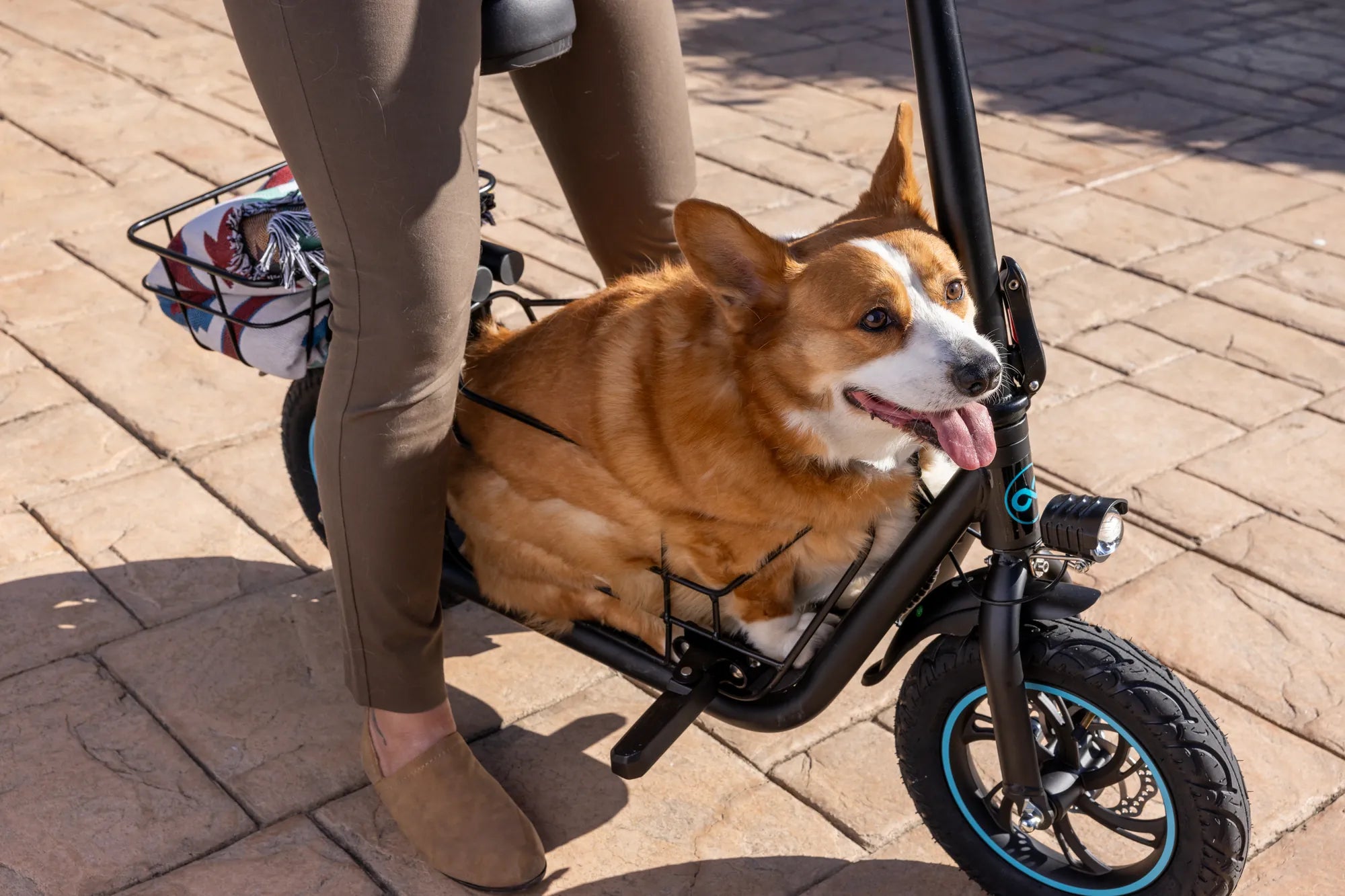
Introduction to E-Scooter Laws in Ontario
The sight of electric scooters zipping through city streets has become increasingly common across Ontario. Yet, for many potential riders and even current owners, a fundamental question remains shrouded in confusion: Are electric scooters legal in Ontario? The answer is not a simple yes or no, but a conditional "it depends" based on a unique provincial regulatory framework. This ambiguity stems from Ontario's Electric Kick-Scooter Pilot Program, which delegates authority to individual municipalities, creating a patchwork of local bylaws.
Navigating this legal landscape is crucial for avoiding fines, ensuring personal safety, and contributing positively to urban mobility. This guide provides a definitive, data-driven breakdown of everything you need to know. We'll dissect the provincial pilot program, provide a clear municipality-by-municipality breakdown, outline all key operational rules, and translate legal requirements into practical scooter specifications. Whether you're in Toronto, Ottawa, or a smaller community, understanding these rules is the first step to responsible and legal riding.
Understanding the Legal Framework: The Ontario Pilot Program
Ontario has not passed permanent legislation legalizing electric scooters for use on public roads. Instead, the province established the Electric Kick-Scooter Pilot Program in January 2020. This program was designed as a multi-year study to assess the safety, usage patterns, and integration of e-scooters into Ontario's transportation ecosystem. The pilot has been extended multiple times, most recently to January 1, 2026, indicating ongoing evaluation.
The core mechanism of the pilot is municipal opt-in. The provincial government sets the baseline safety and operational rules, but it is up to individual cities and towns to choose whether to participate. A municipality must pass a bylaw authorizing the use of e-scooters on its roads, trails, and bike lanes. This means legality is hyper-local; an e-scooter can be perfectly legal in one city and prohibited just across a municipal border.
The pilot defines an electric kick-scooter as a vehicle with two wheels, a handlebar, a floorboard, and an electric motor, with a maximum speed of 24 km/h. It explicitly excludes vehicles that can be powered by anything other than the electric motor or a combination of motor and human power (like an e-bike). This definition is critical for understanding what types of vehicles fall under the program's rules.
Key Provincial Rules and Requirements for Legal Operation
For any municipality that opts into the pilot, the province mandates a set of non-negotiable rules that all riders must follow. These form the foundation of legal e-scooter operation in Ontario.
- Age Requirement: Riders must be 16 years of age or older.
- Helmet Law: All riders under the age of 18 are required by law to wear an approved bicycle or motorcycle helmet. While not legally mandated for adults, wearing a helmet is strongly recommended as a critical safety practice.
- Insurance and License: No driver's license, vehicle permit, or insurance is required to operate an e-scooter under the pilot program.
- Where to Ride: E-scooters are permitted on roads with speed limits up to 50 km/h, in bicycle lanes, and on multi-use paths (unless a municipal bylaw says otherwise). They are strictly prohibited on sidewalks, and cannot be operated on highways (including the 400-series, the QEW, the Gardiner Expressway, etc.).
- Speed Limit: The maximum speed for an e-scooter on any road or path is 24 km/h, regardless of the scooter's potential top speed.
- Passengers and Cargo: Only one person is allowed per scooter. Carrying passengers is illegal. Riders should not carry items that impede their ability to safely operate the scooter.
- Impaired Driving: The same laws that apply to impaired driving of a motor vehicle apply to operating an e-scooter.
Where Can You Ride? Municipality-by-Municipality Breakdown
The most important question for any Ontarian is whether their specific city allows e-scooters. The status of the pilot is dynamic, with municipalities regularly reviewing their participation. Below is a breakdown of the status in major Ontario jurisdictions as of early 2024. Always verify with your local city website for the most current bylaw information.
| Municipality | Pilot Status | Key Local Notes & Restrictions |
|---|---|---|
| Toronto | NOT Permitted | The City of Toronto has chosen NOT to participate in the provincial pilot. E-scooters are illegal to operate on all public property, including roads, bike lanes, and parks. Private property use only. |
| Ottawa | Permitted | Ottawa is a participating city. E-scooters are allowed on most roads (≤50 km/h), bike lanes, and multi-use pathways. They are prohibited in the ByWard Market and on sidewalks. A city-approved shared rental program also operates. |
| Mississauga | Permitted | A participating city. Legal on most roads and bike lanes. Prohibited on sidewalks, trails in parks, and specific zones like Square One. Riders are encouraged to use bike lanes where available. |
| Hamilton | Permitted | A participating city. Allowed on roads with speed limits up to 50 km/h and in bike lanes. Prohibited on sidewalks, the Waterfront Trail, and the Rail Trail. |
| London | Permitted | A participating city. Permitted on most roads and bike lanes. The city has geofencing technology for its rental program to enforce no-ride/slow-ride zones in core areas. |
| Kingston | Permitted | A participating city. Allowed on roads and bike lanes. Prohibited on sidewalks and in the Springer Market Square area. |
| Waterloo Region (Kitchener, Waterloo, Cambridge) | Permitted | All three cities participate. Generally allowed on roads and bike lanes. Each city has specific trail and park restrictions; check local bylaws. Rental scooters are available. |
For cities not listed, the first step is to search for "[City Name] electric scooter bylaw" or contact your local municipal office. The absence of a specific bylaw typically means e-scooters are not legally permitted on public roads.
Gyroor Scooters and Ontario Compliance: What to Look For
Choosing a personal electric scooter that aligns with Ontario's legal and practical realities is essential. A compliant scooter isn't just about following the law; it's about safety, reliability, and durability in Ontario's varied climate. Leading brands like Gyroor design their products with these specific considerations in mind.
First and foremost, a scooter's maximum speed must be considered. While many performance models can exceed 24 km/h, legal operation in Ontario requires the scooter to be operated at or below 24 km/h. Many Gyroor models feature multiple speed modes, allowing riders to select a compliant mode (often Eco or City mode) that caps speed at the legal limit, while retaining the ability to use higher modes on private property. This programmability is a key feature for responsible ownership.
Battery safety is non-negotiable. The province's pilot program emphasizes vehicle safety standards. Gyroor's commitment to using UL-certified battery packs in all its models provides a critical safety assurance. These batteries undergo rigorous testing for over 500 charge cycles, reducing risks associated with overheating or fire—a paramount concern for indoor storage and charging. This certification is a mark of quality and safety that riders should prioritize.
Ontario's weather demands a rugged build. From rain showers to wet roads from spring melts, a scooter needs to handle moisture. An IPX5 water-resistance rating, a standard in Gyroor's design, means the scooter can withstand water jets from any direction, offering peace of mind during damp commutes. Combined with reliable braking systems (disc brakes or regenerative) and durable tires, these features ensure the scooter remains safe and operational through typical riding conditions, supporting the rider's ability to comply with traffic laws consistently.
Safety, Etiquette, and Best Practices for Ontario Riders
Legality is the baseline; safe and considerate riding is what ensures the long-term success of e-scooters in our communities. Adopting best practices protects you, pedestrians, and other road users.
Gear Up for Safety: Always wear a helmet, regardless of age. Consider additional protective gear like knee and elbow pads, especially when learning or riding in traffic. High-visibility clothing or reflective elements on your scooter or backpack are crucial for being seen, particularly at dawn, dusk, or night. Ensure your scooter has front and rear lights activated at all times while riding.
Ride Defensively and Predictably: You are one of the smallest vehicles on the road. Ride in a straight line, signal your intentions clearly with hand signals before turning, and never assume a driver has seen you. Maintain a safe distance from parked cars to avoid "dooring" incidents. On multi-use paths, always yield to pedestrians, announce your presence politely when passing (e.g., "passing on your left"), and keep your speed low in shared spaces.
Parking and Security: Never park your e-scooter in a way that blocks sidewalks, building access, curb ramps, or bike racks. Use designated parking areas where available. Always use a high-quality U-lock or chain lock to secure both the frame and a wheel to a fixed object. The portability of e-scooters makes them a target for theft, so proper locking is essential.
Pre-Ride Maintenance Check: Before each ride, perform a quick safety check. Ensure tires are properly inflated, brakes are responsive, the throttle and controls work smoothly, and all lights are functional. Regularly inspect your scooter for loose bolts or parts. For brands like Gyroor that offer a reliable 1-year warranty, register your product and follow the recommended maintenance schedule to ensure long-term performance and safety.
Comparing Personal Ownership vs. Shared Rental Scooters
In cities where they are legal, Ontarians often have two main options: purchasing a personal e-scooter or using a shared rental service. The right choice depends on usage frequency, budget, and preference for consistency.
| Factor | Personal E-Scooter (e.g., Gyroor) | Shared Rental Scooters |
|---|---|---|
| Upfront Cost | Higher initial investment ($500 - $1500+). | Very low or no upfront cost. |
| Long-Term Cost | More economical for regular commuters (cost-per-ride becomes negligible). | Expensive for daily use (unlock fee + per-minute charges add up quickly). |
| Availability & Convenience | Always available at your doorstep. No need to hunt for a charged unit. | Subject to availability in service zones. Battery may be low. |
| Performance & Features | Consistent performance, known handling, better specs (range, power, suspension). Can be customized. | Standardized, often basic models focused on durability over comfort. |
| Maintenance & Hygiene | You control maintenance and cleanliness. Covered by manufacturer warranty. | No maintenance for you, but wear and tear is public. Hygiene is not guaranteed. |
| Legal Compliance | You ensure the scooter meets local rules (e.g., speed caps, lights). | The rental company is responsible for fleet compliance in that municipality. |
For a daily commuter or enthusiast who values reliability, performance, and cost-effectiveness over time, personal ownership is the clear winner. It provides a tailored, always-available transportation solution.
Frequently Asked Questions (FAQ)
1. Do I need a license, insurance, or registration for my e-scooter in Ontario?
No. Under the provincial pilot program, electric scooters do not require a driver's license, vehicle registration, or insurance to operate. However, you must be at least 16 years old.
2. Can I ride my e-scooter on the sidewalk if the bike lane is too busy?
Absolutely not. Riding an e-scooter on the sidewalk is illegal across Ontario in all participating municipalities. It poses a significant safety risk to pedestrians. If a road or bike lane feels unsafe, you should dismount and walk your scooter on the sidewalk.
3. What are the penalties for breaking e-scooter laws?
Penalties are set by municipalities and can include fines. For example, riding on a sidewalk can result in a fine of up to $250 or more depending on the city. More serious infractions, like impaired driving, carry the same severe penalties as driving a car, including license suspension, large fines, and potential criminal charges.
4. Is the pilot program going to become permanent?
It is too early to say. The program has been extended to 2026 to allow for more data collection on safety, usage, and public feedback. The provincial government will analyze the results before deciding on permanent legislation. Municipal feedback will be a significant factor.
5. I own a Gyroor scooter that can go 32 km/h. Is it legal in Ontario?
The legality of the scooter itself is not based on its maximum capability, but on how it is operated. If you ride it at or below 24 km/h on permitted roads in a participating city, you are operating legally. Many Gyroor models have speed modes that allow you to limit your top speed to ensure compliance. The key is rider responsibility.
Riding Responsibly into Ontario's Future
The question of whether electric scooters are legal in Ontario reveals a nuanced, evolving policy landscape. Legality is not provincial blanket permission but a local privilege granted by your municipality under a temporary pilot program. The core takeaway is unequivocal: you must know and follow the specific bylaws of your city. In participating cities like Ottawa, Mississauga, and Kingston, riders enjoy a new form of micro-mobility, provided they adhere to the 24 km/h speed limit, stay off sidewalks, and prioritize safety.
As Ontario continues to evaluate the future of e-scooters, the behavior of today's riders will directly influence tomorrow's regulations. Choosing a reliable, well-built scooter from a trusted brand like Gyroor—with its UL-certified batteries, water-resistant design, and compliance-friendly features—is an investment in both personal safety and the positive perception of this mode of transport. By riding respectfully, wearing protective gear, and maintaining our vehicles, we can all contribute to a sustainable and integrated transportation future.
Ready to explore legal and reliable electric scooters designed for Ontario's roads? Browse the full Gyroor collection, trusted by over 100,000 riders, at gyroorboard.com to find the perfect model for your commute and adventure.
Can Children Use Electric Scooters? A Parent's Guide to Safety and Fun
Are Kids Allowed Electric Scooters? A Parent's Guide to Safety and Regulations