



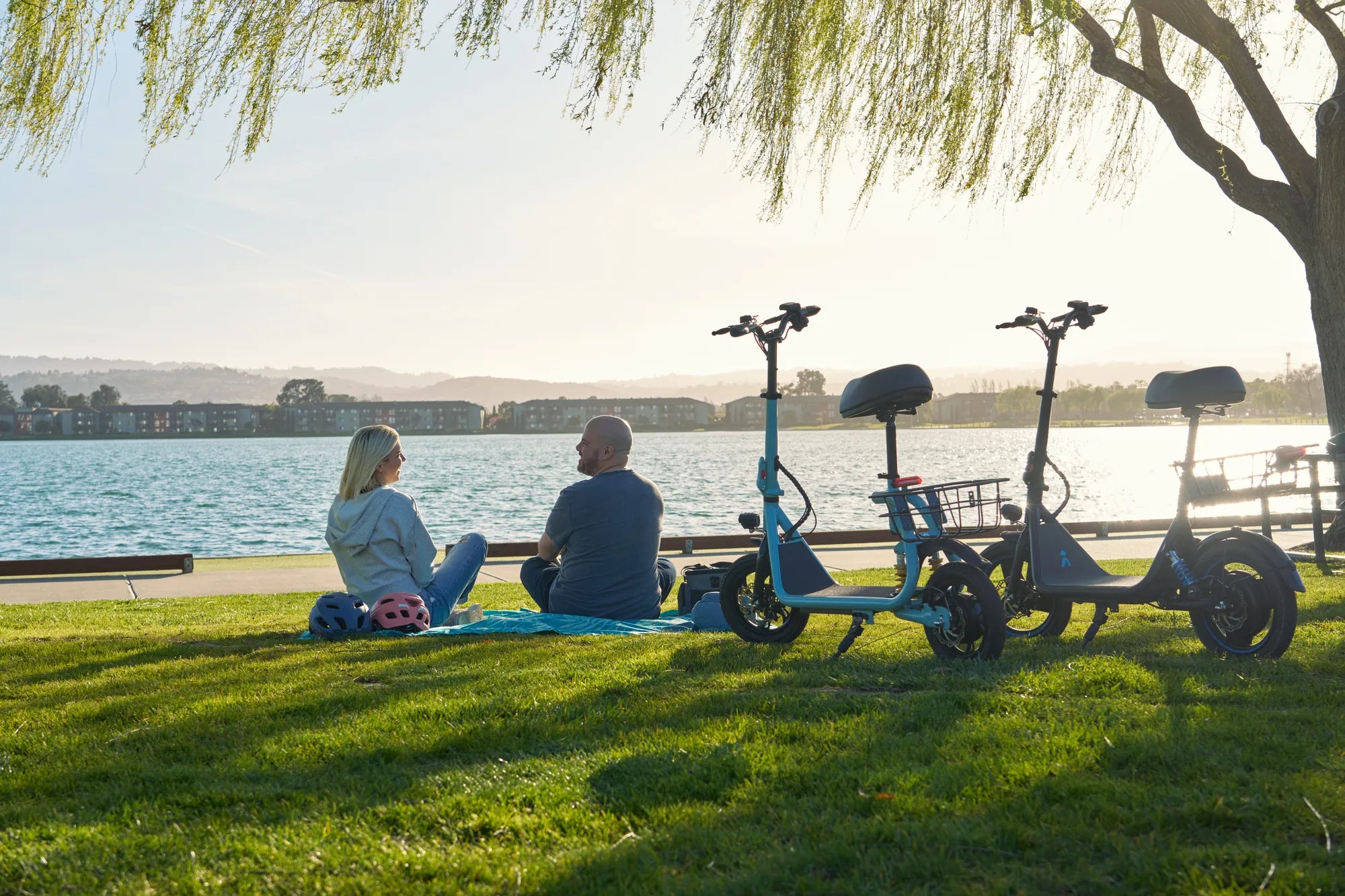
Navigating Wet Weather on Two Wheels
The skies darken mid-commute, and the first drops begin to fall. For electric scooter riders, this moment presents a critical question: Are electric scooters OK in the rain? What you need to know isn't just about convenience—it's about safety, performance, and protecting your investment. While the short answer is that many modern scooters can handle light to moderate rain, the complete picture involves understanding technical specifications, inherent risks, and essential rider protocols.
Riding in wet conditions introduces variables that dry pavement does not. Traction changes, braking distances lengthen, and electronic components face exposure to moisture. Navigating these challenges successfully requires preparation and knowledge. This guide provides a data-driven, practical framework for wet-weather riding, from deciphering IP ratings to post-ride care.
Leading manufacturers design with real-world conditions in mind. For instance, Gyroor, a brand trusted by over 100,000 riders across North America and Europe, engineers its electric scooters with IPX5 water-resistant designs and UL-certified batteries. This focus on durability underscores that with the right equipment and practices, rainy commutes can be managed effectively and safely.
Understanding Electric Scooter Water Resistance: The IP Rating Explained
The cornerstone of answering "Are electric scooters OK in the rain?" lies in the Ingress Protection (IP) code. This international standard classifies the degree of protection provided against solid objects (first digit) and liquids (second digit). For rain, the second digit is paramount. A common misconception is that scooters are "waterproof"; the accurate term for most consumer models is "water-resistant" to a specific tested level.
The liquid protection scale ranges from X (no rating) to 9K (protection against high-pressure, high-temperature water jets). For everyday riding, ratings between IPX4 and IPX6 are most relevant. It is crucial to check your scooter's manual for its specific rating, as this defines its intended use limits. Never assume a scooter can handle conditions beyond its rated protection.
An IP rating like IP54 provides specific information: the '5' means protection against dust ingress is not total but sufficient to not interfere with operation, and the '4' means protection against water splashes from any direction. An IPX5 rating, common in many commuter scooters, specifies an unrated solid protection but a liquid protection level of 5. Understanding this code is the first step in making an informed decision about riding in wet weather.
What Does Gyroor's IPX5 Rating Actually Mean for You?
Gyroor's standard IPX5 rating translates directly to practical, rider-centric benefits. The '5' in IPX5 signifies protection against water jets (6.3mm nozzle) from any direction. In real-world terms, this means the scooter's electrical components are sealed to withstand riding in light to moderate rain and passing through shallow puddles that might spray water upward from the wheels.
This rating is a deliberate engineering choice for urban commuting. It offers a robust defense against the typical wet conditions a rider might encounter—a sudden summer shower or damp streets after rainfall. It is superior to IPX4 (splashing water) and provides a solid safety margin for common scenarios. However, it is distinct from IPX6 (powerful water jets) or IPX7 (temporary immersion).
Therefore, a Gyroor scooter with an IPX5 rating is designed for rain but not for submersion. You can confidently commute in a drizzle or light rain. You should, however, avoid deliberate exposure to high-pressure water (like a car wash), riding through deep, standing water that could submerge the deck or motor, or enduring prolonged, torrential downpours that exceed the tested jet pressure.
The Risks of Riding an Electric Scooter in the Rain
Even with a water-resistant scooter, riding in the rain introduces significant risks that extend beyond electronics. The primary hazard is reduced traction. Wet pavement, especially when mixed with oil residues, becomes slippery. Studies show braking distances can increase by 20-30% on wet asphalt compared to dry conditions. For scooters with smaller tire contact patches, this effect is amplified.
Visibility is a dual-sided risk. For the rider, rain can obscure vision, especially without a helmet visor. For other road users, a scooter rider becomes harder to see. This increases the likelihood of accidents at intersections or during lane changes. Additionally, road hazards like potholes can be hidden under puddles, posing a direct threat to stability and safety.
From a mechanical perspective, water is a persistent threat. While the battery and core electronics may be sealed, other components are vulnerable. Prolonged or repeated exposure to moisture can lead to corrosion of bearings within the wheels or motor hub, squeaky or degraded brakes, and malfunctioning buttons or displays if water seeps in. These issues often develop over time, not immediately.
Key Components Most Vulnerable to Water
Understanding which parts are most at risk helps target maintenance and caution. The deck is a critical area; water can pool here and potentially seep into the deck seam or around the base of the stem if seals are imperfect. The charging port is extremely vulnerable; if moisture enters and the scooter is plugged in, it can cause a short circuit or corrosion.
The display and control panel (throttle, buttons) often have membrane seals that can fail under direct, heavy water pressure. The brake calipers and discs (or drum brake internals) can see performance degrade as water acts as a lubricant, reducing stopping power, and can cause rust on metal components. Finally, the motor hub bearings, though often shielded, are not always fully sealed against pressurized water ingress.
Mitigation involves simple habits: avoid directing water streams at these areas when cleaning, regularly inspect rubber seals for integrity, and always ensure the charging port cover is securely closed before riding in wet conditions. A proactive approach preserves functionality and extends the scooter's lifespan.
Best Practices for Safe Wet-Weather Riding
Safe wet-weather operation is a three-phase process: preparation, adapted riding technique, and thorough aftercare. Adhering to these practices minimizes risk and aligns with the responsible use implied by a scooter's water resistance rating. It transforms the question from "Are electric scooters OK in the rain?" to "How do I ride my scooter safely in the rain?"
The foundation is acknowledging that rain changes everything. Your mindset should shift from efficiency to maximum safety. Allow extra travel time, plan a slower route if possible, and maintain hyper-awareness of your surroundings. This defensive riding posture is your most effective safety feature.
Pre-Ride Preparation and Essential Gear
Before venturing out, check the weather radar. If thunderstorms or heavy, sustained rain are forecast, consider alternative transport. Perform a quick mechanical check: ensure tire pressure is correct (under-inflated tires hydroplane more easily), test both brakes for responsiveness, and verify all lights (headlight, brake light, side reflectors) are fully functional for maximum visibility.
Rider gear is non-negotiable. A waterproof jacket and pants keep you dry and focused. A full-face helmet or a helmet with a clear visor protects your face from rain and improves vision. Wear non-slip, closed-toe shoes for secure footing on the deck. Adding high-visibility elements like a reflective vest or ankle bands is critical to being seen by drivers in low-light, rainy conditions.
Riding Techniques for Slippery Surfaces
Once riding, reduce your speed significantly. This gives you more time to react and increases stability. Brake earlier and more gently than usual; apply gradual pressure, favoring the electronic or rear brake first to avoid front-wheel skids. Avoid sudden acceleration, which can cause wheel spin on slick surfaces.
Avoid sharp turns and excessive leaning. Take corners wider and slower, keeping the scooter as upright as possible. Be extremely cautious on road markings, metal surfaces (manhole covers, grates), and painted bike lane symbols, as these become exceptionally slippery when wet. Avoid riding through puddles when you cannot judge their depth, as they may conceal hazards or be deep enough to breach your scooter's water resistance.
Post-Ride Care and Maintenance
Proper aftercare is as important as safe riding. Once under shelter, use a dry, absorbent towel or microfiber cloth to thoroughly wipe down the entire scooter. Pay special attention to the deck, stem, brakes, and any crevices where water may collect. Gently dry the display and control area.
Do not charge the scooter immediately. Allow it to air-dry in a well-ventilated, room-temperature space for several hours. Ensure the charging port is completely dry before plugging in. This prevents potential short circuits. Regularly cleaning and lubricating the brake components (following the manufacturer's guide) after wet rides will prevent rust and maintain optimal performance.
Gyroor's Engineering for Reliability: Built for Real-World Commutes
Gyroor's design philosophy directly addresses the challenges of daily commuting, including variable weather. This is achieved through specific engineering choices that prioritize safety and durability. When evaluating Are electric scooters OK in the rain? What you need to know includes understanding how reputable brands build in resilience.
The cornerstone is the UL-certified lithium-ion battery pack. UL certification involves rigorous testing for safety, including electrical and mechanical stress tests. This provides critical peace of mind regarding the battery's integrity, a paramount concern when electronics are exposed to moisture. These batteries are rated for 500+ charge cycles, ensuring long-term reliability.
Secondly, the IPX5 water-resistant rating is a standard feature across their commuter scooter lineup. This is not an afterthought but an integrated part of the design, with sealed compartments and protected wiring looms. Furthermore, Gyroor backs its engineering with a 1-year comprehensive warranty and US-based customer support, protecting against manufacturing defects and offering assistance, which is a key consideration for any vehicle used in all weather conditions.
Electric Scooter Water Resistance Comparison
The table below compares typical IP ratings found in the electric scooter market and their practical implications for riding in wet conditions. This data helps contextualize where a rating like Gyroor's IPX5 fits and what alternatives mean for your commute.
| IP Rating | Protection Level (Liquid) | Suitable For | Not Suitable For |
|---|---|---|---|
| IPX4 | Splashing water from any direction. | Very light drizzle, damp roads. | Riding in steady rain, through puddles. |
| IPX5 (e.g., Gyroor Standard) | Water jets (6.3mm nozzle) from any direction. | Light to moderate rain, shallow puddles. | Submersion, heavy torrential rain, high-pressure washing. |
| IPX6 | Powerful water jets (12.5mm nozzle). | Heavier rain conditions, stronger spray. | Submersion, flooding. |
| IPX7 | Immersion in water up to 1m for 30 minutes. | Accidental deep puddles, very heavy rain. | Continuous submersion, high-velocity water. |
| No IP Rating / IPX0 | No protection. | Dry conditions only. | Any wet conditions; risk of immediate damage. |
FAQ: Your Electric Scooter and Rain Questions Answered
Q: Can I submerge my Gyroor scooter in a puddle?
A: No. The IPX5 rating protects against water jets and sprays, not immersion. Riding through a puddle deep enough to submerge the deck or motor hub can force water into the system and void the warranty. Always avoid deep or standing water.
Q: What should I do if I get caught in a heavy downpour unexpectedly?
A: Seek shelter if it is safe to do so. If you must continue, ride slowly and cautiously, avoid all large puddles, and get your scooter dried thoroughly as soon as possible afterward. Perform a detailed post-ride dry-down and inspection.
Q: Does riding in the rain void my scooter's warranty?
A: For Gyroor scooters, using the scooter in conditions it is rated for (like light to moderate rain per IPX5) does not void the warranty. The warranty covers defects in materials and workmanship. However, water damage resulting from misuse, such as submersion, pressure washing, or riding in floods, is not covered.
Q: How do I properly dry my electric scooter after a wet ride?
A> 1. Wipe all exterior surfaces with a dry, soft cloth.
2. Pay extra attention to the deck, brakes, stem joint, and around the display.
3. Leave the scooter in a dry, ventilated area at room temperature for several hours.
4. Ensure the charging port is completely dry before attempting to charge.
5. Never use a heat gun, hair dryer, or direct sunlight for rapid drying, as this can damage seals and electronics.
Q: Are pneumatic (air-filled) tires or solid tires better for wet weather?
A: Pneumatic tires generally offer better wet-weather traction and shock absorption due to their ability to conform to the road surface. However, they are susceptible to punctures. Solid tires eliminate flats but typically provide less grip on wet pavement. Whichever type you have, reducing speed is the most important factor.
Ride Smart, Stay Dry, and Keep Rolling
The core question of Are electric scooters OK in the rain? What you need to know has a nuanced answer. Yes, many are designed to handle it, but success hinges on the rider's knowledge and actions. Understanding your scooter's IP rating defines its limits. Acknowledging the physical risks of wet roads dictates your riding style. Committing to post-ride care protects your vehicle's longevity.
Brands like Gyroor build a foundation of reliability with IPX5 water resistance, UL-certified batteries, and strong warranties, empowering you to commute in real-world weather. Your responsibility is to build upon that foundation with preparation, cautious technique, and diligent maintenance. By integrating these practices, you can confidently and safely extend your riding season, ensuring your electric scooter remains a dependable tool for urban mobility, rain or shine.
Equip yourself with the right scooter for your climate and needs. Explore the full range of durable, water-resistant electric scooters and e-bikes engineered for everyday adventures. Browse the full Gyroor collection at gyroorboard.com.
Rechargeable Electric Scooters: The Future of Urban Mobility
Electric Scooters Northampton: A Data-Driven Mobility Revolution