



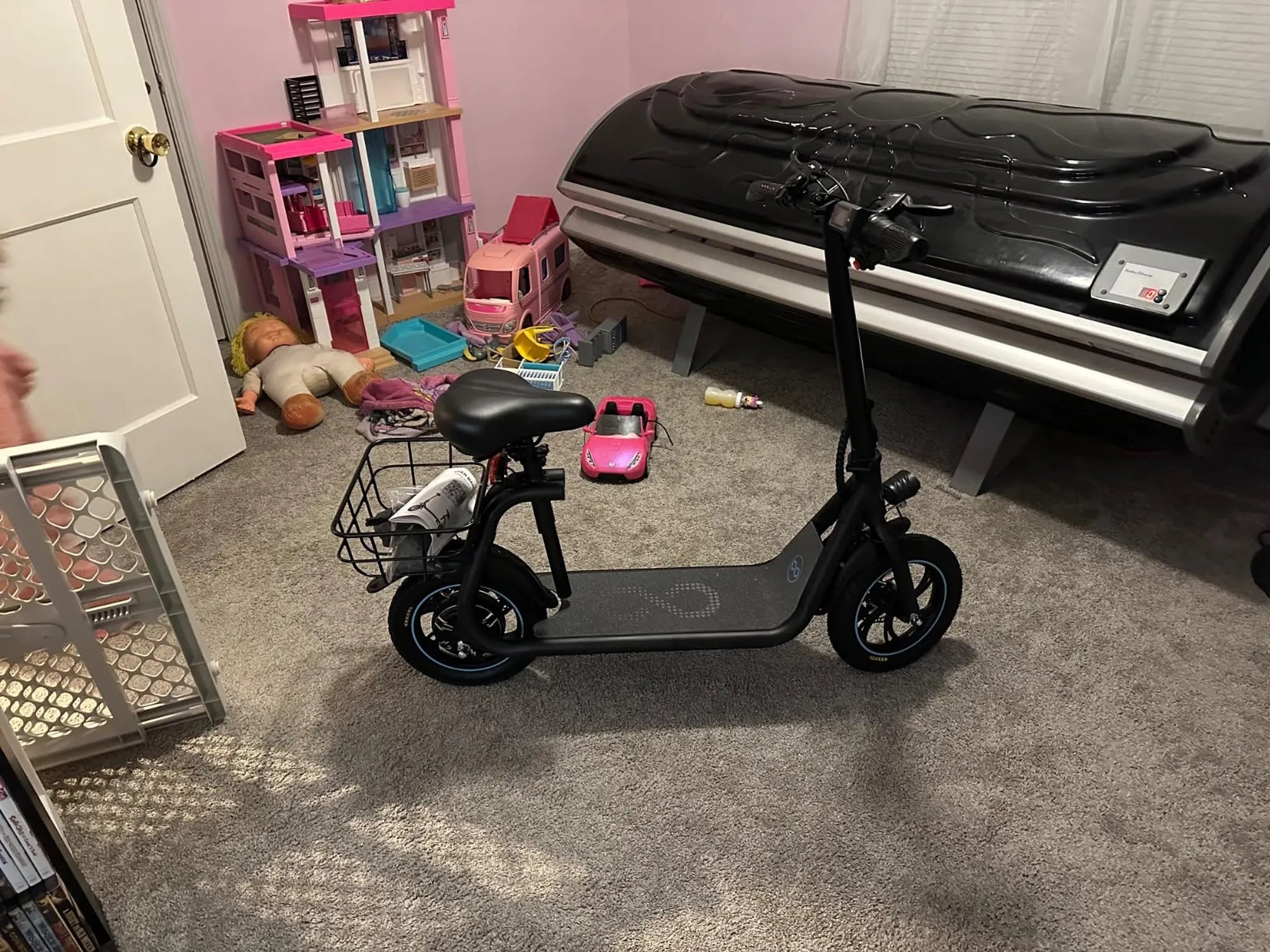
Imagine zipping through city streets, bypassing traffic jams, and reducing your carbon footprint—all on a compact, electric-powered scooter. Electric scooters have emerged as a game-changer in urban mobility, offering a blend of convenience, affordability, and eco-friendliness. But are they truly the future of urban transport? Let’s dive into the possibilities.
The Rise of Electric Scooters
Electric scooters have surged in popularity over the past decade, thanks to their ease of use and low environmental impact. Cities worldwide are embracing them as a solution to congestion and pollution. Unlike traditional vehicles, electric scooters produce zero emissions, making them a cleaner alternative for short-distance travel.
Benefits of Electric Scooters
One of the biggest advantages of electric scooters is their efficiency. They require minimal energy to operate and can navigate tight urban spaces with ease. Commuters save time by avoiding traffic, while cities benefit from reduced congestion. Additionally, electric scooters are cost-effective, with lower maintenance and operational costs compared to cars or public transport.
Environmental Impact
Electric scooters contribute significantly to reducing urban pollution. By replacing gas-powered vehicles for short trips, they help cut down on greenhouse gas emissions. Many cities are integrating electric scooters into their sustainability plans, aiming to create greener urban environments.
Accessibility and Convenience
With the rise of scooter-sharing programs, electric scooters have become more accessible than ever. Users can rent scooters on-demand via smartphone apps, eliminating the need for ownership. This flexibility makes them an attractive option for tourists and daily commuters alike.
Challenges and Limitations
Despite their benefits, electric scooters face several challenges. Safety concerns, such as accidents and injuries, have raised questions about their widespread adoption. Many cities lack dedicated infrastructure, forcing riders to share roads with larger vehicles. Additionally, the lifespan of scooters and battery disposal pose environmental concerns.
Regulatory Hurdles
Governments are still grappling with how to regulate electric scooters. Issues like speed limits, parking, and rider eligibility vary by location, creating confusion. Clear policies are needed to ensure safe and sustainable integration into urban transport systems.
The Future of Electric Scooters
As technology advances, electric scooters are likely to become even more efficient and user-friendly. Innovations in battery life, safety features, and smart connectivity could address current limitations. If cities invest in proper infrastructure and regulations, electric scooters could play a pivotal role in the future of urban transport.
The potential of electric scooters to transform urban mobility is undeniable. From reducing emissions to easing traffic, they offer a glimpse into a smarter, greener future. Will they become the backbone of city transport? Only time will tell, but one thing is certain—electric scooters are here to stay.
Can Electric Scooters Be Allowed in Plane Check-In? The Ultimate Guide
What Is the Best Electric Scooter Brand for Kids? A Comprehensive Guide