

Honolulu's Evolving Urban Landscape
Honolulu presents a unique urban challenge: stunning natural beauty intertwined with some of the nation's worst traffic congestion. As the city seeks sustainable solutions, the global rise of micromobility offers a promising alternative. This brings us to the central question for residents and visitors alike: Are there electric scooters in Honolulu? The answer is nuanced, involving a regulated shared system and a thriving market for personal ownership.
This article provides a comprehensive exploration of Honolulu's micromobility scene. We will dissect the current state of shared, dockless e-scooter programs, outline the strict legal framework governing their use, and delve into the significant advantages of investing in a personal electric scooter or e-bike. For those considering ownership, we will analyze the specific performance and durability features required to conquer Oahu's hills and weather, backed by factual data and clear comparisons.
Navigating Honolulu efficiently requires understanding all available options. From the tourist-packed streets of Waikiki to the residential neighborhoods of Kaimuki and beyond, electric scooters represent a tool for reclaiming time and experiencing the island with greater freedom. However, this freedom comes with a responsibility to ride safely and respectfully within the community.
Our goal is to equip you with all the necessary knowledge. Whether you're a visitor planning your itinerary, a daily commuter tired of gridlock, or a resident looking for a fun way to run errands, this guide will help you navigate the opportunities and rules surrounding electric scooters in Honolulu.
The Current State of Electric Scooters in Honolulu
Yes, there are electric scooters in Honolulu, but primarily through a single, regulated shared mobility program. Following a period of experimentation with various dockless companies, the City and County of Honolulu established a formal one-year pilot program, which has since been extended to create a more controlled environment. The current exclusive operator for shared standing e-scooters is Biki, better known for its bicycle share network.
Biki's scooter program operates under strict guidelines set by the city. The service area is geographically limited, or "geo-fenced," to specific urban corridors to manage clutter and safety concerns. The primary zones include the bustling tourist district of Waikiki, the downtown business and government area, and the growing neighborhood of Kaka'ako. Attempting to ride a shared scooter outside these designated areas will trigger a slowdown and eventual shutdown of the scooter.
The program is designed as a "lock-to" model, requiring riders to securely park the scooter to a fixed object like a bike rack using a cable lock integrated into the scooter. This addresses a major complaint of earlier dockless systems: sidewalk obstruction. The scooters cannot be left anywhere; they must be parked in designated corrals or at any public bike rack.
This regulated approach contrasts sharply with the free-for-all seen in some mainland cities. Honolulu's government has prioritized order and pedestrian safety, leading to a more limited but structured availability of shared electric scooters in Honolulu. For many, this controlled system highlights the limitations of shared schemes and underscores the benefits of personal ownership for consistent, reliable transportation.
Where and How to Find Shared Scooters
To locate and use a Biki scooter, you must download the official Biki app from the Apple App Store or Google Play Store. The app provides a real-time map showing available scooters and designated parking corrals. The process is straightforward: locate a scooter via the app, scan its QR code to unlock, and you're ready to ride.
Payment is handled entirely through the app. Pricing typically involves a $1 unlock fee plus a per-minute rate (e.g., $0.45 per minute). The app also offers day passes or promotional bundles for frequent users. It is crucial to end your ride properly within the geo-fenced service area and lock the scooter to a sanctioned bike rack or corral to avoid continued charges or penalties.
Common starting points include major hotel zones in Waikiki, Ala Moana Center, Thomas Square, and along the South King Street and Beretania Street corridors. The geo-fence is strictly enforced; riding towards Diamond Head or into Manoa Valley, for example, will be prohibited. Always check the app's map before beginning a trip to ensure your destination is within the operable zone.
Rules of the Road: Honolulu's E-Scooter Regulations
Honolulu has clear laws governing the operation of electric scooters, applicable to both shared and personal devices. Ignorance of these rules can result in substantial fines. First and foremost, e-scooters are prohibited on sidewalks throughout Honolulu. Riders must use the street, specifically bike lanes where available.
When a bike lane is not present, riders must use the far right side of the roadway, traveling in the same direction as traffic. Helmet use is legally required for all riders under the age of 16, but it is strongly recommended for everyone regardless of age. The standard traffic laws apply: riders must obey all traffic signals and signs, and DUI laws for operating a vehicle under the influence fully extend to e-scooter operation.
Speed limits for e-scooters are capped at 15 miles per hour. Parking is a critical component of the regulations. Scooters cannot be parked where they obstruct pedestrian rights-of-way, access ramps, bus stops, or building entrances. The city can and does impound improperly parked devices. For shared scooter users, following the app's parking instructions is non-negotiable.
Why Choose a Personal E-Scooter or E-Bike in Honolulu?
While shared programs offer convenience for short, spontaneous trips, owning a personal electric scooter or e-bike unlocks a superior level of freedom and utility in Honolulu. A personal device is always available at your doorstep, eliminating the hunt for an available, charged rental. For daily commuters, the cost savings become apparent within months, as the per-minute fees of shared scooters quickly surpass the upfront investment of a quality personal vehicle.
Most importantly, personal ownership breaks the geo-fence. You are not confined to Waikiki and downtown. You can ride to Diamond Head Lookout, explore Kailua town, commute from Kapahulu to your office, or run errands around your neighborhood without worrying about service zones or battery limits mid-journey. This transforms the e-scooter from a tourist novelty into a legitimate car-replacement tool for many local trips.
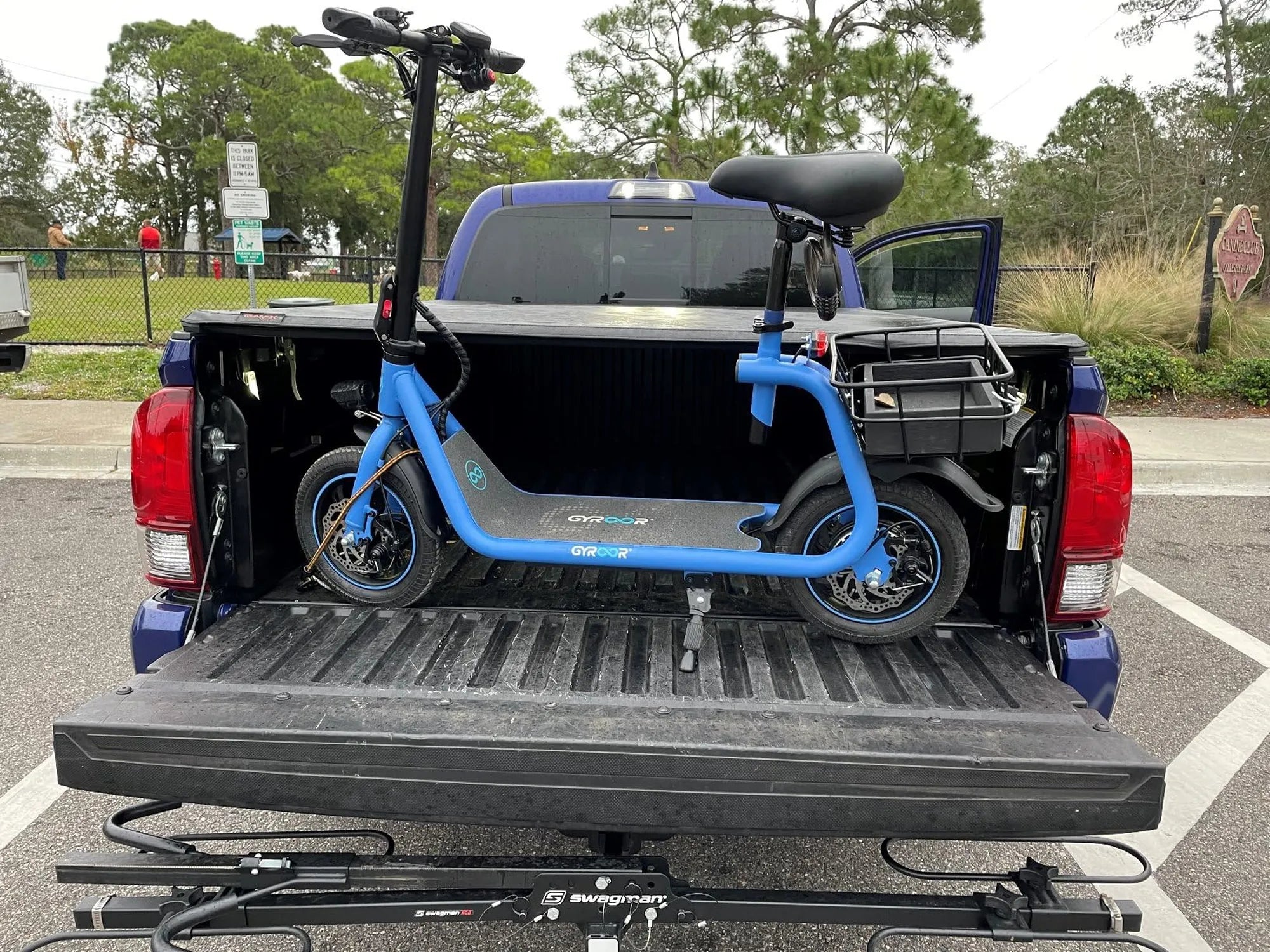
Personal devices also offer customization and performance tiers not found on shared fleets. You can select a model with the exact motor power, battery range, suspension, and comfort features that match your specific needs—whether that's conquering the hill to Pauoa Valley or ensuring a smooth ride on Oahu's varied road surfaces. Brands like Gyroor cater to this need with a range of models designed for different rider profiles and terrains.
Furthermore, you maintain control over hygiene and maintenance. A personal scooter is yours alone, not subject to the wear and tear of hundreds of unknown riders. With proper care, a well-built personal e-scooter can provide reliable service for years, making it a sustainable and economically sound choice for island living.
Navigating Honolulu's Terrain: Performance Considerations
Oahu's topography demands more from an e-scooter than a flat mainland city. Not all scooters are created equal, and selecting a model with adequate power is crucial. For Honolulu's many inclines—think of roads leading into Manoa, Tantalus, or even moderate hills in Kaimuki—a motor with sustained power is key.
We recommend a minimum of a 350-watt motor for basic flatland commuting. However, for reliable hill-climbing ability, a 500-watt or higher motor, preferably with dual motors or high torque output, is a much wiser investment. This ensures you can maintain a safe speed on inclines without overtaxing the battery or motor. Battery range is equally important. Consider your longest regular trip and double it; a real-world range of 15-20 miles per charge provides a comfortable buffer for Honolulu's stop-and-go traffic and hilly routes.
Suspension and tires are critical for comfort and safety. Honolulu's roads feature everything from smooth pavement to cracked concrete and patchwork repairs. A scooter with a front or dual suspension system and large, pneumatic (air-filled) tires will absorb shocks far better than solid tires or small wheels, providing a stable and controlled ride. This is not just about comfort—it directly impacts handling and safety, especially during evasive maneuvers or in wet conditions.
Built for the Elements: Durability in a Tropical Climate
Honolulu's idyllic weather is not always gentle on electronics. Sudden tropical rain showers, pervasive salt air, and high humidity pose significant challenges. Therefore, the build quality and ingress protection rating of your e-scooter are paramount. A high water-resistance rating is non-negotiable.
Look for a rating of IPX5 or higher. An IPX5 rating means the scooter can withstand water jets from any direction, making it safe to ride in rain and through puddles. This is a standard feature in quality brands like Gyroor, whose designs are tested for such conditions. Corrosion-resistant materials, such as aluminum alloy frames and stainless-steel fasteners, help combat the degrading effects of salt air, which can rapidly deteriorate cheaper components.
Braking performance is also critical in wet conditions. Disc brakes, whether mechanical or hydraulic, generally offer superior stopping power and modulation in the rain compared to drum or electronic brakes. A reliable braking system gives you confidence when navigating wet streets or stopping suddenly on downhill slopes like those in Nu'uanu. Investing in a scooter built with these durable features protects your investment and ensures safety through Hawaii's diverse microclimates.
Data-Driven Comparison: Shared vs. Personal E-Scooters
To make an informed decision, a clear comparison of the two primary options for accessing electric scooters in Honolulu is essential. The table below breaks down the key factors.
| Factor | Shared Scooter (e.g., Biki) | Personal E-Scooter/E-Bike |
|---|---|---|
| Cost | Pay-per-use: ~$1 unlock + $0.45/min. A 20-min ride costs ~$10. | Upfront investment ($500-$1500+). Cost-per-trip approaches zero over time. |
| Availability & Convenience | Limited to geo-fenced zones (Waikiki, Downtown). Must find available scooter. | Always available at home. No geo-fences; ride anywhere on Oahu. |
| Range & Performance | Limited by fleet battery (often ~10-15 mi range). Standardized, moderate power. | Choose your range (15-40+ mi). Select high-torque motors for hills. |
| Customization & Features | None. Standardized fleet model. | Full control over model, accessories (baskets, phone mounts), comfort. |
| Maintenance Responsibility | Handled by operator. | Owner responsibility. Quality brands offer warranties (e.g., Gyroor's 1-year). |
| Ideal User Profile | Tourist for short trips, occasional user within service zone. | Daily commuter, local resident, explorer seeking freedom beyond tourist areas. |
As the data shows, a personal e-scooter is a clear winner for anyone planning regular use or needing to travel beyond the confined shared service area. The higher initial cost is quickly amortized, and the gains in freedom, performance, and reliability are substantial.
Responsible Riding and Island Etiquette
Being a responsible rider in Honolulu extends beyond legal compliance; it's about being a respectful member of the community. Always yield to pedestrians, whether on multi-use paths like the Ala Wai Canal path or when crossing sidewalks to park. Signal your intentions clearly using hand signals or simply calling out "passing on your left" when overtaking cyclists or joggers.
Avoid riding at high speeds in crowded areas, even if you are in the street. The noise and sudden movement can startle pedestrians and contribute to negative perceptions of micromobility. When parking your personal scooter, always use a bike rack when possible and never block sidewalks, access ramps, or bus stops. Be mindful of local businesses and do not park in front of store entrances.
Your behavior as a rider directly impacts the future acceptance and expansion of e-scooter infrastructure on the island. By riding courteously and responsibly, you advocate for a future with more bike lanes, safer routes, and a stronger culture of sustainable transportation in paradise.
FAQ: Your Honolulu E-Scooter Questions Answered
1. Can I ride an e-scooter from Waikiki to Diamond Head?
On a shared Biki scooter, no. The geo-fence will prevent you from leaving the designated urban zone. On a personal e-scooter with sufficient range (at least 8-10 miles round trip), yes, it is a popular and scenic ride. You must use the road or bike lanes, as sidewalks are prohibited, and exercise extreme caution on the narrow sections of Diamond Head Road.
2. What's the penalty for riding on the sidewalk in Honolulu?
Fines for sidewalk riding can be significant. According to Honolulu County law, violations can result in a fine of up to $100 for a first offense, with higher penalties for subsequent violations. Enforcement has increased in high-traffic areas like Kalakaua Avenue.
3. Are Gyroor scooters suitable for Honolulu's hills?
Yes, specific Gyroor models are well-suited for Honolulu's terrain. For example, models equipped with 500W or 650W motors provide the necessary torque for moderate to steep inclines. Their use of UL-certified battery packs ensures reliable power delivery and safety over hundreds of charge cycles, which is crucial for daily hill climbing.
4. Where can I charge a personal e-scooter if I live in an apartment?
Many Honolulu apartment dwellers successfully own e-scooters. The best practice is to use a removable battery model. You can secure the scooter frame in a bike storage area or even in your unit, and take the battery inside to charge. Always follow your building's rules regarding storage and use of electrical outlets. Gyroor scooters feature removable, UL-certified batteries for this exact purpose.
5. Do I need a driver's license to ride an e-scooter in Honolulu?
No, a driver's license is not currently required to operate an electric scooter in Honolulu. However, all operators are subject to the same traffic laws and DUI statutes as licensed drivers.
Embracing Micromobility in Paradise
The landscape for electric scooters in Honolulu is defined by a regulated shared program and a robust opportunity for personal ownership. While the Biki program offers a convenient option for short, intra-district trips, the true potential of micromobility on Oahu is unlocked by owning a capable, durable personal electric scooter or e-bike. This choice provides unparalleled freedom to commute, explore, and connect with the island on your own terms, free from geo-fences and per-minute fees.
Success hinges on selecting the right tool for the job. Prioritize motor power for hills, water resistance for rain, and reliable construction from a trusted brand. Equally important is a commitment to riding safely and respectfully, following both the letter and the spirit of Honolulu's laws to ensure a positive future for all road and path users.
Honolulu's journey toward sustainable urban mobility is ongoing. By choosing a personal electric scooter, you're not just making a practical transportation decision; you're voting for cleaner air, reduced traffic congestion, and a more intimate, engaging way to experience the beauty of Oahu. The road—and the bike lane—awaits.
Ready to find the perfect e-scooter for your Honolulu adventures? Explore performance-driven models built for hills, rain, and reliability. Browse the full Gyroor collection at gyroorboard.com.
Adult Electric Scooters for Long Distance: The Ultimate Commuter Solution
Electric Scooters San Juan: The Ultimate Guide to Eco-Friendly Commuting