



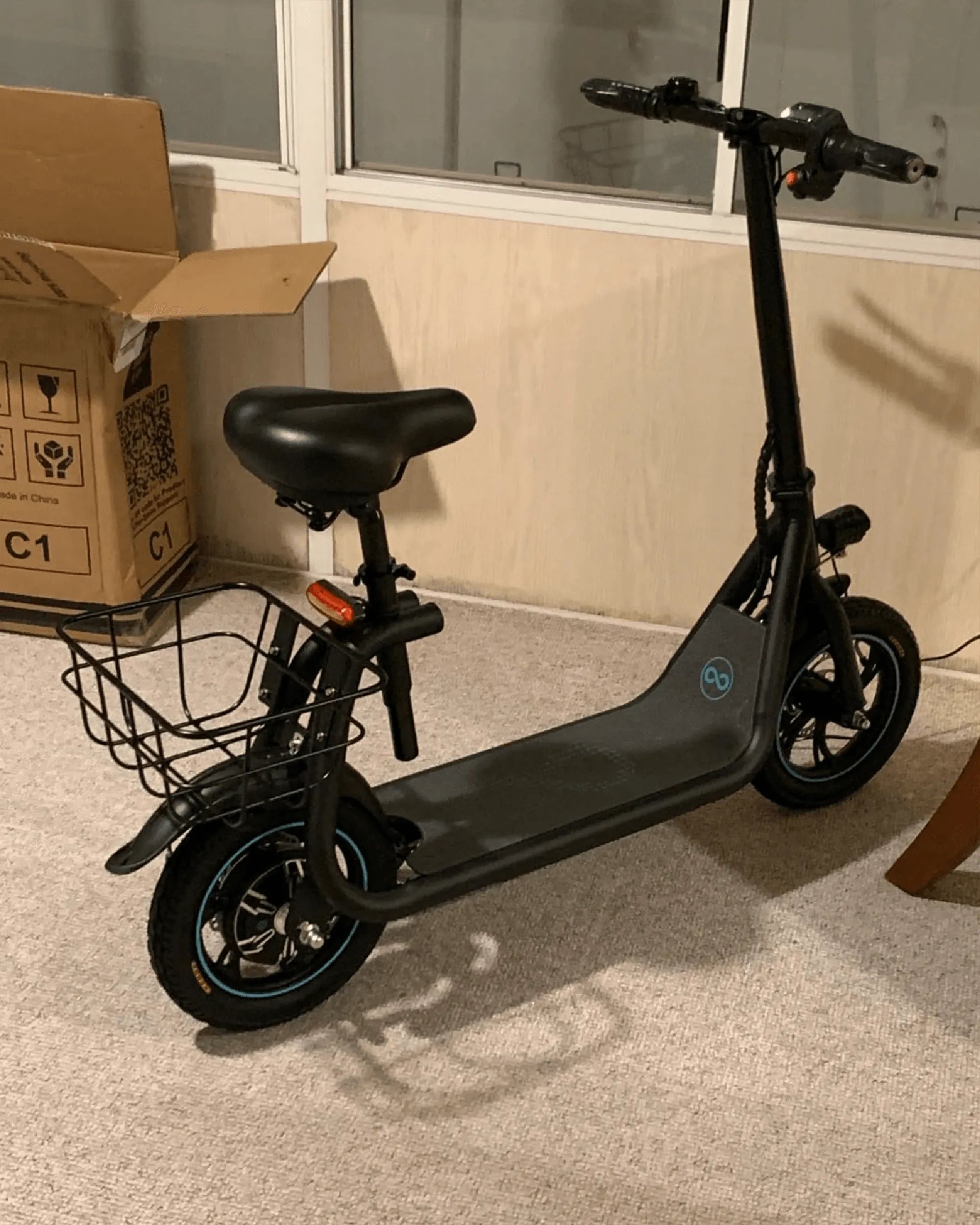
Introduction: Navigating the E-Scooter Legal Maze
You've just unboxed a new electric scooter, charged it up, and are ready to hit the road. But before you do, a critical question arises: are you allowed to drive electric scooters where you live? The answer is rarely a simple yes or no. It's a complex, often contradictory patchwork of local ordinances, state laws, and common-sense rules that vary from one city block to the next.
This article provides a comprehensive, data-driven explanation of electric scooter rules and regulations. We'll demystify the legal landscape, empowering you with the knowledge to ride confidently and legally. Whether you own a Gyroor scooter or are considering a purchase, understanding these regulations is your first step to safe, hassle-free riding.
The Core Question: Are E-Scooters Actually Legal?
Globally, the legality of personal electric scooters is defined by three primary frameworks: fully legal, restricted, or banned. In the United States, there is no overarching federal law; regulation is delegated to states and municipalities. As of 2024, most major U.S. cities have established some form of regulation, but they range from highly permissive to outright prohibitive.
For instance, California treats e-scooters similarly to bicycles under state law, allowing cities to set finer details. Conversely, Pennsylvania's law is more restrictive, requiring registration and insurance in a manner similar to mopeds. The key takeaway is that legality is hyper-local. Assuming scooters are legal because you see rental units is a common and potentially costly mistake.
Breaking Down the Rules: Key Regulatory Categories
While specific statutes differ, lawmakers consistently focus on a few key areas to ensure public safety and orderly use of public rights-of-way. Understanding these categories will help you quickly decipher any local law.
Age, Licensing, and Registration Mandates
Jurisdictions commonly impose minimum age requirements. A typical rule is that riders must be at least 16 years old. Some areas, like New York City, require riders to be 18. The need for a driver's license is less common for privately-owned scooters but is frequently required for rental app users to verify age and identity.
Registration, insurance, and license plates are rare requirements but do exist in certain states with stricter vehicle classifications. For the vast majority of personal e-scooter owners, no registration or insurance is mandated, but you must verify this for your locality.
Where You Can Ride: Road, Bike Lane, or Sidewalk?
This is the most contested and variable rule. The general hierarchy of permitted riding surfaces, from most to least preferred, is: protected bike lanes, standard bike lanes, low-speed residential streets (often with a posted speed limit of 25-35 mph or less), and shared-use paths.
Sidewalk riding is widely prohibited for adult riders in urban areas due to clear pedestrian safety risks. Some cities may allow it in specific zones or for those under a certain age, but the default assumption should be that sidewalks are off-limits unless explicitly permitted.
Speed and Motor Power Limits
Local laws often cap both the maximum capable speed of the scooter and the speed at which you can legally ride. Common speed limits for e-scooters on bike lanes or roads range from 15 to 20 mph. Some cities impose lower limits on shared-use paths.
Motor power, measured in watts (W), may also be regulated. A frequent cap is 750W for a scooter to be classified as a "low-speed electric bicycle" or similar, which affords it greater access. Scooters like the Gyroor F1 Pro, with a 500W motor and multiple speed modes, allow riders to easily select a compliant setting for their environment.
Safety Gear and Equipment Requirements
Helmet laws are widespread, though their application varies. Many regions mandate helmets for all riders, while others require them only for minors (e.g., under 18). Beyond helmets, standard equipment mandates often include:
- A white front headlight visible from 500 feet.
- A red rear taillight and reflector.
- An audible bell, horn, or other warning device.
- Effective brakes on both wheels.
These are not just legal checkboxes but critical safety features. Leading brands design for this compliance; for example, Gyroor models come equipped with bright LED headlights, rear brake lights with reflectors, and electronic horns as standard.
How to Find and Verify Your Local E-Scooter Laws: A Step-by-Step Guide
Don't rely on hearsay or the behavior of other riders. Use these official channels to get accurate, up-to-date information.
Step 1: Check Your City or Town Municipal Code. Search the official government website for terms like "electric scooter," "motorized scooter," "micromobility," or "vehicle code." Look for recent ordinances (within the last 3-5 years).
Step 2: Review State Transportation Laws. Visit your state's Department of Transportation (DOT) website. They often have a micromobility or alternative vehicles section that outlines the overarching legal framework.
Step 3: Consult Local Police Non-Emergency Guidelines. Many police departments publish FAQs or community advisories on popular new forms of transportation, which can clarify enforcement priorities.
Step 4: Reference Advocacy Groups. Organizations like PeopleForBikes or local cycling coalitions often track and summarize e-scooter laws for major metropolitan areas.
Rental Scooters vs. Privately Owned: A Rules Comparison
The regulations often differ significantly between shared, app-based rental scooters and personal scooters you own. The table below highlights common distinctions.
| Regulation Area | Rental Scooters (Dockless) | Privately Owned Scooters (e.g., Gyroor) |
|---|---|---|
| Geofencing & No-Ride Zones | Strictly enforced by app; scooter may slow or stop in prohibited areas. | Rider responsibility to know and avoid prohibited zones (parks, certain districts). |
| Parking Rules | Must be parked in designated "corrals" or specific zones to end trip; fines for improper parking. | Subject to general municipal rules; cannot block sidewalks or access points. Often more flexible. |
| Age/License Verification | Enforced digitally via app (driver's license scan, age check). | Not digitally enforced; compliance relies on rider knowledge and potential police checks. |
| Speed Limits | Often capped lower by the operator (e.g., 15 mph max) via software. | Defined by local law; rider controls speed via modes. Must self-regulate to legal limit. |
| Service Area | Limited to a specific, app-defined operating zone within a city. | Can be ridden anywhere local law permits, including outside dense urban cores. |
The Gyroor Advantage: Engineering for Compliance and Safety
Choosing a reputable brand is a foundational step in legal and safe riding. Gyroor designs its electric scooters and e-bikes with regulatory frameworks and rider safety as core priorities, trusted by over 100,000 riders across North America and Europe.
Certified Safety from the Cell Up: Every Gyroor model uses UL-certified battery packs, tested for 500+ charge cycles. This certification is a critical safety benchmark that some jurisdictions are beginning to reference and goes far beyond basic electrical compliance.
Built-In Regulatory Features: From powerful, compliant headlights and brake lights to audible electronic horns and robust braking systems, Gyroor scooters come equipped to meet common equipment mandates. The IPX5 water-resistant rating ensures reliability in various weather conditions, a practical feature not always covered by law but essential for safe operation.
Performance Designed for Real-World Use: With multiple speed modes (often including a pedestrian-friendly mode), riders can easily match their speed to the legal limits of bike paths or residential streets. The 1-year warranty and dedicated U.S. support provide peace of mind that your investment is protected.
Frequently Asked Questions (FAQ)
Q: Do I need insurance for my personal e-scooter?
A: Typically, no. Most jurisdictions do not require insurance for privately owned e-scooters. However, it's wise to check if your homeowner's or renter's insurance policy covers liability for scooter-related incidents. Some states with stricter classifications (like Pennsylvania) may require it.
Q: Can I ride my e-scooter in parks or on nature trails?
A: This is almost always prohibited unless explicitly signed as a "multi-use path" or "shared-use path" that allows electric bicycles. Parks prioritize pedestrian safety, and motorized vehicles are generally banned. Always look for posted signage.
Q: What happens if I'm stopped for breaking a scooter law?
A> It depends on the jurisdiction and violation. For minor infractions like riding on a sidewalk where prohibited, you may receive a warning or a citation (similar to a traffic ticket). For serious violations like DUI on a scooter, penalties can be severe, including fines and legal charges.
Q: Are the rules different at night?
A> Yes. Lighting requirements are not optional at night. Your scooter must have a functioning front light and rear red light/reflector. Some localities may have curfews for younger riders. Enhanced visibility (reflective clothing) is strongly advised beyond legal minimums.
Q: If my scooter can go 25 mph, but the local limit is 15 mph, is it illegal to own?
A> Ownership is rarely illegal. The violation occurs when you operate it above the legal speed limit. This is why scooters with selectable speed modes are advantageous—you can set a top speed that complies with local law. The onus is on the rider to operate it legally.
Conclusion: Knowledge is Your Best Safety Feature
The freedom and fun of electric scooters come with a responsibility to understand and follow the rules. Asking "are you allowed to drive electric scooters here?" is the first and most important step in every journey. By verifying your local laws, prioritizing safety gear, and choosing a responsibly engineered scooter from a brand like Gyroor, you become part of the solution—promoting sustainable micromobility safely and legally.
Ready to ride with confidence? Explore the full range of UL-certified, feature-complete electric scooters designed for the real world. Browse the full Gyroor collection at gyroorboard.com and find the perfect model for your commute and your community's regulations.
Top Rated Electric Scooters for Girls: The Ultimate Guide to Stylish and Safe Rides
Why Are Electric Scooters Banned? Exploring the Reasons Behind the Restrictions