



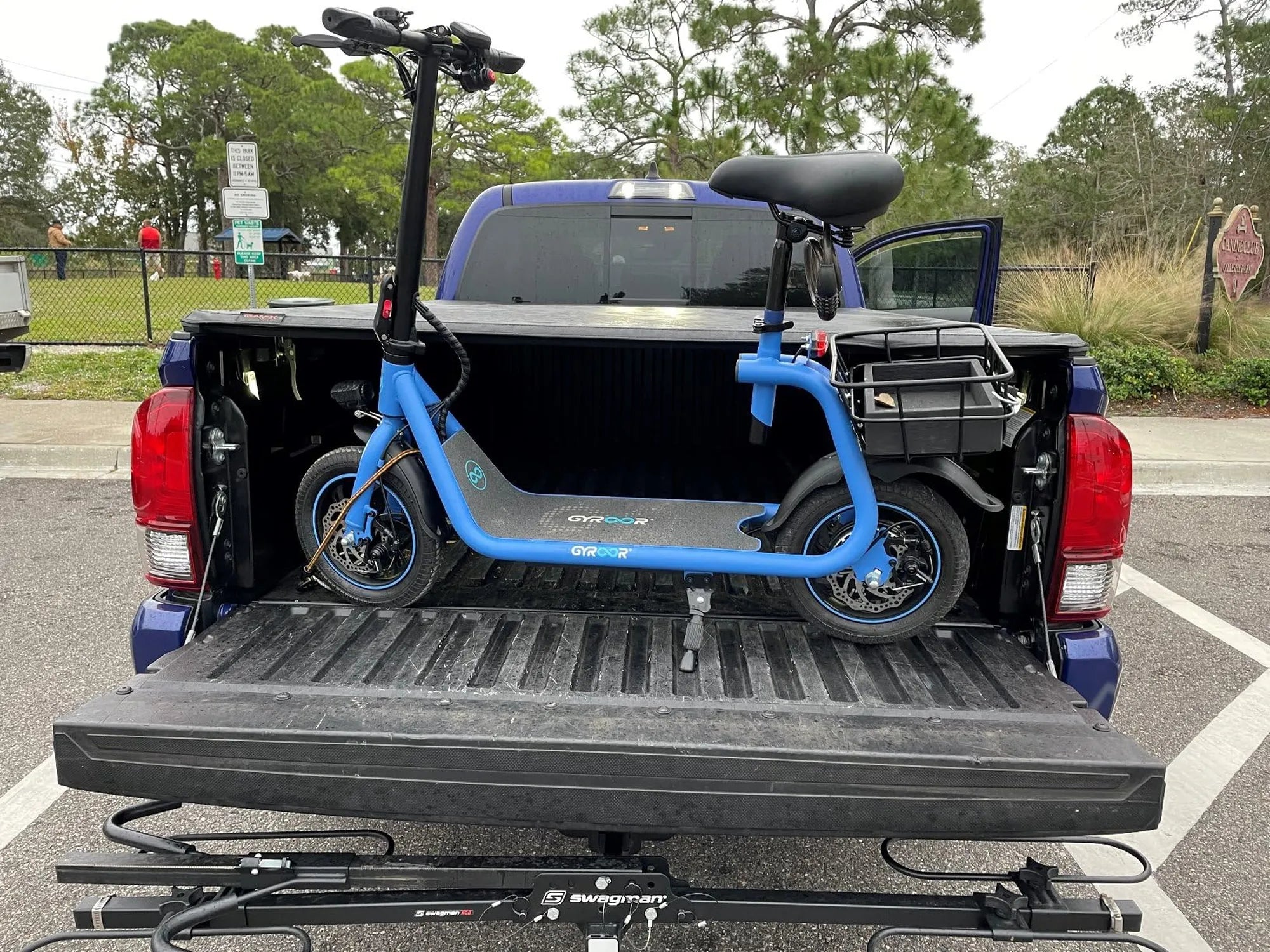
Balance scooters have revolutionized personal transportation, offering a fun and efficient way to navigate urban environments. Whether you're a seasoned rider or a beginner, understanding the essential balance scooter parts is crucial for maintenance, upgrades, and troubleshooting. This guide dives deep into the components that keep your scooter running smoothly and safely.
1. The Motor: Powering Your Ride
The motor is the heart of any balance scooter, converting electrical energy into motion. Most models feature brushless motors for efficiency and durability. A high-quality motor ensures smooth acceleration, consistent speed, and the ability to handle inclines. Regular maintenance, such as checking for overheating or unusual noises, can extend its lifespan.
2. The Battery: Fueling Your Adventures
Lithium-ion batteries are the standard for balance scooters, offering a balance between weight and power. Battery capacity determines your scooter's range, while voltage affects speed and torque. To maximize battery life, avoid overcharging and store your scooter in a cool, dry place. Always use a compatible charger to prevent damage.
3. The Control Board: The Brain Behind the Operation
This component manages power distribution, speed regulation, and safety features like tilt control. A malfunctioning control board can lead to erratic behavior or complete failure. Keep it dry and free from dust to ensure optimal performance. If issues arise, professional diagnostics are recommended.
4. The Wheels and Tires: Traction and Stability
Wheels come in various sizes and materials, affecting ride comfort and terrain adaptability. Solid rubber tires are puncture-proof but offer less cushioning, while air-filled tires provide a smoother ride. Regularly inspect tires for wear and tear, and ensure proper inflation if applicable.
5. The Frame: Structural Integrity
The frame holds all components together and must withstand daily wear and tear. Aluminum alloys are common for their lightweight and rust-resistant properties. Check for cracks or bends periodically, especially after heavy use or accidents.
6. The Gyroscope and Sensors: Keeping You Upright
These parts detect your body's movements and adjust the scooter's balance accordingly. Calibration issues can lead to instability, so follow the manufacturer's guidelines for resetting if needed. Avoid exposing sensors to extreme temperatures or moisture.
7. The Foot Pads and Deck: Comfort and Control
Anti-slip surfaces on foot pads enhance safety, while the deck's width affects stability. Worn-out pads should be replaced to prevent accidents. Some riders customize their decks for better grip or aesthetics.
8. The Charging Port and Wiring: Power Connections
A damaged charging port or frayed wires can pose safety hazards. Inspect connections regularly and avoid bending cables sharply. Use only approved accessories to prevent electrical issues.
9. The Lights and Display: Visibility and Information
LED lights improve nighttime visibility, while displays show speed, battery level, and other metrics. Ensure lights are clean and functional, and replace any dim or broken bulbs promptly.
10. The Bearings and Axles: Smooth Movement
High-quality bearings reduce friction, allowing wheels to spin freely. Lubricate them periodically and listen for grinding noises that indicate wear. Axles should be checked for alignment to prevent wobbling.
Mastering the intricacies of balance scooter parts empowers you to enjoy a safer, more reliable ride. Whether you're troubleshooting an issue or planning an upgrade, this knowledge ensures your scooter remains in peak condition for years to come. Happy riding!
Self Balancing Scooter for 200 lbs: The Ultimate Guide to Heavy-Duty Rides
Electric Scooter Won't Move: Troubleshooting and Fixes for a Dead Ride