


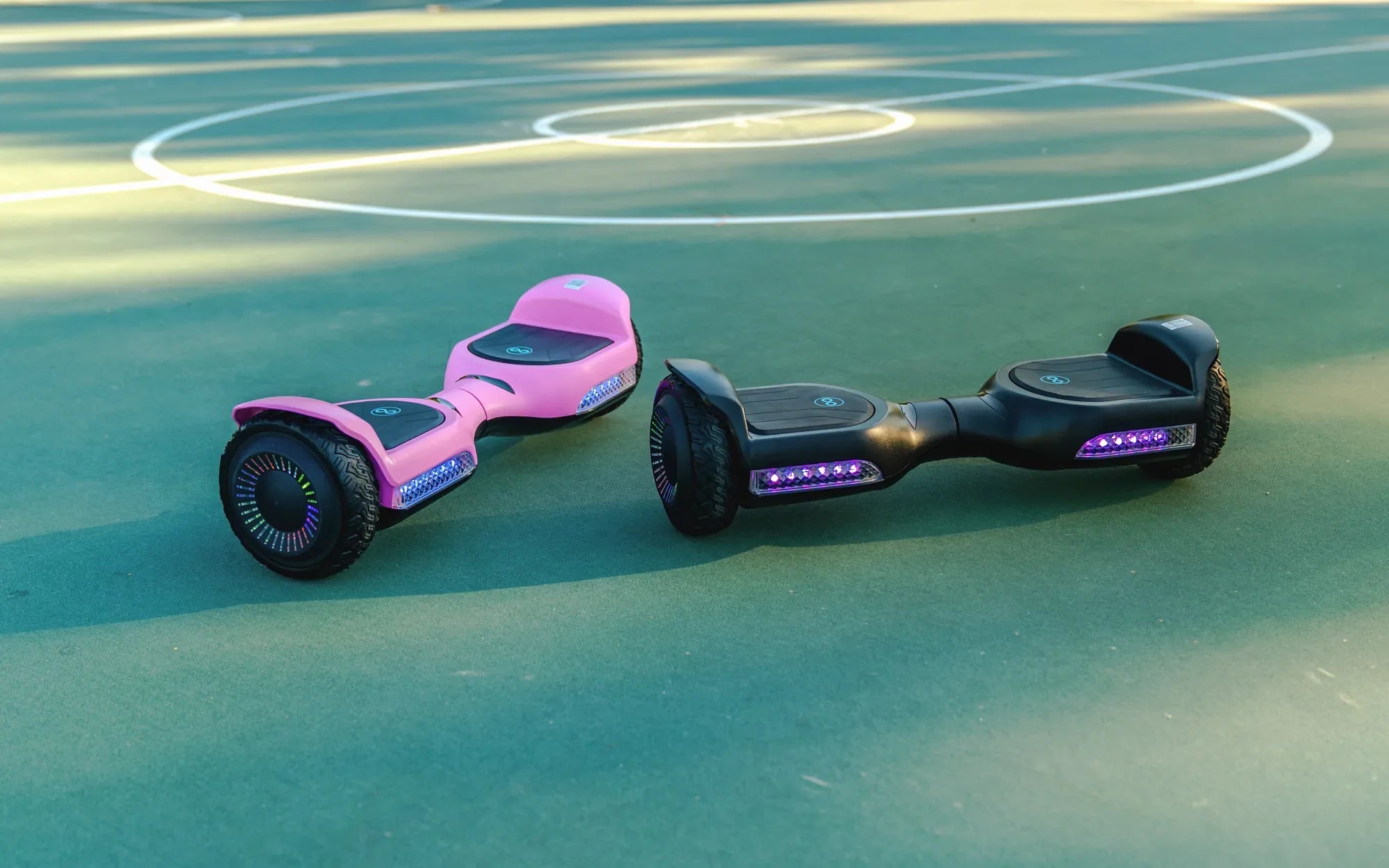
Introduction: Why Your Scooter's Weight Limit is a Critical Safety Feature
That number on your scooter's specification sheet—the maximum weight limit—is arguably its most important safety feature. It's not a suggestion or a rough guideline; it's a calculated engineering specification that defines the boundaries of safe operation. Ignoring it compromises everything from braking performance to structural integrity.
This article will provide a detailed, data-driven breakdown of why weight capacity matters for your safety, the scooter's performance, and its long-term durability. We'll use the design and testing standards of leading brands like Gyroor as a benchmark for what responsible engineering looks like in personal electric mobility.
Understanding and respecting this limit is the foundation of safe riding. It protects you, your investment, and everyone sharing your path.
The Science Behind the Sticker: How Weight Limits are Determined
Manufacturers don't pick weight limits at random. They are the result of rigorous engineering analysis and testing on multiple integrated systems. The final number is the weakest link in a chain of components, each stressed by load.
The frame, typically made from aluminum alloys like 6061-T6, is tested for stress fractures and fatigue under repeated load cycles. The motor's continuous and peak torque output is calculated to ensure it can propel the designated weight up a standard grade without overheating. The battery management system must handle the increased current draw from a heavier load.
Braking systems are validated to stop the scooter carrying its maximum weight from top speed within a safe distance. Even the tires, deck, and folding mechanisms (if present) are load-tested. For brands like Gyroor, this process includes testing the UL-certified battery pack under specific load conditions to ensure stable voltage and temperature management.
This holistic approach ensures that the published Balancing Scooter Weight Limit: What You Need to Know for Safe Riding is a reliable, all-encompassing safety guarantee.
Consequences of Exceeding the Limit: Risks to Safety and Scooter Health
Exceeding your scooter's maximum weight capacity isn't just about reduced range; it introduces immediate and long-term hazards. The first and most critical impact is on braking performance. Overloaded brakes require more distance to stop, increasing collision risk significantly.
The motor and battery are forced to operate beyond their designed parameters. This causes excessive heat buildup, which can lead to thermal throttling (a sudden loss of power), premature battery degradation, and in extreme cases, component failure. An overloaded battery is a stressed battery.
Structurally, the frame and stem endure higher bending moments and stress. This accelerates metal fatigue, potentially leading to cracks or catastrophic failure, especially when hitting potholes. Tires wear down faster and are more prone to punctures.
Finally, stability is compromised. Handling becomes sluggish, the center of gravity rises, and the scooter is more likely to wobble at speed or during turns. Every aspect of the Balancing Scooter Weight Limit: What You Need to Know for Safe Riding is designed to prevent these dangerous scenarios.
Finding Your Perfect Match: A Rider's Guide to Scooter Weight Capacity
Choosing the right scooter starts with an honest assessment of your total load. This isn't just your body weight. You must add everything you'll carry: backpack, work bag, groceries, or any other cargo. Calculate your typical riding weight.
Industry experts and seasoned riders strongly recommend applying a safety buffer. Do not choose a scooter where your calculated weight is at the maximum limit. Instead, select a model with a rated capacity that exceeds your total weight by at least 20-30 pounds (9-14 kg). This buffer accounts for dynamic loads and ensures all components operate within a comfortable margin.
Your riding style dictates the necessary capacity headroom. A daily urban commuter who carries a laptop and faces hills needs more robust headroom than a casual weekend rider. The following table compares general scooter types based on intended use and typical weight capacities.
| Scooter Type / Use Case | Typical Weight Capacity Range | Key Considerations | Gyroor Example Model |
|---|---|---|---|
| Lightweight / Last-Mile Commuter | 220 - 265 lbs (100 - 120 kg) | Portability prioritized; best for riders under 200 lbs with minimal cargo. | Gyroor F1 |
| Standard Commuter / All-Rounder | 265 - 300 lbs (120 - 136 kg) | Balances power and portability; suitable for most adult riders with a daily bag. | Gyroor S1 |
| High-Performance / Off-Road | 300+ lbs (136+ kg) | Heavy-duty frame, dual suspension, powerful motor; built for challenging terrain and heavier loads. | Gyroor H30 |
This practical approach to the Balancing Scooter Weight Limit: What You Need to Know for Safe Riding ensures you select a scooter that will perform reliably for years.
Gyroor's Commitment to Safety: How Our Design Prioritizes Rated Loads
At Gyroor, safety is engineered into every product from the ground up, starting with a honest and rigorously tested weight rating. Our design philosophy directly links our key features to safe operation under load. The UL-certified battery packs are fundamental to this promise.
These batteries undergo extensive testing, including discharge cycles under specific load simulations to ensure they manage heat and current safely, even when the scooter is operating near its capacity. This prevents the overheating risks associated with overloading.
Our IPX5 water-resistant rating is also a crucial component of load safety. When a scooter is under heavy load, components like motors and bearings run hotter. The IPX5 protection guards against water ingress that could cause rapid cooling, condensation, or short circuits in these stressed systems, ensuring long-term reliability.
Furthermore, our 1-year comprehensive warranty is validated by adherence to the rated limits. Using the scooter as intended—within its specified weight capacity—is a key condition for warranty coverage, as it's the basis for all our durability and performance testing. Trust is built on transparent and enforceable specifications.
Beyond the Rider: Understanding Dynamic Load and Real-World Conditions
The static weight on the deck is only part of the equation. Dynamic load refers to the significantly higher, instantaneous forces applied to the scooter when riding over bumps, potholes, or during sudden braking. Engineering must account for these spikes.
When a 200-pound rider hits a 2-inch curb at 15 mph, the impact force on the frame, wheels, and axles can momentarily multiply several times over. A scooter rated for 220 pounds with no safety margin has no capacity to absorb this extra force safely, greatly increasing the risk of component failure.
Road surface plays a major role. Rough asphalt or brick paths constantly transmit shock loads through the scooter. Proper tire pressure is critical; under-inflated tires on a loaded scooter can lead to pinch flats and rim damage from impacts. Suspension systems, like those on Gyroor's all-terrain models, are specifically designed to dampen these dynamic loads and protect the structure.
Therefore, the published Balancing Scooter Weight Limit: What You Need to Know for Safe Riding already incorporates necessary margins for these real-world dynamic forces. Adding more static weight consumes that vital safety buffer.
Maintenance and Long-Term Care for a Loaded Scooter
If you regularly ride near (but not over) your scooter's capacity, a proactive maintenance regimen is non-negotiable. Increased load accelerates wear on almost every moving part. Frequent inspections are your first line of defense.
Check tire pressure weekly. Under-inflated tires increase rolling resistance and overheating. Inspect tires for signs of uneven wear or cracking, which are more common under heavy loads. Listen for new creaks or clicks from the folding mechanism, stem, and deck, which could indicate loosening bolts or developing stress.
Brake pads will wear down faster. Test braking response regularly and inspect pad thickness monthly. Pay close attention to the battery's performance and temperature after a ride. If the battery case feels unusually warm or you notice a significant, sudden drop in range, it may be a sign of stress.
Adhering to a strict maintenance schedule ensures that a scooter operating at higher load percentages remains safe and extends its service life, protecting your investment.
FAQ: Your Weight Limit Questions Answered
Can I briefly go over the weight limit, like for a short trip?
It is strongly advised against. The limit is for safe operation under all conditions, including emergency braking and unexpected bumps. Even a short trip overloads the systems and eliminates the safety margins engineered for dynamic events. Consistently choosing a scooter with the proper Balancing Scooter Weight Limit: What You Need to Know for Safe Riding is the only safe practice.
Does rider height affect the weight limit?
No, the weight limit is purely a mass measurement. However, a taller rider's higher center of gravity can affect handling and stability, especially on a heavily loaded scooter. It's another reason to choose a scooter with a capacity well above your actual weight.
What if my weight is exactly at the scooter's maximum limit?
While technically acceptable per the specification, you should expect reduced performance. Range will be lower, hill-climbing ability will be diminished, and the scooter will accelerate wear. You must also avoid carrying any additional cargo, including a backpack. For optimal safety and enjoyment, selecting a scooter with a higher limit is recommended.
Can I modify my scooter to increase its weight limit?
Absolutely not. Modifications like upgrading the motor or battery do not address the structural limits of the frame, forks, axles, or brakes. This creates an unpredictable and dangerous mismatch of components and voids any warranty. The integrated system is rated as a whole.
How does weight affect range and battery life?
Significantly. More weight requires more energy to accelerate and overcome rolling resistance. You can expect a roughly 10-20% reduction in range if riding at the limit versus riding well under it. Furthermore, consistently overloading the battery accelerates its chemical degradation, permanently reducing its capacity and lifespan over time.
Ride Smart, Ride Safe – Respect the Limit for Long-Term Enjoyment
The weight limit on your electric scooter is a clear line between safe, reliable operation and unnecessary risk. It is the culmination of thousands of hours of engineering and testing designed to protect you. Respecting this limit is the single most important thing you can do as a rider.
It ensures your brakes will stop you in time, your frame will remain intact, and your battery will deliver power safely for hundreds of cycles. Brands like Gyroor build trust by establishing these clear, tested parameters and backing them with certifications and warranties.
Your journey on an electric scooter should be about freedom and fun, not anxiety over potential failure. By choosing the right scooter for your needs and riding within its designed capabilities, you guarantee that enjoyment for the long haul. Prioritize safety, and the ride will take care of itself.
Ready to find a scooter built for your ride with transparent, reliable specifications? Explore the full range of UL-certified, high-capacity models designed for real-world use. Browse the full Gyroor collection at gyroorboard.com.
Why Does My Hoverboard Keep Beeping When I Go Fast? A Complete Troubleshooting Guide
Cheap Two Wheel Self Balancing Electric Scooter: Ultimate Urban Commute Solution