



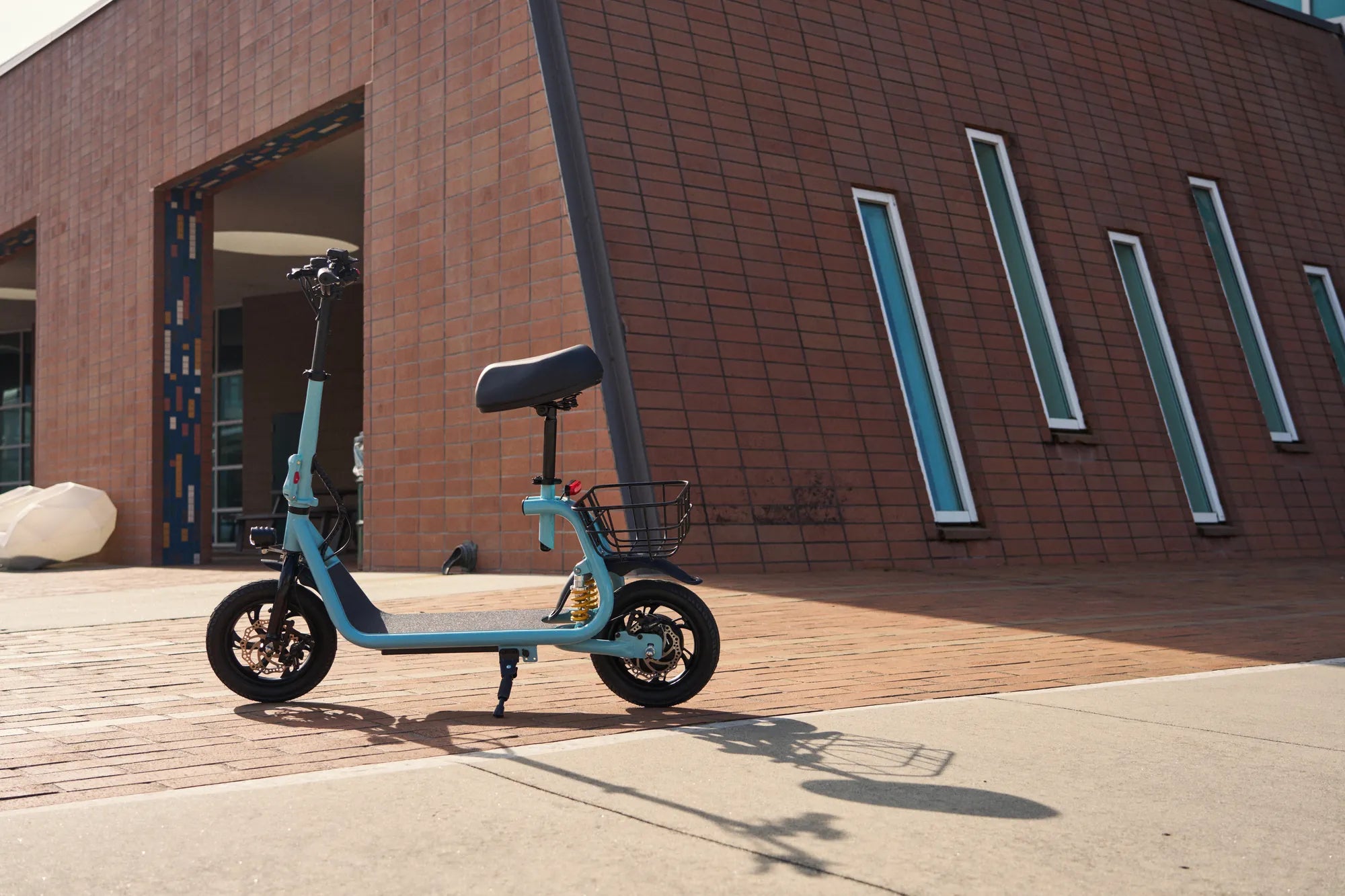
Every rider knows that a reliable battery is the heart of a 150cc bike's electrical system. Without it, even the most powerful engine won't start, and your ride will be grounded. Whether you're a daily commuter or a weekend adventurer, understanding your bike's battery can save you time, money, and frustration. This guide dives deep into the world of batteries for 150cc bikes, covering everything from selection to maintenance and troubleshooting.
Why the Right Battery Matters for Your 150cc Bike
A 150cc bike demands a battery that can handle its power requirements. The wrong choice can lead to poor performance, frequent replacements, or even damage to your bike's electrical system. A high-quality battery ensures smooth starts, consistent power delivery, and longevity. Factors like cold-cranking amps (CCA), voltage, and capacity play a crucial role in determining whether a battery is suitable for your bike.
Types of Batteries for 150cc Bikes
There are three main types of batteries commonly used in 150cc bikes:
- Lead-Acid Batteries: Affordable and widely available, these require regular maintenance but are reliable for everyday use.
- Absorbent Glass Mat (AGM) Batteries: Maintenance-free and spill-proof, AGM batteries offer better performance and durability.
- Lithium-Ion Batteries: Lightweight and long-lasting, these are ideal for performance-oriented riders but come at a higher cost.
How to Choose the Best Battery for Your 150cc Bike
Selecting the right battery involves more than just matching the voltage. Consider these factors:
- Compatibility: Check your bike's manual for the recommended battery specifications.
- Climate: Colder regions require batteries with higher CCA ratings.
- Usage: Frequent riders may benefit from maintenance-free options, while occasional riders might prioritize longevity.
Maintaining Your 150cc Bike Battery for Longevity
Proper maintenance can significantly extend your battery's life. Follow these tips:
- Keep the terminals clean and free of corrosion.
- Ensure the battery is securely mounted to avoid vibrations.
- Charge the battery regularly, especially if the bike is unused for extended periods.
Signs Your 150cc Bike Battery Needs Replacement
Don't get stranded with a dead battery. Watch for these warning signs:
- Slow or hesitant engine cranking.
- Dim headlights or electrical issues.
- Swollen or leaking battery case.
DIY vs. Professional Battery Replacement
Replacing a battery can be a simple task for those comfortable with basic tools. However, if you're unsure about handling electrical components, it's best to consult a professional. Incorrect installation can lead to short circuits or damage to your bike's electronics.
Eco-Friendly Disposal of Old Bike Batteries
Batteries contain hazardous materials and should never be thrown in the trash. Many auto shops and recycling centers accept old batteries for proper disposal. Always dispose of them responsibly to protect the environment.
Your 150cc bike's battery is more than just a component—it's the key to uninterrupted rides and hassle-free adventures. By choosing wisely and maintaining it properly, you can ensure your bike is always ready to hit the road. Don't wait until you're stuck with a dead battery; take action today to keep your ride powered and performing at its best.
How Do You Start an Electric Bike: A Step-by-Step Guide for Beginners
Electric Bike Shop Portland: Your Ultimate Guide to Eco-Friendly Commuting