



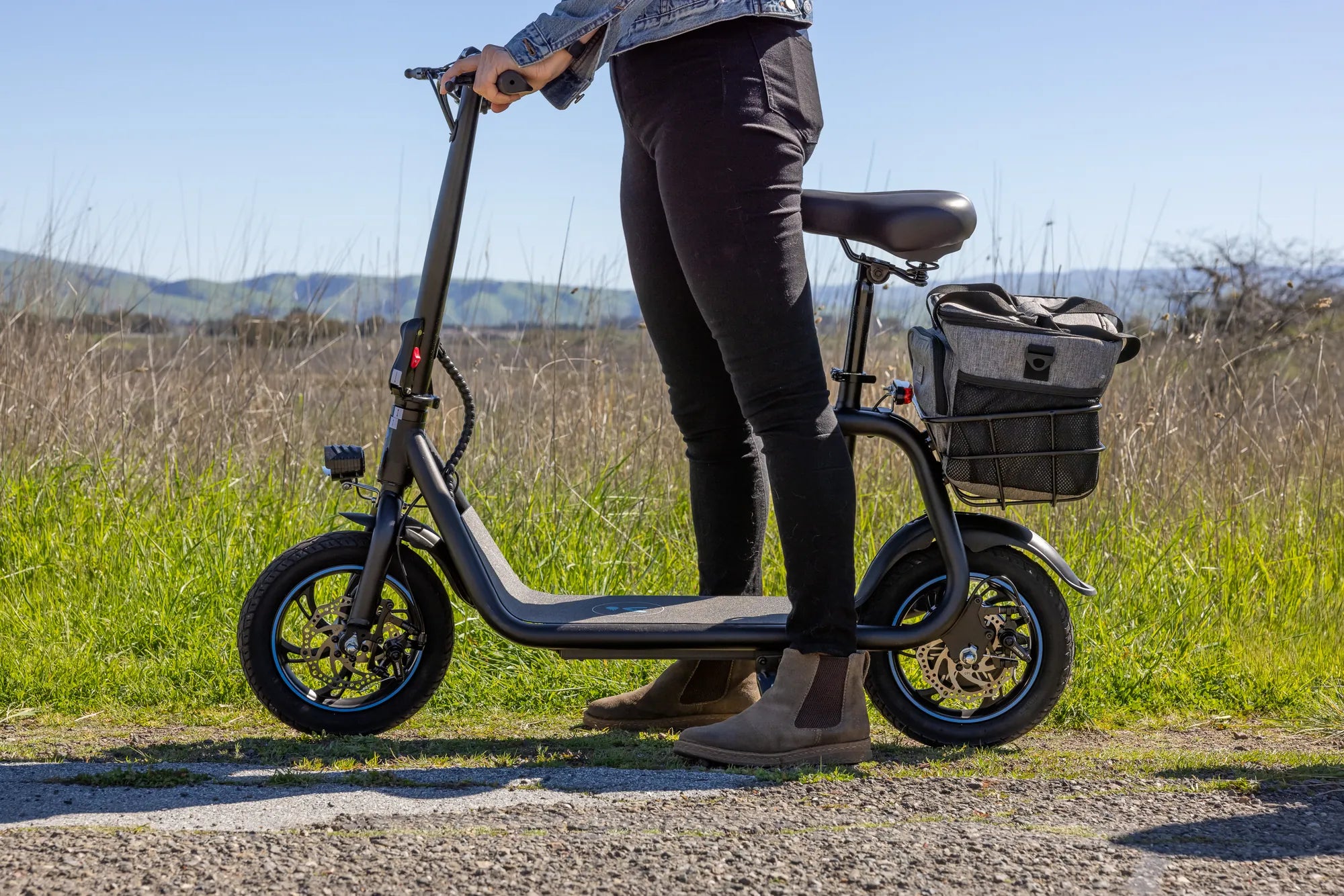
Finding Your First Electric Scooter Without Breaking the Bank
Entering the world of electric scooters is exciting, but navigating the market on a budget can feel overwhelming. The good news is that a sub-$300 price tag no longer means you have to compromise on core safety or reliability. This guide is dedicated to helping first-time riders identify the truly beginner-friendly electric scooters under $300 that are both affordable and easy to ride. We’ll focus on the essential features that make for a confident, safe, and enjoyable first experience, steering you away from risky, uncertified products. As a leader in accessible micro-mobility, Gyroor has built its reputation on bringing UL-certified safety and robust warranties to this price segment, proving that quality and affordability can coexist.
Key Features to Look for in a Beginner-Friendly Scooter Under $300
When your budget is set, knowing where to allocate value is crucial. For a novice rider, certain features are non-negotiable for building confidence and ensuring daily practicality. Prioritizing these elements will lead you to a scooter that feels intuitive from the first ride.
Stability and Ease of Control
Stability is the foundation of a beginner-friendly ride. Look for a scooter with a deck wide and long enough to place your feet comfortably in a natural stance. A lower center of gravity, achieved through smart battery placement, enhances balance. Wheel size is critical; 8.5-inch air-filled (pneumatic) tires offer a superior blend of shock absorption and stability compared to smaller, solid tires, making bumps and cracks in the pavement much less daunting.
Simple and Intuitive Operation
The learning curve should be minutes, not days. The best beginner scooters feature a clear, easy-to-read display showing speed and battery level. Controls should be minimalistic: a power button, a throttle (often a thumb lever or button), and a brake lever. Avoid models with complex multi-function buttons or confusing menus. The goal is to focus on the ride, not the interface.
Safety as a Non-Negotiable Priority
At any price, safety cannot be an afterthought. A reliable braking system is paramount; a rear disc brake or robust e-brake provides consistent stopping power. Integrated lighting is essential—a bright headlight to see and a taillight with brake-light functionality to be seen. Reflectors on the sides and deck add another layer of visibility. These features form the baseline for any scooter deemed truly beginner-friendly.
Why Gyroor Stands Out in the Affordable Scooter Category
Many brands compete at the $300 mark, but few match the commitment to verified safety and customer support that Gyroor provides. With over 100,000 riders across North America and Europe, Gyroor’s approach is to engineer out the common failure points of budget scooters, offering peace of mind that is rare in this price bracket.
The Importance of a UL-Certified Battery
The battery is the heart and most critical safety component of any e-scooter. A UL-certified battery pack has undergone rigorous independent testing for electrical, mechanical, and fire safety. This certification drastically reduces the risk of overheating, smoke, or fire—a known issue with uncertified, cut-rate batteries. Gyroor equips all its models, including its affordable ones, with these UL-certified packs, tested for 500+ charge cycles, ensuring long-term reliability and safety.
Weather Resistance for Real-World Commuting (IPX5 Rating)
Commutes aren’t always under sunny skies. An IPX5 water-resistance rating means the scooter’s electrical components are protected against water jets from any direction. You can confidently ride through puddles or in light rain without worrying about immediate damage. This practical feature, often omitted on competing models, extends the scooter’s lifespan and usability, making it a truly practical choice for daily errands or commutes.
Peace of Mind with a 1-Year Warranty
A comprehensive warranty is the brand’s promise of quality. Gyroor backs its scooters with a 1-year warranty on the frame, battery, and motor, supported by a US-based customer service team. This contrasts sharply with many import-only brands that offer little to no support. For a beginner, this warranty means you have a trusted partner to help if any issues arise, protecting your investment.
Performance and Real-World Use: Setting Realistic Expectations
Understanding what a scooter under $300 can realistically deliver helps manage expectations and ensures you choose a model perfectly suited to beginner needs. The performance is designed for efficiency and practicality over extreme power.
Realistic Range and Speed Expectations
For most quality models in this range, expect a maximum speed of 15-18 mph and a real-world range of 10-15 miles per charge. This is ample for short commutes, campus travel, or neighborhood errands. It’s important to note that range is affected by rider weight, hills, temperature, and riding style. A 165 lb rider on flat terrain will get closer to the max range, while a heavier rider or hilly route will reduce it.
Portability and Daily Convenience
Portability is key for mixed-mode travel. Beginner-friendly scooters in this class typically weigh between 26 and 33 lbs and feature a one-step folding mechanism. This allows you to easily fold it down, carry it onto a bus, or store it under a desk or in a closet. The compact footprint when folded makes it an unobtrusive companion for daily life.
Making the Smart Choice: How to Evaluate Your Options
Armed with knowledge, your final decision should come down to a systematic comparison. Don’t just look at the top speed or flashiest app feature; dig into the foundational specs that guarantee a safe and durable product.
Your Pre-Purchase Checklist
- Battery Certification: Does it have a UL, CE, or other reputable safety certification?
- Weather Resistance: Is there an IPX4 or higher rating for all-weather capability?
- Warranty & Support: Is there a warranty of at least 1 year, and is support accessible?
- Weight Capacity: Does the scooter support your weight plus any cargo (e.g., a backpack)?
- Tire Type: Does it use air-filled tires for better comfort and traction?
- Braking System: Does it have a mechanical (disc or drum) or reliable e-brake system?
Comparison of Key Beginner Scooter Criteria
| Feature | Why It Matters for Beginners | Common in Sub-$300 Scooters? | Gyroor's Standard |
|---|---|---|---|
| UL-Certified Battery | Prevents fire risk, ensures longevity | Rare | Yes, on all models |
| IPX5 Water Resistance | Allows riding in damp conditions safely | Uncommon | Yes |
| 1-Year Comprehensive Warranty | Protects your investment, offers support | Limited or None | Yes, with US support |
| 8.5" Air-Filled Tires | Improves stability, comfort, and shock absorption | Sometimes | Yes |
| Disc Brake + E-Brake | Provides reliable, consistent stopping power | Varies | Yes |
Frequently Asked Questions (FAQ)
Are electric scooters under $300 safe?
They can be safe if they are built with certified components. The primary safety differentiator is the battery. Always prioritize models with UL, CE, or similarly reputable battery certifications and a robust warranty from an established brand. This indicates a commitment to safety standards, unlike uncertified models that can pose significant risks.
How far can I really go on a single charge?
For most riders on a quality sub-$300 scooter, a realistic range is 10-15 miles. Always plan your trips based on 70-80% of the advertised maximum range to account for variables like your weight, hills, headwinds, and colder temperatures. This ensures you won’t be left pushing your scooter home.
Do I need a license or helmet to ride?
Laws vary significantly by city, state, and country. Many areas do not require a license for lower-powered e-scooters but may have age restrictions (often 16+). Wearing a helmet is non-negotiable for safety and is legally required in many jurisdictions. Always check your local Department of Transportation or city government website for the most current regulations.
Is the scooter difficult to assemble?
No. Reputable brands design for easy setup. A Gyroor scooter, for example, typically requires only attaching the handlebar to the stem and tightening a few bolts—a process that takes 5-10 minutes with the included tools. No technical expertise is needed.
Can I ride it in the rain or on wet pavement?
With an IPX5-rated scooter like those from Gyroor, you can confidently ride in light rain and on wet pavement. The rating protects against water splashes from all directions. However, avoid submerging any part of the scooter in water, through deep puddles or floods, as this can exceed the design protection.
What maintenance does it require?
Maintenance is minimal. Regularly check tire pressure for air-filled tires, ensure bolts are tight (especially after the first few rides), keep the scooter clean, and avoid completely draining the battery before recharging. Periodically check the brakes for wear and responsiveness.
Your Journey Starts Here
Choosing your first electric scooter is about more than just the lowest price. It’s an investment in a new form of freedom and mobility. By prioritizing verified safety features like a UL-certified battery, practical durability with an IPX5 rating, and the security of a strong warranty, you ensure that your first scooter is a reliable partner, not a source of frustration. Brands like Gyroor have demonstrated that it’s possible to deliver this crucial peace of mind without exceeding a $300 budget, making the entry into micro-mobility both accessible and confident. Ready to find a scooter that puts safety and ease of use first? Explore the collection of beginner-friendly, affordably priced models designed for your first ride and beyond.
Browse the full Gyroor collection at gyroorboard.com.
Are Electric Scooters Allowed on Public Roads? The Ultimate Guide to Legality
Australia Electric Scooters and Motorcycles Market: Trends, Growth, and Future Outlook