



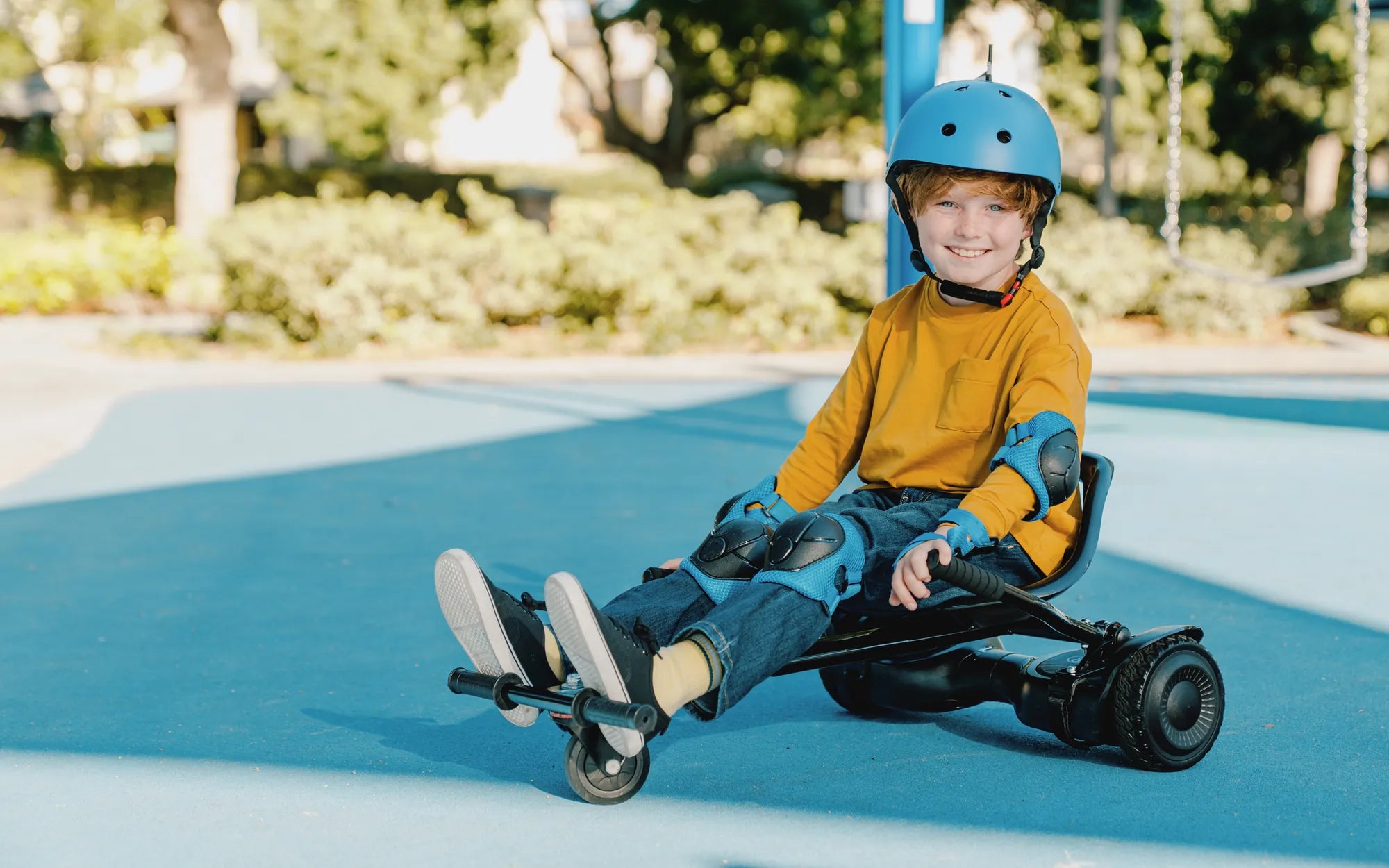
Introduction: Why a Hoverboard is the Perfect First Ride for Your Child
Choosing a beginner hoverboard for kids represents more than just a toy purchase. It's an investment in your child's confidence, coordination, and sense of adventure. These self-balancing scooters serve as an engaging gateway to personal electric mobility, teaching balance and spatial awareness in a fun, modern way.
Many parents understandably have concerns about safety, durability, and finding an age-appropriate model. This guide directly addresses those worries with factual, data-driven advice. Our goal is to empower you with the knowledge to make a confident, safe purchase that prioritizes your child's well-being.
We will focus on models specifically engineered for beginners, highlighting non-negotiable safety features. Trusted brands like Gyroor, with over 100,000 riders globally, design with these principles at their core. The right beginner hoverboard for kids transforms apprehension into excitement, laying the foundation for years of outdoor activity.
What to Look for in a Beginner Hoverboard: 5 Non-Negotiable Features
Not all hoverboards are created equal, especially for young, first-time riders. Moving beyond simple age recommendations, these five features define a truly beginner-friendly device. Each one directly impacts safety, learning ease, and long-term satisfaction.
Ignoring any of these aspects can lead to a frustrating or unsafe experience. A proper beginner hoverboard for kids is engineered to build confidence from the very first ride. Let's break down the specifications that matter most.
UL 2272 Certification: The Gold Standard for Safety
This is the single most important feature. UL 2272 is a rigorous safety standard set by Underwriters Laboratories that specifically covers self-balancing scooters. It tests the entire electrical system, including the battery, charger, and motor, for fire and electrical hazards.
Certification involves over 120 individual tests, including overcharge, short circuit, and drop tests. A hoverboard without this certification poses a significant fire risk. All Gyroor hoverboards utilize UL-certified battery packs tested for over 500 charge cycles, providing foundational safety parents can trust.
Speed Modes and Learning Curves
Beginner models must have adjustable speed modes. A dedicated beginner or training mode typically caps speed at 4-5 mph (6-8 km/h). This allows children to master balance and control without the intimidation of higher speeds.
As skills improve, parents can unlock intermediate and advanced modes via a companion app or button sequence. This controlled progression is crucial. It ensures the hoverboard grows with the child's ability, making the beginner hoverboard for kids a long-term investment.
Wheel Size and Terrain Handling
Wheel size directly affects stability and comfort. For beginners, larger wheels (typically 8.5 inches) are superior to smaller (6.5-inch) options. Larger wheels provide a smoother ride over sidewalk cracks, small pebbles, and slight imperfections in pavement.
This enhanced stability makes the learning process less jarring and more enjoyable. It also expands where your child can safely practice. A model with all-terrain, air-filled tires offers even greater shock absorption for varied surfaces like packed dirt or grass.
Build Quality and Weight Limit
A robust, durable frame is essential to withstand the inevitable beginner tumbles. Look for a solid shell made from high-impact ABS plastic. The internal frame should be a sturdy metal alloy to prevent flexing during use.
Always choose a hoverboard with a maximum weight limit well above your child's current weight. If your child weighs 70 lbs, select a model rated for at least 130 lbs. This ensures the motors and frame are not stressed, providing stable, responsive performance and extending the product's lifespan.
IPX Water Resistance Rating
An IPX rating indicates protection against solids and liquids. For real-world kid use, a minimum of IPX4 is advised, but IPX5 is ideal. An IPX5 water-resistant rating, like those found on Gyroor boards, means the unit can withstand water jets from any direction.
This protects the electronics from puddles, wet grass, and accidental spills. It is not a license to ride in rain or through deep water, but it provides a critical safety margin for everyday play. This feature is a key component of a durable beginner hoverboard for kids.
Gyroor's Top Picks: Beginner Hoverboards Designed for Safety & Smiles
Gyroor's lineup is built on the safety principles outlined above. Here are two standout models engineered for first-time riders, compared to highlight their beginner-friendly features.
| Feature | Gyroor H1: First-Timer's Choice | Gyroor H3: Grows-With-Me Adventure |
|---|---|---|
| Best For | Absolute beginners, younger kids | Quick learners, outdoor exploration |
| Max Speed (Beginner Mode) | 4.5 mph / 7.2 km/h | 5 mph / 8 km/h |
| Wheel Size & Type | 8.5" Solid Rubber | 8.5" All-Terrain Air-Filled |
| Weight Limit | 165 lbs / 75 kg | 220 lbs / 100 kg |
| Water Resistance | IPX5 Rated | IPX5 Rated |
| Special Beginner Feature | Integrated Training LED Lights, App Control for Parents | 3 Speed Modes, Bluetooth Speaker |
| Battery & Range | UL-Certified, up to 7 miles | UL-Certified, up to 9 miles |
Model A: The Gyroor H1 - The Ultimate First-Timer's Choice
The Gyroor H1 is engineered with the most cautious beginner in mind. Its beginner mode is strictly capped at a walking pace, allowing for total control. The integrated training LED lights on the footpads provide visual feedback for proper foot placement, a huge aid during the first mounting attempts.
Parental control via the smartphone app allows you to lock speed modes, monitor battery life, and track usage. The 8.5-inch solid rubber wheels offer a stable, maintenance-free platform. For a child's very first beginner hoverboard for kids, the H1 provides the safest, most controlled environment to learn.
Model B: The Gyroor H3 - The "Grows-With-Me" Adventure Board
The Gyroor H3 is for the child who masters basics quickly and craves more adventure. It starts with a gentle beginner mode but offers two higher speed settings for skilled riding. The key differentiator is its all-terrain, air-filled tires, which absorb bumps and handle smoother dirt paths or grass.
With a higher weight limit and extended range, this model won't be outgrown quickly. It represents long-term value, transitioning from a cautious beginner board to a capable explorer's vehicle. The IPX5 rating and robust build ensure it can handle the increased demands of more active use.
The Parent's Guide to Safe Hoverboarding: Gear, Ground Rules, and First Ride
Safety extends far beyond the hoverboard's specifications. Proper preparation and supervision are paramount. This step-by-step protocol ensures safety from unboxing to the first independent ride, positioning you as an informed safety partner.
Essential Safety Gear: Helmet, Pads, and More
Protective gear is non-optional. This is non-negotiable for every single ride, even in the driveway. The required kit includes a CPSC-certified bicycle or multi-sport helmet, knee pads, elbow pads, and wrist guards.
Wrist guards are particularly important, as falls often involve putting hands out to brace. Ensure all gear fits snugly but comfortably. Investing in high-quality, well-ventilated gear increases the likelihood your child will wear it willingly. This is the first and most critical step before the hoverboard is even turned on.
Choosing the Perfect Practice Area
Location is everything for the first 5-10 hours of practice. The ideal spot is a smooth, flat, paved surface away from all traffic, slopes, and obstacles. Good examples include an empty tennis or basketball court, a smooth driveway, or a quiet cul-de-sac.
The surface should be clean and dry. Avoid areas with gravel, sand, or long grass initially. The space should be large enough to allow for wide, gentle turns without immediate obstacles. This controlled environment minimizes variables and lets the child focus solely on balance.
Step-by-Step: Teaching Your Child to Ride in 30 Minutes
Break the learning process into manageable, 5-10 minute steps over several sessions. Start by ensuring the hoverboard is powered OFF. Have your child practice stepping onto the footpads and finding their balance while holding your hand or a stable railing.
Next, power on the board in beginner mode. With you providing stable support under their arms, have them practice leaning slightly forward to move and back to stop. Keep sessions short and positive. Turning is usually the trickiest part; teach them to shift weight to one foot and use gentle hip movements. Most children achieve basic competency within 30 minutes of cumulative practice using this method.
Hoverboard Care and Maintenance for Long-Lasting Fun
Proper maintenance ensures safety, maximizes battery life, and protects your investment. These simple routines, performed by parents with occasional child assistance, will keep the hoverboard running smoothly for years.
Battery Charging Best Practices
Always use only the provided charger. Use a wall outlet, not a power strip or generator. Charge the hoverboard on a hard, non-flammable surface in a well-ventilated area, away from direct sunlight and heat sources. Do not leave it charging unattended or overnight.
The Gyroor's UL-certified lithium-ion battery pack is designed for safety, but proper habits are key. Allow the battery to cool for 30 minutes after a ride before charging. For long-term storage (over a month), charge the battery to about 50-60% and store in a cool, dry place.
Cleaning and Storage Tips
To clean, always power off the board and disconnect the charger. Wipe the shell and footpads with a slightly damp cloth. Never spray water directly on the board, even with an IPX5 rating, as this can force water into seams. Use a dry toothbrush to clear debris from wheel axles and charging port.
Store the hoverboard in a dry, indoor location, away from extreme temperatures. Avoid leaving it in a car trunk. Keeping it off the floor in a closet or on a shelf prevents accidental kicks and protects the tires. These steps preserve the IPX5 water-resistant seals and internal electronics.
Understanding Your Warranty and Support
A strong warranty is a sign of manufacturer confidence. Gyroor offers a 1-year comprehensive warranty on the hoverboard, covering defects in materials and workmanship. This is backed by US-based customer support for troubleshooting and parts.
Upon purchase, promptly register your product online to activate the warranty. Keep your original receipt and packaging for at least the warranty period. This warranty provides peace of mind, knowing that if an issue arises due to manufacturing, you have direct support to resolve it.
Advanced Riding Tips and Etiquette for Confident Kids
Once the basics are mastered, teaching responsible riding habits ensures safety for your child and others. Good etiquette promotes a positive image of hoverboard riders and prevents accidents.
Always yield to pedestrians. Teach your child to slow down and give walkers a wide berth, announcing "passing on your left" if necessary. Riding on public sidewalks may be subject to local ordinances; always check and follow the rules. Avoid crowded areas and never use headphones while riding, as auditory awareness is crucial.
Teach advanced maneuvers like controlled stopping and dismounting on slopes in a safe, private area. Explain the importance of being aware of terrain changes, like transitions from pavement to grass. A confident rider is a predictable and courteous rider.
Frequently Asked Questions (FAQs) About Kids' Hoverboards
Q: What is the best age for a child to start hoverboarding?
A: Most experts recommend age 8 and up, but readiness depends more on the individual child's coordination, balance, maturity, and ability to follow safety rules. A responsible 7-year-old with good balance may be ready, while some 9-year-olds may need to wait. Always supervise.
Q: How long does the battery last on a single charge for a beginner model?
A> For beginner models like the Gyroor H1, expect a range of 6-8 miles (10-13 km) on a full charge under typical use. Actual range depends on rider weight, terrain, temperature, and how often they stop and start. A single charge usually provides 1-2 hours of intermittent play.
Q: Are hoverboards safe for indoor use?
A: It is not recommended, especially for beginners. Indoor spaces have hard surfaces, furniture corners, and limited space for safe maneuvering or falling. Outdoor practice in a controlled area is vastly safer. Once highly skilled, some may ride cautiously indoors on specific surfaces, but it increases risk.
Q: What should I do if the hoverboard gets wet?
A> For an IPX5-rated board, light exposure to puddles or wet grass is okay. If it gets significantly wet, immediately power it off. Wipe it dry with a towel and place it in a dry, ventilated area for at least 24-48 hours before attempting to turn it on or charge it. Never charge a wet board.
Q: How do I know if the hoverboard is fully charged and maintained?
A> The board's LED indicators will show charging status (often red while charging, green when full). The Gyroor app also displays precise battery percentage. For maintenance, listen for unusual grinding or clicking noises from the wheels or motors, and check for loose footpads or body panels monthly.
Conclusion: Confidence on Two Wheels Starts with the Right Choice
The journey to choosing a beginner hoverboard for kids is defined by prioritizing verified safety above all else. UL 2272 certification, adjustable speed modes, robust construction, and proper water resistance are the pillars of a trustworthy product. These features, combined with mandatory protective gear and patient, structured practice, transform a potential hazard into a source of immense joy and developing confidence.
Brands like Gyroor, with their commitment to UL-certified batteries, IPX5 water-resistant designs, and comprehensive warranties, provide the reliable foundation parents need. The right hoverboard doesn't just entertain; it teaches balance, responsibility, and offers a thrilling sense of independence. By making an informed choice, you gift your child not just a toy, but a gateway to active, outdoor fun and the confidence that comes from mastering a new skill.
Ready to find the perfect match for your young rider? Browse the full Gyroor collection at gyroorboard.com to explore our UL-certified, beginner-friendly hoverboards designed for safety, durability, and smiles.
Easy Rider Scooter Kids: The Ultimate Guide to Fun and Safety
Scooter for Kids 12 Years: The Ultimate Guide to Choosing the Best Ride