



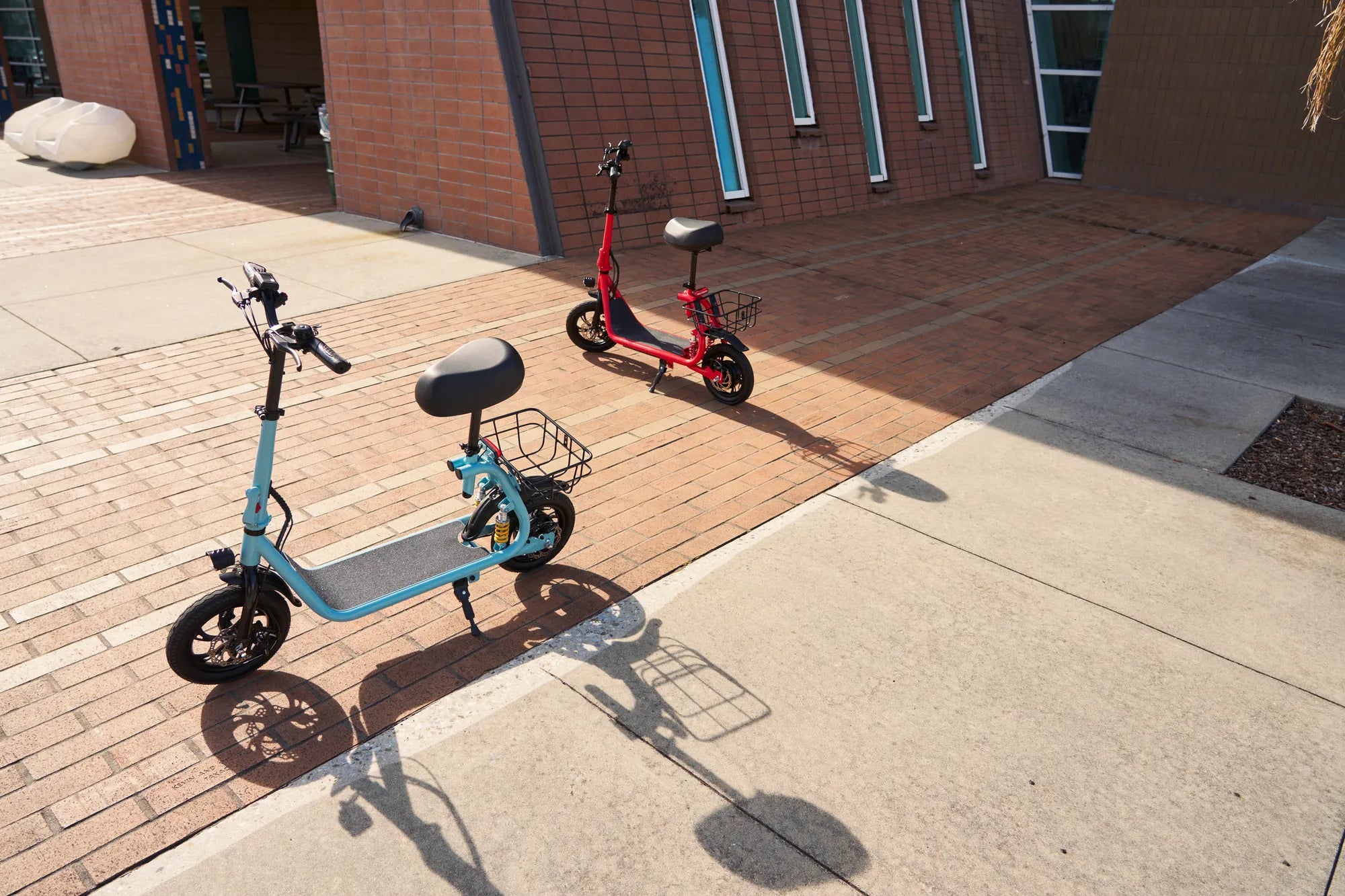
The Campus Mobility Revolution: Beyond the Backpack
Navigating a sprawling university campus often involves a frustrating calculus of time, distance, and logistics. The 20-minute trek from the science building to the humanities library cuts into study time. The search for a parking spot can feel like a competitive sport, with permits costing hundreds of dollars. Bus schedules rarely align perfectly with a student's patchwork class timetable. This is where the electric scooter emerges not as a mere gadget, but as a strategic tool for academic efficiency.
The benefits of electric scooters on campus: a smart and sustainable choice are multifaceted, addressing core student needs. They provide door-to-destination transit, eliminate parking fees, and operate with zero direct emissions. For the modern, eco-conscious student body, they represent a practical alignment of personal convenience with environmental values. Leading this shift are brands like Gyroor, a trusted name in personal electric mobility with over 100,000 riders across North America and Europe, known for engineering reliable, UL-certified scooters built for real-world use.
This article will provide a comprehensive analysis of how e-scooters are redefining campus transit. You will learn about the quantifiable time and financial savings, the significant environmental impact, critical safety protocols, and how to select the right model for your academic life. We will move beyond hype to deliver a data-driven guide for making an informed mobility decision.
Unlocking Unmatched Convenience and Time Savings
The primary appeal of an electric scooter on campus is its profound ability to reclaim time and reduce logistical friction. A campus is a series of interconnected nodes—dormitories, lecture halls, libraries, dining halls, and student unions. Traditional movement between these points is often the largest inefficiency in a student's daily schedule.
An e-scooter collapses distance. What is a 15-minute power walk becomes a relaxed 4-minute glide. This efficiency translates directly into more time for studying, extracurricular activities, or simply resting. The mental load of planning journeys around bus timetables or long walks is eliminated, reducing daily stress and creating a more fluid, responsive daily routine.
Furthermore, the compact nature of e-scooters solves the perennial campus problem: the last-mile (or last-half-mile) gap. Buses may get you to a general area, but an e-scooter delivers you precisely to the steps of your destination. This seamless integration from macro-transit to micro-mobility is a game-changer for students living off-campus or those navigating large university grounds.
Conquering the "15-Minute Dash" Between Classes
Consider a typical schedule: a class ends in the Engineering Quad at 10:50 AM, and your next lecture begins in the Social Sciences building at 11:05 AM. On foot, this is a stressful, sweat-inducing sprint across campus, often resulting in late arrivals or missed opening remarks. This scenario is a universal campus experience.
With an electric scooter, this dash transforms. A distance that takes 15 minutes to walk can be covered in under 5 minutes at a moderate scooter speed of 15 mph. This isn't just about avoiding lateness; it's about arriving composed, prepared, and ready to learn. It allows for a quick stop at a locker or a coffee shop without anxiety. The cumulative effect over a week saves hours, time that is incredibly precious during exam periods or when balancing work and studies.
The End of the Parking Lottery
For students and faculty who drive, campus parking is a major source of expense and frustration. Annual parking permits can cost between $200 and $800 at many universities, and even with a permit, finding an available spot during peak hours is never guaranteed. Parking structures and lots are often on the periphery of campus, adding another long walk to the start and end of each day.
An electric scooter erases this problem entirely. There is no permit fee. There is no circling for spots. A foldable model, like many in Gyroor's lineup, can be taken directly from your dorm room, apartment, or car trunk and ridden to the entrance of your building. It then folds compactly to be carried inside and stored under a desk or in a corner. This is true door-to-destination, door-to-desk mobility. The financial savings from avoiding parking permits alone can offset a significant portion of the scooter's cost within the first year.
A Sustainable Choice for the Eco-Conscious Campus
Universities are increasingly focal points for climate action and sustainability initiatives. Students are demanding greener practices, and administrations are setting ambitious carbon neutrality goals. Personal transportation is a major contributor to a campus's carbon footprint, from commuter vehicles to service traffic.
Electric scooters offer a powerful, personal way to participate in this green transition. They produce zero tailpipe emissions, immediately improving local air quality around campus pathways and reducing noise pollution compared to gas-powered mopeds or cars. By opting for an e-scooter over a car for short trips, each student actively reduces demand for parking infrastructure and traffic congestion, contributing to a more pleasant and pedestrian-friendly campus environment.
Adopting e-scooters aligns perfectly with university sustainability frameworks. It demonstrates a practical commitment to reducing Scope 3 emissions (those from commuting) and fosters a culture of environmental responsibility among the student body. When hundreds or thousands of students make this switch, the collective impact is substantial.
Quantifying the Green Impact
The environmental advantage of e-scooters is not just conceptual; it is measurable. Let's examine the data. According to lifecycle analyses from institutions like the North Carolina State University, the average greenhouse gas emissions per passenger mile for an electric scooter are significantly lower than those for a personal automobile.
A typical compact electric scooter consumes approximately 1.5 kWh of electricity to travel 100 kilometers (62 miles). In contrast, an average gasoline-powered car uses about 8 liters of fuel to cover the same distance, emitting roughly 18.5 kg of CO2. Even when accounting for the electricity generation mix and the manufacturing footprint of the scooter, its overall environmental impact is a fraction of a car's for short urban trips.
For a student commuting 3 miles round trip to campus each day, switching from a car to an e-scooter could prevent over 500 kg of CO2 emissions per academic year. Multiply that by a student population, and the potential for emission reduction is enormous, directly supporting campus climate action plans.
Cost-Effectiveness: Stretching the Student Budget
While the upfront cost of a quality electric scooter is a consideration, a thorough cost-benefit analysis reveals it as a highly economical choice for campus life. Students must evaluate transportation as a recurring operational cost, not just a one-time purchase. When viewed through this lens, an e-scooter presents compelling savings.
Compare the investment to common alternatives. A campus parking permit, as noted, can cost hundreds per year. Gasoline for a car, even for short commutes, adds up quickly. Ride-sharing services like Uber or Lyft for daily trips are prohibitively expensive. Even monthly public transit passes represent an ongoing outflow of cash. An e-scooter, after the initial purchase, has minimal operating costs—essentially just a few cents worth of electricity per charge.
Over a typical 4-year undergraduate program, the total cost of ownership for an e-scooter is often lower than the cumulative costs of these other transportation methods. It is an asset that provides value daily and retains significant utility even after graduation.
Gyroor's Value Proposition: Safety and Durability as Savings
The true cost-effectiveness of an e-scooter is tied directly to its reliability and longevity. A cheap, poorly made scooter that fails in six months is a financial loss, not a savings. This is where Gyroor's engineering philosophy translates into long-term value.
The use of UL-certified lithium-ion battery packs is a critical differentiator. These batteries undergo rigorous testing for safety, performance, and longevity, rated for 500+ charge cycles. This means reliable range and, crucially, a drastically reduced risk of battery failure or fire—a safety feature that is priceless. The IPX5 water-resistant rating on key components ensures the scooter can handle unexpected rain or wet pathways, protecting your investment from weather-related damage. Finally, the 1-year comprehensive warranty provides peace of mind, safeguarding against unexpected manufacturing defects.
This focus on build quality means a Gyroor scooter is built to last the duration of a student's academic career and beyond. The avoidance of repair costs, premature replacement, and safety incidents makes it the financially smart choice, aligning perfectly with the core benefits of electric scooters on campus: a smart and sustainable choice.
Safety and Practical Considerations for Campus Riding
Embracing e-scooter mobility comes with the responsibility of safe operation. Campuses are dense, shared spaces with pedestrians, cyclists, skateboarders, and service vehicles. Responsible riding is non-negotiable for personal safety and community acceptance.
First and foremost, always wear a helmet. It is the single most effective way to prevent serious head injury in the event of a fall or collision. Many campuses have local ordinances or specific policies requiring helmet use for micromobility devices. Investing in a high-visibility vest or clothing for low-light conditions is also a wise precaution.
Familiarize yourself with and obey all campus regulations regarding e-scooters. These may include designated riding areas, speed limits (often 10-15 mph on shared paths), and parking/docking rules to prevent clutter and tripping hazards. Yield right-of-way to pedestrians, announce your presence politely when passing, and never ride on sidewalks where prohibited. Treat your e-scooter like a vehicle, requiring awareness and defensive riding.
Choosing the Right Scooter for Campus Life
Not all electric scooters are equally suited for campus demands. Key selection criteria should include:
- Range: Opt for a model with a real-world range of 15-25 miles. This easily covers multiple days of typical campus travel on a single charge.
- Portability: Weight and foldability are crucial. A scooter around 30-40 lbs that folds compactly is ideal for carrying into buildings, up stairs, or onto public transit.
- Power & Hill Climb: Campuses often have inclines. A motor with at least 350W of nominal power (500W+ peak) ensures you can maintain speed on gentle hills.
- Durability: Look for solid construction, pneumatic or airless tires for puncture resistance, and a good warranty. Gyroor models, with their robust frames and IPX5 rating, are designed for daily commuting rigor.
- Safety Features: Reliable disc or drum brakes, bright front and rear lights, and a loud bell or horn are essential.
Head-to-Head: Campus Transportation Options Compared
The table below provides a clear, data-driven comparison of common campus transportation methods, highlighting where electric scooters excel.
| Transport Mode | Avg. Cost per Semester | Avg. Door-to-Door Time (1.5 mi) | Carbon Footprint | Parking Hassle | Flexibility |
|---|---|---|---|---|---|
| Electric Scooter (Owned) | $50-$100 (electricity) | 6-8 minutes | Very Low | None | Very High |
| Walking | $0 | 25-30 minutes | Zero | None | High |
| Bicycle | $0 (maintenance ~$50) | 8-10 minutes | Zero | Medium (locking) | High |
| Campus Bus | $0-$200 (pass) | 15-25 minutes (with wait) | Low-Medium | None | Low (fixed routes) |
| Personal Car | $400-$1000 (gas, permit, deprec.) | 10-20 minutes (+ walk from lot) | Very High | Very High | High |
| Ride-Sharing (Uber/Lyft) | $300-$600 (for 2x daily trips) | 10-15 minutes | High | None | High |
This comparison underscores the unique value proposition of a personal electric scooter: it combines low cost, high speed, minimal environmental impact, and ultimate flexibility in a single package.
Frequently Asked Questions (FAQ)
Q1: Are electric scooters allowed on my specific campus?
A1: Policies vary widely. Always check your university's official transportation website or student handbook for specific rules regarding privately-owned e-scooters. Look for information on designated riding areas, speed limits, helmet requirements, and parking/storage rules. When in doubt, contact campus transportation services directly.
Q2: How do I securely store and lock my e-scooter on campus?
A2> For short stops, use a high-quality, hardened steel U-lock or heavy-duty folding lock to secure the scooter's frame (not just the stem) to a fixed, official bike rack. For longer periods, the best security is to take advantage of its portability. Fold it and take it with you into class, the library, or your dorm room. This eliminates the risk of theft entirely.
Q3: What should I do if I need to ride in bad weather?
A3> First, prioritize safety—avoid riding in heavy rain, snow, or ice. For light rain, a scooter with a good water-resistance rating (like Gyroor's IPX5) will handle wet paths. Always reduce speed, allow for longer braking distances, and avoid painted surfaces and metal covers which become slippery. Waterproof gear for yourself is also essential.
Q4: How long does the battery last on a typical class day, and how do I charge it?
A4> A scooter with a 15-25 mile range will typically last 3-5 days of average campus use (2-5 miles per day) on a single charge. Charging is simple: the removable battery pack (on many models) or the entire scooter is plugged into a standard wall outlet. Full charges usually take 4-6 hours. Many students charge overnight in their dorm or apartment.
Q5: Is maintenance difficult or expensive?
A5> Routine maintenance for a quality e-scooter is minimal. Regularly check tire pressure, ensure brakes are functioning properly, and keep the scooter clean. Unlike a car or even a bicycle with complex gears, there are far fewer moving parts. Most issues are covered under the manufacturer's warranty. Choosing a brand with a strong warranty and available customer support, like Gyroor, further minimizes maintenance concerns.
Empowering Smarter Campus Journeys
The evidence is clear: integrating an electric scooter into your campus life is a decision that pays dividends in time, money, and personal well-being while supporting broader environmental goals. The benefits of electric scooters on campus: a smart and sustainable choice are interconnected—the convenience saves time, which reduces stress; the economy stretches your budget; the sustainability aligns with your values; and the independence empowers your schedule.
This is more than a trend; it's a rational upgrade to personal logistics. By choosing a well-engineered, reliable scooter from a trusted brand, you invest in a tool that enhances your daily academic experience. You move from being subject to campus geography to mastering it, arriving to each commitment prepared and on your own terms.
The future of campus mobility is electric, personal, and intelligent. It's about moving seamlessly, thinking sustainably, and living efficiently. Make the choice that supports your success and your planet. Explore the range of durable, high-performance electric scooters designed for the demands of campus life and discover the model that will transform your university experience.
Ready to ride smarter? Browse the full Gyroor collection of UL-certified, campus-ready electric scooters and e-bikes at gyroorboard.com.
Fun Electric Scooters for Adults: The Ultimate Guide to Thrilling Rides
Electric Scooters Downtown Memphis: The Future of Urban Mobility