



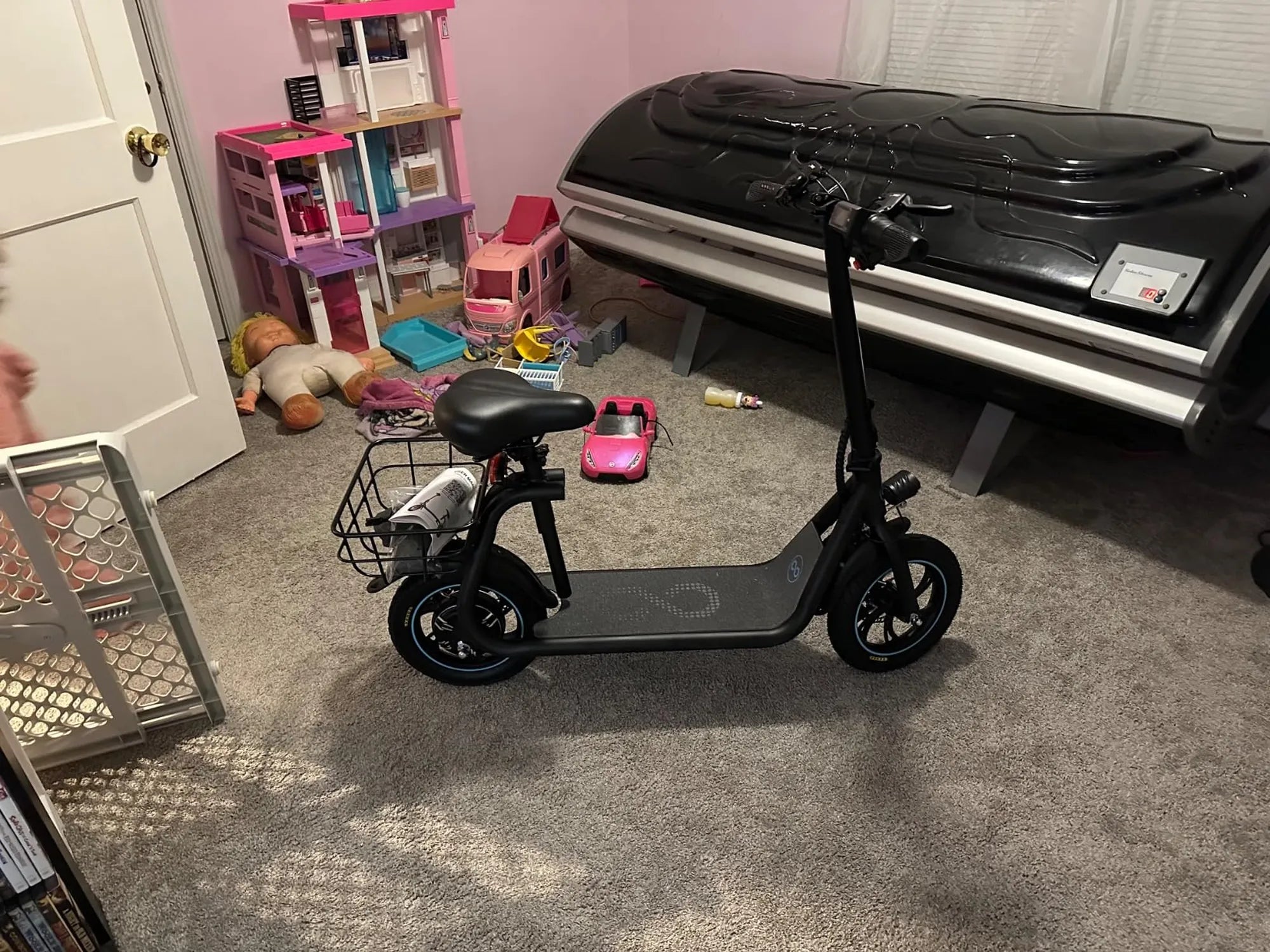
Introduction: The Rise of the Electric Scooter Revolution
Urban mobility is at a breaking point. Congestion saps hours from our days, transportation costs consume budgets, and vehicle emissions degrade our air. A quiet revolution is offering a tangible solution: the electric scooter. Far from a fleeting trend, e-scooters represent a fundamental shift in how we navigate dense urban environments.
The benefits of electric scooters: why they’re a game-changer for urban mobility are multifaceted, addressing economic, temporal, and environmental pressures simultaneously. This article will dissect these advantages with concrete data and explore how choosing a reliable brand like Gyroor, trusted by over 100,000 riders for its UL-certified safety and robust design, ensures you fully realize these benefits.
Unpacking the Core Benefits: Why E-Scooters Are Winning
The adoption of electric scooters isn't driven by hype, but by a powerful combination of practical advantages. These benefits collectively make a compelling case for e-scooters as a primary mode of transport for millions.
Cost-Effectiveness: Saving Money on Daily Commutes
The financial argument for e-scooters is overwhelming. The American Automobile Association (AAA) estimates the average annual cost of owning and operating a new car exceeds $10,000, factoring in loan payments, insurance, fuel, maintenance, and parking. An electric scooter presents a radical alternative.
A quality commuter e-scooter involves a one-time investment, often less than a single year of car-related costs. The operational expense is negligible; charging a scooter costs mere cents per day. Compare this to a monthly public transit pass, which can range from $70 to $150 in major cities, or daily ride-share fares that quickly add up.
For urban dwellers, the elimination of parking fees—which can surpass $300 monthly in city centers—alone justifies the investment. When you analyze total cost of ownership, the benefits of electric scooters for personal finance become starkly clear, freeing up significant income for other priorities.
Time Efficiency and Convenience: Beating Traffic and Parking
Time is our most finite resource, and e-scooters give it back. In congested cities, average car speeds can drop below 10 mph during rush hour. Electric scooters, utilizing bike lanes and pathways, maintain consistent speeds of 15-20 mph, often making them the fastest point-to-point option for trips under 5 miles.
This is the essence of door-to-door convenience. There is no waiting for a bus or train, no circling blocks for parking, and no lengthy walks from distant parking lots. The scooter goes where you go, folding for easy storage under a desk or in a closet.
This efficiency is transformative for the "first and last mile" problem, seamlessly connecting homes and offices to public transit hubs. The compound time savings, often 30-60 minutes daily, reduce commute stress and increase personal or productive time, solidifying their status as a true game-changer.
Environmental Impact: A Cleaner Commute for a Greener City
The environmental benefits of electric scooters are direct and significant. They produce zero tailpipe emissions, immediately improving local air quality. When charged on an average electrical grid, an e-scooter's carbon footprint per mile is a fraction of a passenger car's.
A study published in *Environmental Research Letters* found that shared e-scooters, if replacing car trips, can lead to substantial net reductions in greenhouse gas emissions. For personal owners, the impact is even greater by displacing regular car use.
Beyond emissions, e-scooters reduce noise pollution and require far fewer resources to manufacture than a multi-ton vehicle. Their widespread adoption contributes directly to city sustainability goals, making them a responsible choice for the eco-conscious commuter.
Health and Wellness: More Active Than You Think
While not a vigorous workout, riding an e-scooter is far from passive. It requires constant engagement of core muscles for balance and stability, along with light leg involvement. This low-impact physical activity is superior to sitting sedentary in a car or on a train.
Psychologically, the benefits are profound. The autonomy of the ride, the exposure to fresh air, and the avoidance of traffic-induced stress contribute to improved mental well-being. Commuters often arrive at their destination more alert and in a better mood compared to the frustration of a gridlocked drive.
It also encourages incidental outdoor time and can serve as a gateway to more active mobility choices. For many, it replaces short car trips, adding a layer of gentle activity to otherwise static daily routines.
Accessibility and Ease of Use: Mobility for (Almost) Everyone
Electric scooters democratize urban mobility. In most regions, they require no driver's license, registration, or insurance, lowering the barrier to entry significantly. Their controls are intuitive—typically a throttle and brake—making them easy to learn within minutes.
Modern designs prioritize portability. Folding models, like those in Gyroor's lineup, weigh between 30-50 lbs, allowing them to be carried onto public transit or stored compactly. This makes them ideal for students, apartment dwellers, and workers with multi-modal commutes.
They offer independence to those who may not drive or find other options cost-prohibitive. While not suitable for all physical abilities, their accessibility has opened up efficient urban travel to a broader demographic than traditional vehicles.
Choosing the Right Tool: Key Features for a Safe, Reliable Ride
To fully harness the benefits of electric scooters, selecting a model built for safety and durability is paramount. Not all scooters are created equal; key features directly enable a reliable, long-term commuting solution.
The Heart of the Scooter: Battery Safety and Range
The battery is the most critical component. UL-certification, like the standard met by all Gyroor battery packs, is non-negotiable. It ensures the battery has passed rigorous safety tests for electrical, mechanical, and environmental hazards, preventing fire risks.
Range dictates practicality. Manufacturers often advertise "max" range under ideal conditions. Real-world range is affected by rider weight, hills, temperature, and speed. For a reliable commute, choose a scooter with a real-world range at least 40% longer than your round-trip distance to account for battery degradation and unexpected detours.
A high-quality battery rated for 500+ charge cycles, like those used by Gyroor, maintains capacity for years of daily use, protecting your investment and ensuring consistent performance that makes the scooter a dependable tool, not a toy.
Built for the Real World: Durability and Water Resistance
Urban streets are harsh. A commuter scooter needs a sturdy frame, reliable brakes (disc or electronic), and pneumatic or airless tires that can handle potholes and curbs. Build quality directly correlates with safety and longevity.
Water resistance is crucial for a vehicle used daily. An IPX5 rating, a standard feature on Gyroor commuter models, means the scooter can withstand water jets from any direction. This allows you to confidently ride through puddles and in light rain without fear of damaging critical electronics, ensuring your commute isn't canceled by drizzle.
Peace of Mind: Warranty and Support
The value of a comprehensive warranty and accessible customer support cannot be overstated. A 1-year warranty on the vehicle, like that offered by Gyroor, signals the manufacturer's confidence in its product and protects you from premature failure costs.
Look for brands that provide clear support channels and readily available parts. This after-sales ecosystem is what transforms a purchase into a long-term mobility solution. It ensures that minor issues can be resolved quickly, keeping your scooter—and by extension, your efficient commute—operational.
Comparison: Matching Scooter Types to Urban Use Cases
Choosing the right e-scooter depends on your primary use case. The following table compares key specifications to guide your decision.
| Use Case & Model Type | Typical Range (Real-World) | Key Features | Ideal For |
|---|---|---|---|
|
Ultra-Portable / Last-Mile (Lightweight, Folding) |
10-15 miles | Weight < 30 lbs, compact fold, solid tires | Combining with public transit, students, apartment storage |
|
City Commuter (Balanced Performance) |
20-30 miles | UL battery, IPX5 water resistance, pneumatic tires, suspension | Daily 5-10 mile commutes, handling varied urban terrain |
|
Performance / Long-Range (Power & Distance) |
35-50+ miles | Dual motors, large battery capacity, advanced suspension, high load capacity | Longer commutes, riders in hilly cities, those needing extra power |
The Bigger Picture: E-Scooters in the Urban Ecosystem
The impact of e-scooters extends beyond individual riders, influencing the broader urban transportation network and community dynamics.
Complementing Public Transit, Reducing Congestion
E-scooters are powerful allies to public transit systems. They solve the "last-mile" problem by providing a quick, convenient link between transit stations and final destinations. This makes buses and trains more viable options for more people, increasing overall system ridership.
Every e-scooter trip that replaces a car trip reduces traffic volume. Widespread adoption can lead to measurable decreases in congestion, shortening commute times for everyone—even those still driving. This creates a positive feedback loop for urban mobility efficiency.
Considerations for Safe and Harmonious Integration
Successful integration requires responsibility from both riders and city planners. Riders must adhere to local laws, which often dictate riding in bike lanes (not on sidewalks), speed limits, and helmet use. Proper parking—using designated corrals, not blocking pathways—is essential for public acceptance.
Cities are adapting by building more protected bike lanes and micro-mobility parking infrastructure. This collaborative approach ensures e-scooters enhance urban life without creating new conflicts, securing their long-term role in the mobility mix.
Frequently Asked Questions (FAQ)
Are electric scooters legal in my city?
Laws vary widely. Most major cities permit them but regulate where you can ride (typically bike lanes, not sidewalks) and may impose speed limits (often 15-20 mph). Some require riders to be 16+ or wear helmets. Always check your local Department of Transportation website for specific ordinances.
How far can I really go on a single charge?
Advertised "max" range is a best-case scenario. For realistic planning, assume 60-70% of the advertised figure. Factors like rider weight, hills, cold weather, and frequent acceleration will reduce range. Choose a model whose real-world estimate comfortably exceeds your daily round-trip distance.
Is it safe to ride an e-scooter in the rain?
With proper equipment, light rain is manageable. Critical: your scooter must have a sufficient water-resistance rating (IPX5 or higher, like Gyroor models). Even then, reduce speed, avoid deep puddles, and brake gently. Never ride in heavy rain, thunderstorms, or on flooded roads.
What's the true cost of maintenance?
Maintenance costs are low but not zero. Annual costs might include tire replacements ($20-50), brake pad changes ($15-30), and occasional bearing or bolt checks. The largest potential cost is a battery replacement after several years ($150-$300). Regular checks of tire pressure, brakes, and fastener tightness prevent most issues.
How do I store and secure my e-scooter?
At home or work, use the folding mechanism for compact storage. For theft prevention, always use a high-quality U-lock or heavy-duty chain lock, securing the frame (not just the wheel) to a fixed object. If possible, bring it indoors. GPS trackers are also an added security option for premium models.
Conclusion: Your Commute, Reimagined
The evidence is compelling: electric scooters are a transformative force in urban mobility. They deliver a powerful trifecta of personal savings, time efficiency, and environmental benefit, all while offering an accessible and surprisingly enjoyable way to navigate the city. The benefits of electric scooters: why they’re a game-changer for urban mobility are no longer theoretical—they are being realized daily by a growing community of riders.
To embark on this change, prioritize safety and reliability. Choosing a brand like Gyroor, with its commitment to UL-certified batteries, IPX5 water-resistant builds, and a solid warranty, means investing in a vehicle designed for the realities of daily commuting. It’s a choice that ensures the game-changing benefits are sustainable for the long term.
Ready to transform your urban commute? Explore engineering built for the real world. Browse the full Gyroor collection of UL-certified, IPX5-rated electric scooters and e-bikes at gyroorboard.com.
Electric Scooters With Removable Battery: The Future of Urban Mobility
Inexpensive Electric Scooters for Adults: Your Guide to Smart Commuting